Tag Archives: photography

Wild Horses

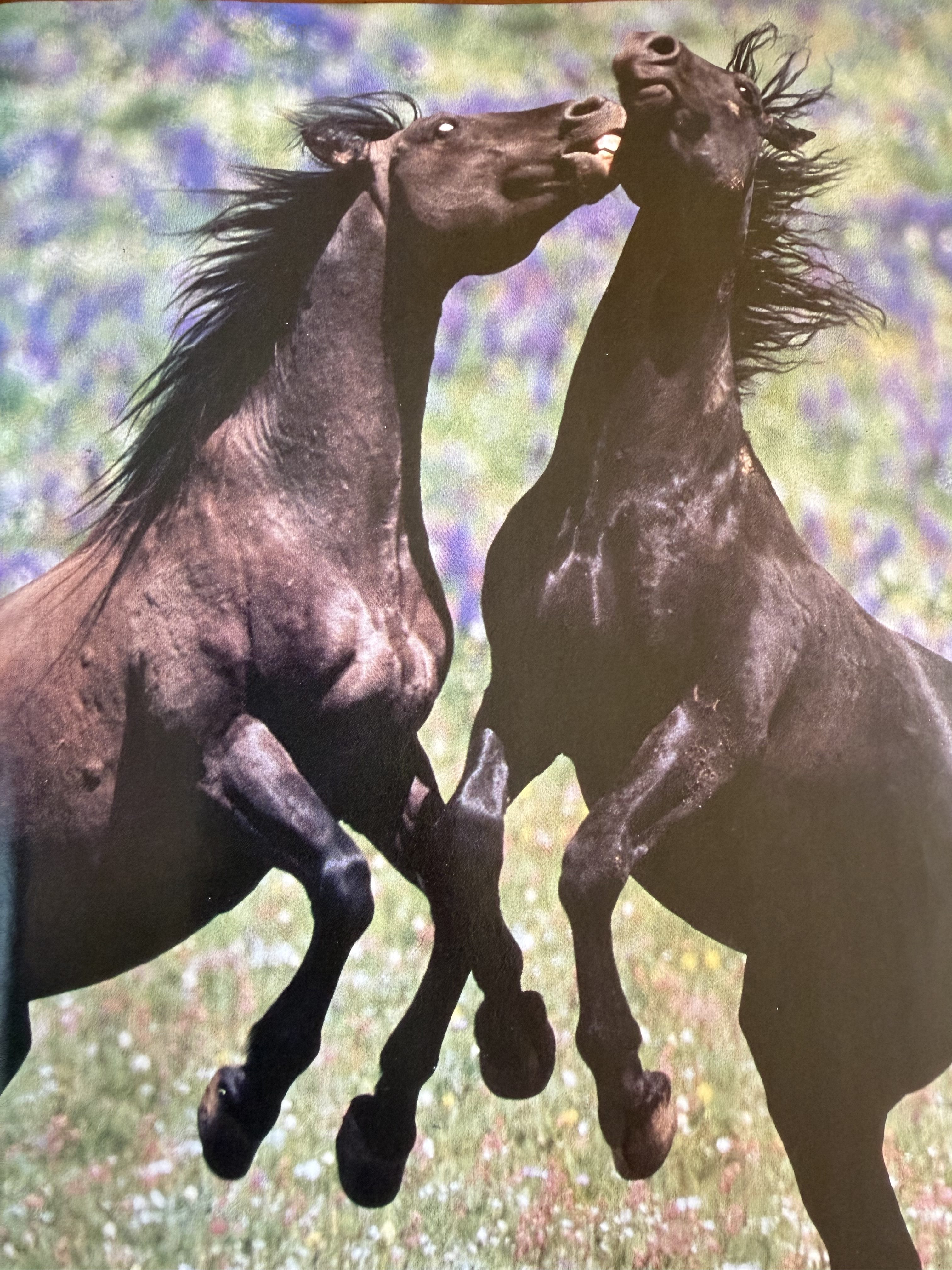
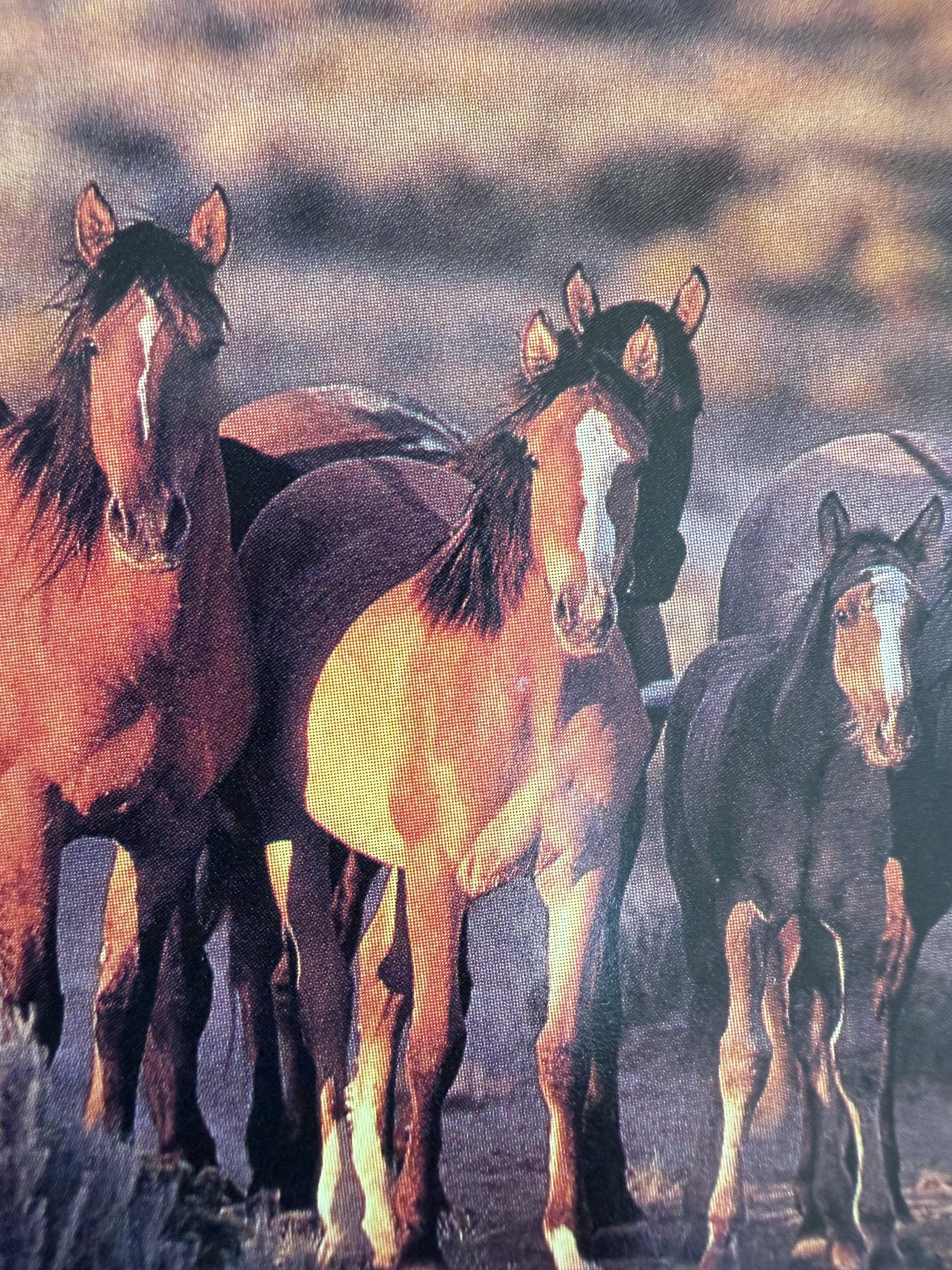
Photograph by Yva Momatiuk & John Eastcott, “Mustangs on the Move” Smithsonian, November 1997

Last Sunday, in honor of St. Francis of Assisi and because it was Holy Trinity Episcopal Church’s and the Almost Home Animal Shelter’s annual Blessing of the Animals Day, we sang a song in church, “All Things Bright and Beautiful.” The song “is an Anglican hymn, also sung in many other Christian denominations. The words are by Cecil Frances Alexander and were first published in her Hymns for Little Children of 1848.” All Things Bright and Beautiful – Wikipedia.
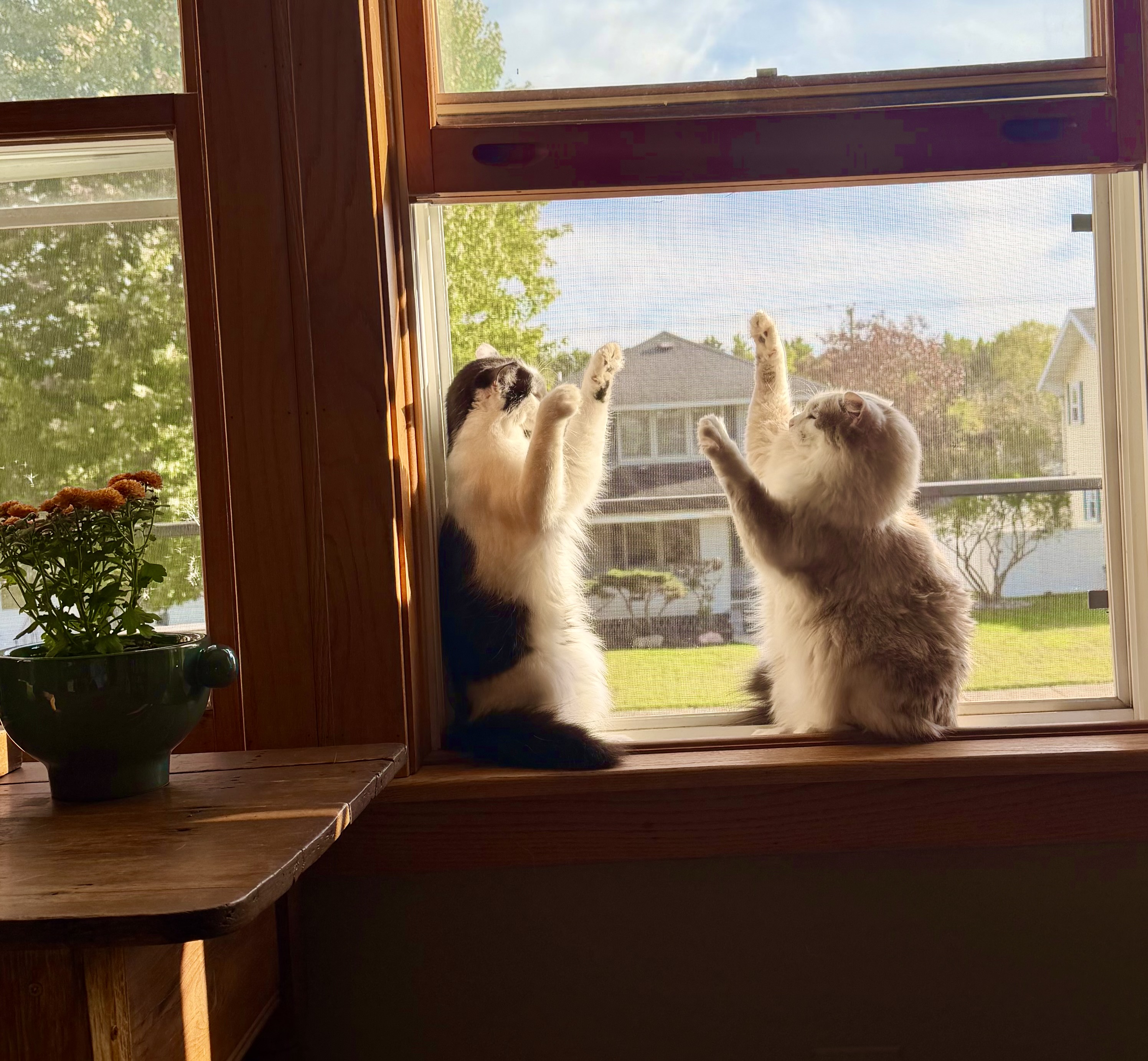
Scout and Gremlin, our own wild kittens of Nevada now domesticated in the U.P. I couldn’t help but notice the similarity to the Mustangs. (: My photo.

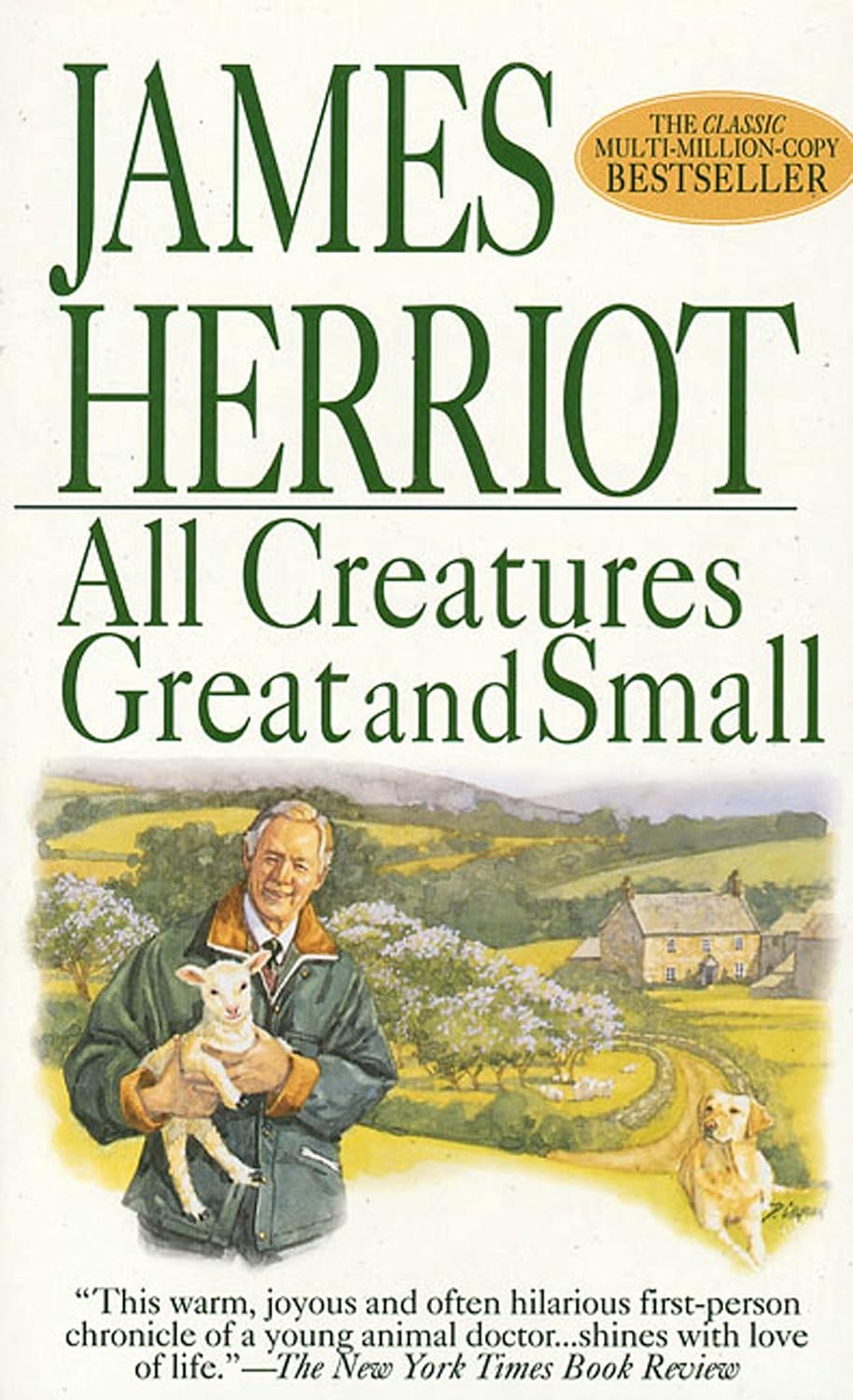
Not having been reared by churchgoers, my first reference to these words came from the wonderful James Herriot books I read as a teen, beginning with All Creatures Great and Small. Later, I learned there was a song. Yes, I was woefully undereducated! Anyway, after church I couldn’t stop thinking about the song, and about all the beautiful things in the world, and I went online to listen to various versions.
And then my mind and heart and writer’s brain led me back to Nevada, a state where I lived briefly as a child and then again from the autumn of 2020 until the spring of 2026, a state filled with many things bright and beautiful.

Living in Nevada, I often saw wild horses. I will never forget my first sight of them, a band of maybe nine or ten, their glossy dark flanks shining in the sun, tails and manes flying as they raced along the edge of the Truckee River down in the canyon below the freeway. I was on my way to my new home, still a part of the crowd of humans in the vehicles speeding away from Reno, going on to our disparate destinations, while just below, past a short guardrail and down a steep embankment, water sparkled, aspens glowed golden in the autumn sun, and the mustangs ran, as if in another world, a parallel universe. I was awestruck.

I moved to a remote area, far away from any freeway, and spotting wild horses became more familiar, though I would never call it common. The sight of them always caught me, tugged at me, seemed sacred. Yet, I soon learned that these horses are not entirely free. A number of them are rounded up by the Bureau of Land Management each year in an effort, according to the BLM, “to protect the health of the animals and health of our nation’s public rangelands. In some locations, the BLM also uses birth control to slow the growth of wild horse herds. Absent management and natural predators, wild horse herds can double in just 4-5 years and quickly outgrow the ability of the land to support them” Nevada – Gathers & Removals | Bureau of Land Management.
Photograph by Yva Momatiuk & John Eastcott, “Mustangs on the Move” Smithsonian November 1997

According to The Cloud Foundation, a Colorado non-profit that aims to protect wild herds, The BLM’s 2026 roundup plan targeted 14,830 wild horses and burros for removal, The Cloud Foundation. What happens during and after these roundups is beyond my ability to describe. There are many good sources of information on this topic online and through libraries. What I at first saw as a kindness to the animals I eventually came to see as something much more complex, and even, in its execution and outcome, cruel. I do not claim expertise.

Additionally, I learned that wild horses were not universally revered. Because I regarded them with awe, I expected everyone else would, too. Sort of like when a group of people are gathered together on a beach at sunset, you just assume everyone there appreciates the beautiful display in some similar fashion to the way you do. That’s why they are all taking pictures, right? It seems universal.

I suppose I should have known better, but I am often taken by surprise. I was absolutely stunned to learn that some people, people who loved the wild and lightly populated land of central Nevada—probably more than I as a newcomer ever could–did not see the breathtaking beauty of the wild horses, but instead saw “trash” animals, “no good for anything.” Or so I was told by an old cowboy not long after I arrived. I don’t know if his was a widely held opinion in the area. Frankly, that conversation so saddened me that I didn’t want to know.
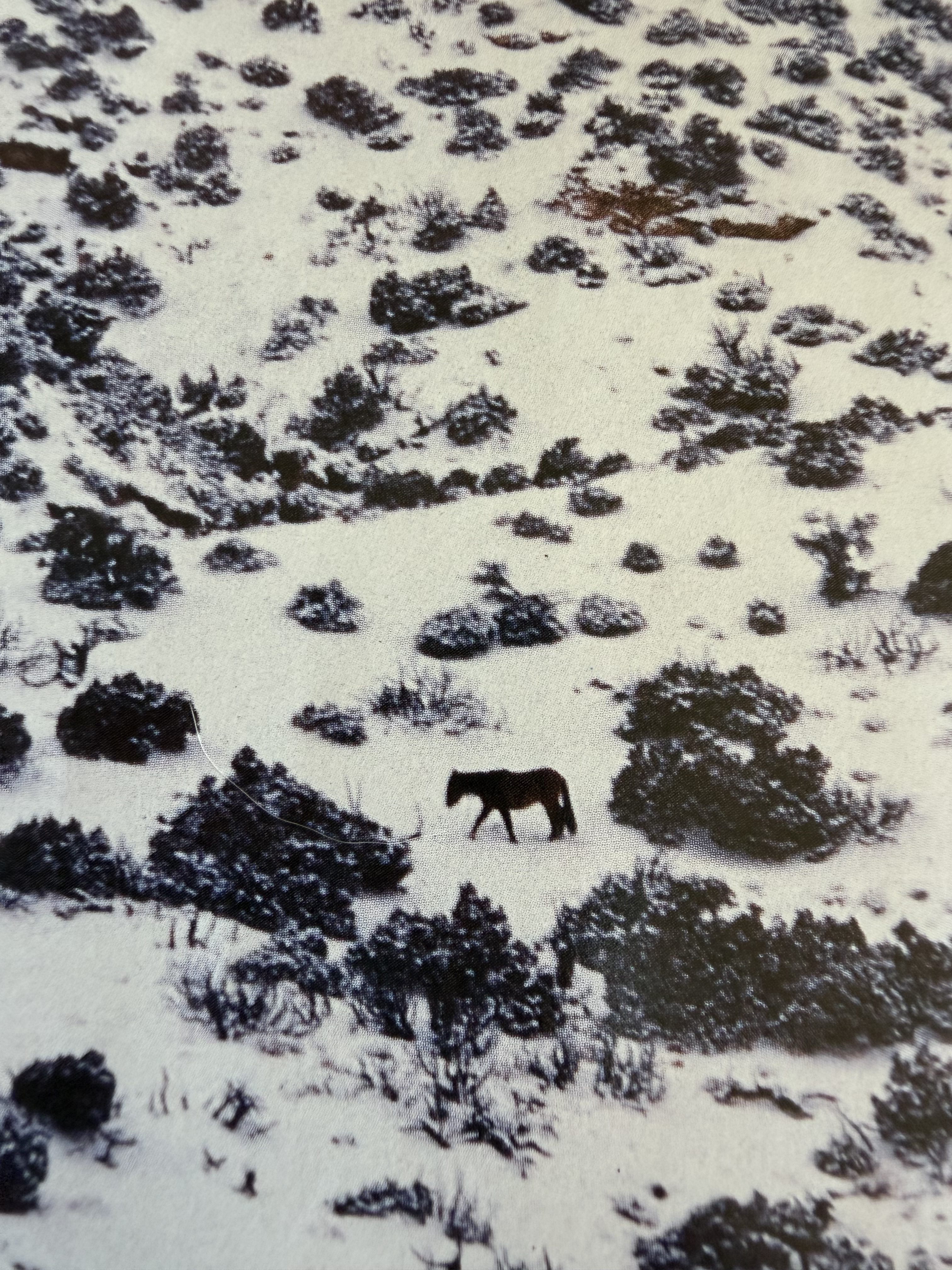
Photograph by Yva Momatiuk & John Eastcott, “Mustangs on the Move” Smithsonian, November 1997

I did some reading and came to the conclusion that, in this, as in so many other aspects, humanity is capable of great love, and also of perfect disdain. While some people care deeply about wildlife, others either take it for granted, see it as a hindrance, want to own it, dominate it, tame it, eat it, turn it into a trophy—or even downright despise it. I don’t understand it, don’t have the perspective needed to grasp it, because, some might say, I’ve never had to compete with another creature for land or food or water. Maybe that’s it. I don’t know.

When it comes to wild horses, I still wonder how anyone could not care about such gorgeous creatures, creatures whose only wish is to live? What other value do they need? What value does any creature need? The horse, the bear, the deer, the eagle, the salmon? And what value do flowers need? Or trees?

Sometimes life hurts. You may see the beauty around you with clear eyes, and that sustains you. I hope you do. Usually, these days, for me, that means noticing the splendor of nature. It is in nature that I seek solace, and also renewal. You may appreciate the beauty you find in nature, or in your child’s eyes, or in a piece of music, or a work of art, and revere it—yet still, you weep as I have. And sometimes, it is beauty itself that sparks the weeping. For me, today as I write this, the beauty I weep for is the beauty of the horses.

Here is a link to one of the Tabernacle Choir’s performances of “All Things Bright and Beautiful.” I hope you enjoy it.

And the lyrics:


All things bright and beautiful,
All creatures great and small,
All things wise and wonderful,
The Lord God made them all.

Each little flower that opens,
Each little bird that sings,
He made their glowing colours,
He made their tiny wings.
 

The rich man in his castle,
The poor man at his gate,
God made them, high or lowly,
And ordered their estate.

The purple-headed mountain,
The river running by,
The sunset and the morning,
That brightens up the sky.

The cold wind in the winter,
The pleasant summer sun,
The ripe fruits in the garden,−
He made them every one:

The tall trees in the greenwood,
The meadows where we play,
The rushes by the water,
We gather every day;−

He gave us eyes to see them,
And lips that we might tell,
How great is God Almighty,
Who has made all things well.

All things bright …

(Amen)

The United Church of Canada includes a fourth verse:[14]

The rocky mountain splendour,
The lone wolf’s haunting call,
The 
Great Lakes and the prairies,
The forest in the fall.

And here I am back in The Great Lakes, in the forest, in the fall.

Thank you, Lord God, for them all.

43 Comments

Filed under Gratitude, Nature, Personal History, Preservation, Uncategorized, Wildlife, Worship

Thirteen Days Early / Nevada, USA / Are These the Ides of March?

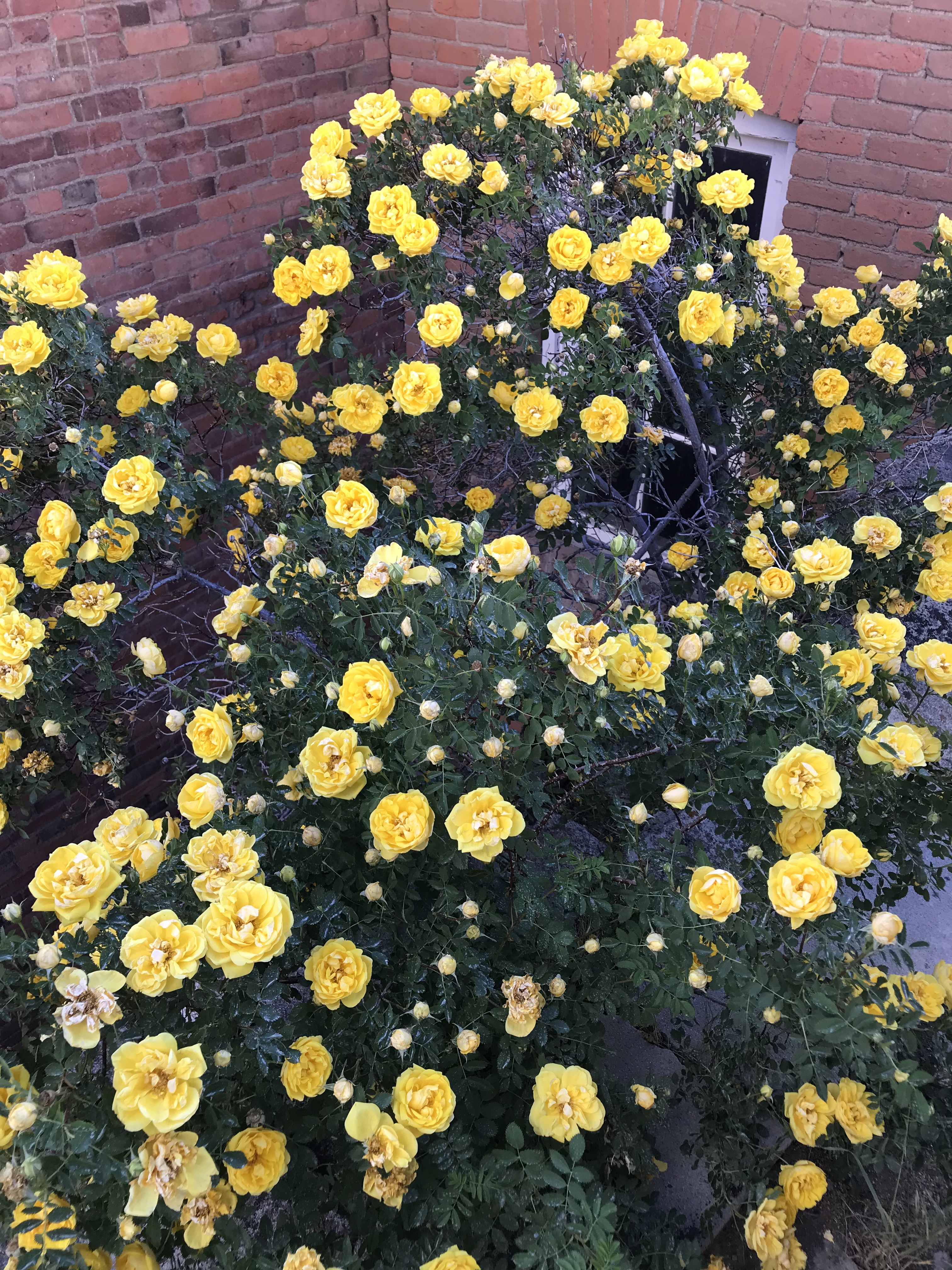
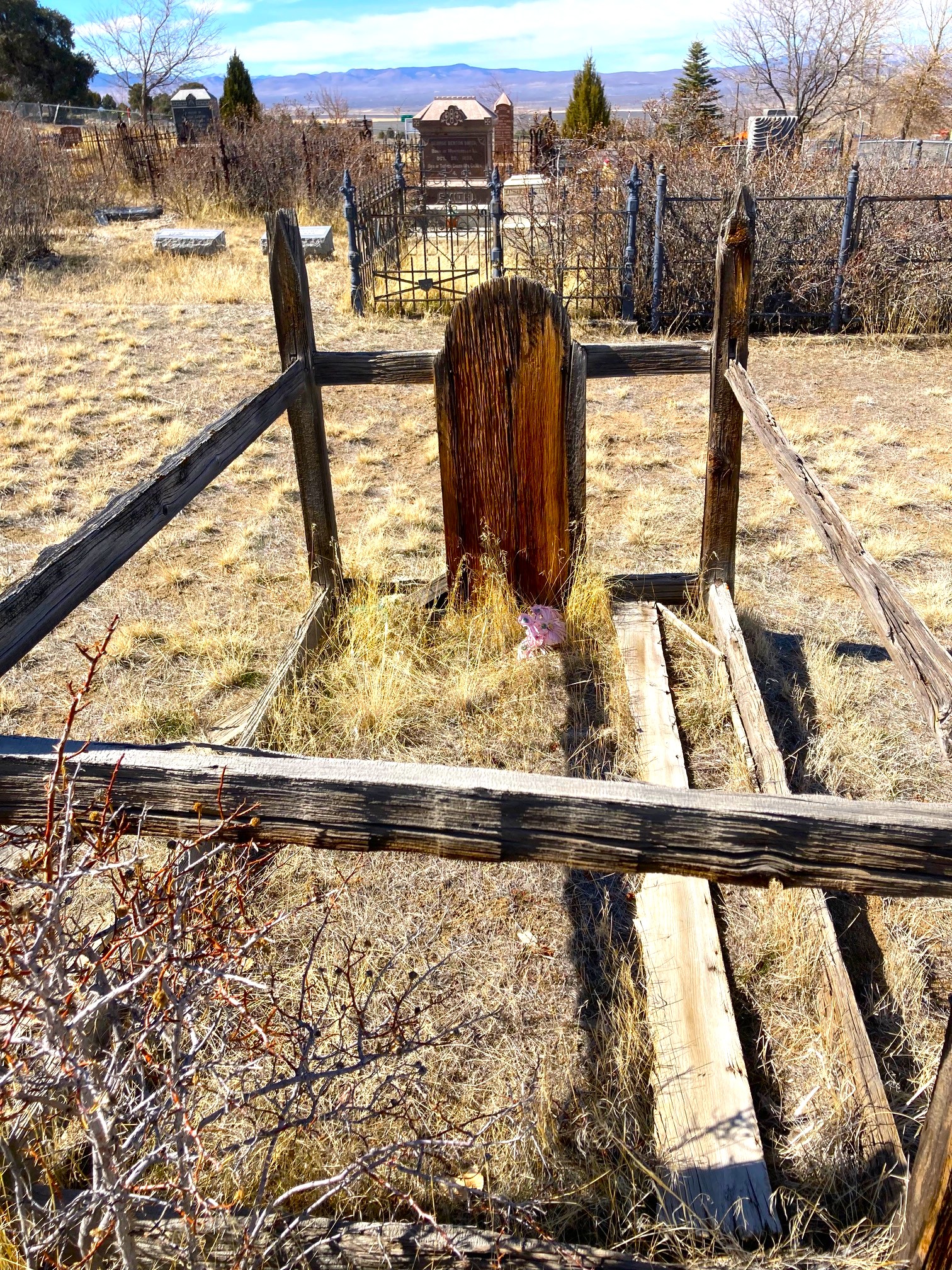
Austin, Nevada. Yesterday. A Walk Through the Cemetery. The thorny branches covering the grave will burst into bloom this summer. I find that comforting.
These are the same type of wild roses. This is the June bloom in our yard.

The “Ides of March,” is a day in the ancient Roman calendar that falls on March 15 and is associated with misfortune and doom. It became renowned as the date on which Roman dictator Julius Caesar was assassinated in 44 bce and was further immortalized in the tragedy Julius Caesar by English dramatist William Shakespeare. In the play, a soothsayer warns Caesar to “beware the Ides of March.”                Ostberg, René. “Ides of March”. Encyclopedia Britannica, 23 Oct. 2024, https://www.britannica.com/topic/Ides-of-March. Accessed 2 March 2025.

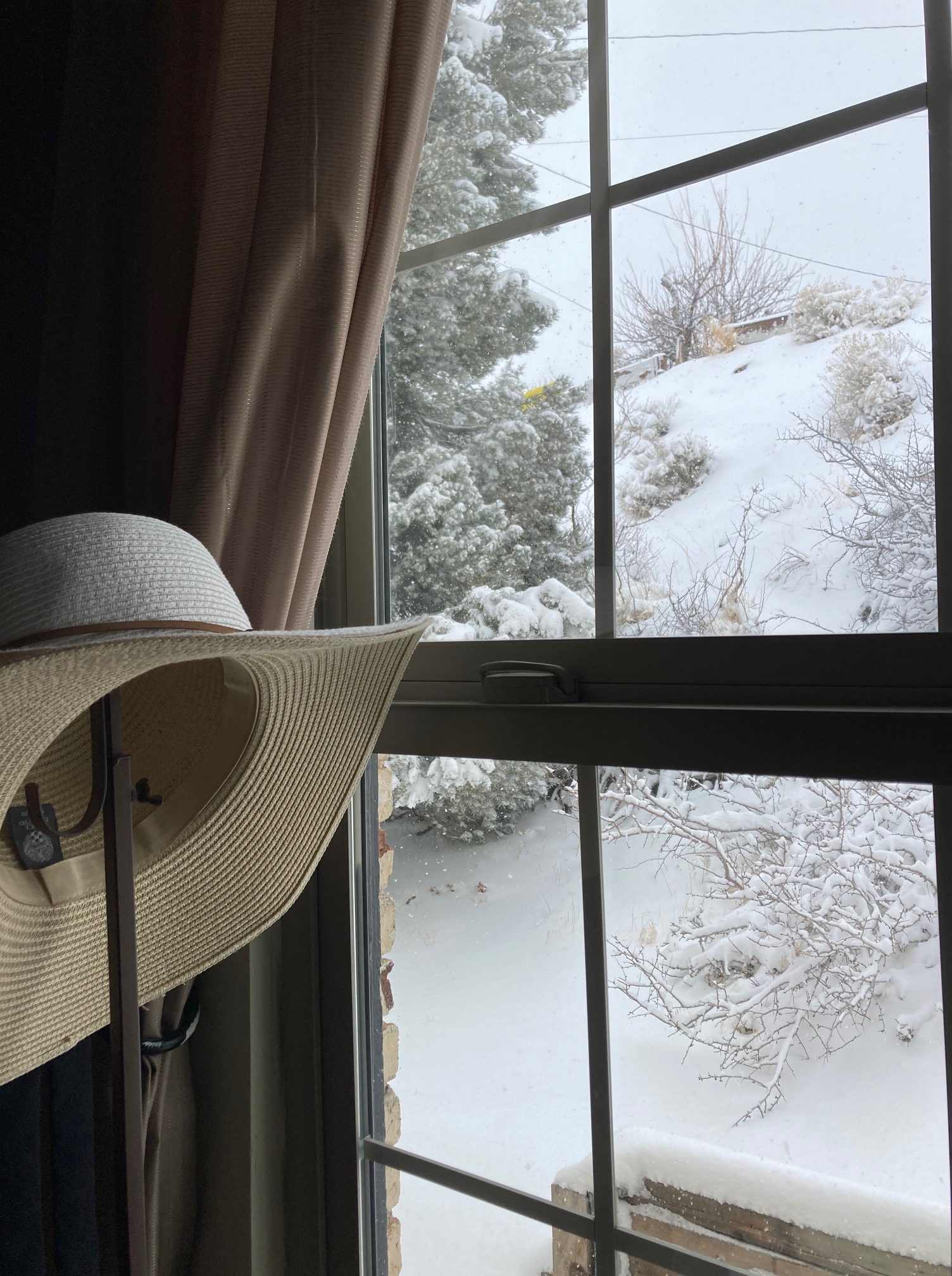
Yesterday, Austin, Nevada was bathed in sunshine and warm temperatures. Today Austin is buried in snow. It’s mostly awesome, not really a misfortune or doom, and we knew it was coming. Thank you, meteorologists!

Austin History, March 1, 2025
Austin Yesterday
Nearer My God To Thee, Nearer to Thee

We needed snow. We had a dry winter.

Today

As the snow continues . . .

Weather is life. No doubt this is the reason it is so often the topic of small talk. It’s life.

Weather is also death. I fear for our friend who left town just as the snow started, heading west on Highway 50 directly into its path.

And it affects all of us. Humans and nonhumans alike.

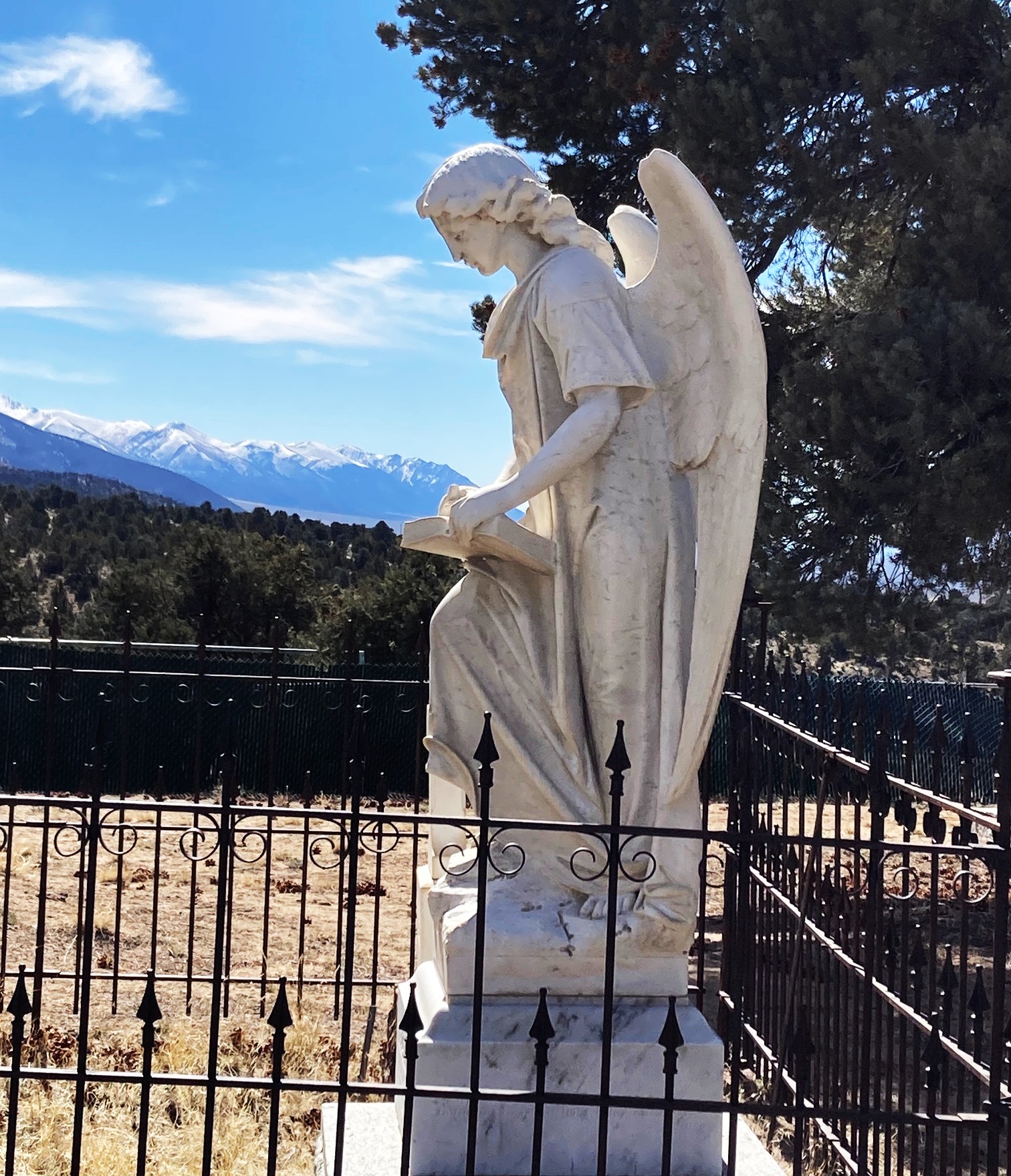
Here then is a tiny presentation of the weather in Austin, Nevada, USA, over a two-day period. Life and death. Ironic juxtaposition that the photos with elements of death are awash in sunshine? It was not intended. And that is telling.

It stopped snowing for a bit. But it’s starting again.

Whatever the weather where you are, I hope you are safe and always, always, rolling with the changes. Happy Spring–Soon!

9 Comments

Filed under Nature, Seasons, Uncategorized, Winter

Tracks in the Snow

This past week I read Tom Booth’s charming picture book, This is Christmas, at our December library story time. Of the seven young children in attendance, none of them thought they’d ever seen a chipmunk in our town/area. I have only lived here for four years and am no expert on the local wildlife, but I have spotted a few (very few) chipmunks. Never a squirrel though. This is the only squirrel-free zone I’ve ever lived in, and I can tell you it’s a bit unnerving. I can only surmise that the trees are too small (mostly pinion pine), the spaces in between them too distant, and the rain too infrequent to sustain squirrels. . . I’ve read that the forest in our mountain range, the Toiyabes, is referred to as a dwarf forest, because it’s in the shadow of the great Sierra Nevadas. That could be why I haven’t seen squirrels here, but I don’t really know. But I digress.

Anyway, here in Austin, Nevada, which is located in the center of the state and sits at 6,555 feet elevation, the mammals I’ve noticed include: some humans (not a lot!), many feral cats (a few of which now live inside my house, so they are not quite so feral these days), a plethora of mule deer, occasional groups of antelope and wild horses in the valley below, maybe two bunnies, and perhaps a dozen chipmunks.

So when I spotted these tracks in the snow on one of the trails outside town on today’s walk, I had to take a picture to show my library friends. Definitely, chipmunk prints, right?

Tiny and perfect little lightfooted creature prints compared to Mr. P’s boot.

So I came home and asked Mr. Googly what chipmunk prints look like and they look just like my picture, I think . . . but I guess they could be mouse prints, too, and come to think of it, I have seen a few mice over the past few years (sadly, they have usually been the victims of the aforementioned feral/not-so-feral cats).

Regardless! We had a lovely trail ride today, and the prints charmed us. I’ll definitely report my finding to my little library patrons and tell them to keep a sharp eye out for chipmunks.

It is after all, the little things.

Stay warm, and enjoy nature’s many gifts!

11 Comments

Filed under Books, Nature, Uncategorized, Winter

Embrace Autumn: October’s Beauty in Nature

Hello, October!

Suddenly the leaves turn red, yellow, and orange; the night temperatures dip into the thirties, and I enjoy sitting in my front yard both in the morning and the early evening. Ahhh . . . those morning coffees and evening wines . . .

The steeple front, right, is on the old Methodist church, now our community center. The steeple across the canyon (you may have to zoom in if the image is too small) is on St. George’s Episcopal church, where I attend. Sunday services have never stopped at St. George’s since the church opened in 1878.

Just a month ago it was much too hot to sit here for any length of time. It is an unusual yard, not yet shaded, one that we created by tearing down an old carport that covered the entire front of our old parsonage for sixty years. This reclaimed space has an incredible view of two one-hundred-plus-year-old church steeples and an impressive hillside on this, the northern end of our section of the Toiyabe Mountains, but no large trees yet. We have planted an oak, a cottonwood, and a blue spruce there, but they are small still.

That evening wine.

Our little town of Austin, Nevada is located in central Nevada’s sparsely-populated, history-rich Lander County in  “. . .the Toiyabe Range, a mountain range in Lander and Nye counties, Nevada, United States. The range is included within the Humboldt-Toiyabe National Forest. The highest point in the range is Arc Dome (11,788 feet, 3592 m), an area protected as the Arc Dome Wilderness. The Toiyabe Crest Trail runs along the Toiyabe Range for over 70 miles, and is one of the most challenging and secluded trails in the United States.”  U.S. Forest Service, www.fs.us.gov.

In October, we venture out on the mountain trails, we get supplies ready for the long winter to come, and we sit in quiet reverie, grateful for nature’s hush. Enjoying the splendor. Soon, it will be too cold to sit out here without a coat. Soon, there will be more time inside, tending the fire, cooking large pots of soups and stews, reading, and writing.

This gradual gathering of the special autumn light, the relish we feel as we take it in, and our own eventual inner-directed shift is a very great gift as the seasons change, I believe.

Mostly Marigolds! Some of my favorites.

Here is a poem of great beauty by John Keats on the season:

 “To Autumn”

Season of mists and mellow fruitfulness,

  Close bosom-friend of the maturing sun;

Conspiring with him how to load and bless

  With fruit the vines that round the thatch-eves run;

To bend with apples the moss’d cottage-trees,

  And fill all fruit with ripeness to the core;

    To swell the gourd, and plump the hazel shells

  With a sweet kernel; to set budding more,

And still more, later flowers for the bees,

Until they think warm days will never cease,

    For summer has o’er-brimm’d their clammy cells.

Who hath not seen thee oft amid thy store?

  Sometimes whoever seeks abroad may find

Thee sitting careless on a granary floor,

  Thy hair soft-lifted by the winnowing wind;

Or on a half-reap’d furrow sound asleep,

  Drowsed with the fume of poppies, while thy hook

    Spares the next swath and all its twined flowers:

And sometimes like a gleaner thou dost keep

  Steady thy laden head across a brook;

  Or by a cider-press, with patient look,

    Thou watchest the last oozings, hours by hours.

Where are the songs of Spring? Ay, where are they?

  Think not of them, thou hast thy music too,—

While barred clouds bloom the soft-dying day,

  And touch the stubble-plains with rosy hue;

Then in a wailful choir the small gnats mourn

  Among the river sallows, borne aloft

    Or sinking as the light wind lives or dies;

And full-grown lambs loud bleat from hilly bourn;

  Hedge-crickets sing; and now with treble soft

  The redbreast whistles from a garden-croft,

    And gathering swallows twitter in the skies.

Written September 19, 1819; first published in 1820. This poem is in the public domain.

Hello, October! And Welcome!

7 Comments

Filed under Nature, poetry, Reading, Seasons, Uncategorized