Category Archives: Personal History

Dayenu

One of my oldest friends called me last week. I’d been having a rough time and had withdrawn in a way that only a very close friend would recognize. I’d still been “in touch” with her, but I was withholding, and she could tell. She called, and I don’t remember exactly what she said, but her voice was soft and patient and expectant. She made it possible for me to reveal my heartache and gave me time to say the things out loud that I hadn’t been able to say.

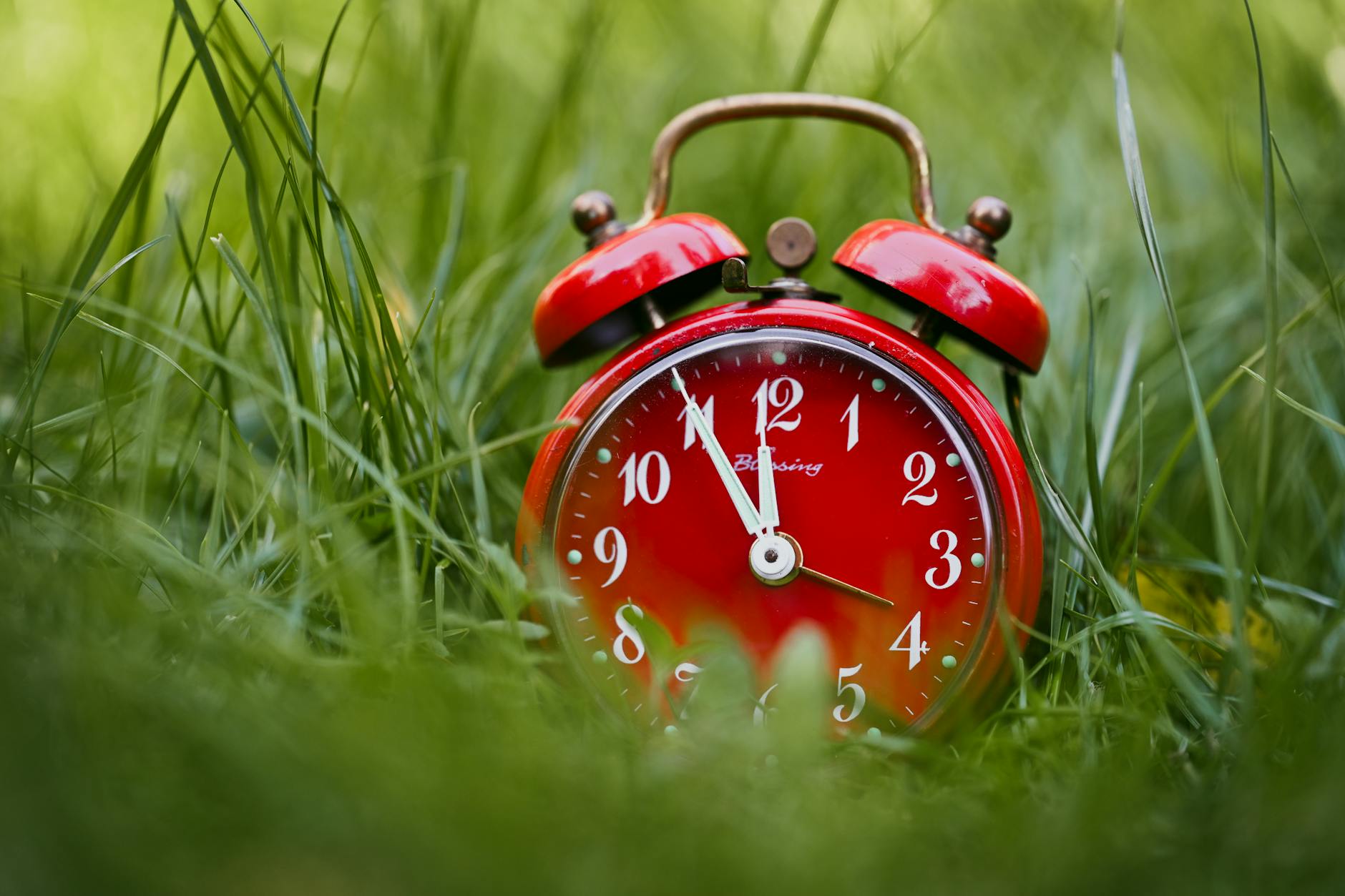
Photo by Anna Shvets on Pexels.com

Dr. Gerald Stein in his post, “Why the Clock is Essential in Therapy (and Relationships)”  (https://drgeraldstein.wordpress.com), discusses that making time for “tender issues…  can be like a dance, the partners move together as if choreographed…”, and that is what my friend did for me. She didn’t try to stop my tears or give me advice. It was like a dance in a way, or maybe like a prayer. Total acceptance and love.

Photo by Alexas Fotos on Pexels.com

After a while my breathing settled and we continued our conversation. She told me about “Dayenu,” the prayer and Passover seder song that tells the story of Exodus. The melody of the song is joyous and upbeat, a list of fifteen things God did for the Jews, anyone of which, they say, would have been enough for them. Sefaria Library’s reading of the text begins “How much good, layer upon layer, the omnipresent has done for us. Had He brought us out of Egypt without bringing judgment upon [our oppressors], that would have been enough for us.”

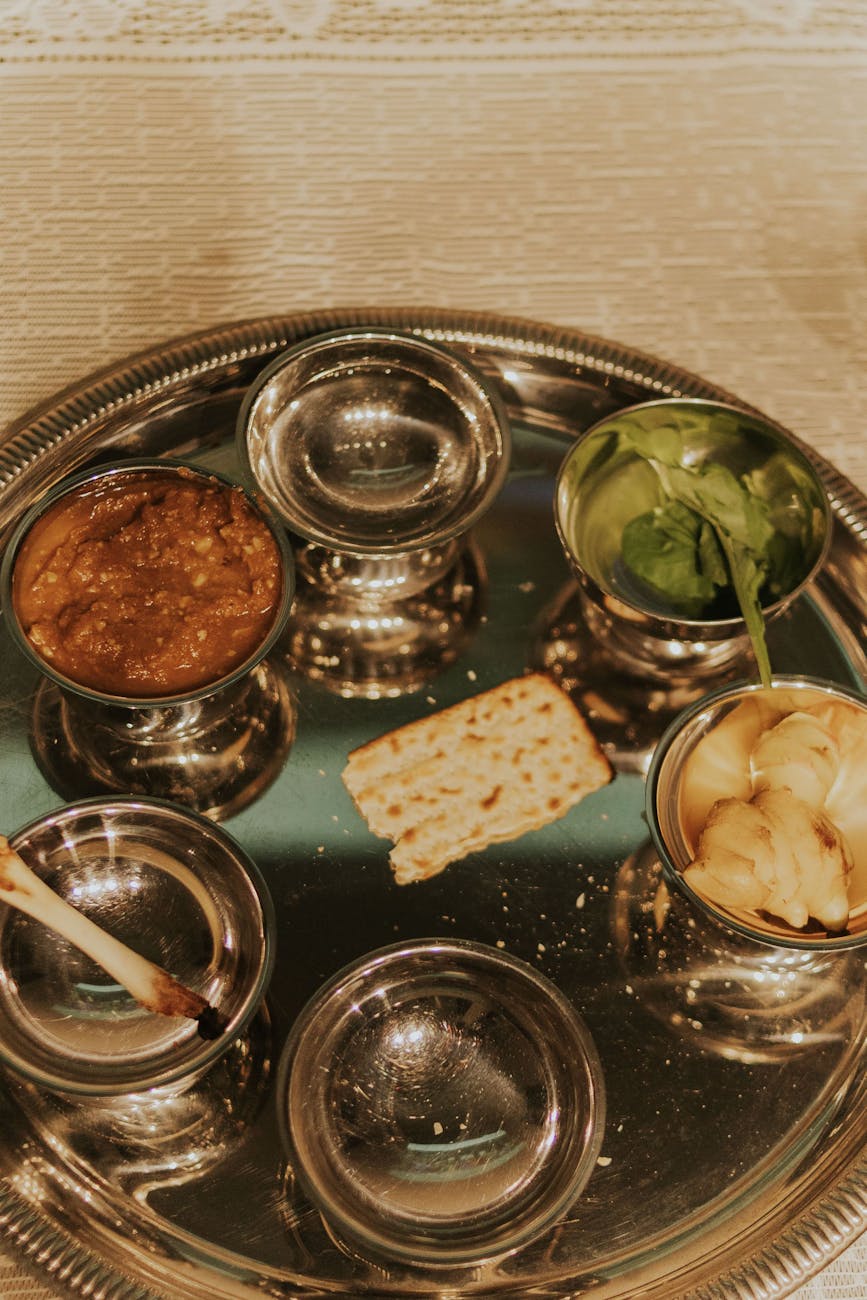
Traditional Seder Plate with Symbolic Foods for Passover- Pexels Free Photos

It would have been enough. Dayenu is a prayer of gratitude, but, she intimated (or perhaps I misunderstood and twisted it to suit my own situation), that sometimes the word Dayenu can also be used as a cleansing release. I don’t want to be disrespectful. But when I think of her saying “Dayenu! Enough!” I feel a little better.

Unlike my friend, I wasn’t raised in any specific faith. Though I believe my divorced parents were given religious instruction, I think my dad more than my mom, they did not, evidently, feel the need to share it with their progeny.

Why not? I’ve wondered. Parsing that is loose. My grandfathers died long before I was born, and one of my grandmothers died when I was a baby. The only grandparent I knew was my mom’s mom who died when I was nineteen. Sadly, I didn’t see her enough, nor know what to ask her about when I did. And for some reason, religion wasn’t much spoken of in my childhood, unless you took the Lord’s name in vain. That was frowned upon, unless Mom was really angry, in which case, she couldn’t be held to account. Dad never lost his temper and never cursed, so there wasn’t a lot of reason, I guess, for him to even bring up sin or religion or God. Anyway, Mom and Dad didn’t live together after I was four-years-old, so I would never be a member of a traditional united family like the ones I fantasized about.

Openverse, New York Public Library (Obviously I had very grand and old-fashioned fantasies about family life–I read a lot!)

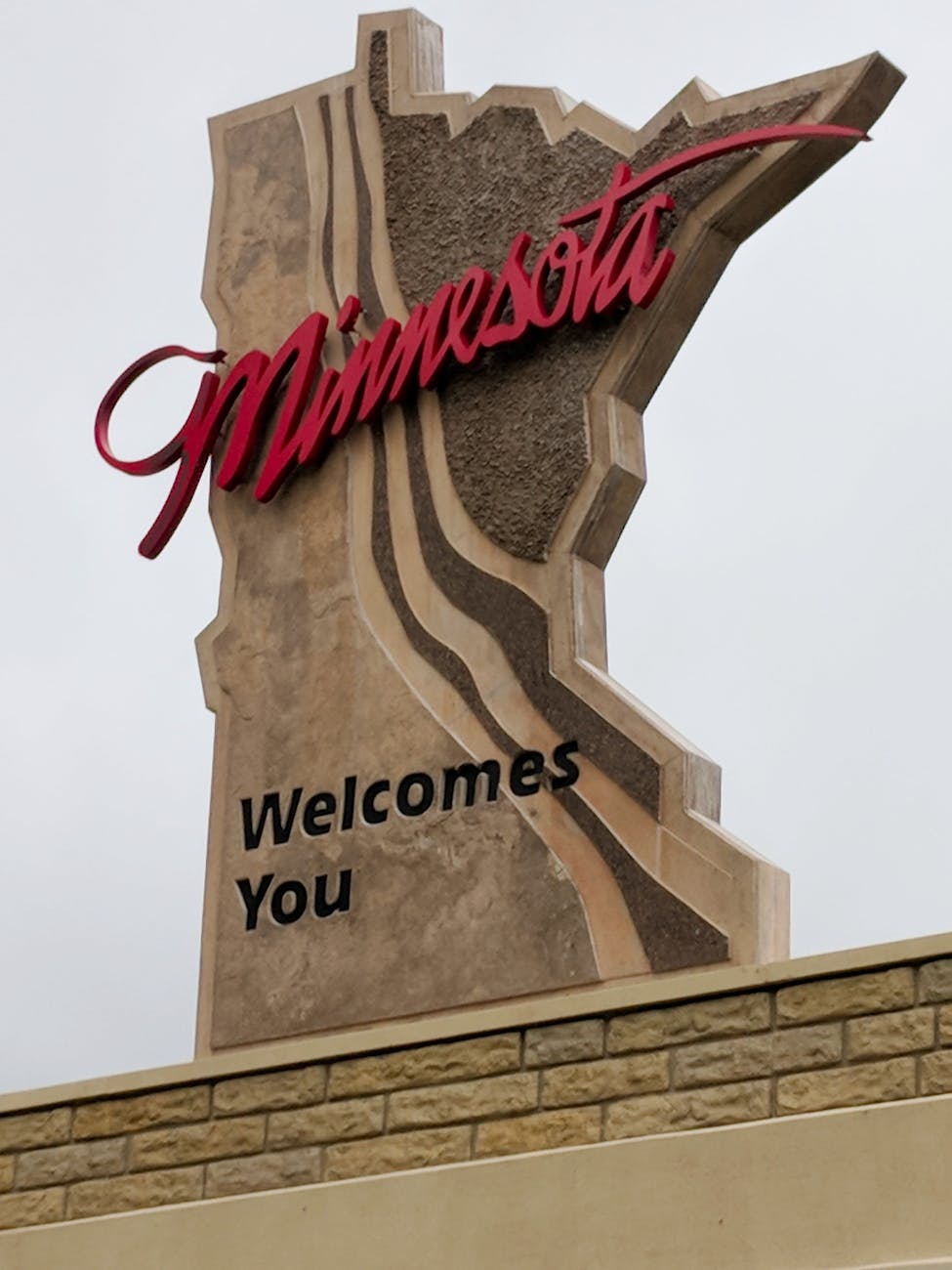
I know Dad attended a Methodist church growing up in Chicago, and that his widowed librarian mother was a model of decorum, and that, in the 1920’s and ‘30s meant adherence to social norms such as church attendance. I’m not sure whether Mom was taken to church as a child, but given the times, I imagine she was at least exposed. Her upbringing was less city, less refined than Dad’s. Mom grew up in Faribault, Minnesota with a terminally ill father she adored, a Swedish immigrant who was bedridden by the time she was of school age, and her mother worked many hours a week to support the family. There were eight children, but by the time Mom came along several of them had left home. It wasn’t a farm, so it wasn’t as if the siblings had a reason to stay once they reached maturity, though I believe several of her older brothers helped contribute to the family income.

Both of my grandmothers worked outside the home, which I used to think was somewhat unusual, but now I know women have always worked in all kinds of ways other than homemaking. It just didn’t get reported. Women’s contributions have always been underrepresented in American society. For me, born in the 1950s and growing up in the 1960s and early 70s, it was normal to think that women had always been home. I grew up watching The Donna Reid Show, I Love Lucy and Leave it to Beaver. Sitcoms regularly featured women as married and caring for husbands and children, even if the woman happened to be a witch, as in Samantha of Bewitched. It was the ideal. Only a rare few Katherine Hepburn types, charming enough, but come on, not really practical, lived independent lives or made money of their own. That’s what we were told. I mean neither of my grandmothers was even allowed to vote when they were young, but they were allowed to work to support their families.

Dad’s father, a Scottish immigrant, died when Dad was four. Dad’s only sibling died at age twelve, and his spinster aunt, a seamstress, lived with them, bringing in an extra bit of income and caring for my dad (now an only child) while his mother worked, so even though it was the Great Depression and the family had experienced horrible loss, between his mother and his aunt, things stayed afloat. Dad was well looked after, educated, participated in church and school activities, and was enrolled in a pre-med program at college before WWII changed everything. Mom, on the other hand, didn’t, couldn’t, get the same amount of attention and help. When would her mother who cooked and cleaned and cared for other people and other people’s children probably for most of the day and most of the night, day after day without reprieve have had the time to take my mom to church?

Mom didn’t talk about it. Both of my parents claimed to believe in God and considered themselves Christian, and I believed them, but it was sort of incidental. God was why you didn’t lie or cheat or hurt others. Jesus was why we had Christmas and Easter. Despite their professed faith, both of them shunned churches and had little good to say about people who attended them. Organized religion, Dad said, had caused most of the world’s problems. Mom was less philosophical. She just didn’t care for their “holier than thou” ways. I was left to find my own path if I so desired, but was never given any formal, or indeed informal, religious education.

It took me a long time, with a lot of detours, to begin to travel my own spiritual path, and I haven’t been exactly good at it, but in my own halting way I’ve touched—not held, but touched, fragments of comfort, peace, and wonder over the years. The ways grace arrived for me are varied. A Lutheran friend. A Jewish friend. A Latter-Day Saints friend. A longing to give something lasting to my children. A church bell, and then another, and another. Calls to worship. Two Presbyterian congregations, one large and one small. One Episcopal congregation, tiny. A community where different faiths worked together. Health scares. Reading. Love. All of these. And Prayer. Something I always did, instinctively. Prayer.

I was surprised to find handwritten prayers in Dad’s bedside table drawer when he died. A nightly prayer list, it appeared. All beautifully written, eloquently phrased personal prayers for me and my brother and our families.

So Dad prayed, too, more than I knew.

Perhaps that was enough.

Thank you for reading, and my hopes for you today are these—may you have enough friendship, enough time, and the opportunity to grow in love and joy in all the ways that fill you.

Fragonard, Reader Jean-Honoré Fragonard“/ CC0 1.0

Here is a link to a performance of “Dayenu” from Park Avenue Synagogue: Cantors Trio: Dayenu (Passover Song)

And here are the lyrics in Hebrew and English from from Sefaria Library at http://www.sefaria.org:

אִלּוּ הוֹצִיאָנוּ מִמִצְרַיִם וְלֹא עָשָׂה בָהֶם שְׁפָטִים, דַּיֵּנוּ

Magid, Dayenu

כַּמָה מַעֲלוֹת טוֹבוֹת לַמָּקוֹם עָלֵינוּ!

כַּמָּה מַעֲלוֹת טוֹבוֹת HOW MUCH GOOD,
LAYER UPON LAYER,
THE OMNIPRESENT HAS DONE FOR US:

אִלּוּ הוֹצִיאָנוּ מִמִּצְרַיִם וְלֹא עָשָׂה בָהֶם שְׁפָטִים, דַּיֵּנוּ.

Had He brought us out of Egypt
without bringing judgment upon
[our oppressors],
that would have been enough for us.

אִלּוּ עָשָׂה בָהֶם שְׁפָטִים, וְלֹא עָשָׂה בֵאלֹהֵיהֶם, דַּיֵּנוּ.

Had He brought judgment upon them
but not upon their gods,
that would have been enough for us.

אִלּוּ עָשָׂה בֵאלֹהֵיהֶם, וְלֹא הָרַג אֶת־בְּכוֹרֵיהֶם, דַּיֵּנוּ.

Had He brought judgment upon their gods
without killing their firstborn sons,
that would have been enough for us.

אִלּוּ הָרַג אֶת־בְּכוֹרֵיהֶם וְלֹא נָתַן לָנוּ אֶת־מָמוֹנָם, דַּיֵּנוּ.

Had He killed their firstborn sons
without giving us their wealth,
that would have been enough for us.

אִלּוּ נָתַן לָנוּ אֶת־מָמוֹנָם וְלֹא קָרַע לָנוּ אֶת־הַיָּם, דַּיֵּנוּ.

Had He given us their wealth
without splitting the sea for us,
that would have been enough for us.

אִלּוּ קָרַע לָנוּ אֶת־הַיָּם וְלֹא הֶעֱבִירָנוּ בְתוֹכוֹ בֶּחָרָבָה, דַּיֵּנוּ.

Had He split the sea for us
but not brought us through it dry,
that would have been enough for us.

אִלּוּ הֶעֱבִירָנוּ בְתוֹכוֹ בֶּחָרָבָה וְלֹא שִׁקַּע צָרֵנוּ בְתוֹכוֹ דַּיֵּנוּ.

Had He brought us through [the sea] dry
without drowning our enemies in it,
that would have been enough for us.

אִלּוּ שִׁקַּע צָרֵנוּ בְתוֹכוֹ וְלֹא סִפֵּק צָרְכֵּנוּ בַּמִדְבָּר אַרְבָּעִים שָׁנָה דַּיֵּנוּ.

Had He drowned our enemies in it
without providing for our needs
for forty years in the desert,
that would have been enough for us.

אִלּוּ סִפֵּק צָרְכֵּנוּ בַּמִּדְבָּר אַרְבָּעִים שָׁנָה וְלֹא הֶאֱכִילָנוּ אֶת־הַמָּן דַּיֵּנוּ.

Had He provided for our needs
for forty years in the desert,
without feeding us with manna,
that would have been enough for us.

אִלּוּ הֶאֱכִילָנוּ אֶת־הַמָּן וְלֹא נָתַן לָנוּ אֶת־הַשַּׁבָּת, דַּיֵּנוּ.

Had He fed us with manna
without giving us Shabbat,
that would have been enough for us.

אִלּוּ נָתַן לָנוּ אֶת־הַשַּׁבָּת, וְלֹא קֵרְבָנוּ לִפְנֵי הַר סִינַי, דַּיֵּנוּ.

Had He given us Shabbat
without drawing us close
around Mount Sinai,
that would have been enough for us.

אִלּוּ קֵרְבָנוּ לִפְנֵי הַר סִינַי, וְלא נָתַן לָנוּ אֶת־הַתּוֹרָה. דַּיֵּנוּ.

Had He drawn us close around Mount Sinai
without giving us the Torah,
that would have been enough for us.

אִלּוּ נָתַן לָנוּ אֶת־הַתּוֹרָה וְלֹא הִכְנִיסָנוּ לְאֶרֶץ יִשְׂרָאֵל, דַּיֵּנוּ.

Had He given us the Torah
without bringing us to the land of Israel,
that would have been enough for us.

אִלּוּ הִכְנִיסָנוּ לְאֶרֶץ יִשְׂרָאֵל וְלֹא בָנָה לָּנוּ אֶת־בֵּית הַבְּחִירָה דַּיֵּנוּ.

Had He brought us to the land of Israel
without building for us
the House He chose
that would have been enough for us.

עַל אַחַת, כַּמָה וְכַמָה, טוֹבָה כְפוּלָה וּמְכֻפֶּלֶת לַמָּקוֹם עָלֵינוּ: שֶׁהוֹצִיאָנוּ מִמִּצְרַיִם, וְעָשָׂה בָהֶם שְׁפָטִים, וְעָשָׂה בֵאלֹהֵיהֶם, וְהָרַג אֶת־בְּכוֹרֵיהֶם, וְנָתַן לָנוּ אֶת־מָמוֹנָם, וְקָרַע לָנוּ אֶת־הַיָּם, וְהֶעֱבִירָנוּ בְתוֹכוֹ בֶּחָרָבָה, וְשִׁקַּע צָרֵנוּ בְתוֹכוֹ, וְסִפֵּק צָרְכֵּנוּ בַּמִדְבָּר אַרְבָּעִים שָׁנָה, וְהֶאֱכִילָנוּ אֶת־הַמָּן, וְנָתַן לָנוּ אֶת־הַשַּׁבָּת, וְקֵרְבָנוּ לִפְנֵי הַר סִינַי, וְנָתַן לָנוּ אֶת־הַתּוֹרָה, וְהִכְנִיסָנוּ לְאֶרֶץ יִשְׂרָאֵל, וּבָנָה לָּנוּ אֶת־בֵּית הַבְּחִירָה לְכַפֵּר עַל־כָּל־עֲוֹנוֹתֵינוּ.

52 Comments

Filed under Family, Personal History, Reading, Relationship, Uncategorized, Work

Books Get Me Through The Great Alone

It’s been two weeks since I left Nevada and one week since I arrived at my new Michigan home. All of these days have been solo; I drove alone, I arrived alone to an empty house, I spend my days here alone. There’s a theme building . . . For now!

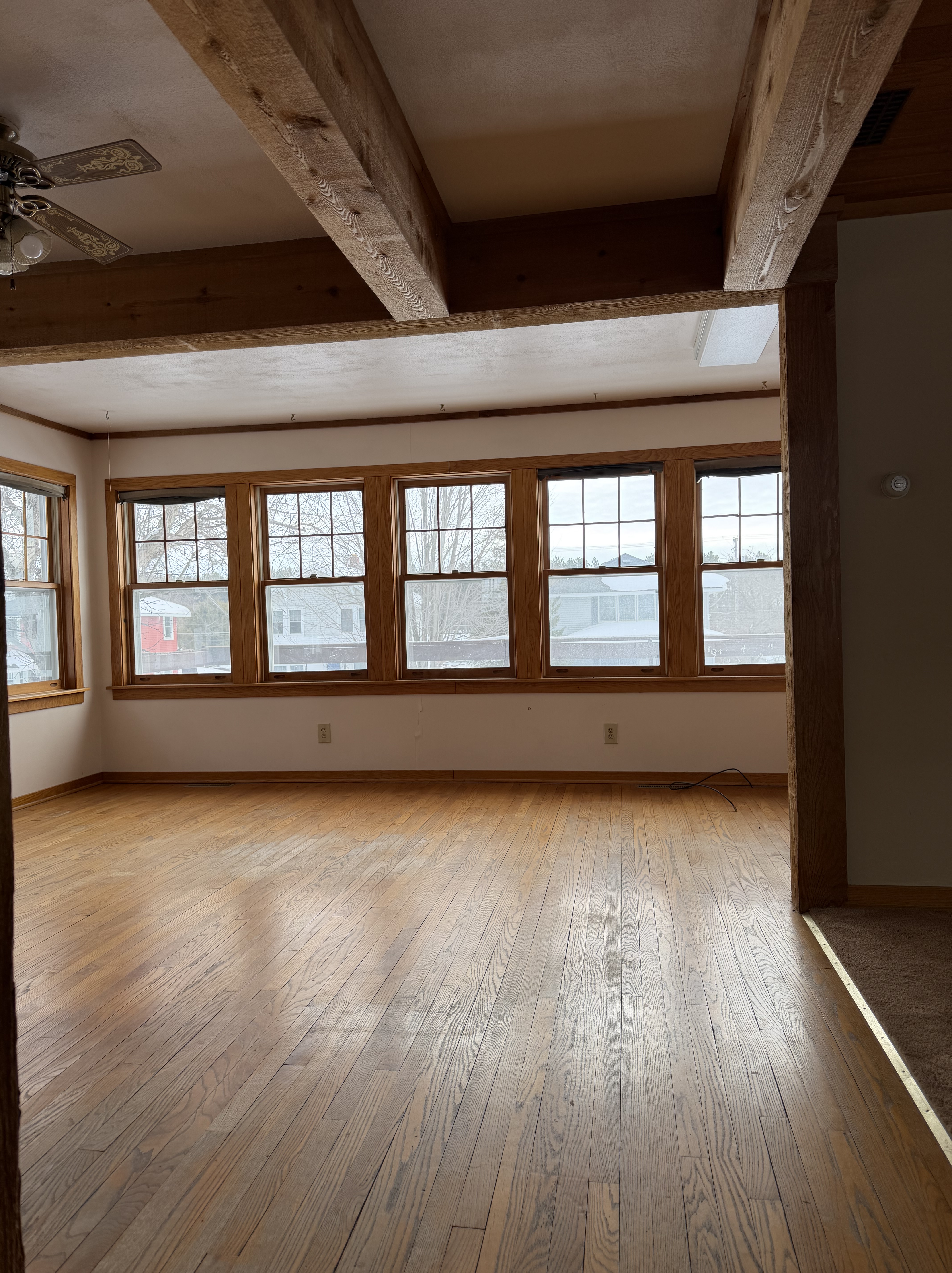
The Way In

But husband and kitties will be joining me soon.

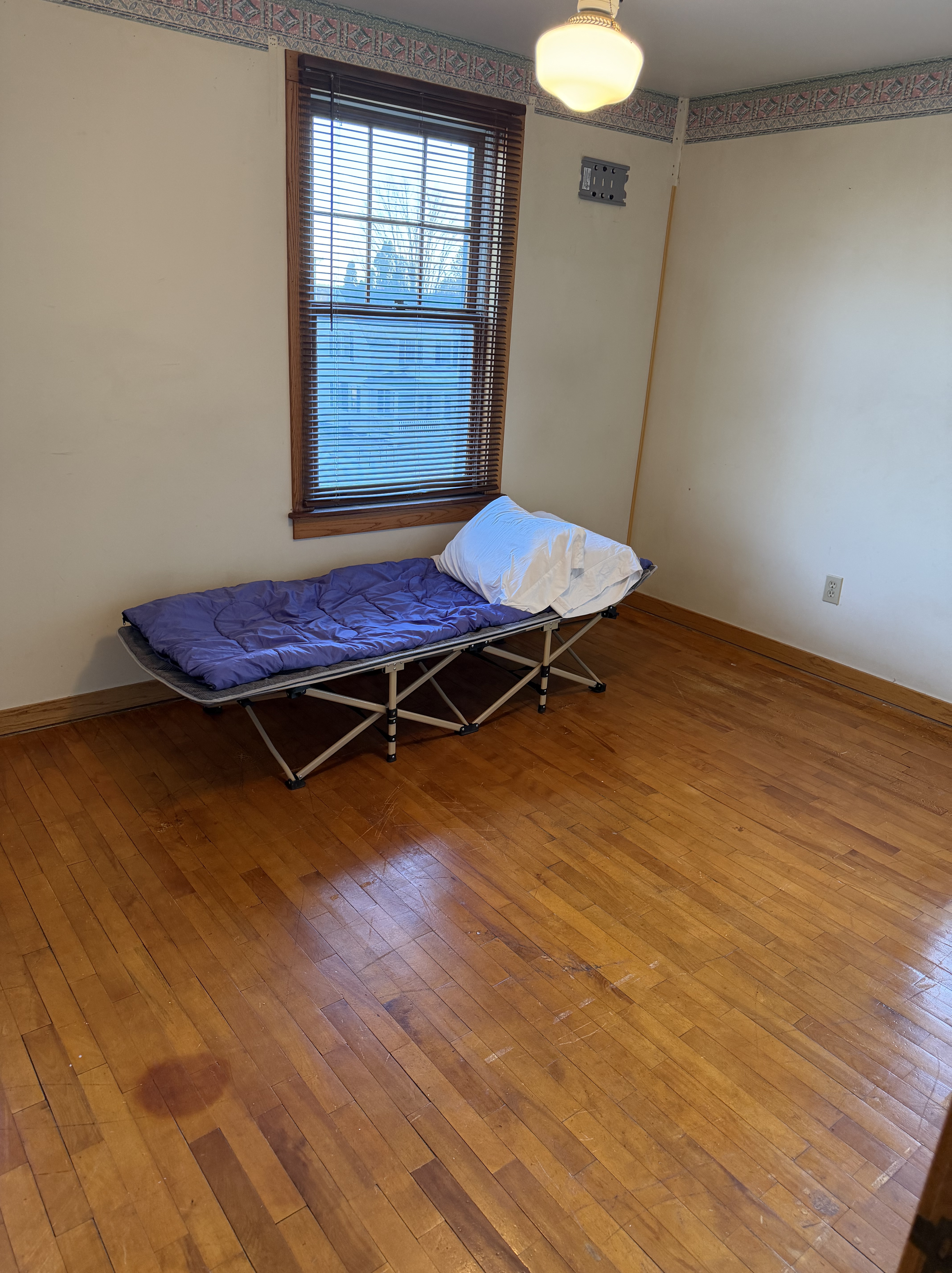
The Dreaded Cot (I do not love it)
A Lonely Room (but I love it!)

As an introvert, this hasn’t been particularly tough. I love people, but I also love solitude. I just got the internet yesterday, and that’s fun because now I can write and publish my writing more easily. No TV here yet. No furniture to speak of. I have one little lamp table that fit in my car, a folding camp chair, and a cot. That’s it. Everything else will come in the moving van next week. So, what do I do all day?

I clean and I read. Often, at the same time, by listening to audiobooks using the Libby library App. One of the books I’ve enjoyed so far during this extended period of solitude is aptly The Great Alone by Kristin Hannah. It’s a tough book about a tough time and a tough place, but I liked it. Alaska in the 1970s, mental illness, abuse . . . it’s got it all, but it isn’t only that, of course. It’s also a book filled with nostalgia, love, and the awesomeness of nature.

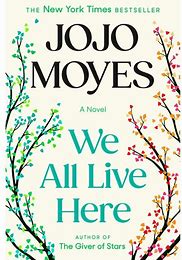
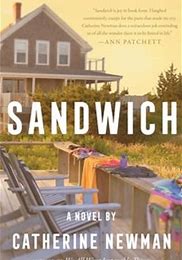
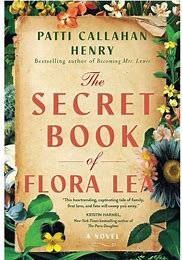
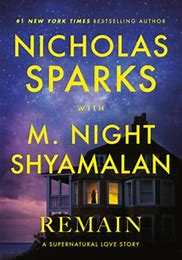
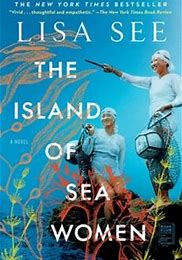
Other books I read either just prior to moving, during the drive, or since my arrival are: We All Live Here, Moyes; Sandwich, Newman; The Secret Book of Flora Lea, Henry; Remain, Spark and Shyamalan; The Missing Half, Flowers and Kiester; and currently, The Island of Sea Women, See. Each book has its merits.

I found both We All Live Here and Sandwich charming and humorous. Both are light, contemporary novels with women protagonists wrestling with life changing events and the love of family.

The Secret Book of Flora Lea took me to one of my favorite historical settings, World War II England, in the countryside and also to London in the 1960s. It’s a delightful book about sisters, families, love, and the importance of stories.

Remain and The Missing Half are mysteries, with Remain being the more entertaining of the two for me. The Missing Half helped pass the time, but Remain’s ghostly love story captivated me at times, including during several memorable scenes that made me shiver.

And now I’m listening to The Island of Sea Women. It’s taken me to a part of the world I know very little about, which I love, because I am learning so much. It’s set in Korea from the story’s beginning in the 1930s and will move through the war years and take me to the present day. It’s about women sea divers (an amazing group of female divers who earn the money for their families while their husbands care for the children), and it’s the story of two friends Mi-ja and Young-sook.   

As you can see, I’ve not been alone, not really, for I’ve been traveling through time and place along with the characters created by the authors of these varied and appealing novels, carried away by their stories. It’s a kind of magic really, the way a reader lives both inside and outside of a book—simultaneously in the room, and also somewhere else far away.

I love this line about reading from Stephen Chbosky from his young adult novel, The Perks of Being a Wallflower:

“Sometimes, I read a book, and I think I am the people in the book.”

Exactly.

61 Comments

Filed under Authors, Books, Commentary, Fiction, HIstorical Fiction, Home, Identity, Literary Fiction, Nature, Personal History, Reading, Uncategorized, Winter, World War II

“Life Meanders Like a Path Through the Woods” -Katherine May

Great Basin National Park (I think!), my photo

Another goodbye. This old house, the one we have loved and labored over for the past five years, is sold and we are looking for a new place to live, spending countless hours exploring our options. We are moving primarily to get closer to health care, but it isn’t just that. There are many people who fight to remain here, in this isolated little town, even when they clearly need to get closer to a hospital and/or access to a grocery store, a home health care aide, or other support systems, but those are people with roots and years of memories and attachments to the place that I don’t have. They have always belonged here.

Sometimes I think I don’t deserve to belong, perhaps that is why I always wind up leaving. I’ve loved and left too many places. Oh, there’s always been a good reason, but still, I wonder exactly why those reasons always seem to find me so easily, almost as though I’m looking for them. Is it because my childhood was a transitory experience, one where living in different places and going to different schools and always being the new kid was a simple fact of life? I didn’t like it, but maybe I got used to it. Maybe that became my normal. Also, there was an element of adventure there, even though, honestly, the transitions were never smooth and I was perennially ill at ease.

My mom moved a lot before her marriage to my dad. My dad moved a lot after serving in the Pacific theater as a Marine during WWII. When they got together they moved a few times before I was born, and then they remained relatively stable in the town where my brother and I started school while they were together. The rented house on Sheridan Road in Kenosha, Wisconsin is the first home I remember. When they split up around the time I was in first grade, all the moving started again, first to an apartment on the other side of town and then we kids were sent to live with relatives across the country. After that we moved several times with Mom and our step dad. By the fifth grade I had lived in Wisconsin, Nevada, and Illinois and had attended five different school districts.

Then they decided to move to Minnesota. We stayed with my cousins there first. Next we moved into a little rental in North St. Paul. I think we were there less than a year, when my step dad came home and announced we were moving again, one more time—the last time—because he had found us a house to buy!

Photo by Stephen Fischer on Pexels.com

That was the smooth move, even though it meant starting over again in another new school, because it was the one that read like a story with a happy ending. It was going to be the one place we stayed  forever. And I walked into that house, so much better than any other house I could imagine living in, and I fell in love. The Winslow Avenue house wasn’t too big, but it was sturdy and freshly painted, with two stories and a fireplace in the living room. It had window boxes filled with blooming red geraniums and a brass door knocker. Elms and maples and pines lined the well-kept lawns up and down the street, and the school was just a few blocks away. I walked to Frances Grass Junior High, and I met my lifelong friend and loved it all. But I was growing up, too fast, and the time slipped away, and I was drawn back time and again to another place, the first place I remembered, and to my father who lived there and to my first lifelong friend.
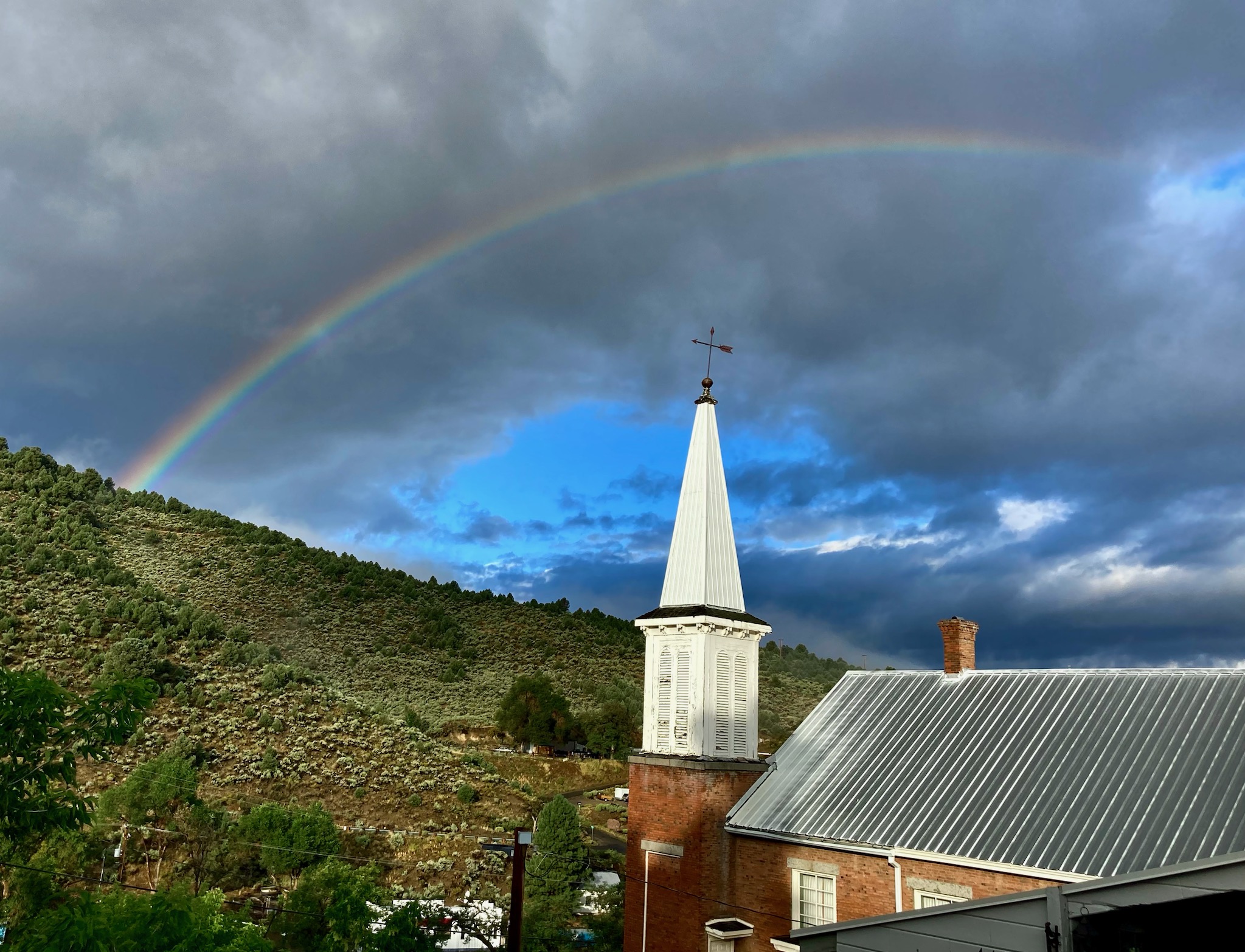
Lake Michigan Shore, Kenosha, WI- my photo

Meanwhile, the dream house in Minnesota was sold and my mom and stepdad moved to an apartment in Southern California. After that I moved on my own I can’t remember how many times. Minnesota, Wisconsin, California—back and forth. My longest residence was in the beautiful San Bernardino Mountain communities of Running Springs, Lake Arrowhead and Blue Jay, California, a place that I will always love.

 And now it’s time to move again. I do love my home and friends here, and my church and library, and the mountains, the beautiful wild mountains and the endless trails. The silence that seeps into my soul. I’m sure moving to a place with nearby health care, groceries, water, trees, and more activities will be good—it’s just so hard to decide on the right place to go, and my heart aches as I can’t move toward my children and grandchildren, only farther away, again.

It’s overwhelming and frightening, and at our stage in life there won’t be much chance for a “do over” if we get it wrong. I think about where my parents ended up, my mom who began her life in Faribault, Minnesota and finished it in a little apartment in Anaheim, California, and my dad who started out in a large apartment in Chicago, Illinois and ended in a small condo in Brookings, Oregon. Were they happy with their choices? What drove them away from their original homes, friends, and loving families? Was it the war? I can only guess. And what called them to the various places they ran to? What wildness, what pain, what longing? Whatever it was, I clearly have felt it, too. Inherited it, I guess.

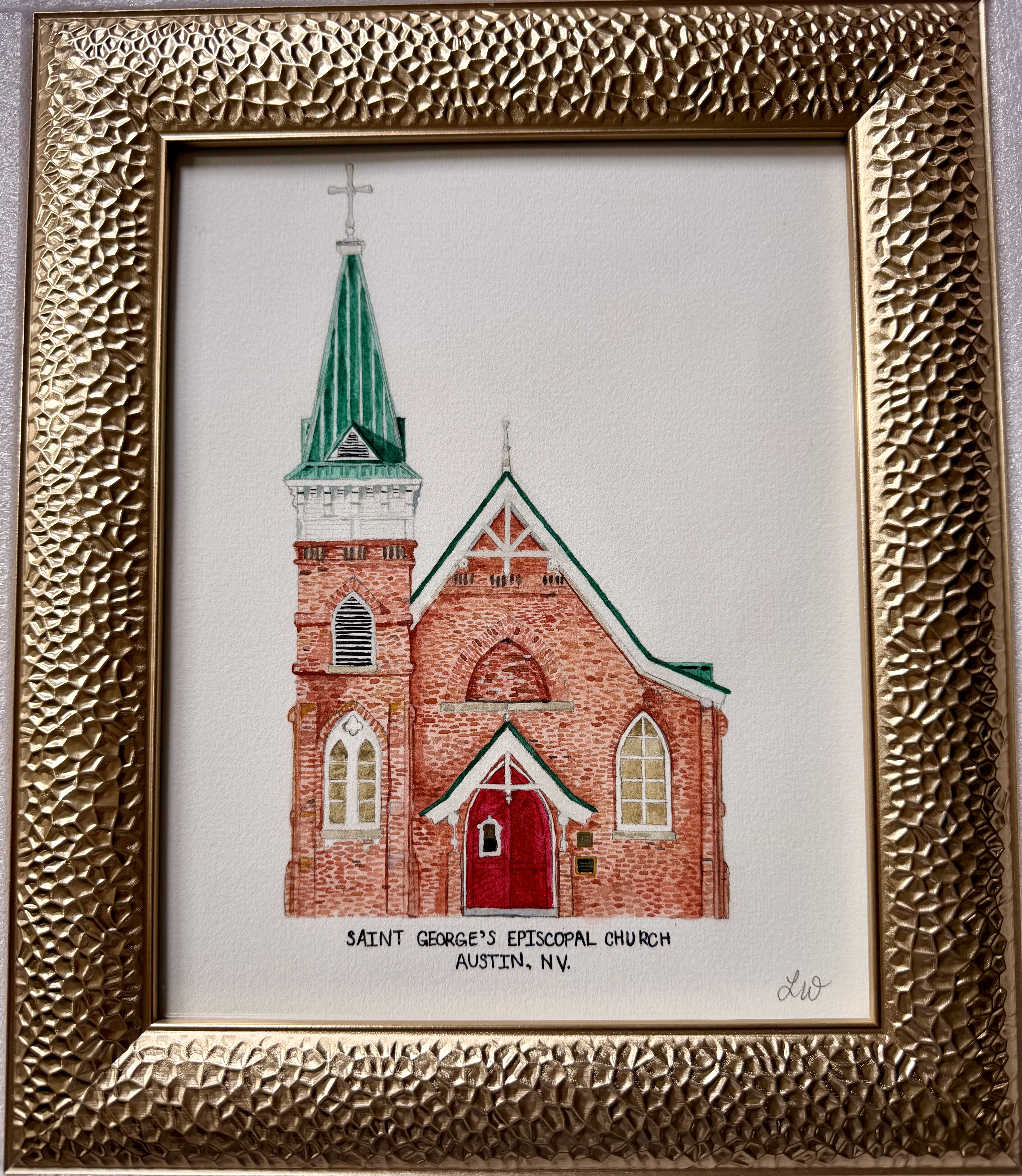
Old Methodist Church in front of our house, Austin, NV- my photo

Feeling lost and looking for solace this morning, I picked up a book—always a good idea—and I came across the following lines. I found them deeply moving. I hope you find something in them that helps you get through your day, too.

“…We are in the habit of imagining our lives to be linear, a long march from birth to death in which we mass our powers, only to surrender them again, all the while slowly losing our youthful beauty. This is a brutal untruth. Life meanders like a path through the woods. We have seasons when we flourish and seasons when the leaves fall from us, revealing our bare bones. Given time, they grow again.” Katherine May, from Wintering: The Power of Rest and Retreat in Difficult Times.

48 Comments

Filed under Aging, childhood, Family, Memories, Personal History, Seasons

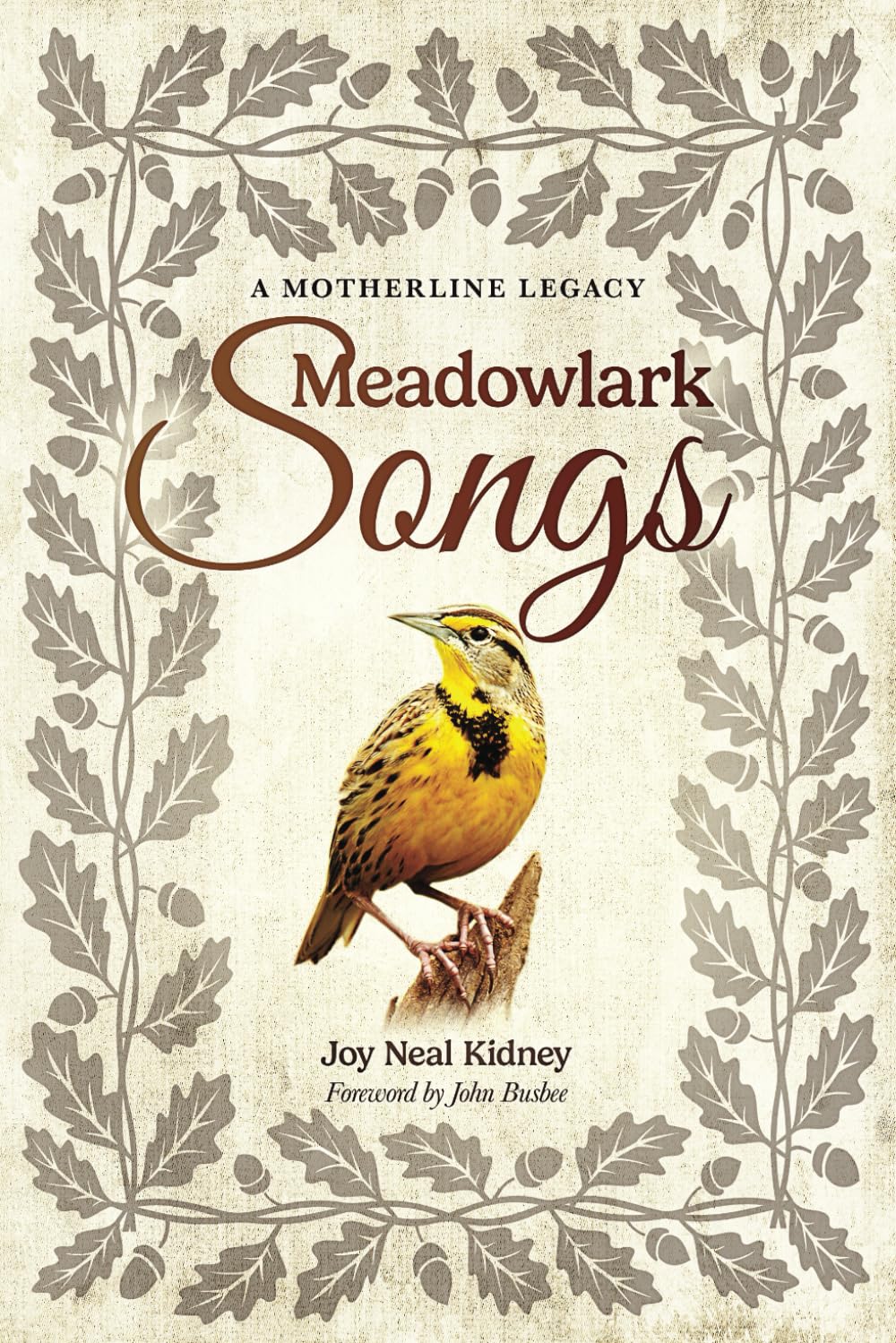
Book Review. Joy Neal Kidney, Meadowlark Songs: A Motherline Legacy

Version 1.0.0

Joy Neal Kidney’s treasury of family stories traces the lives of seven generations of her ancestors– their joys, their hardships, and their enduring faith.

The short, lyrical portraits of the lives of these women along with their husbands, sons, and daughters begin with Jane (Watson) Branson who was born in 1782 and end with Joy, herself, the memory keeper who researched, gathered photographs, recorded and wrote the lovely tributes, poetry, and historical details, and brought it all together for her family—and for her readers.

This charming volume gives all of us a delightful and heartfelt glimpse into the way our ancestors give us life, tradition, strength, and love, while reminding us of the many reasons we should honor them and remember them.

It’s a beautiful little gem of a book. Highly recommended!

Visit Joy on her blog at https://joynealkidney.com.

30 Comments

Filed under Books, Family, Personal History, Reading, Uncategorized

I Am a Writer

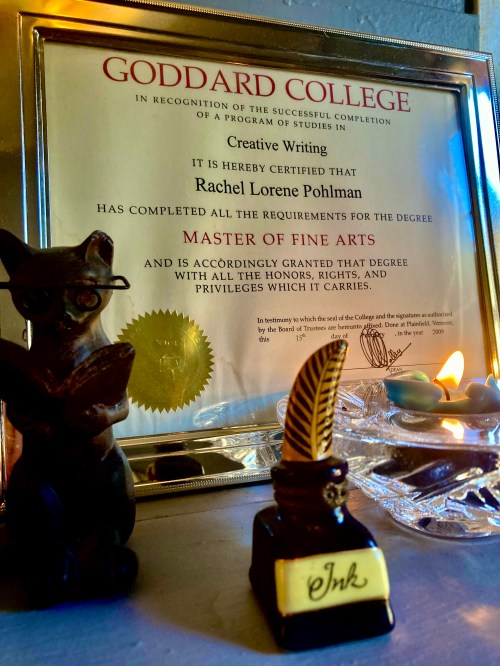
Something I don’t write about much is my writing background. And of course there’s a reason for that. I have spent a significant amount of time, effort, and money over a period of many years on writing, and though I don’t consider any of that effort to be wasted, I do think sometimes, sometimes when the shadows fall a little too dark, a little too thick, that I should have done more with it, this writing thing, by now. That it should have gone somewhere. Perhaps I’m even a bit embarrassed to admit that with a BA in English and an MFA in creative writing, and years of study and teaching under my belt, I still haven’t published a novel.

Have I written a novel? Oh, yes. I wrote my first novel three decades ago. I was teaching English and became active in the National Writing Project, a fantastic program for teachers that encourages us to become writers, ourselves. I wrote a contemporary novel during that time but never attempted to have it published. It was my learning novel, the one that I would never throw away, but also, the one that wouldn’t be good enough to publish. Don’t ask me exactly how I came to this conclusion. I think I read an awful lot of books and articles about writing, and this was my take on first novels. They were like the first pancake, or the first kiss. You just had to do it and get it out of the way. The payoff would be better pancakes and better kisses later. Fluffier, more evenly browned, delicious. Or maybe my own writing just embarrassed me so much that I couldn’t even think of approaching anyone with it. So, I printed it out and boxed it away.

The itch to learn more and to focus more on writing took me to Goddard College next. I continued teaching and worked on my master’s from 2007-2009. During this exciting period, I wrote constantly, including many formal papers for my instructors and my thesis, which was a young adult historical fiction novel about a Catholic Polish teen and his Jewish neighbors during World War II. This one, I thought, I would try to get published. I just didn’t hurry it.

I attended Goddard West in Port Townsend, WA. I have never been to the original campus in Vermont, which has sadly, closed, but I still hope to visit there someday.

After the MFA, I focused on researching agents and publishers and writing queries. Admittedly, I didn’t try very hard. It was excruciating for me to put myself out there—my writing out there—which to me, amounted to putting my inexperience and inadequacy on full display, a neon sign of not-good-enough, flashy and annoying, just begging someone far more hard-working and talented than myself to squash it.

Time went by and I wrote with friends for fun, and to learn more. Shout out to you, Alicia, Lynn, Mike, Maria Elena, and of course all of my amazing students! I thought maybe I needed to put more time between me and my second novel. I started blogging. I was still teaching.

But then I found myself seriously ill with a rare form of cancer, and the world stopped spinning. I lost track of days, weeks. My brother was also ill and had come to live with us. My surgeries were successful. But I felt unwell. Months of chemo took a toll. And my brother. My beautiful brother, my only sibling, died.
I read that the average life span for appendiceal cancer was seven years, and yes, I also read that was not to be taken to mean that I would die in seven years—there were so many factors involved, and it was just an average. Many people died sooner. Others lived for twenty years or more. Blah, blah, blah, I thought. I have seven years.

With my husband’s blessing, I cashed in a small savings account and took a short trip to London and Paris (my one and only trip outside the U.S.), and it was wonderful, and I knew I wanted to write. My writing vision could not have been more clear. I came home and worked on a new novel.

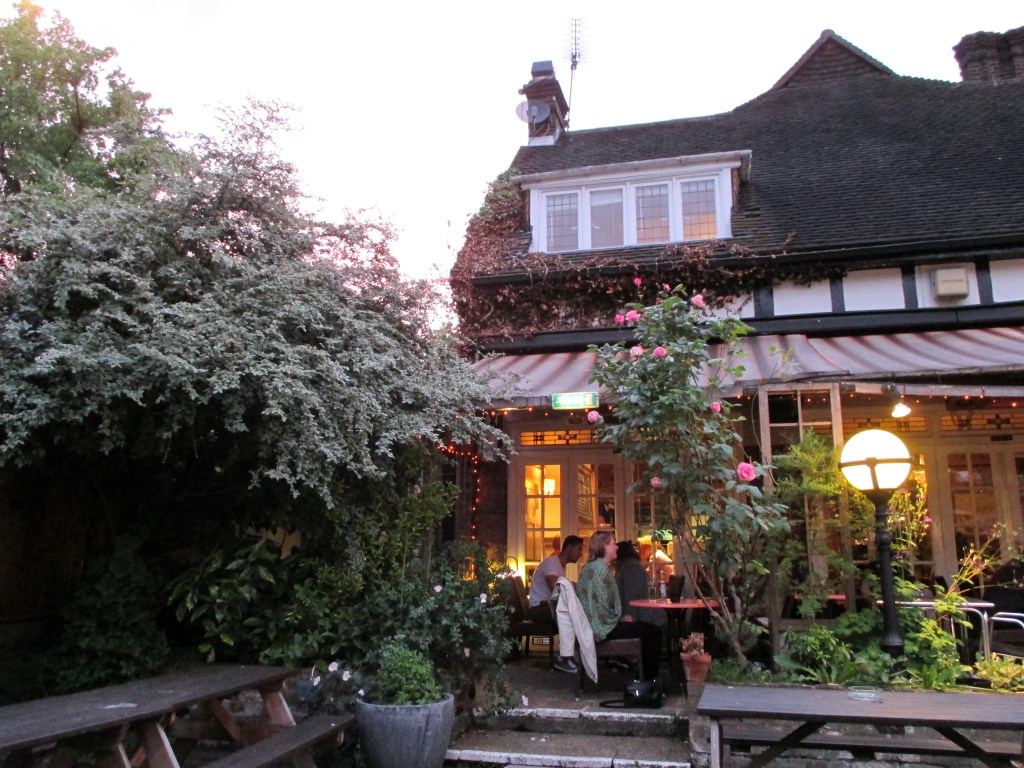
East Finchley, Outside London.

A Beautiful Place to Write.

I taught for a couple more years. Other than my family, my teaching career was what I was most proud of and committed to. Still, I felt my energy shifting. I expected an early death. I imagined myself too weak to be the kind of teacher I had always aspired to be, which was the Robin Williams as John Keating kind of teacher from Dead Poet’s Society. That was who I should be, but instead, I felt—I believed, I was tired, in failing health, more Virginia Poe dying slowly of tuberculous while Edgar became ever more prolific than John Keating taking on the entire world of poetry and elevating young minds and spirits. I saw myself settling into an early writing retirement where my husband would continue to work, but I would just be . . . . the quiet writer in residence.

Robin William as the victorious Mr. Keating

The sadly beautiful Mrs. E. A. Poe

And so, I finished my third book. It is not published.

I found I missed gainful employment and have steadily worked part-time since my early retirement, teaching and library work mostly.  I am fighting my hermit-like tendencies, and I’m enjoying getting more involved in actively reading and responding to my fellow writers online, as well as the few writers I know personally. This is a joy and a responsibility. I believe we must support each other, and I am so in awe of all of you! I just finished reading a fellow Goddard graduate’s Sci-Fi thriller, The Regolith Temple, yesterday, and was blown away! Roxana Arama, I will be writing a review for your excellent book very soon!

I am still waiting to hear back from an agent who requested my full manuscript many months ago. I’m considering next steps.

I’m not dead. I stopped going in for cancer scans several years ago. I can’t afford them, and anyway, I’m quite spectacularly healthy. Weirdly! So maybe the seven years thing was really just about itches and actually had nothing to do with my diagnosis. Whatever the reason, I’m grateful, and I’m still in love with this beautiful planet. And pancakes and kisses.

I’m walking every day and working on another novel.

Trying to say it a little more often.

The simple sentence I’ve never felt worthy of.

I am a writer.

41 Comments

Filed under Cancer, Cancer Journey, HIstorical Fiction, Identity, Literary Agents, London, Memories, Personal History, poetry, Relationship, Research, Teacher, Uncategorized, Voice, Writing, Writing Advice

Polished Maple Tables

An early picture of our old house, before renovation.

One of the most enjoyable writing exercises I’ve done lately comes from a biographical poetry template based on a poem by George Ella Lyon. I came across it on Jeannine Quellette’s brilliant Substack, Writing in the Dark. The exercise is familiar to me in a distant way, as though perhaps I’d done it before but lost it. Or perhaps it suited me perfectly this past week because I have been contemplating writing memoir and fictionalized biography, so it seems as though I always had it—a poem about beginnings, and the echoes still heard, the lessons still being learned.

Thank you, Jeannine Quellette, for sharing the lesson! You can visit Jeannine’s website and read her poem, “From Chickweed to Ash,” here: https://writinginthedark.substack.com/p/from-chickweed-and-ash.

Here is my version:

Polished Maple Tables

I am from polished maple tables

From Pall Malls and Folgers

Green grass, Blue water, the whoosh of wind and wings

Flocks of seagulls

I am from Lilies of the Valley, Bleeding Hearts, Lake Michigan’s endless sand and waves

I’m from World War II, Ramblers, and Divorce

From Rachel and Frederick and William and Lorene

From Rae and Bill

I’m from long car rides and listening to albums on the stereo

From Mr. Wonderful and Stop Crying and What did you learn in school today?

I’m from no church, lost pets, and rented houses.

From a mother who scoffed at religious people

And a father who blamed organized religion

For the world’s woes.

But I’m also from Christmas trees and baking cookies, from bunnies and Easter baskets.

And I’m from the hand-written prayers I found in my father’s bedside table when he died.

I’m from Chicago and Kenosha

From Illinois, Wisconsin, and Minnesota

From Scots called Johnstone, and Swedes called Nelson

From ground beef casseroles, navy bean soup, and sour cream raisin pie

From Great Aunt Mary who broke up with her beau when he jumped into a fountain,

Never to wed, who lived with her sister Lorene’s family and then mine until The Divorce when she

Was sent back to Chicago to an old folk’s home

And Mother was hospitalized

I am from women who sewed and worked in libraries

and who cooked and cleaned other people’s houses.

And from men who sought love and adventure and worked on farms and in factories.

I am from Midwestern barefoot summers and sea glass and wandering the West

Restless and yearning for polished maple tables and a place to call home.

                                                                                                             RLP, 2025

If you would like to write your own “I Am From” poem, here is the template. Use it as a springboard. Jump in and adjust it to suit. I hope the writing brings you joy, or something like joy, which is sometimes as simple as finding a way to express the inexpressible past.

Blessings! And please share your poems in the comments!

Kenosha, Wisconsin

                                                          Template: I Am From

I am from ________________ (specific ordinary item)

From ____________ (product name) and _____________ (product name)

____________ (adjective), ______(adjective), _________ (sensory detail)

I am from _____________ (plant, flowers, natural item)

_______________________________________ (description of above item)

I’m from ______________ (family tradition) and _____________ (family trait)

From ___________ (name of family member) and ______________ (another family member)

I’m from the _______________ (description of family tendency) and ________ (another one)

From ______________ (something you were told as a child) and _________ (another)

I’m from __________________ (representation of religion or lack thereof), __________ (further description)

I’m from ___________________ (place of birth and family ancestry)

_______________________ (a food that represents your family), ___________ (another one)

From the ___________ (specific family story about a specific person and detail).

Dad, Lori, and Billy

Early Days in Kenosha

Thanks for visiting! Wishing you all good things. With Love, Lori

40 Comments

Filed under Family, Personal History, poetry, Relationship, Uncategorized, Voice, Wisconsin, World War II, Writing