Category Archives: Reading

Dayenu

One of my oldest friends called me last week. I’d been having a rough time and had withdrawn in a way that only a very close friend would recognize. I’d still been “in touch” with her, but I was withholding, and she could tell. She called, and I don’t remember exactly what she said, but her voice was soft and patient and expectant. She made it possible for me to reveal my heartache and gave me time to say the things out loud that I hadn’t been able to say.

Photo by Anna Shvets on Pexels.com

Dr. Gerald Stein in his post, “Why the Clock is Essential in Therapy (and Relationships)”  (https://drgeraldstein.wordpress.com), discusses that making time for “tender issues…  can be like a dance, the partners move together as if choreographed…”, and that is what my friend did for me. She didn’t try to stop my tears or give me advice. It was like a dance in a way, or maybe like a prayer. Total acceptance and love.

Photo by Alexas Fotos on Pexels.com

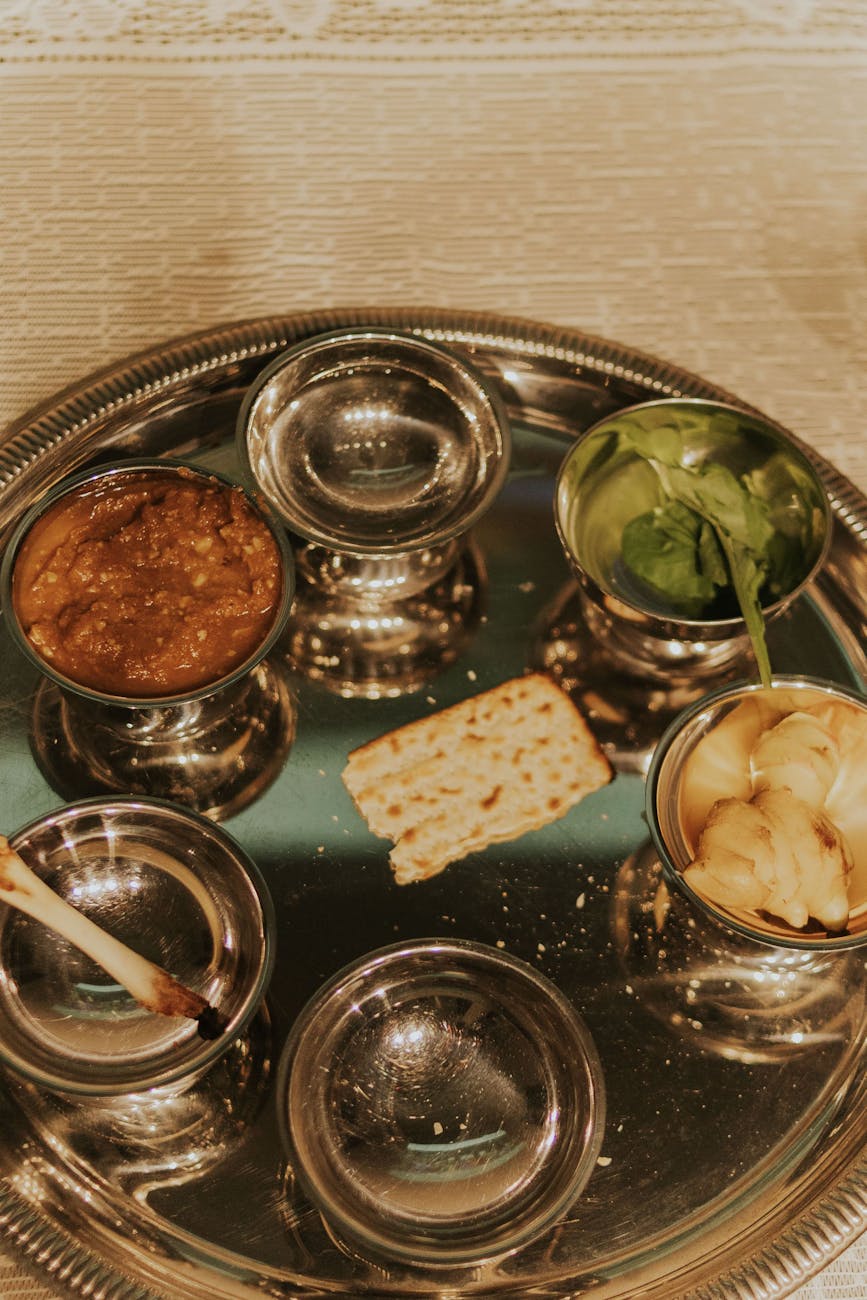
After a while my breathing settled and we continued our conversation. She told me about “Dayenu,” the prayer and Passover seder song that tells the story of Exodus. The melody of the song is joyous and upbeat, a list of fifteen things God did for the Jews, anyone of which, they say, would have been enough for them. Sefaria Library’s reading of the text begins “How much good, layer upon layer, the omnipresent has done for us. Had He brought us out of Egypt without bringing judgment upon [our oppressors], that would have been enough for us.”

Traditional Seder Plate with Symbolic Foods for Passover- Pexels Free Photos

It would have been enough. Dayenu is a prayer of gratitude, but, she intimated (or perhaps I misunderstood and twisted it to suit my own situation), that sometimes the word Dayenu can also be used as a cleansing release. I don’t want to be disrespectful. But when I think of her saying “Dayenu! Enough!” I feel a little better.

Unlike my friend, I wasn’t raised in any specific faith. Though I believe my divorced parents were given religious instruction, I think my dad more than my mom, they did not, evidently, feel the need to share it with their progeny.

Why not? I’ve wondered. Parsing that is loose. My grandfathers died long before I was born, and one of my grandmothers died when I was a baby. The only grandparent I knew was my mom’s mom who died when I was nineteen. Sadly, I didn’t see her enough, nor know what to ask her about when I did. And for some reason, religion wasn’t much spoken of in my childhood, unless you took the Lord’s name in vain. That was frowned upon, unless Mom was really angry, in which case, she couldn’t be held to account. Dad never lost his temper and never cursed, so there wasn’t a lot of reason, I guess, for him to even bring up sin or religion or God. Anyway, Mom and Dad didn’t live together after I was four-years-old, so I would never be a member of a traditional united family like the ones I fantasized about.

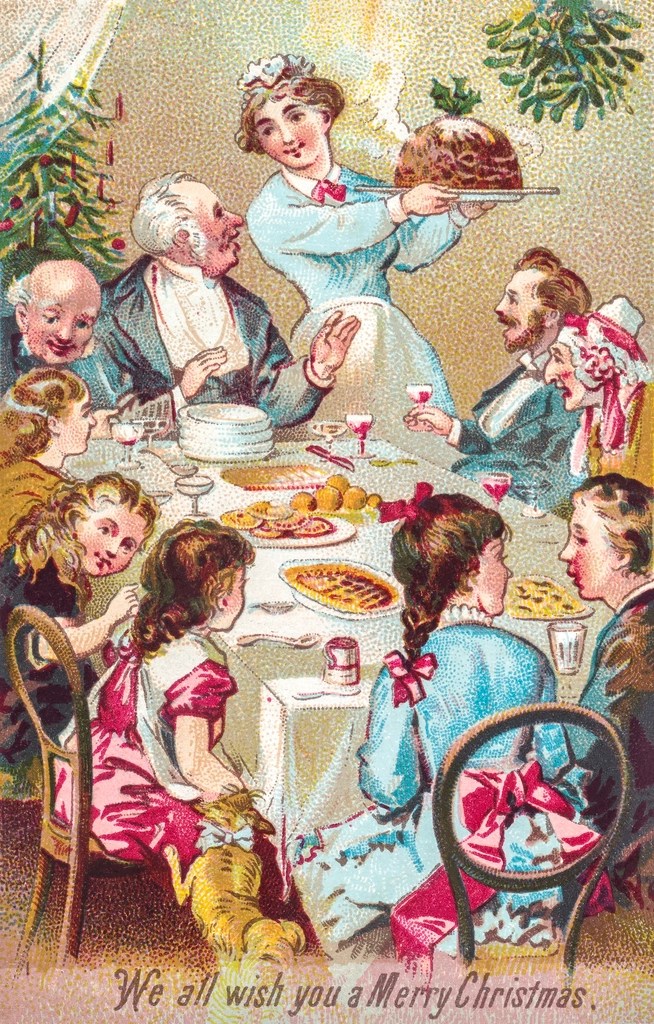
Openverse, New York Public Library (Obviously I had very grand and old-fashioned fantasies about family life–I read a lot!)

I know Dad attended a Methodist church growing up in Chicago, and that his widowed librarian mother was a model of decorum, and that, in the 1920’s and ‘30s meant adherence to social norms such as church attendance. I’m not sure whether Mom was taken to church as a child, but given the times, I imagine she was at least exposed. Her upbringing was less city, less refined than Dad’s. Mom grew up in Faribault, Minnesota with a terminally ill father she adored, a Swedish immigrant who was bedridden by the time she was of school age, and her mother worked many hours a week to support the family. There were eight children, but by the time Mom came along several of them had left home. It wasn’t a farm, so it wasn’t as if the siblings had a reason to stay once they reached maturity, though I believe several of her older brothers helped contribute to the family income.

Both of my grandmothers worked outside the home, which I used to think was somewhat unusual, but now I know women have always worked in all kinds of ways other than homemaking. It just didn’t get reported. Women’s contributions have always been underrepresented in American society. For me, born in the 1950s and growing up in the 1960s and early 70s, it was normal to think that women had always been home. I grew up watching The Donna Reid Show, I Love Lucy and Leave it to Beaver. Sitcoms regularly featured women as married and caring for husbands and children, even if the woman happened to be a witch, as in Samantha of Bewitched. It was the ideal. Only a rare few Katherine Hepburn types, charming enough, but come on, not really practical, lived independent lives or made money of their own. That’s what we were told. I mean neither of my grandmothers was even allowed to vote when they were young, but they were allowed to work to support their families.

Dad’s father, a Scottish immigrant, died when Dad was four. Dad’s only sibling died at age twelve, and his spinster aunt, a seamstress, lived with them, bringing in an extra bit of income and caring for my dad (now an only child) while his mother worked, so even though it was the Great Depression and the family had experienced horrible loss, between his mother and his aunt, things stayed afloat. Dad was well looked after, educated, participated in church and school activities, and was enrolled in a pre-med program at college before WWII changed everything. Mom, on the other hand, didn’t, couldn’t, get the same amount of attention and help. When would her mother who cooked and cleaned and cared for other people and other people’s children probably for most of the day and most of the night, day after day without reprieve have had the time to take my mom to church?

Mom didn’t talk about it. Both of my parents claimed to believe in God and considered themselves Christian, and I believed them, but it was sort of incidental. God was why you didn’t lie or cheat or hurt others. Jesus was why we had Christmas and Easter. Despite their professed faith, both of them shunned churches and had little good to say about people who attended them. Organized religion, Dad said, had caused most of the world’s problems. Mom was less philosophical. She just didn’t care for their “holier than thou” ways. I was left to find my own path if I so desired, but was never given any formal, or indeed informal, religious education.

It took me a long time, with a lot of detours, to begin to travel my own spiritual path, and I haven’t been exactly good at it, but in my own halting way I’ve touched—not held, but touched, fragments of comfort, peace, and wonder over the years. The ways grace arrived for me are varied. A Lutheran friend. A Jewish friend. A Latter-Day Saints friend. A longing to give something lasting to my children. A church bell, and then another, and another. Calls to worship. Two Presbyterian congregations, one large and one small. One Episcopal congregation, tiny. A community where different faiths worked together. Health scares. Reading. Love. All of these. And Prayer. Something I always did, instinctively. Prayer.

I was surprised to find handwritten prayers in Dad’s bedside table drawer when he died. A nightly prayer list, it appeared. All beautifully written, eloquently phrased personal prayers for me and my brother and our families.

So Dad prayed, too, more than I knew.

Perhaps that was enough.

Thank you for reading, and my hopes for you today are these—may you have enough friendship, enough time, and the opportunity to grow in love and joy in all the ways that fill you.

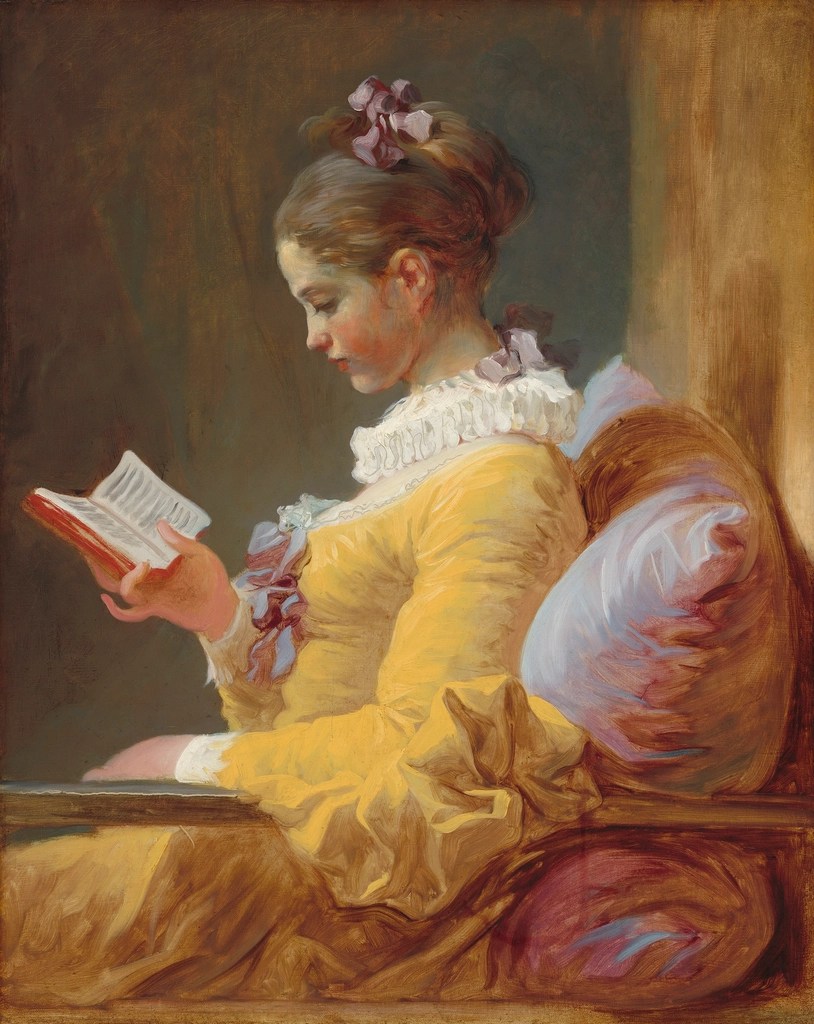
Fragonard, Reader Jean-Honoré Fragonard“/ CC0 1.0

Here is a link to a performance of “Dayenu” from Park Avenue Synagogue: Cantors Trio: Dayenu (Passover Song)

And here are the lyrics in Hebrew and English from from Sefaria Library at http://www.sefaria.org:

אִלּוּ הוֹצִיאָנוּ מִמִצְרַיִם וְלֹא עָשָׂה בָהֶם שְׁפָטִים, דַּיֵּנוּ

Magid, Dayenu

כַּמָה מַעֲלוֹת טוֹבוֹת לַמָּקוֹם עָלֵינוּ!

כַּמָּה מַעֲלוֹת טוֹבוֹת HOW MUCH GOOD,
LAYER UPON LAYER,
THE OMNIPRESENT HAS DONE FOR US:

אִלּוּ הוֹצִיאָנוּ מִמִּצְרַיִם וְלֹא עָשָׂה בָהֶם שְׁפָטִים, דַּיֵּנוּ.

Had He brought us out of Egypt
without bringing judgment upon
[our oppressors],
that would have been enough for us.

אִלּוּ עָשָׂה בָהֶם שְׁפָטִים, וְלֹא עָשָׂה בֵאלֹהֵיהֶם, דַּיֵּנוּ.

Had He brought judgment upon them
but not upon their gods,
that would have been enough for us.

אִלּוּ עָשָׂה בֵאלֹהֵיהֶם, וְלֹא הָרַג אֶת־בְּכוֹרֵיהֶם, דַּיֵּנוּ.

Had He brought judgment upon their gods
without killing their firstborn sons,
that would have been enough for us.

אִלּוּ הָרַג אֶת־בְּכוֹרֵיהֶם וְלֹא נָתַן לָנוּ אֶת־מָמוֹנָם, דַּיֵּנוּ.

Had He killed their firstborn sons
without giving us their wealth,
that would have been enough for us.

אִלּוּ נָתַן לָנוּ אֶת־מָמוֹנָם וְלֹא קָרַע לָנוּ אֶת־הַיָּם, דַּיֵּנוּ.

Had He given us their wealth
without splitting the sea for us,
that would have been enough for us.

אִלּוּ קָרַע לָנוּ אֶת־הַיָּם וְלֹא הֶעֱבִירָנוּ בְתוֹכוֹ בֶּחָרָבָה, דַּיֵּנוּ.

Had He split the sea for us
but not brought us through it dry,
that would have been enough for us.

אִלּוּ הֶעֱבִירָנוּ בְתוֹכוֹ בֶּחָרָבָה וְלֹא שִׁקַּע צָרֵנוּ בְתוֹכוֹ דַּיֵּנוּ.

Had He brought us through [the sea] dry
without drowning our enemies in it,
that would have been enough for us.

אִלּוּ שִׁקַּע צָרֵנוּ בְתוֹכוֹ וְלֹא סִפֵּק צָרְכֵּנוּ בַּמִדְבָּר אַרְבָּעִים שָׁנָה דַּיֵּנוּ.

Had He drowned our enemies in it
without providing for our needs
for forty years in the desert,
that would have been enough for us.

אִלּוּ סִפֵּק צָרְכֵּנוּ בַּמִּדְבָּר אַרְבָּעִים שָׁנָה וְלֹא הֶאֱכִילָנוּ אֶת־הַמָּן דַּיֵּנוּ.

Had He provided for our needs
for forty years in the desert,
without feeding us with manna,
that would have been enough for us.

אִלּוּ הֶאֱכִילָנוּ אֶת־הַמָּן וְלֹא נָתַן לָנוּ אֶת־הַשַּׁבָּת, דַּיֵּנוּ.

Had He fed us with manna
without giving us Shabbat,
that would have been enough for us.

אִלּוּ נָתַן לָנוּ אֶת־הַשַּׁבָּת, וְלֹא קֵרְבָנוּ לִפְנֵי הַר סִינַי, דַּיֵּנוּ.

Had He given us Shabbat
without drawing us close
around Mount Sinai,
that would have been enough for us.

אִלּוּ קֵרְבָנוּ לִפְנֵי הַר סִינַי, וְלא נָתַן לָנוּ אֶת־הַתּוֹרָה. דַּיֵּנוּ.

Had He drawn us close around Mount Sinai
without giving us the Torah,
that would have been enough for us.

אִלּוּ נָתַן לָנוּ אֶת־הַתּוֹרָה וְלֹא הִכְנִיסָנוּ לְאֶרֶץ יִשְׂרָאֵל, דַּיֵּנוּ.

Had He given us the Torah
without bringing us to the land of Israel,
that would have been enough for us.

אִלּוּ הִכְנִיסָנוּ לְאֶרֶץ יִשְׂרָאֵל וְלֹא בָנָה לָּנוּ אֶת־בֵּית הַבְּחִירָה דַּיֵּנוּ.

Had He brought us to the land of Israel
without building for us
the House He chose
that would have been enough for us.

עַל אַחַת, כַּמָה וְכַמָה, טוֹבָה כְפוּלָה וּמְכֻפֶּלֶת לַמָּקוֹם עָלֵינוּ: שֶׁהוֹצִיאָנוּ מִמִּצְרַיִם, וְעָשָׂה בָהֶם שְׁפָטִים, וְעָשָׂה בֵאלֹהֵיהֶם, וְהָרַג אֶת־בְּכוֹרֵיהֶם, וְנָתַן לָנוּ אֶת־מָמוֹנָם, וְקָרַע לָנוּ אֶת־הַיָּם, וְהֶעֱבִירָנוּ בְתוֹכוֹ בֶּחָרָבָה, וְשִׁקַּע צָרֵנוּ בְתוֹכוֹ, וְסִפֵּק צָרְכֵּנוּ בַּמִדְבָּר אַרְבָּעִים שָׁנָה, וְהֶאֱכִילָנוּ אֶת־הַמָּן, וְנָתַן לָנוּ אֶת־הַשַּׁבָּת, וְקֵרְבָנוּ לִפְנֵי הַר סִינַי, וְנָתַן לָנוּ אֶת־הַתּוֹרָה, וְהִכְנִיסָנוּ לְאֶרֶץ יִשְׂרָאֵל, וּבָנָה לָּנוּ אֶת־בֵּית הַבְּחִירָה לְכַפֵּר עַל־כָּל־עֲוֹנוֹתֵינוּ.

52 Comments

Filed under Family, Personal History, Reading, Relationship, Uncategorized, Work

Books Get Me Through The Great Alone

It’s been two weeks since I left Nevada and one week since I arrived at my new Michigan home. All of these days have been solo; I drove alone, I arrived alone to an empty house, I spend my days here alone. There’s a theme building . . . For now!

The Way In

But husband and kitties will be joining me soon.

The Dreaded Cot (I do not love it)
A Lonely Room (but I love it!)

As an introvert, this hasn’t been particularly tough. I love people, but I also love solitude. I just got the internet yesterday, and that’s fun because now I can write and publish my writing more easily. No TV here yet. No furniture to speak of. I have one little lamp table that fit in my car, a folding camp chair, and a cot. That’s it. Everything else will come in the moving van next week. So, what do I do all day?

I clean and I read. Often, at the same time, by listening to audiobooks using the Libby library App. One of the books I’ve enjoyed so far during this extended period of solitude is aptly The Great Alone by Kristin Hannah. It’s a tough book about a tough time and a tough place, but I liked it. Alaska in the 1970s, mental illness, abuse . . . it’s got it all, but it isn’t only that, of course. It’s also a book filled with nostalgia, love, and the awesomeness of nature.

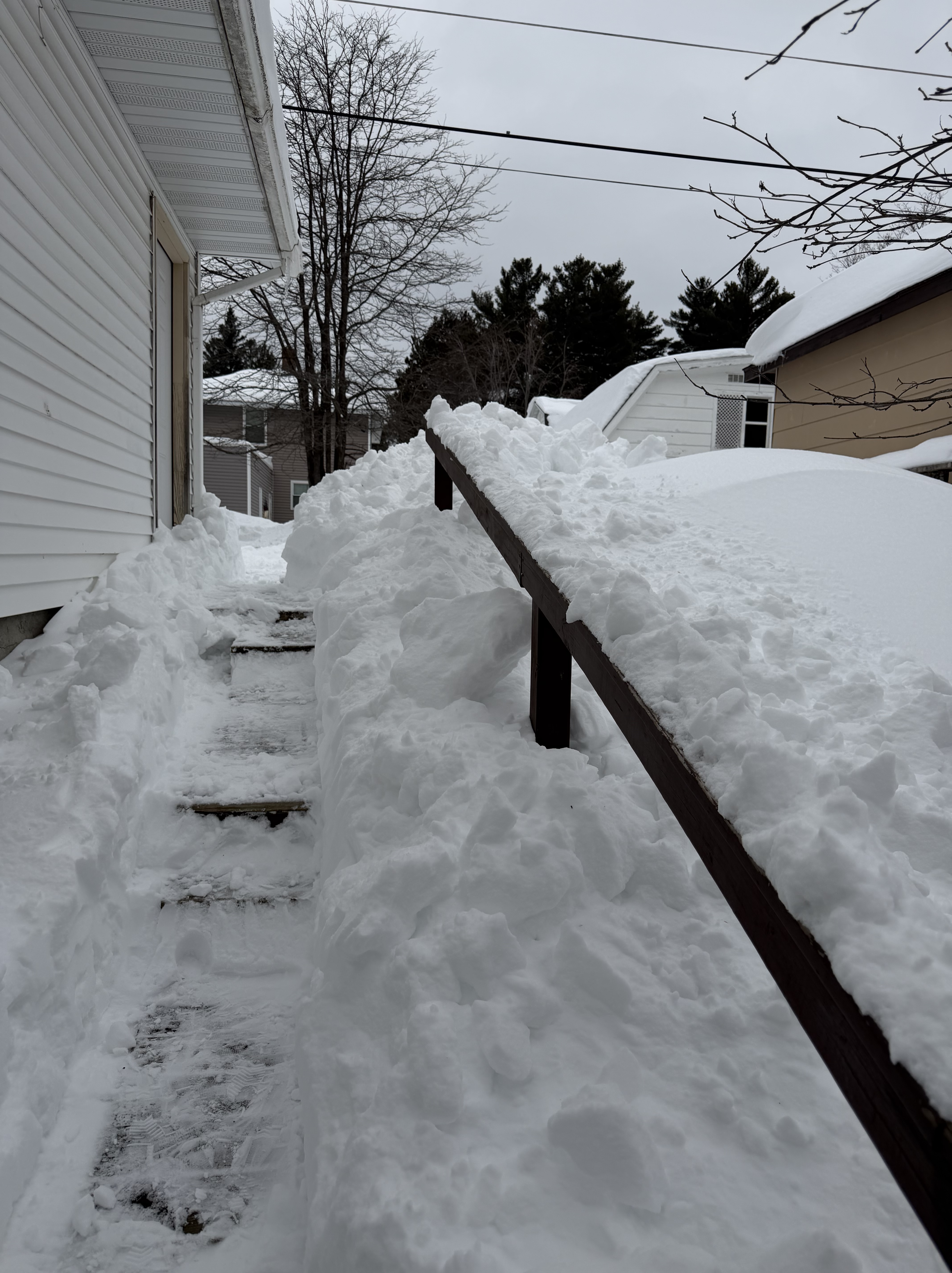
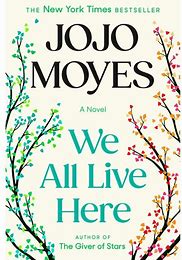
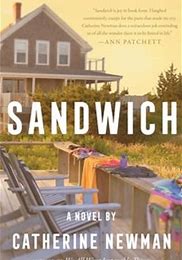
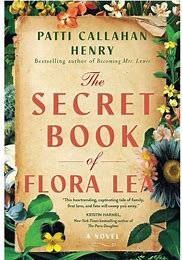
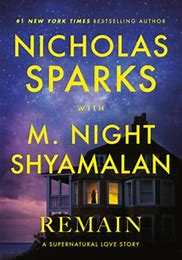
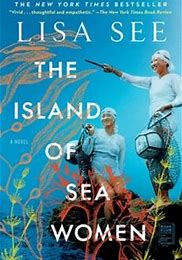
Other books I read either just prior to moving, during the drive, or since my arrival are: We All Live Here, Moyes; Sandwich, Newman; The Secret Book of Flora Lea, Henry; Remain, Spark and Shyamalan; The Missing Half, Flowers and Kiester; and currently, The Island of Sea Women, See. Each book has its merits.

I found both We All Live Here and Sandwich charming and humorous. Both are light, contemporary novels with women protagonists wrestling with life changing events and the love of family.

The Secret Book of Flora Lea took me to one of my favorite historical settings, World War II England, in the countryside and also to London in the 1960s. It’s a delightful book about sisters, families, love, and the importance of stories.

Remain and The Missing Half are mysteries, with Remain being the more entertaining of the two for me. The Missing Half helped pass the time, but Remain’s ghostly love story captivated me at times, including during several memorable scenes that made me shiver.

And now I’m listening to The Island of Sea Women. It’s taken me to a part of the world I know very little about, which I love, because I am learning so much. It’s set in Korea from the story’s beginning in the 1930s and will move through the war years and take me to the present day. It’s about women sea divers (an amazing group of female divers who earn the money for their families while their husbands care for the children), and it’s the story of two friends Mi-ja and Young-sook.   

As you can see, I’ve not been alone, not really, for I’ve been traveling through time and place along with the characters created by the authors of these varied and appealing novels, carried away by their stories. It’s a kind of magic really, the way a reader lives both inside and outside of a book—simultaneously in the room, and also somewhere else far away.

I love this line about reading from Stephen Chbosky from his young adult novel, The Perks of Being a Wallflower:

“Sometimes, I read a book, and I think I am the people in the book.”

Exactly.

61 Comments

Filed under Authors, Books, Commentary, Fiction, HIstorical Fiction, Home, Identity, Literary Fiction, Nature, Personal History, Reading, Uncategorized, Winter, World War II

This Writing Life and Query Tracker

Why We Write

“You should write because you love the shape of stories and sentences and the creation of different words on a page. Writing comes from reading, and reading is the finest teacher of how to write.” ― Annie Proulx

Photo by Suzy Hazelwood on Pexels.com

“Fill your paper with the breathings of your heart.” ― William Wordsworth

Photo by Pixabay on Pexels.com

“One of the few things I know about writing is this: spend it all, shoot it, play it, lose it, all, right away, every time. Do not hoard what seems good for a later place in the book, or for another book; give it, give it all, give it now. The impulse to save something good for a better place later is the signal to send it now. Something more will arise for later, something better. These things fill from behind, from beneath, like well water. Similarly, the impulse to keep to yourself what you have learned is not only shameful, it is destructive. Anything you do not give freely and abundantly becomes lost to you. You open your safe and find ashes.” -Annie Dillard

Photo by Pixabay on Pexels.com

How We Manage Our Writing

One way I manage my writing is with the free online Query Tracker (QT) service, which makes it easy for writers to search for literary agents. I love that I can narrow my search to suit my particular manuscript—by genre and length—and also by providing links to the agents’ respective agencies, where I can read extensively about the agency itself, what authors it represents, and much more. Locating an updated list of literary agents currently accepting queries and providing an organized space to keep track of who I submit to and when is immediately helpful.

Have you used Query Tracker?  I’ve been using it for several years now, and I find it very useful. In the beginning I used it to research agents, looking for professionals who represented my genre of fiction. Gradually, I felt ready to send out queries and began the laborious process. I also keep a paper file where I jot down notes about the various agents’ manuscript wish lists and guidelines, as well as the dates I submitted to them. That is my messy but personalized backup, and I intend to continue the practice, but it’s also extremely helpful to use the free online Query Tracker.

Over time, I’ve found that I also greatly appreciate the features for recording the date I get a response (if ever), and the type of response. Agents request different content. Some accept only a query letter. Some want a certain number of sample pages along with the query (the number of pages varies). Some request a synopsis. Most of them have a loosely specified timeline given for responding to queries, with many of them stating that if you don’t hear from them within that time frame, it counts as a pass on your manuscript. If you get a response asking for more pages, or the full manuscript (Hallelujah!), there’s a place on QT for you to record that information as well. You can organize the submission chart alphabetically by agent or agency or by date submitted. This is just a quick overview.

Photo by Lori Pohlman

In my case, after sending out over 80 deeply researched and personally tailored queries to agents, with a couple of requests for more material that sadly didn’t bring an offer of representation, I went back to the drawing board. I revised the manuscript again on my own and then had the whole thing professionally edited. That accomplished, I felt ready to start submitting again, but this time I decided to submit the manuscript to small publishers that accept submissions without agent representation. I’ve read there is a better chance of getting traditionally published going this route.

Query Tracker has a search engine for publishers as well, so it was easy for me to search for publishers, again by genre and length, to research those who published my genre, and to begin submitting again. Currently I have 7 submissions out with these small presses, one of which contacted me within a few days. It’s currently under review there, but it could be some time before I hear anything, so I’m keeping the other submissions out there, and will continue sending out more.

It’s still early days in this process, but with the new year just hours away, I’m energized about new possibilities! I’d love to hear about your writing life journey—not only the path to publishing, but about all aspects of this beautifully messy creative life we share. With Love!

Photo by Lori Pohlman

26 Comments

Filed under Authors, Books, Calendars, Fiction, Literary Agents, New Year's, Publishing, Reading, Research, Uncategorized, Voice, Writing, Writing Advice

King Copper Book Review

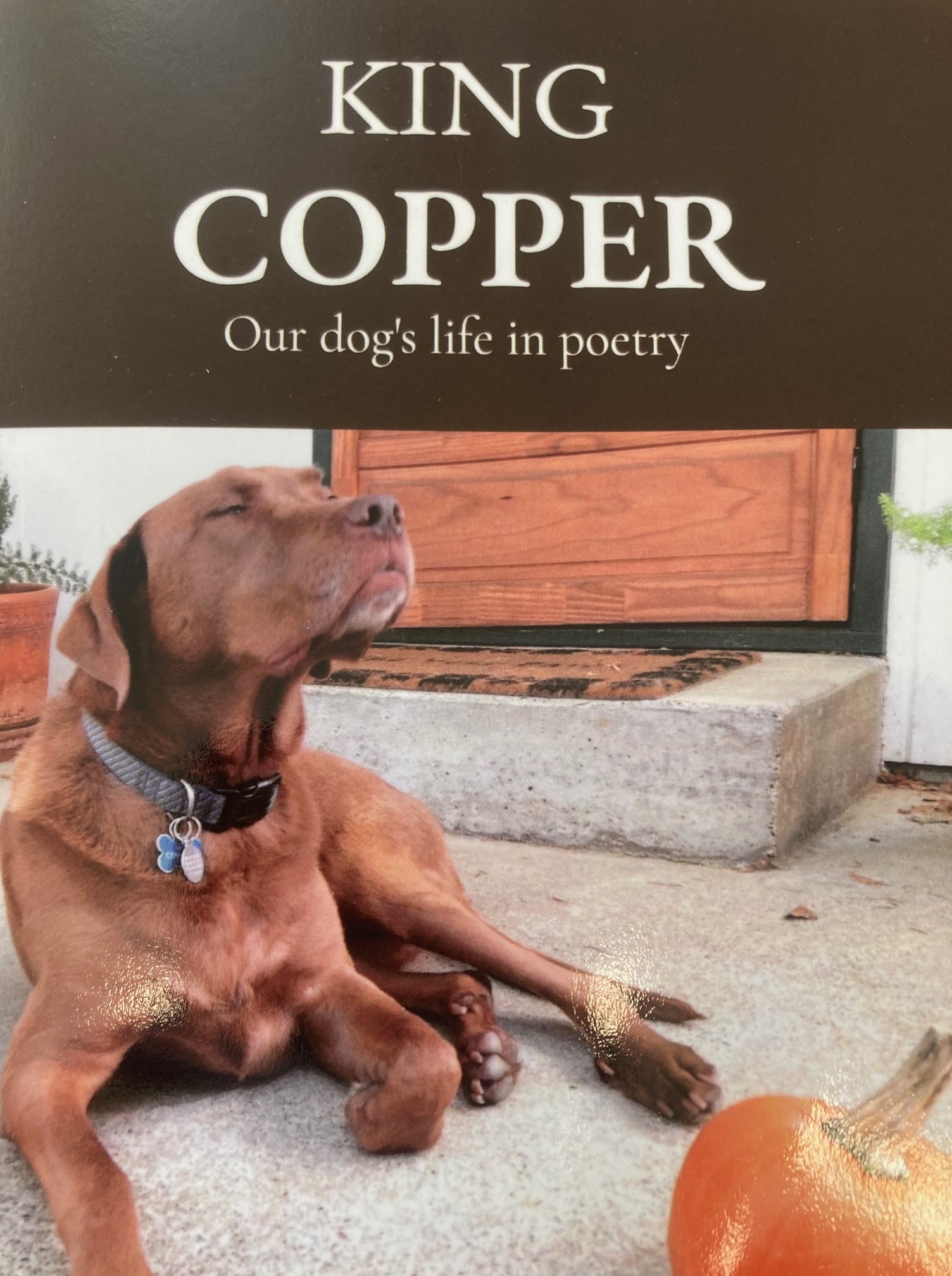
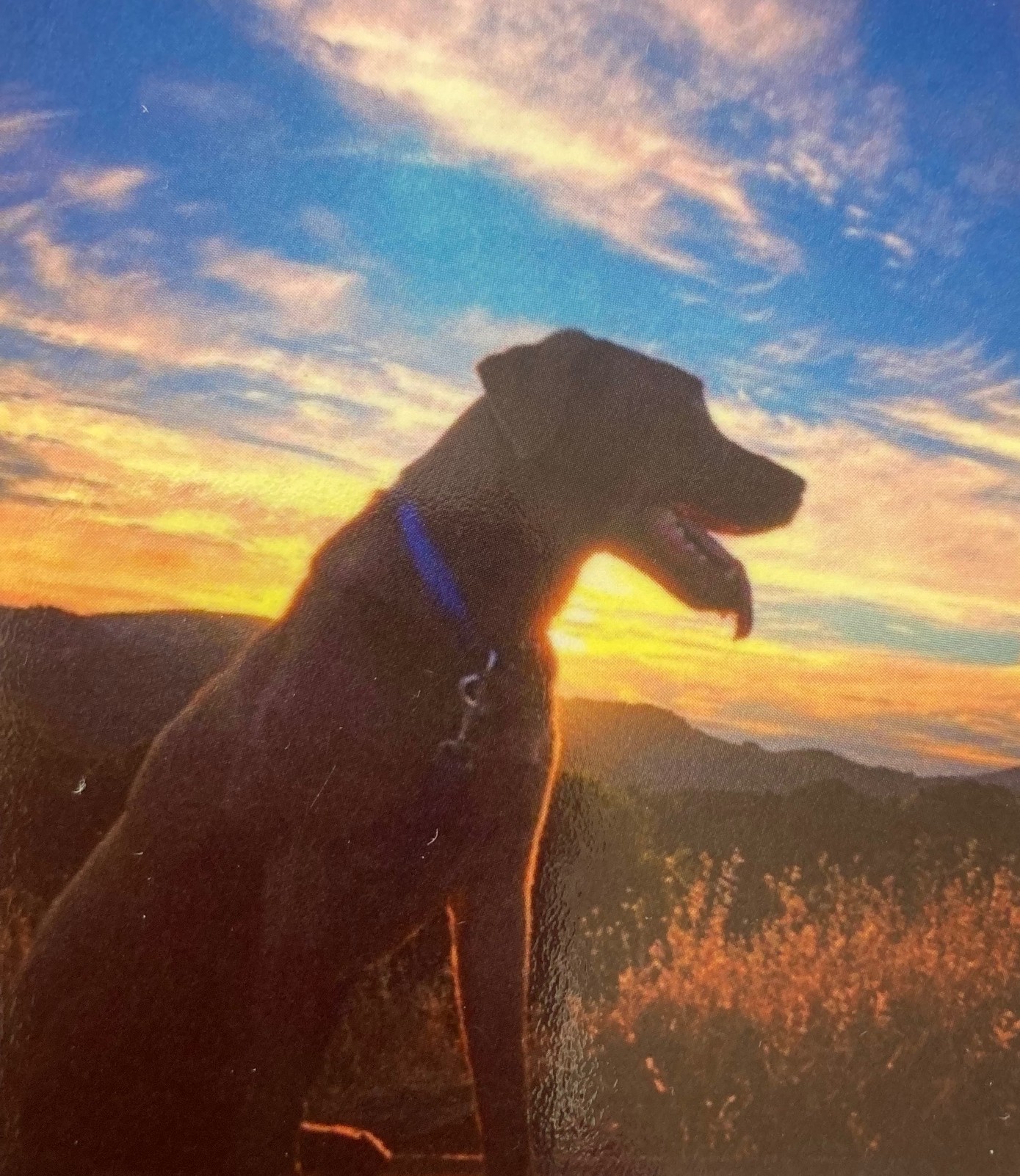
Lauren Scott, King Copper: Our Dog’s Life in Poetry

Lauren Scott’s love of her family’s beautiful chocolate lab, Copper, shines in this sweet little volume of photographs and poems that follow their lives together from adoption day on. In her words, King Copper is “a poetic account of the joy that arises when a lovable chocolate lab walks into your life and changes it forever. And the eventual heartache you feel when he crosses over the rainbow bridge thirteen years later and still too soon.”

What a touching account, and what a testament to the glorious impact our beloved pets have on our lives. If only all dogs—all pets—were as well loved and appreciated as the delightful lab Lauren writes so poetically about, the world would truly be a better place. Brava to Lauren for giving her beloved Copper a tribute worthy of his beauty and goodness! Did it make me cry a bit? Absolutely. But tears shed over the loss of a dear dog are never wrong. There is nothing purer than a dog’s affection and devotion. Copper wasn’t my dog, but I, too, have loved wonderful dogs. Like Lauren and her family, I know our animal companions deserve our deepest affection in return for the many gifts they give us. Part of the price for that gift is the same as it is for anything we open up our hearts to fully—the possibility, even the probability that one day there will be pain and loss.

But as Lauren so aptly says, “We celebrate his life- those soul-searching eyes that connected to us- we were links in a golden chain and now one link is missing, our golden boy- each day tears follow like a shadow- the shadow he was, but smiles gently find their place because he is in our hearts, because joy needs room to simmer.”

You can visit Lauren’s blog at baydreamerwrites.com.

http://lscotthoughts.wordpress.com

46 Comments

Filed under Authors, Books, Commentary, Loss, poetry, Reading

This Writing Life

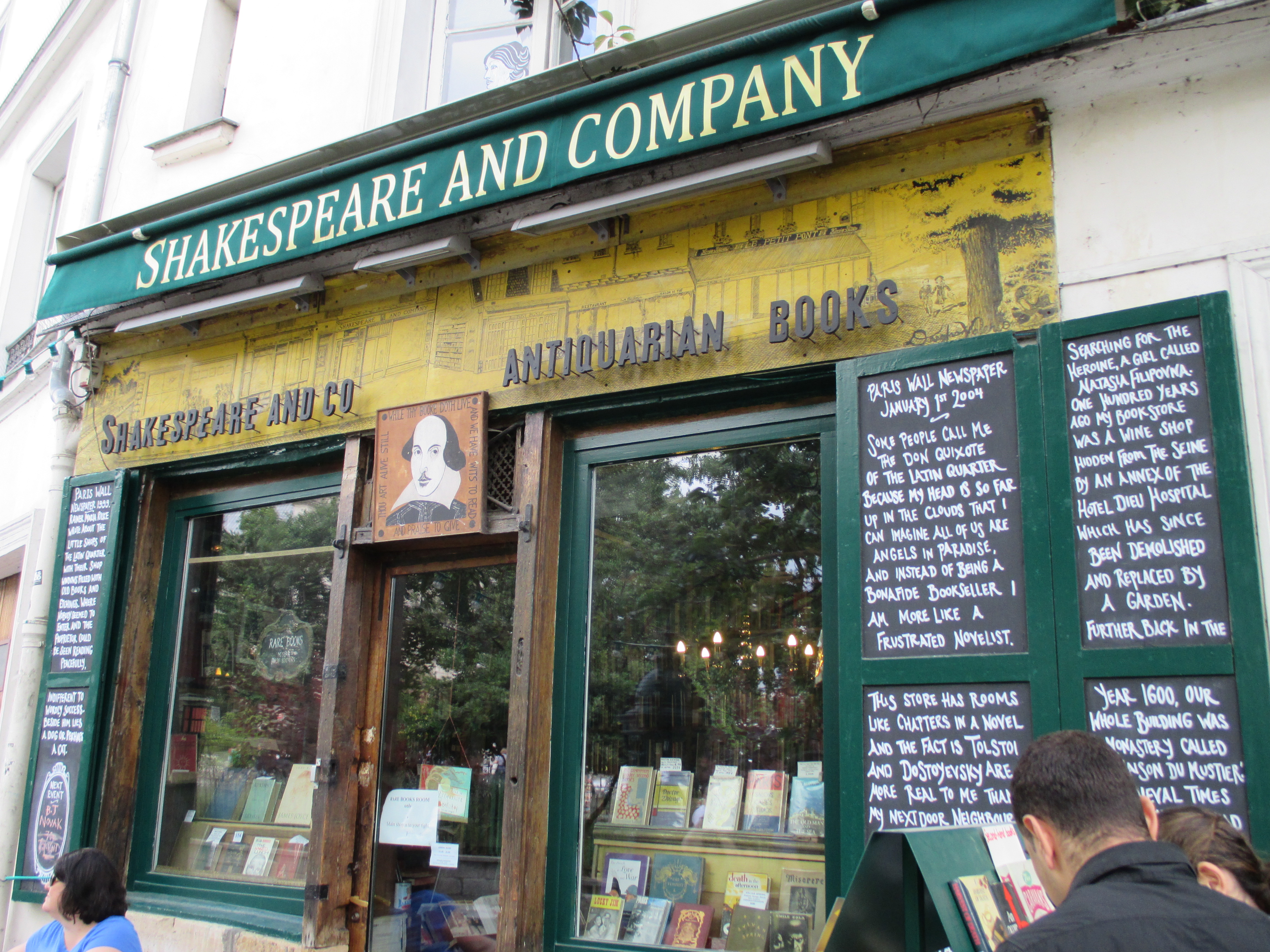
A few days in Paris, Writing . . . Years ago Never forgotten

Instructions for living a life.
Pay attention.
Be astonished.
Tell about it.”
―Mary Oliver

Moving a life forward is an investment in dreams, time, learning, relationship building, and so much more. Moving a writing life forward is all of that, and I would add it is also, at its best, a life transformed. As Anne Frank so eloquently put it: “I can shake off everything as I write; my sorrows disappear, my courage is reborn.” Writing did not save Anne Frank’s life, but I believe her writing has saved the lives of countless others.

Writers may feel called to the creative life, but that one precious life often must take a back seat to another, more practical life, one that includes a sensible career (aka something with a steady paycheck), perhaps with snatches of scribbling in between the job, chores, and attending to family or societal needs and expectations. The writing life can be a kind of shadow life. It has been for me. Some writers seldom or never mention their craft while engaged in their more acceptable “real” life.

“I love writing. I love the swirl and swing of words as they tangle with human emotions.”
—James Michener

It’s hard to explain to nonwriters why a few hours or a whole day spent attending a sporting event or a picnic can create in the writer a kind of panic—a feeling that the time needed to be alone, to read and to write, will never be enough, that time is seeping away, draining their spirit. Spending “free time” in non-creative areas can feel terribly wasted to the writer, while to others, the writer’s avoidance of joining in reeks of selfishness, or delusion. Or perhaps it’s just incomprehensible. Why, people wonder, is writing so important to you? There’s no money in it. And if there is, it’s only available to a few spectacularly talented gifted authors. If you had that gift, surely you’d have been published by now.

The writing life can be an ill-defined series of swells of poetic energy or flow, which is heady and soul lifting. There is nothing quite like those times. Catherine Drinker Bowen says, “For your born writer, nothing is so healing as the realization that he has come upon the right word.” And I have felt that many times. Writing has healed me.

But those transcendent hours or days are for writers seeking an agent or publisher likely to alternate with rejection after rejection after rejection. Writers do much of their writing alone, but if they seek representation and traditional publishing, they must eventually learn the oft times punishing lessons of business.

Soon I’ll be working with a developmental content editor on my completed World War II historical fiction manuscript. I’m excited to be taking this major step forward. It’s been a long journey, and honestly, I’ve loved the myriad lessons and experiences along the way, even the hard ones.

“If a story is in you, it has to come out.”
—William Faulkner

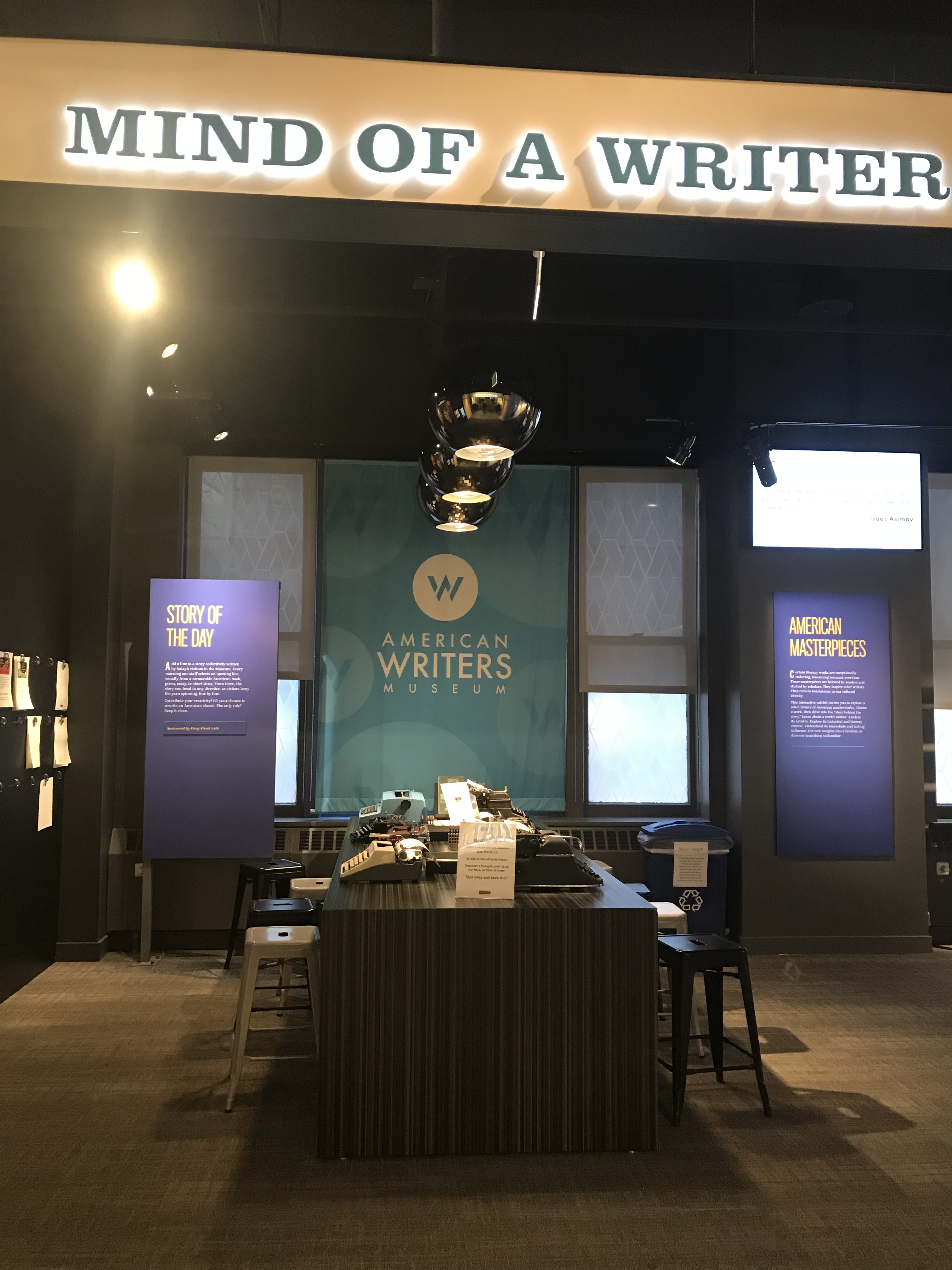
American Writers Museum, Chicago, Illinois

Thank you for visiting! Wishing you a wonderful day, doing exactly what you need and want to do.

With Love Always, Lori

43 Comments

Filed under Authors, Fiction, Gratitude, HIstorical Fiction, Identity, Literary Agents, Publishing, Reading, Research, Uncategorized, Work, World War II, Writing Advice

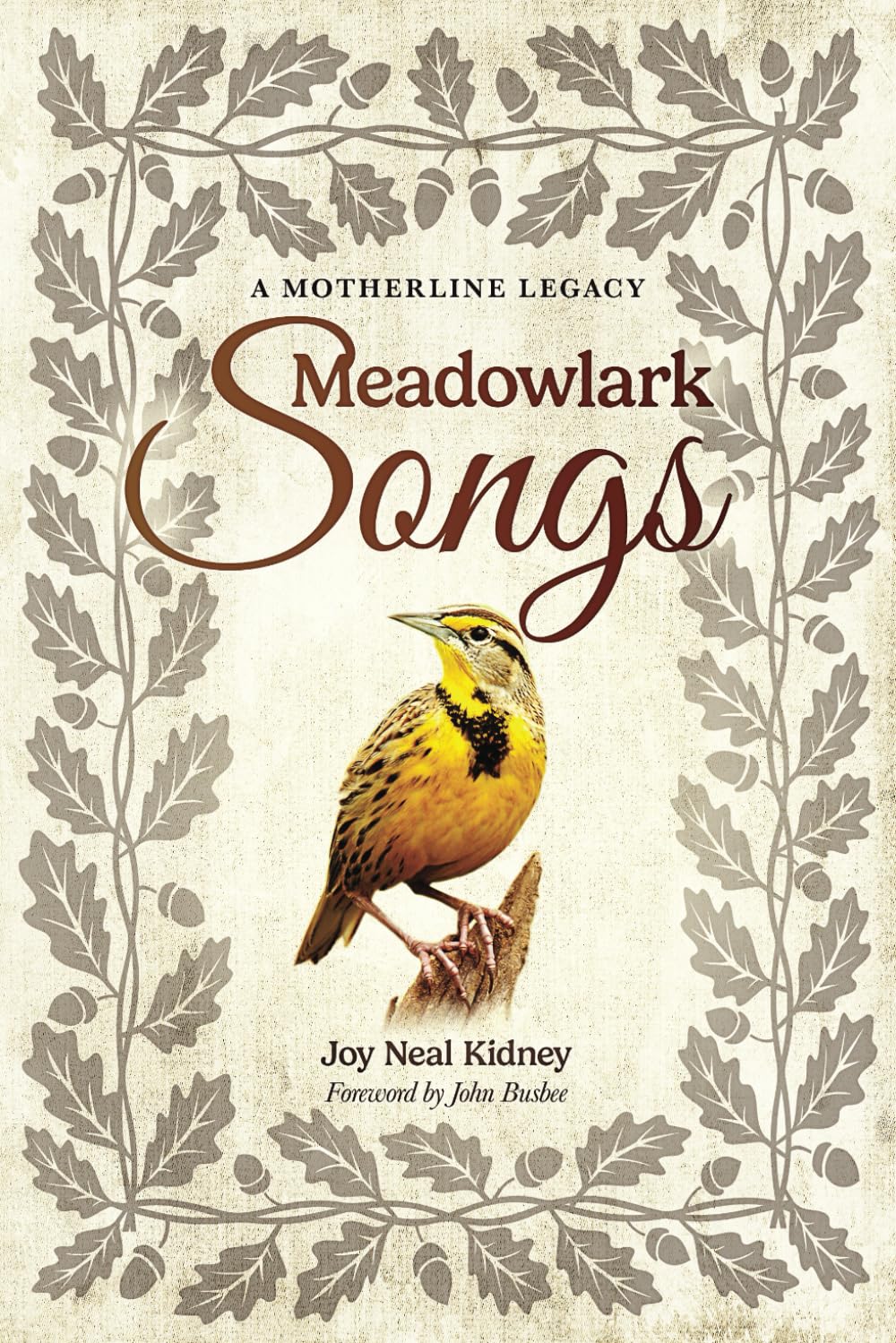
Book Review. Joy Neal Kidney, Meadowlark Songs: A Motherline Legacy

Version 1.0.0

Joy Neal Kidney’s treasury of family stories traces the lives of seven generations of her ancestors– their joys, their hardships, and their enduring faith.

The short, lyrical portraits of the lives of these women along with their husbands, sons, and daughters begin with Jane (Watson) Branson who was born in 1782 and end with Joy, herself, the memory keeper who researched, gathered photographs, recorded and wrote the lovely tributes, poetry, and historical details, and brought it all together for her family—and for her readers.

This charming volume gives all of us a delightful and heartfelt glimpse into the way our ancestors give us life, tradition, strength, and love, while reminding us of the many reasons we should honor them and remember them.

It’s a beautiful little gem of a book. Highly recommended!

Visit Joy on her blog at https://joynealkidney.com.

30 Comments

Filed under Books, Family, Personal History, Reading, Uncategorized

We are So Far Gone

Book Review

Jess Walter’s latest novel tells the story of Rhys Kinnick, a sad-hearted journalist who punches his son-in-law in the face at Thanksgiving, throws his cell phone out his car window, drops out of society, and goes off to live in the forest. The experience of reading So Far Gone reminded me of the not dissimilar experience of watching a Coen brothers movie such as The Big Lebowski or Fargo—odd ball characters, extreme situations, violence, and humor—often jumbled up together in the same scenes—in an overall story that somehow also manages to convey intelligence and love.

Walters is a master at building complicated characters in vivid, precise strokes. The characters in So Far Gone range from the struggling grandfather protagonist, to his charming grandchildren, his confused daughter, a group of religious zealot gun-toting conspiracy theorists, a bipolar retired cop, an old girlfriend with major attitude, his loyal friends Joanie and Brian, and other colorful characters Rhys meets along the way.

It’s a story about a crumbling America, about people lost and found, a world under siege, and ultimately about small miracles of healing magic fashioned by family and friendship. I found it refreshing, and touching, funny, sometimes outrageous, disturbing . . . and also an interesting look at the way some of us old dreamers and staunch believers in the ideals of fairness, justice, and a better future for all are feeling about and reacting to the twisted reality we now see laid out before us. So Far Gone is the perfect title for a book that describes us, now, today.

18 Comments

Filed under Authors, Books, Commentary, Reading

Common Threads Lead to Joy

From Top to Bottom: Sierra Boggess and Emily Jewel Hoder in the revival production of “The Secret Garden” at Center Theatre Group / Ahmanson Theatre February 19 through March 26, 2023.
Photo credit: Matthew Murphy of MurphyMade

As a way to identify the activities that bring me joy and find ways to incorporate more of them—more often—into my daily life, I recently completed a writing exercise. It morphed into several disparate, yet ultimately connected and delightful experiences. I had so much fun with it, I just had to share!

Here is the prompt: “Write a letter to your childhood hero. You won’t actually send this letter. Tell them about what has brought you the most joy in each decade of your life. Don’t think too hard about the answers. Write the first things that come to mind. Reread the letter. Do you see common threads?” -Brittany Polat, PhD. Journal Like a Stoic, c2022.

Choosing who to write to was an intriguing part of the process. Who, I asked my little girl self, is your hero? The name that sprang spontaneously to mind was Frances Hodgson Burnett. Of everyone I could have chosen, for some reason I chose a lady author, a woman I’d never met and in fact could never have met because she died thirty-two years before I was born. She may have left the earthly realm, but she was very alive to me. She spoke to me through her books. The Secret Garden was my favorite, and I have continued to love it my whole life, cherishing it through rereads, watching all of the movie versions, and attending the play.

Before writing my letter to Frances, I did a bit of research on her life, and what a full life it was! Born in 1849 in England, impoverished at age four after her father’s death, Frances eventually traveled with her mother to live in a log cabin in Tennessee during the American Civil War. It was writing that finally lifted her out of poverty. She was a highly regarded author who published fifty-three novels and owned homes in both England and America (Gerzina, Gretchen H. “In the Garden: The Life of Frances Hodgson Burnett.” Shakespeare Theatre Company, c2024).

This research into Frances’s life inspired me as I wrote to her about the greatest joys in my own life. The common threads became very clear. Family, friends, nature, wildlife, pets, reading, writing, and learning showed up consistently throughout the decades. These are the things that spark the most joy for me.

Frances with her sons

With this in mind, I agreed to an unplanned day-long trail ride with my husband on a day I had planned to spend doing laundry and vacuuming the house. Seems like an easy choice, venturing out into nature with my guy rather than doing chores, but I honestly might not have agreed to drop everything and go if I hadn’t just completed my “joy inventory.”

Though housekeeping and organization didn’t make themselves known in my letter to Frances, they are important to me, nonetheless. I find it difficult to get to joy in any kind of untidy environment, whether in my own home or anywhere else. Still! I managed to say yes. As a bonus, I thought I could write about it afterwards, thereby including another of my favorite activities in the event.

Here is the result:

Off highway vehicle trails abound in the high elevation areas of the entire Toiyabe Mountain range and extend down into the valleys and basin below. We have an old side-by-side Rhino that can climb just about anything at very low speeds and peaks at 30 miles per hour on a flat road going downhill (a situation not often experienced here). Our chosen route for the day was to begin at our home in Austin, travel to Big Creek Campground, and then continue over the mountains into the adjacent valley to the east.

My guy and the Rhino
Big Creek
Soon to be up and over the top!
Groves Lake

Along the way we experienced the expanse of the Reese River Valley over exposed rocky trails and into and over the mountains with multiple stream crossings, aspen groves, meadows, and significant elevation change. We passed by two campgrounds (Big Creek Campground and Kingston Campground) and Groves Lake, winding up in the charming Kingston community where we were welcomed by the wonderful ladies of a Monday Mahjong groups that meets at our friend Linda’s house. There we were treated to a delicious lunch and lively conversation before heading back over the mountain. Friendship, another joy inducing ingredient added! It was a lovely day.

Old Kingston Ranger Station
Linda and the Mahjong Ladies welcomed us in!

From the initial moments spent reading the prompt in my journal it was indeed a joy to experience the results of contemplating a childhood hero, writing to her, thinking about my life in decades, and saying yes to an impromptu adventure.

It would be wonderful to read about your hero, and the joys of your decades. Who would you write to? What insights about joy might your letter reveal? If the spirit moves you, please do give this little project a go! You might find yourself delighted by the results, as I have done. Looking forward to hearing from you!

Happy Writing!

Joy and Adventure live inside–
and out!

Lori

36 Comments

Filed under Books, childhood, Family, Identity, Nature, Reading, Uncategorized, Writing, Writing Advice

Surviving Sue Review and Traces in the Snow

Today in the Reese River Valley. My photo.

Two consecutive snowstorms, and the sun sparks diamonds on the snow-hushed surfaces here in Austin and in the Reese River Valley just below us, giving us time to read, to wander, to cook, and to write.

Walking after a snowstorm is one of my favorite activities, along with walking in a warm rain, or on a starry night, or along a tree-lined lane at the height of autumn. It’s like walking inside a dream, a vision, a movie . . . all of it a magical changing work of art. This has been that kind of a weekend. An appreciated and needed balm for the eyes, ears, heart, mind and soul.

Our footprints going down our driveway last winter after a similar storm in Austin, NV. My photo.

After today’s walk, I finished reading Dr. Vicki Atkinson’s memoir, Surviving Sue: An Inspirational Survivor’s Story About a Daughter and her Life with a Mother Who was Riddled with Alcoholism, Alzheimer’s, Anxiety, Depression, and Munchausen’s. Vicki is a fellow blogger, one I follow and read with pleasure, always knowing I will find something positive, real, and insightful in her posts. Vicki is generous with her readers, sharing of herself, her humor, her highs and lows with an empathic interest in our perspectives.

This is Vicki’s voice, and it shines on the pages of her book. She is a profoundly kind-spirited woman who grew up learning how to turn the injury and injustice of her mother’s mental illness into something bigger than her own pain. With keen intelligence, her father’s and sister’s love, and later through her own family and probably also due to her dedication to her studies, Vicki survives and thrives, and she does it without ever compromising her own values.

Vicki’s Wonderful Memoir

Vicki’s compassion for her mother is more than challenged over the years, but somehow, she stays the course of doing what she believes is best for everyone concerned. For those who don’t know Vicki or haven’t read Surviving Sue, I’d like to stop here to encourage you to read it for yourself. This story is worth your time. It may even affect the ways you view some of your own experiences, past or present. It may soften your heart. It’s a beautiful book, and an engaging read.

Surviving Sue, Eckhartz Press, Chicago. Copyright © 2023. Vicki’s Blog is victoriaponders.com. Vicki also shares a podcast with her friend and colleague, Wynne Leon of Surprised by Joy (Blog). Their podcast, The Heart of the Matter can be found at sharingtheheartofthematter.com.

Now it’s time for the cooking part of the day. I’ve got an eggplant, lots of spices, cheese, pasta, greens, and tomatoes. Oh, and wine.

Should be a beautiful night.

Photo by Pixabay on Pexels.com

24 Comments

Filed under Books, Commentary, Nature, Reading, Seasons, Uncategorized, Voice, Winter, Writing

And Then Came 2025

At “The North Pole”

Sky Park at Santa’s Village

Skyforest, CA

I headed home from my holiday travels at the end of December, heart-filled with the love of family. I was tired, but happy in the distinct way grandmothers know well. I had just been given a multitude of irreplaceable moments with my best beloveds . . . Tiny hands holding mine, some still so small, and some growing too fast. Also bigger hands and hearty hugs. Teens and twenty-somethings updating me on their lives. Strong, beautiful, and grown. Smiles. Laughter. Storybooks shared. Snowman crafts. Game playing. Sleepy cuddles. All of it so cherished.

After tearful goodbyes, I checked in for my flight and went in search of a new journal at the airport gift shop, thinking I could begin it on January 1st. Last year, returning from my Christmas trip, I had purchased one there, and it had been a terrific addition to my writing life. Alas, this time nothing spoke to me, probably because I already had it in mind that I wanted a guided journal like the one I used in 2024 (The Breathe Journal 52 Week Guided Planner) and they didn’t have anything similar.

Once home, my usual routines resumed, but with more than the usual spark of wonder and worry that a new year brings. This was not going to be just any new year. Apprehensive, sad, and often angry, too, I knew that I was going to have to work hard to maintain my usual optimism and good will. Honestly, my optimism was at one of the lowest levels I have ever known. Somehow, I was still hanging on to my feeling of good will in all my daily encounters. My genuine love of the people I see during the course of a regular week’s activities lifts me up. But when I was at home reading the news, I was feeling helpless and exceptionally low.

Mr. P and I stuck to our walking schedule, which we know is a nonnegotiable necessity, and I was happy to return to my library job and to church on Sundays. These things always help. Still, I knew I needed to get more writing in, and was stuck—am stuck—as far as my historical fiction manuscript goes, so I searched online for a new journal. I found and ordered Journal Like a Stoic: A 90-Day Stoicism Program to Live with Greater Acceptance, Less Judgment, and Deeper Intentionality by Brittany Polat, PhD.

By the time the journal arrived, we were more than halfway through January, and I was physically unwell. I am only into my third day of using it, but I would say it is helping me in the way that almost any honest attempt at writing truthfully from my heart and mind can do. It focuses my mind with reading, questions me with depth, and sets a task before me. I like it.

From the book: “Stoicism is a philosophy of life in the fullest sense. As a framework for daily living, it can guide us in every decision we make, from our career choices to what’s for dinner tonight. What’s more, it helps ground us when we’re living through what feels like unprecedented times.”

The kitty is also interested in stoicism.

The three disciplines of stoicism are logic, ethics, and physics. The four virtues of stoicism are wisdom, justice, courage, and temperance. All these things I can get behind, believe that I mostly already embrace them. I say mostly, because I am ignorant when it comes to physics, and historically slack when it comes to temperance. Still! I am in. I will faithfully read and respond to the prompts in the book. I will write honestly.

I plan to continue with the other things in my life that sustain me: my love of friends, family, community, church, library, nature, reading, art, music, cooking, and pets (to name a few). And I will write the occasional blog post! I love connecting with all of you!

Cheers

To us! To a year of introspection and growth, and to a lifetime of love-motivated action and purpose. God Speed.

16 Comments

Filed under Holidays, Identity, Memories, Nature, Reading, Uncategorized, Work, Writing