Tag Archives: Book Review

Warm Summer Sun and Many Golden Days

Warm Summer Sun

by

Mark Twain
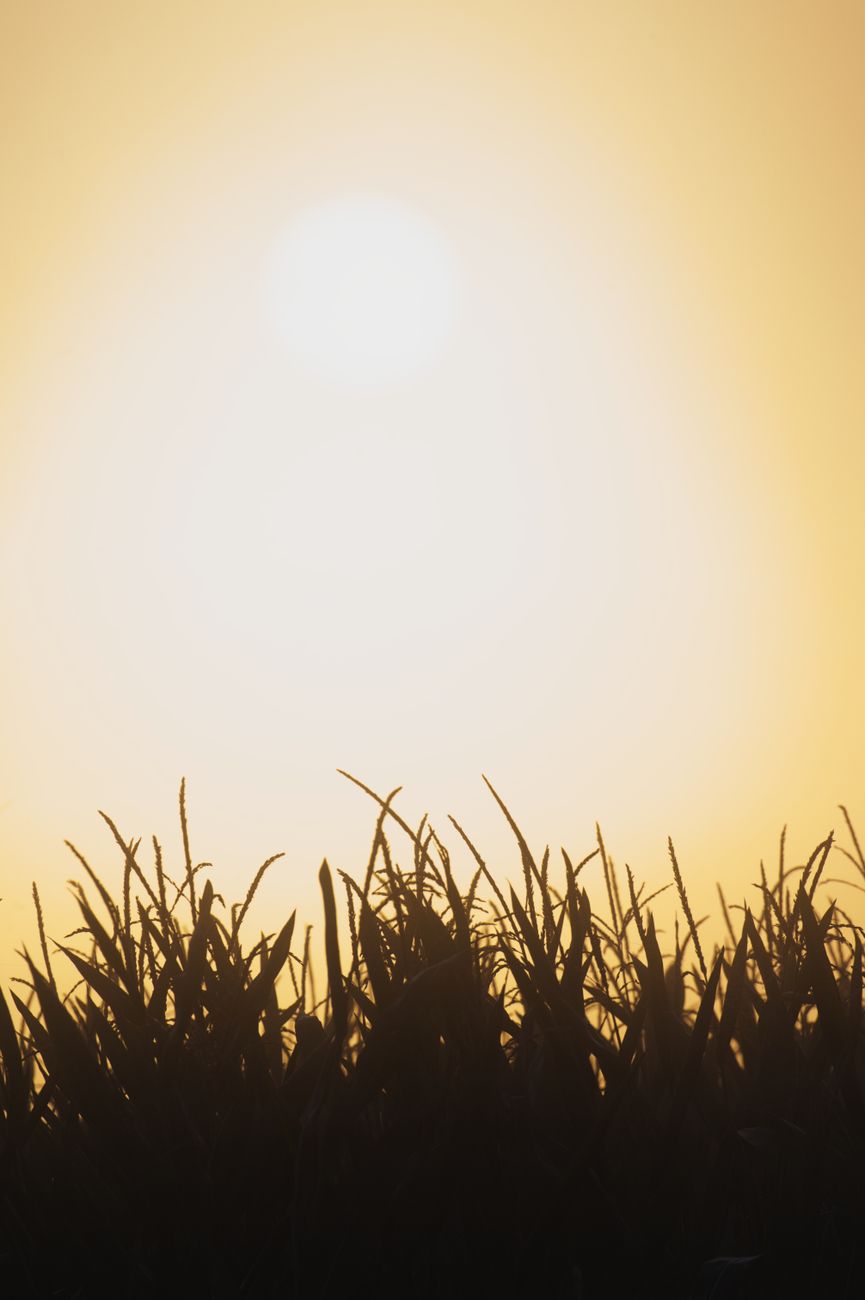
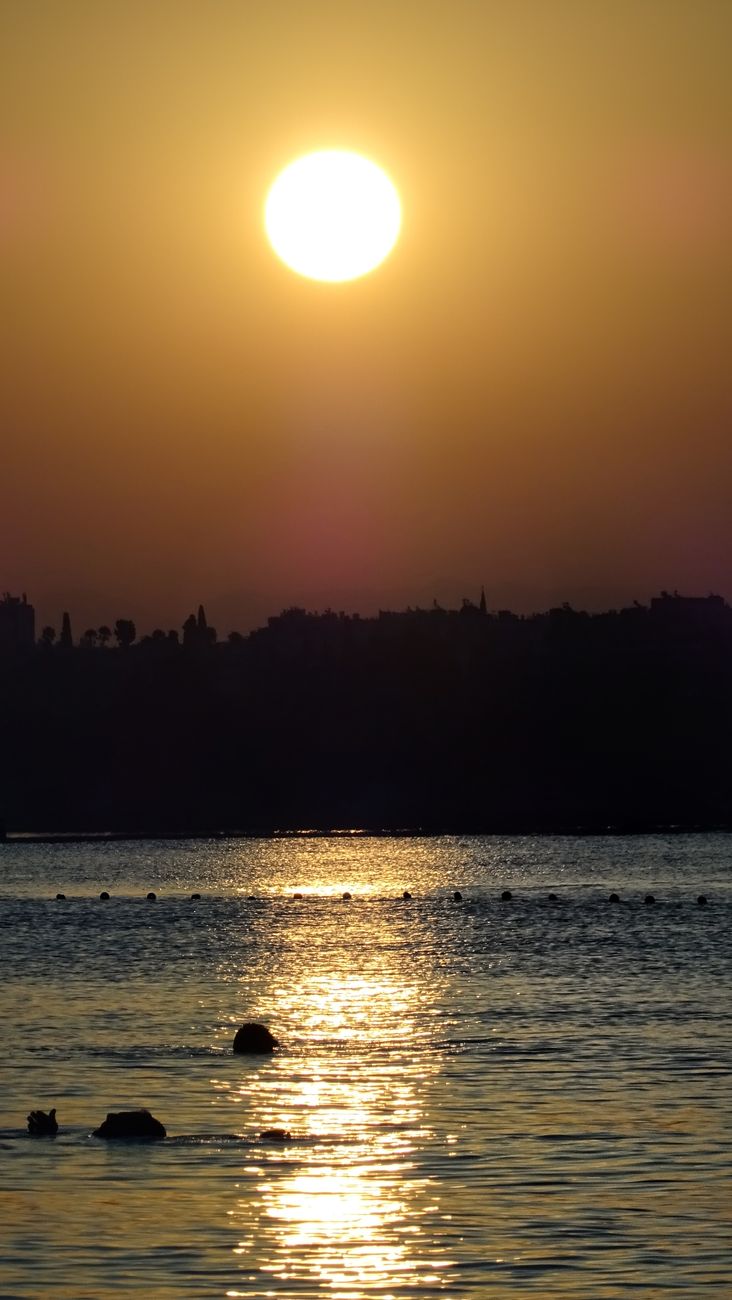
Photo by Michal Petráš on Pexels.com

Warm summer sun,

Shine kindly here,

Warm summer wind,

Blow softly here.

Green sod above,

Lie light, lie light.

Good night, dear heart,

Good night, Good night.

August 2026. Because no one ever promised me a rose garden, I am not surprised that I do not have one. I am incredibly lucky, I know, to have a house. A roof over my head. A husband who loves me. It’s involved a lot of work and a lot of moving and some really tough choices, but we have a century old home and we own it outright. It’s what’s called a fixer-upper, but it’s in a charming neighborhood in a nice town in a beautiful part of the country.

This home doesn’t have a rose garden, but it does have a small yard with five trees: a pine, a crabapple, a maple, a walnut and an ash, and for those I am very grateful. This matters because life without an abundance of trees makes me sad.

I think I was born knowing this, that I needed trees, but I haven’t always been able to live in a forest. Sometimes, though, I have. I’ve lived among the branches, crowns, needles, and leaves of thousands of trees, as in the San Bernardino Mountains of Southern California where the trees literally grew through the deck of the house and rubbed against its sides during storms. I lived amid towering pine and oak forests, watching the squirrels argue with the Stellar Jays. Chattering, flying balls of fur and haughty blue-winged overseers fighting it out for the choicest acorns. In Southern Wisconsin, I lived in boggy woods nestled around the Fox River, heaping piles of autumn leaves burning in all the yards in November, ears tuned to the haunting calls of owls at night and eyes searching for the bright scarlet wings of the cardinals, ears hearing their sweet duets—cheer, cheer, cheer!
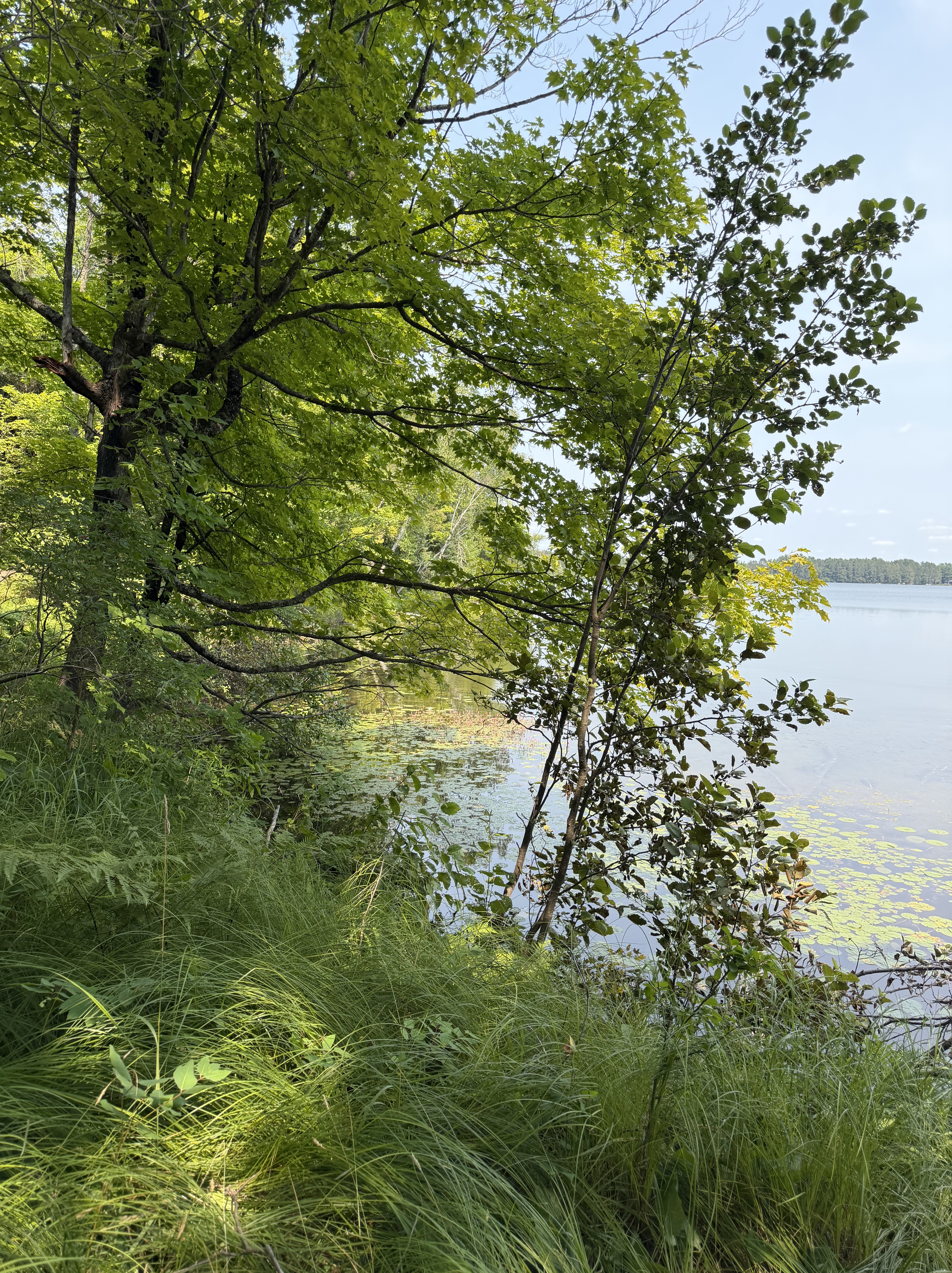
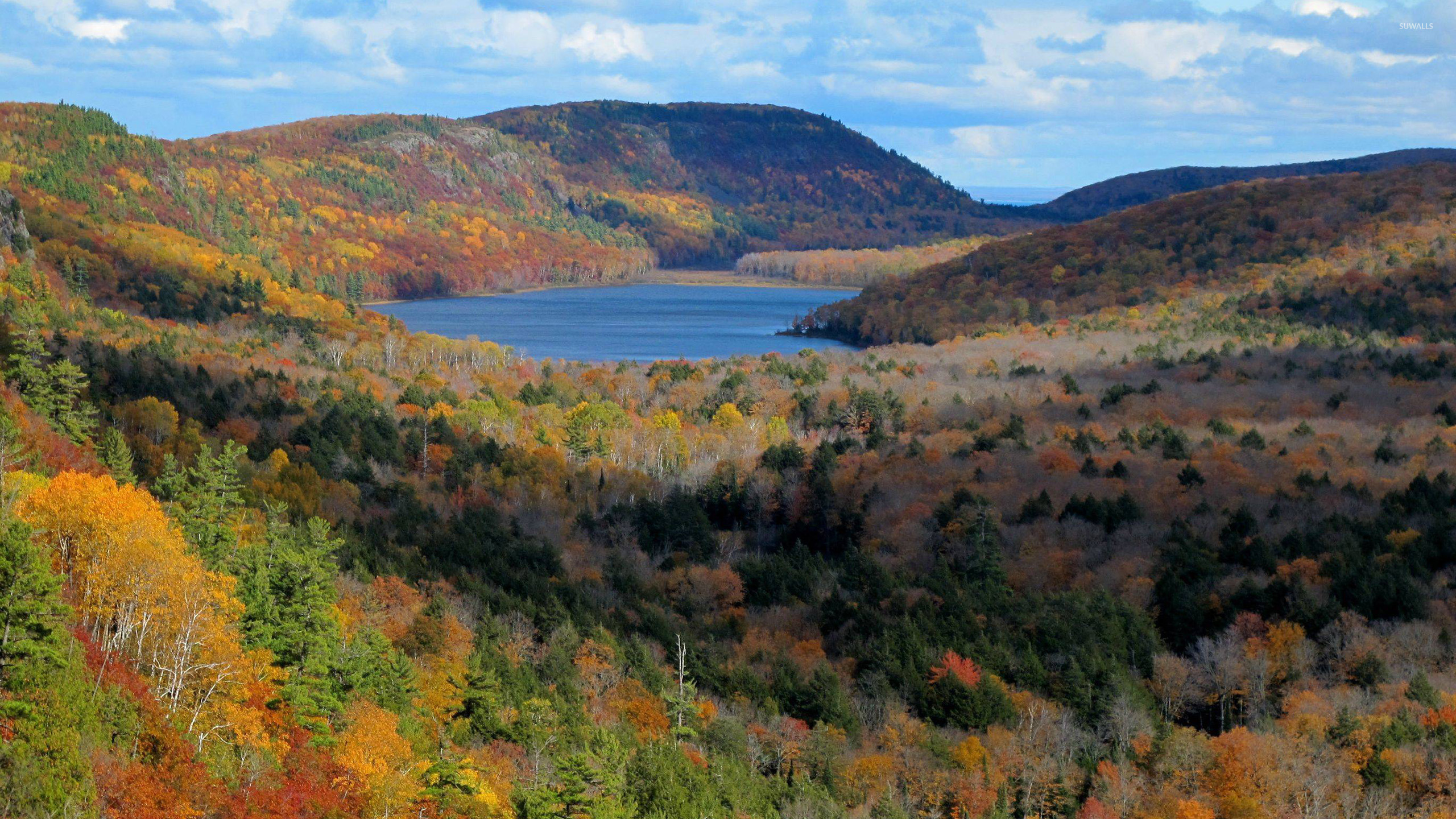
Fumee Lake, my photo

I’ve lived in other places that I loved, but found that the number of trees in proximity needed to be at a fairly high ratio compared to the number of dwellings for me to . . . what? Breathe properly? Yes, to breathe. Something close to that anyway.

Here in our new/old home in Michigan, in the glorious Upper Peninsula, we originally had three more trees than currently. Sadly, this was only for the first couple of weeks we owned the house. They were beautiful old pines, but we had to have them removed when we moved in and discovered that all the plumbing needed to be replaced inside the house, along with the sewer line that leads down to the street. This necessitated having those trees removed, half of the yard dug out, and then once everything was redone, a truckload of dirt brought back in and that half of the yard reseeded.

This also necessitated the emptying of our savings account (please don’t ask about why we had no other recourse…). Also, some extremely dear friends helped us with the final expense for all of that. There is no adequate or even semi-adequate way of expressing our gratitude for our friends. You know who you are and I hope you know how much you are loved. And—anyway! Anyway!

When we purchased our house, both the structure itself and the yard had been neglected for quite some time—years—decades even. The house will no doubt be given more of a starring role in an upcoming post, but for now, since I am finally writing again and I seem to want to write about trees and plants, I will briefly describe the yard.

The garden consists of a couple of small areas near the house where my husband and I managed to put in a few plants when we moved here this spring: two small Japanese willows, a lavender and a sumac. Money was very tight (think sewer), so we didn’t even try for an annual garden nor any vegetables. Frankly, it was a money issue and a “first the house has to livable” issue. Next spring, we’re hoping to plant more.

Deer are not lavender lovers, and since sumac grows wildly all over the Midwest as far as I know, I didn’t think it would attract them either. I wanted something that would be colorful in the autumn. I was pretty sure the delicate looking willows would look tasty to wildlife, but I chose them anyway. They were small and inexpensive.

Sure, we knew deer might be a problem, but we adopted the “wait and see” approach. Some neighbors had shrubs and flowers, not as many as could easily have been grown in such lush soil and usually ample rainfall, but still, there were baskets of flowers and ferns hanging on most of the porches and a few manicured beds. On closer inspection, we noticed various deer deterrent devices throughout the area.

We caged the willows and sumac after the first night when they were nearly totally consumed by a few of our local white-tailed deer. The required wire fencing and stakes cost more than the plants, and naturally, they are not as attractive now that they are nubs shrouded by fencing.
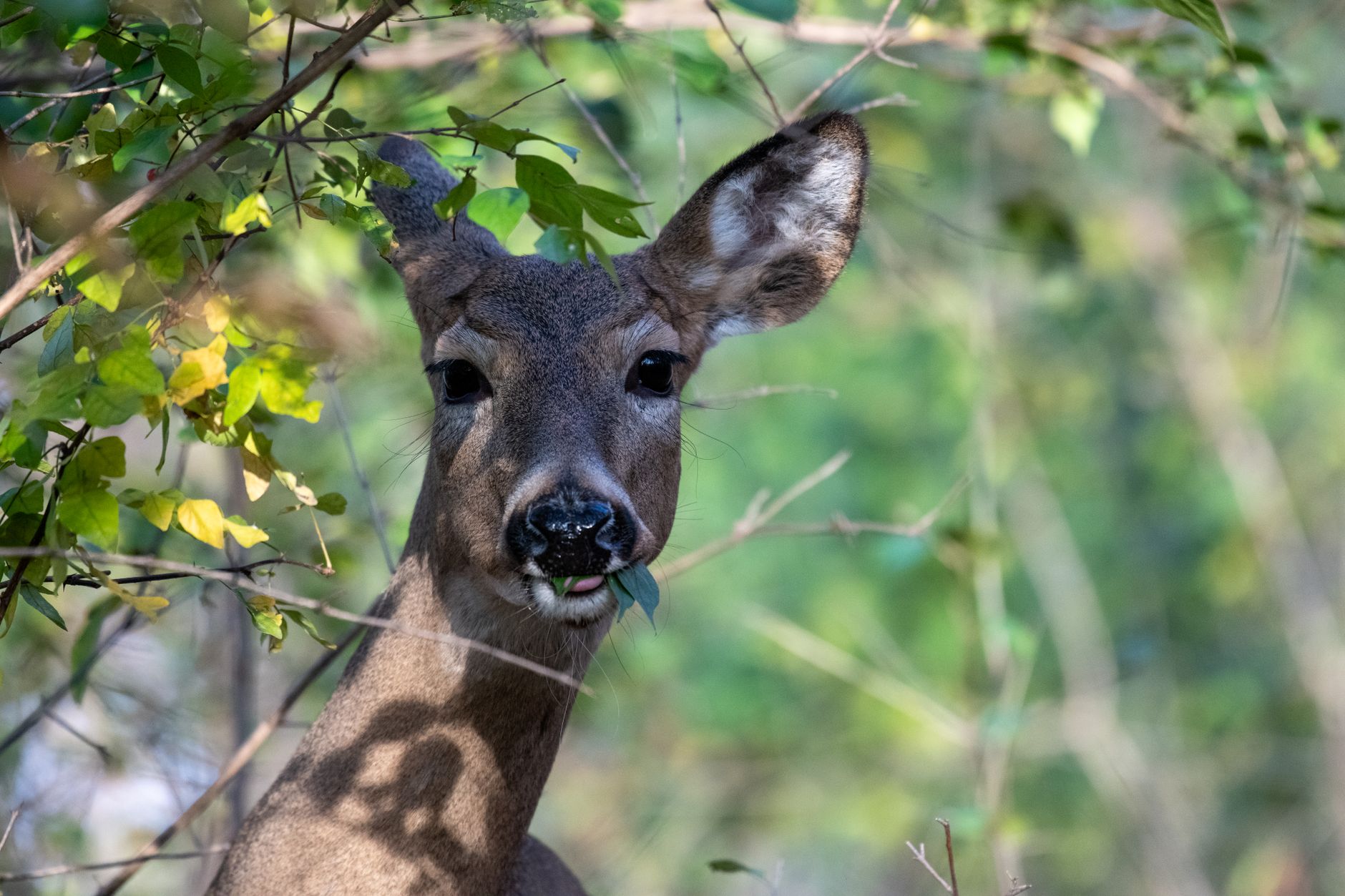
Photo by Andrew Patrick Photo on Pexels.com

The deer are worth it though. They are so beautiful. Life goes on, and we do our best.

Sometimes, when the days feel heavy and colorless, bleak and hot, I cannot summon the courage to write. That doesn’t mean I lose the longing for beauty and comfort during the long hot days of summer, it just means I have to dig down a little farther into the cooler depths where the roots still rest and strive, into a quieter place than the garden above. This has been that kind of a summer. A quiet time of long walks, house painting, reading, and waiting to hear from my publisher. A time of burrowing in, fortifying, growing roots. Hoping that the time spent walking in the woods, the time spent immersed in the compelling work of other writers, the time spent repairing this old house is time spent on growing a new kind of garden. The right garden for us to live in now, here in Michigan, at this time in our lives.

These are the wonderful books that have been filling my head and heart lately:
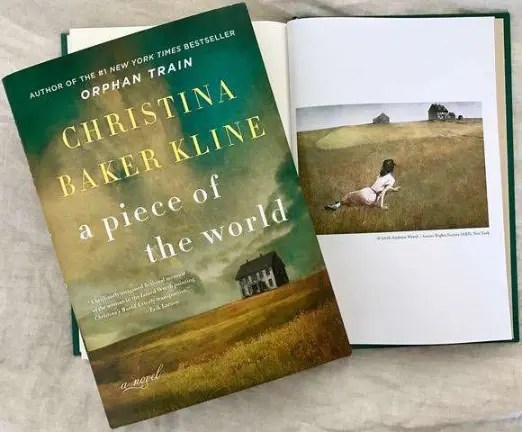
A Piece of the World by Christina Baker Kline.  I loved this book! I am still thinking about it for a week after finishing it.

When the Cranes Fly South by Lisa Ridzen.

The Diamond Eye by Kate Quinn

Tom Lake by Ann Patchett

I See you’ve Called in Dead by John Kenney

The Missing Pages by Alyson Richman

The Mad Wife by Meagan Church

Just for fun: The Villa by Rachel Hawkins

Just started: The Briar Club by Kate Quinn
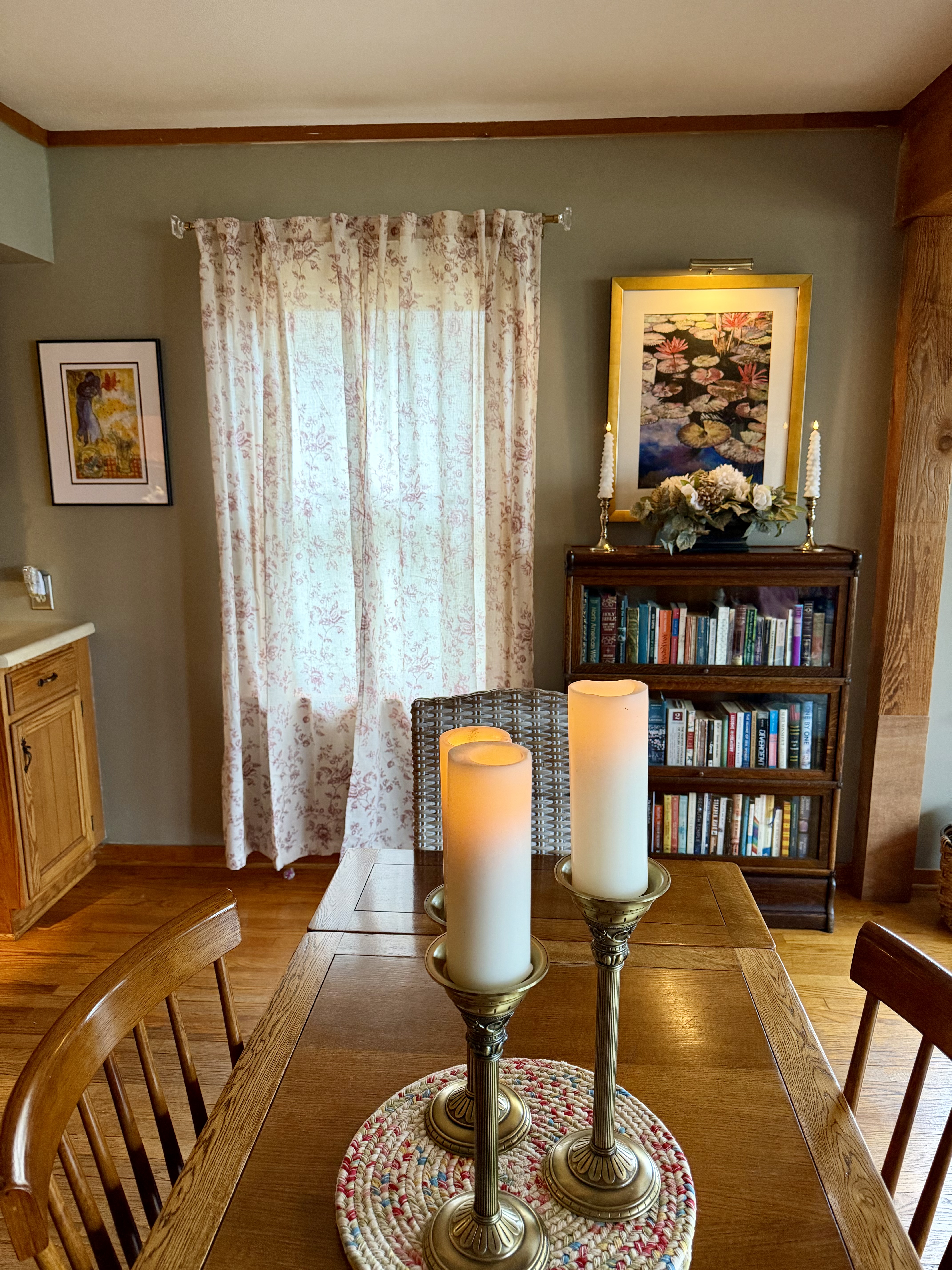
Newly painted and curtained dining area. My photo.

And now, Welcome, Welcome to September!

A Month of Change and New Possibilities!
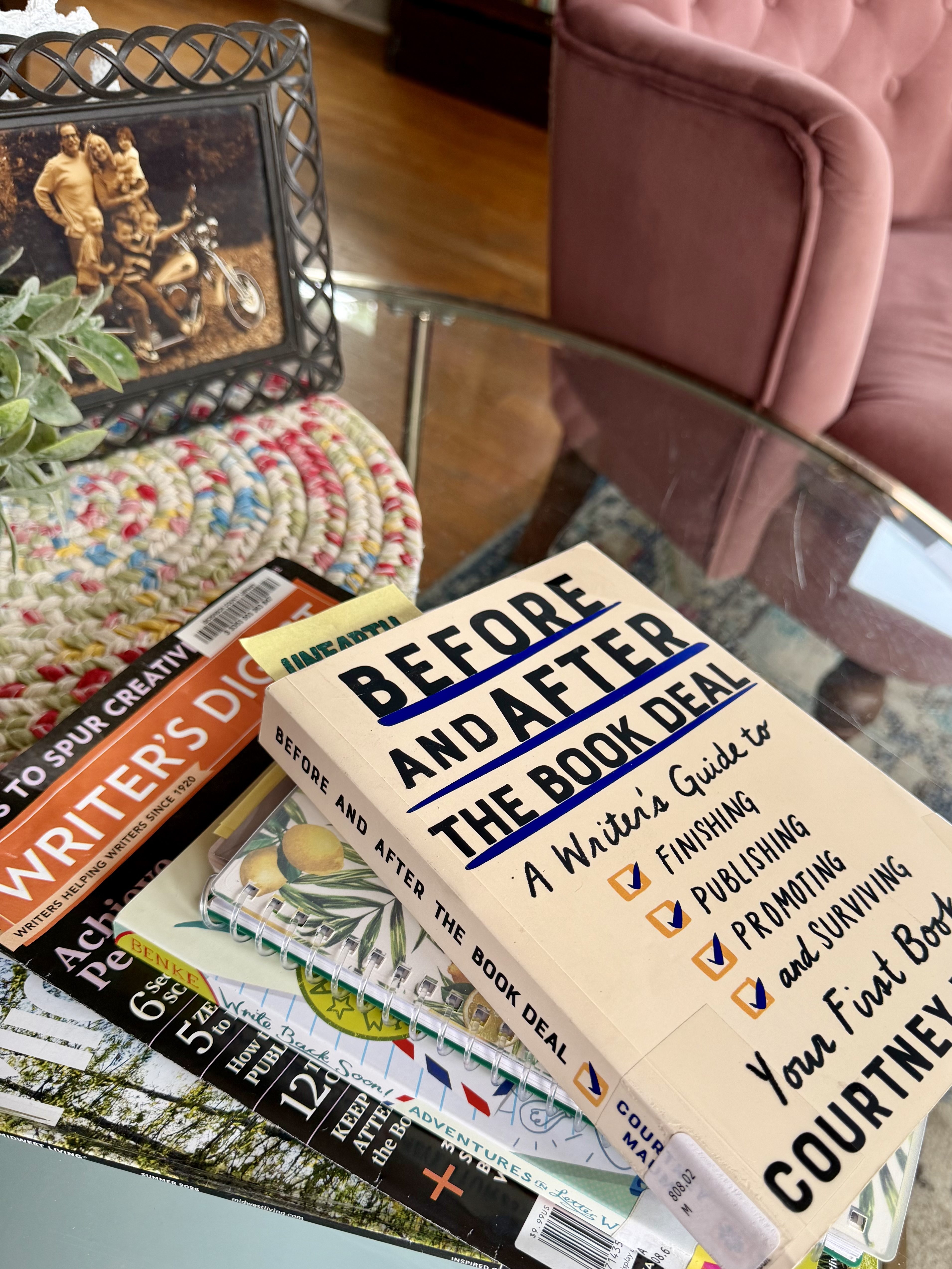
Some other things I’ve been reading. My photo.

Wishing you all wonderful days

and

plenty of the things that matter most to you!

Lucy Maud Montgomery, ‘September’.

Lo! a ripe sheaf of many golden days
Gleaned by the year in autumn’s harvest ways,
With here and there, blood-tinted as an ember,
Some crimson poppy of a late delight
Atoning in its splendor for the flight
Of summer blooms and joys­
This is September.
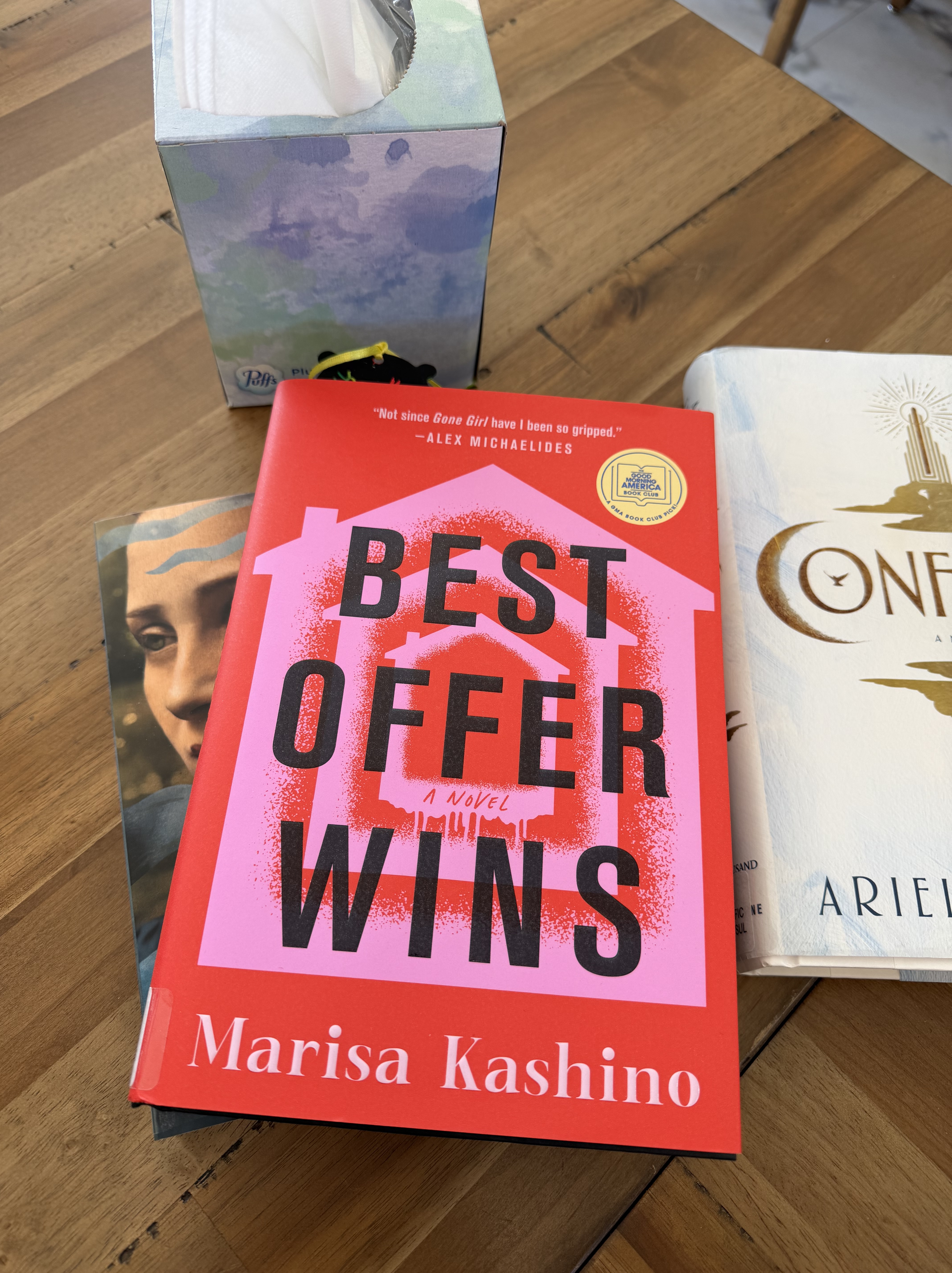
Photo by photo_share07 on Pexels.com

62 Comments

Filed under Authors, Books, Fiction, HIstorical Fiction, Home, Identity, Literary Fiction, Nature, Personal History, Publishing, Reading, Seasons, Uncategorized, Writing

Book Review: Glimpses, Grandfather’s Life During World War II by Stephanie Peirce

A Priceless and Precious Piece of World War II History

I have had the privilege of friendship with the talented poet, Stephanie Peirce for some years now. We met at Goddard College where we were both pursuing our MFAs in creative writing, Stephanie as an aspiring poet and I as a writer of novel length fiction. It was love at first sight (for me anyway!) when I sat in on a poetry group she was in. She was, I fancied, a younger and more talented version of me. We both had the same long, wild mass of hair, though mine was beginning to silver by then and hers was golden. Somehow, though we were on different paths and didn’t see much of each other at school, we began a long distance friendship after graduation, checking in on each other’s writing journey and eventually serving as reader-editors for one another’s manuscripts.

Glimpses is Stephanie’s newest achievement, and it is wonderful! I recommend it heartily, and I am so proud to introduce you to it here.

Glimpses is a slim volume of letters, photos, and commentary that offers precious glimpses into the lives of the author’s paternal grandparents, Catherine “Treenie” Barham Peirce and Chichester “Chit” Tapscott Peirce Jr., who was killed in Germany on February 9, 1945. It tells a compelling story of love and loss, one that is carefully compiled and beautifully rendered. It is an absolute treasure, a gift not only to the memories of Stephanie’s grandparents, but also to the countless lives altered by World War II, and to readers and historians everywhere.

Glimpses will fit perfectly on this shelf!
Stephanie’s first book of poetry, The Bright Dark

Wishing you all ample time to read, to write, to dream and to create–and beautiful friends to share it all with. Love, Lori

34 Comments

Filed under Authors, Books, Commentary, Nonfiction, Reading, Relationship, The Greatest Generation, Uncategorized, World War II

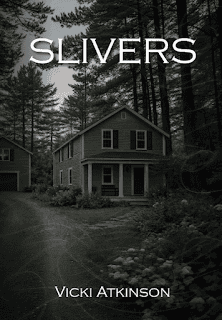
Slivers by Vicki Atkinson

“In a single week in the summer of 1973, a quiet suburban neighborhood implodes when generations of mystical deceit become too much to bear. Drawn to the web of secrets and lies, the other worldly slivers refuse to be ignored, pushing one family to the brink.” –Slivers blurb

Vicki Atkinson employs her considerable knowledge of psychology, a deep interest in intuition, and a firm commitment to empathy to create a novel about a family in distress in her debut novel, Slivers. The young protagonists share much more than they realize as they struggle to reveal the source of strange supernatural swirls, voices, tendrils, smoke, and more that plague them and their families.

Slivers combines teen camaraderie and adventure with a strong nod to tradition, ancestors, and the importance of unity. It speaks of family ties, and the importance of avoiding self-serving interests. It also offers some resplendent images that I very much enjoyed, such as this one:

“…a brilliant sunburst flooded the room. The legacy box grew and its ornate lid opened, revealing a scroll, unfurling until it filled the entire closet, floor to ceiling. The man in the portrait was no longer there, but his presence remained as he gave a one-word command to the scroll: “Reveal!” The largest family tree they’d ever seen hovered before them, grand and imposing with hundreds of large and small branches, each with names and tiny portraits…”

When you read the book, be sure not to miss the fascinating reveal in the Author’s Notes at the end. I won’t spoil it for you, but it’s a bit of Atkinson’s family history she discovered while doing research for the novel. Its relevance really adds weight to the story’s impact.

I’m lucky to have found Vicki Atkinson through my WordPress blog and to have read her riveting memoir, Surviving Sue, which if you haven’t already, I strongly suggest you read. Vicki is a generous writer and friend, one that I am proud to recommend!

Be sure to visit Vicki Atkinson at https://victoriaponders.com. You will love Dr. Vicki!

39 Comments

Filed under Authors, Books, Commentary, Reading, Writing

Live. Love. Lake. And Read!

Hello, Friends! In between a busy schedule of painting and repairs on our new/old house, Mr. P and I have been enjoying the warmer weather, and particularly the explosion of leaves and flowers on the deciduous trees and in the gardens and on the porches of many of our neighbors. We had one day that was much too hot for me, but so far, only one, so I have nothing to complain about. I am loving the mostly cool and humid spring climate here in the upper peninsula of Michigan. I told my husband it’s sort of like a cool Hawaii—lots of interesting weather changes within a day along with a lush and verdant landscape. It can go from sunny to cloudy and back again in no time.

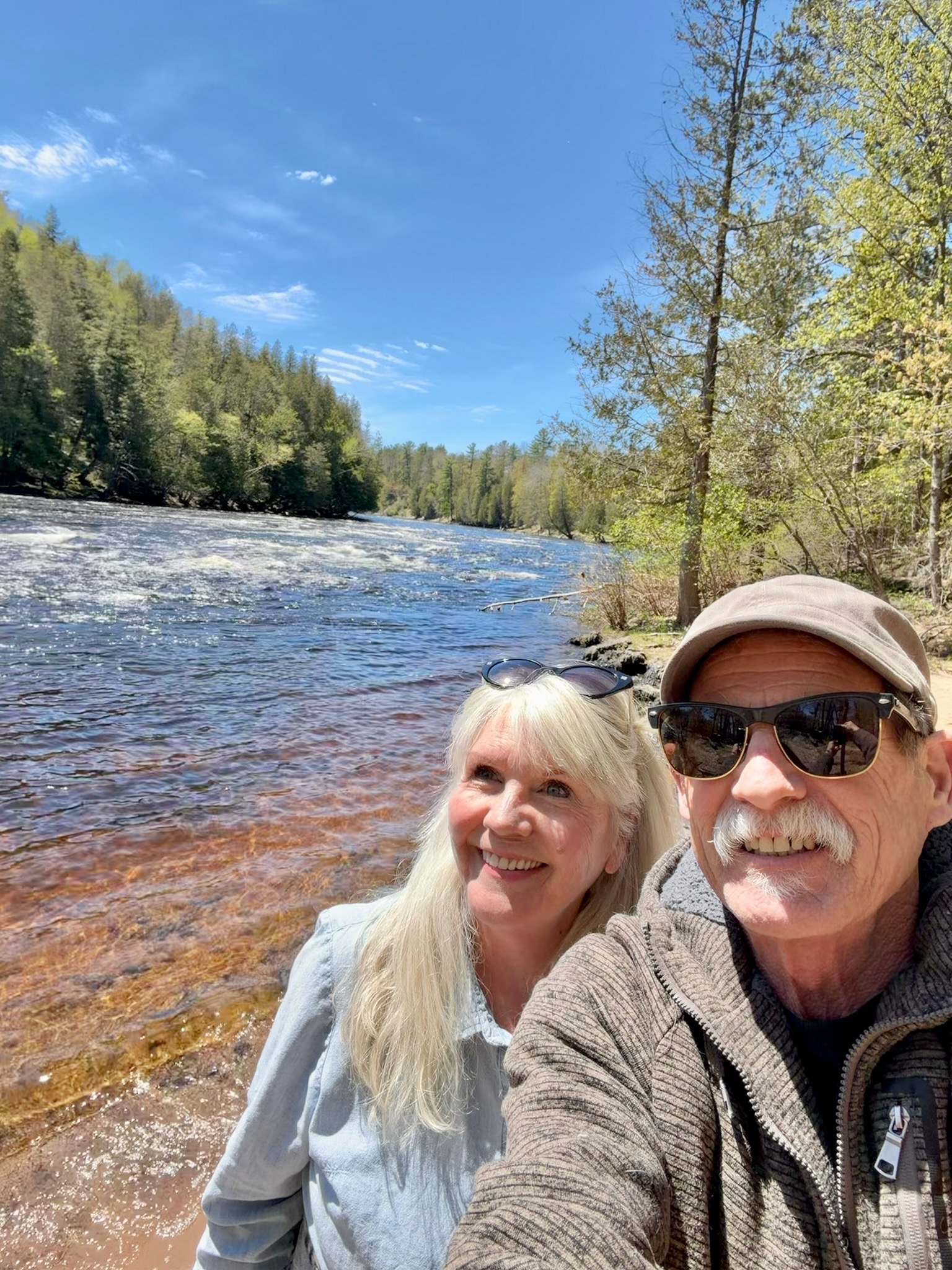
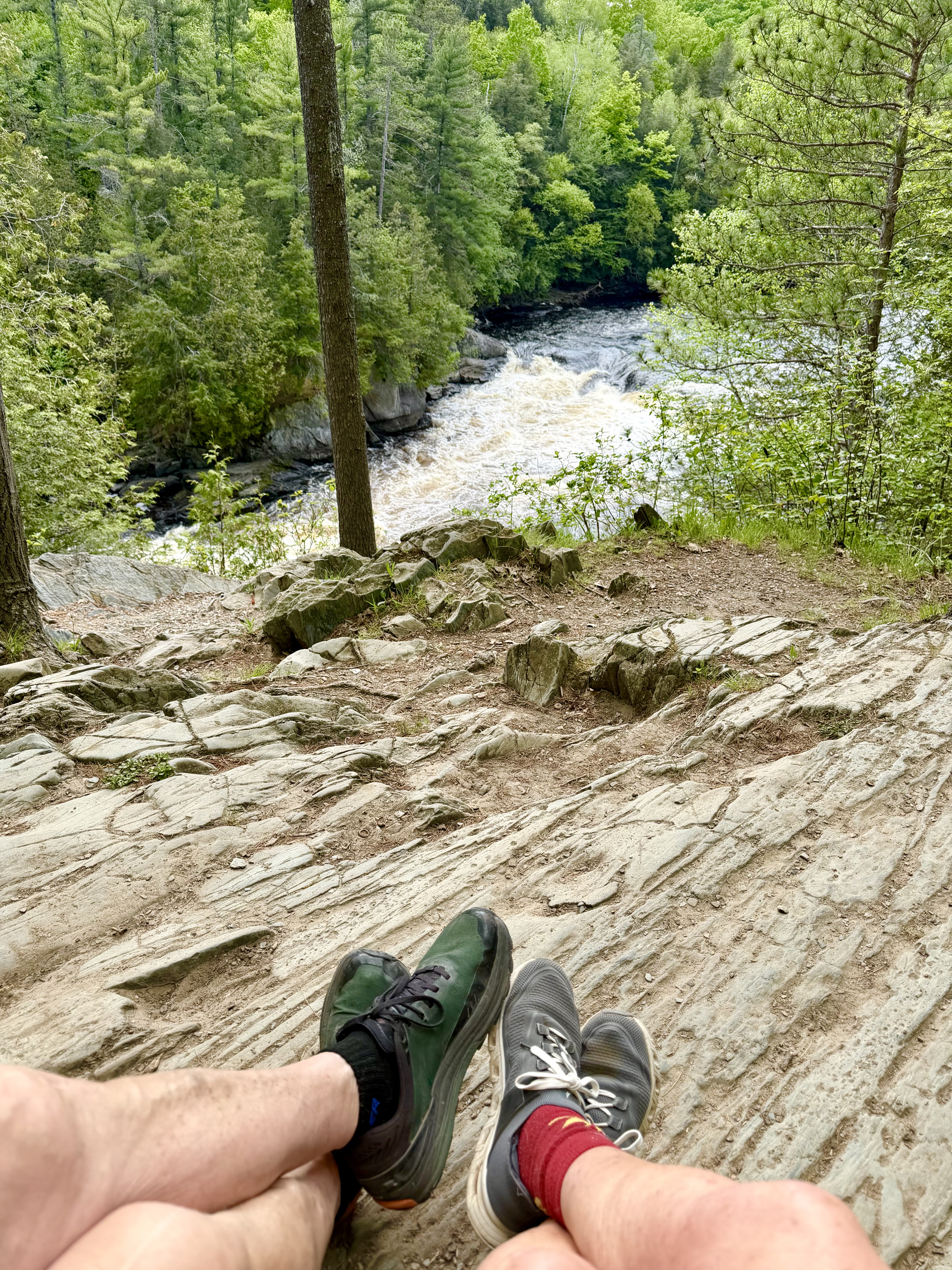
Menominee River, Piers Gorge, Norway, MI

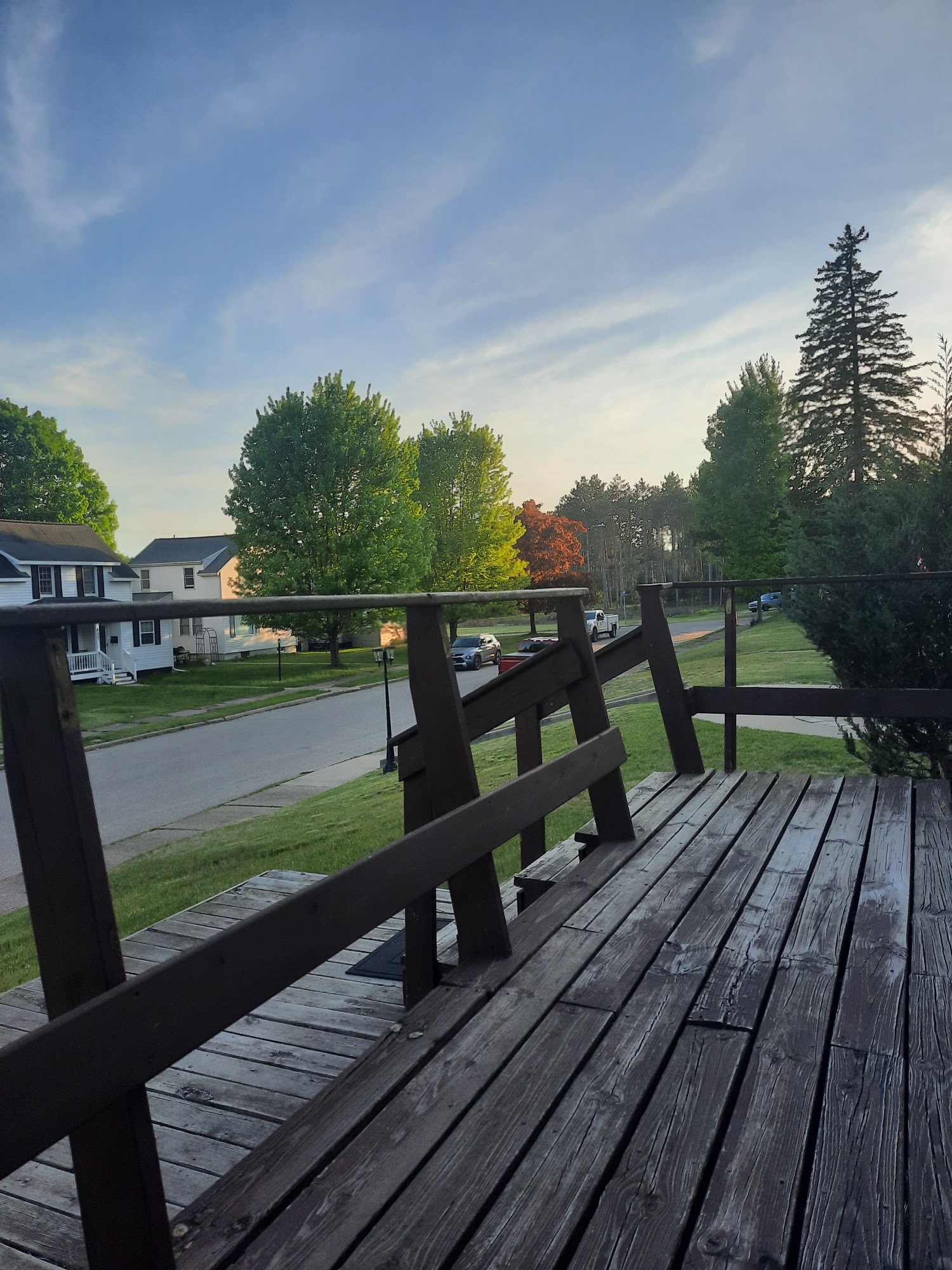
 Our neighborhood consists of a sweet few blocks of century old two-story homes built for employees of the Ford plant that was here at the time, along with a park and a three-story home, called “the clubhouse” used by Ford and other important individuals.

Our deck clearly needs work! Great neighborhood though! Ford Addition, Kingsford, MI

“…Construction on the houses […] in the upper Ford Addition began in mid-May, 1924. Placed 24 to a block and kept in good repair by a crew of men employed by the Ford Motor Company for that purpose, the homes had electric lights, indoor bathrooms and were wired for a telephone. Most had three rooms downstairs, three rooms upstairs and a large cement basement. Some had five rooms, three on the ground floor and two upstairs. The smaller bungalows had five small rooms. Prices ranged from $3,500 to $5,500. A block-and-a-half square situated between Woodward Avenue and Hamilton Avenue was left for a park in the 600 block. In 1928 the park was equipped with tables, benches and garbage cans. A bandstand was erected in 1929, and a concert was held every Wednesday evening during the summer months. A cinder path was added in 1930 and tennis courts were also added [Menominee Range Historical Museum].” https://history.dickinsoncountylibrary.org.

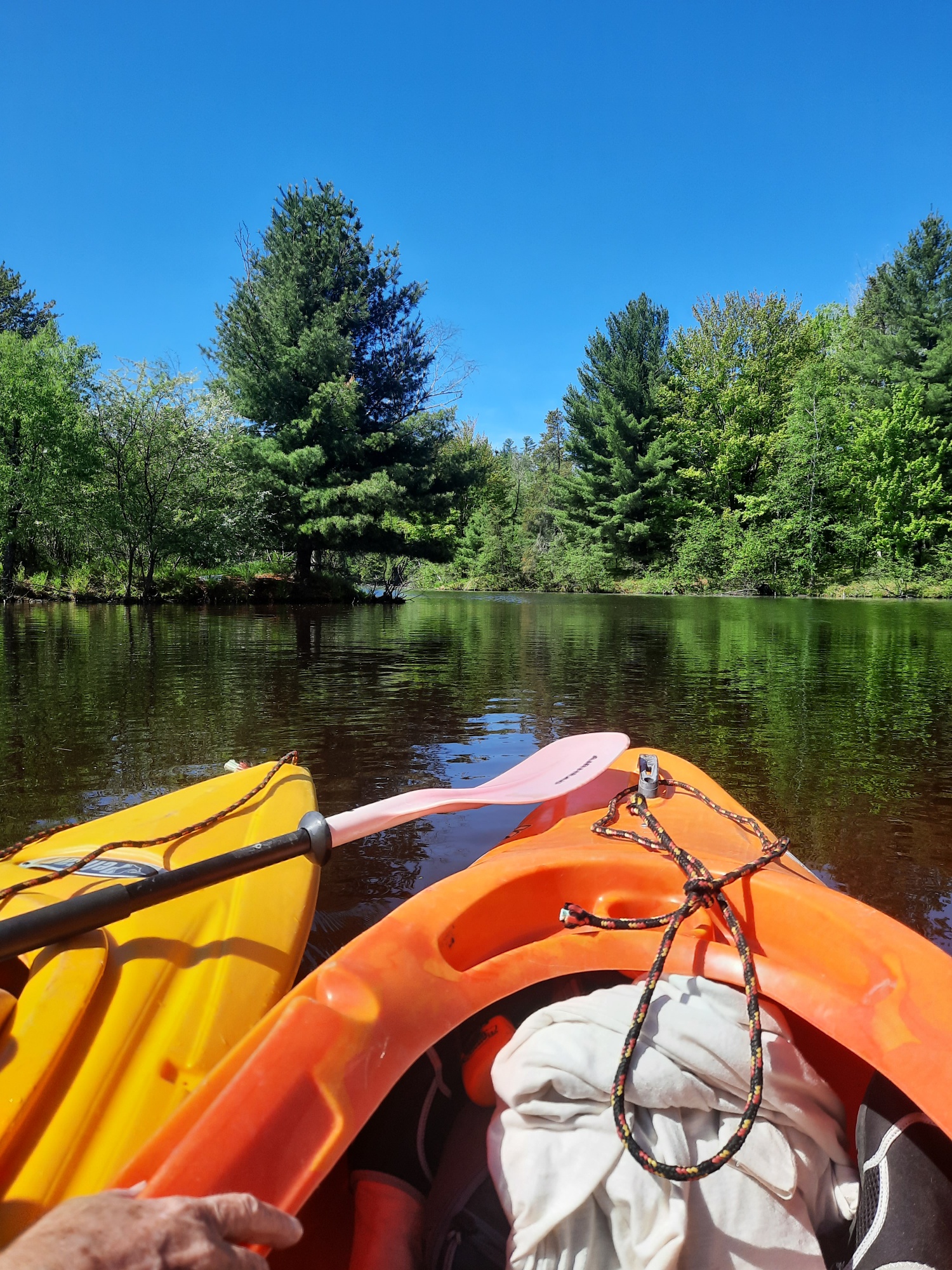
I’m told we have our own little neighborhood parade, that the high school band marches down our street, and that we have a very big Halloween turnout here. The middle school, high school, a little lake, a park, medical clinic, a brew pub, tavern, and restaurant are all within easy walking distance. Nearby there are bigger lakes, the Menominee River, ski hills . . . . just all kinds of wonderful natural beauty. Walking and kayaking are our favorite activities here so far.

It’s fun to watch the rhythms of the place unfold as we begin to find our place here, bit by bit.

Cowboy Lake, Kingsford, MI
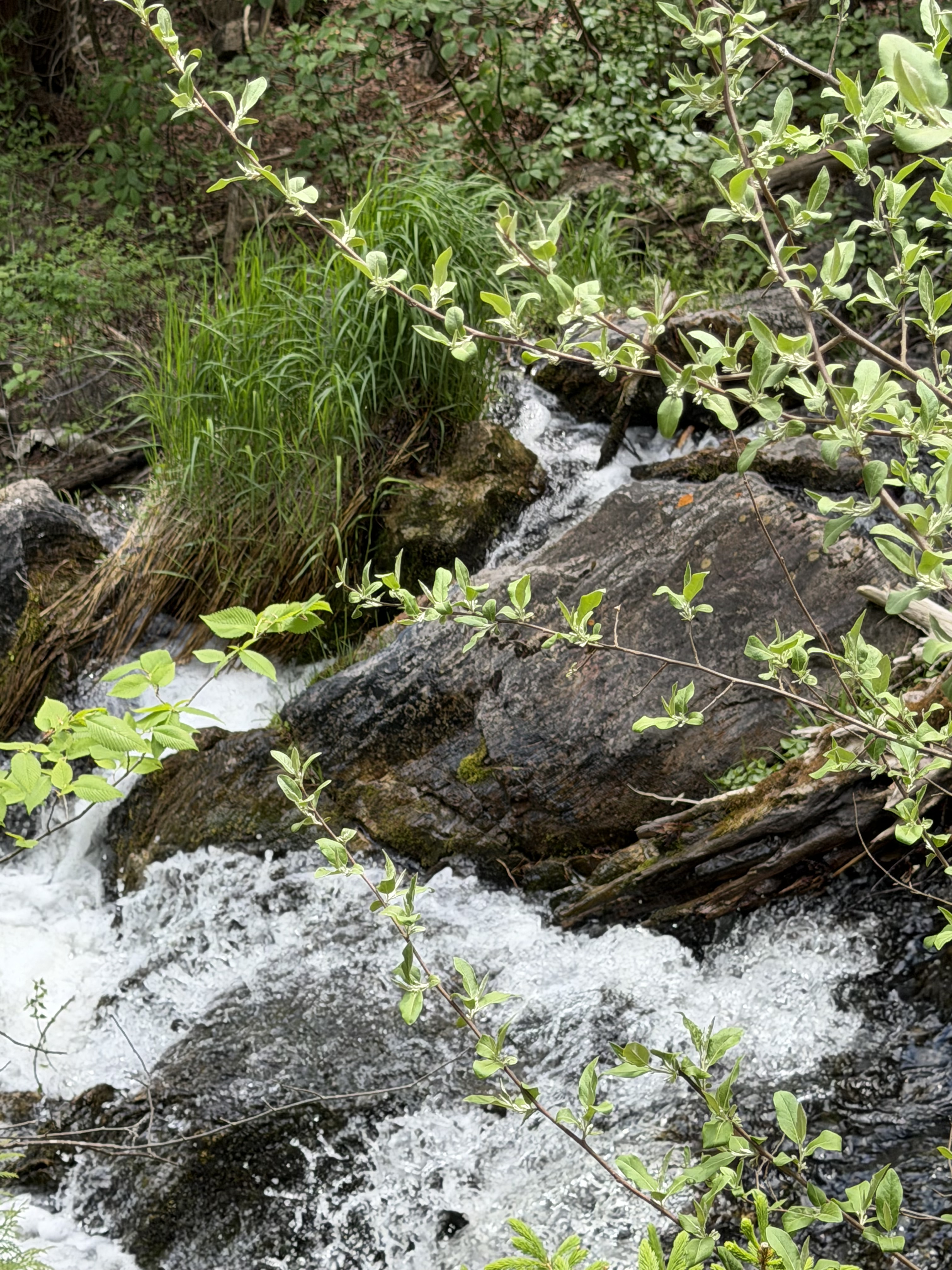
Fumee Falls, Quinnesec, MI
Piers Gorge, Norway, MI

Reading News:

My latest reads include

Blonde Dust, Tatiana de Rosnay—loved it!

My Husband’s Wife, Alice Feeney—entertaining

Judge Stone, James Patterson and Viola Davis—entertaining

Broken Country, Clare Leslie Hall—loved it

The Widow, John Grisham—entertaining

The Missing Pages, Alyson Richman–entertaining

My current read is Slivers, by Vicki Atkinson. Vicki is a fellow WordPress blogger and author of the wonderful memoir, Surviving Sue, which I loved. She is a licensed professional counselor with a doctorate in Adult Education and degrees in Psychology. I’m delighted to read her debut novel, Slivers, and will be writing a review soon!

Happy Reading! Happy Summering! XXXOOO -Lori

51 Comments

Filed under Authors, Books, Commentary, Fiction, HIstorical Fiction, Home, Nature, Personal History, Reading, Seasons

Books Get Me Through The Great Alone

It’s been two weeks since I left Nevada and one week since I arrived at my new Michigan home. All of these days have been solo; I drove alone, I arrived alone to an empty house, I spend my days here alone. There’s a theme building . . . For now!

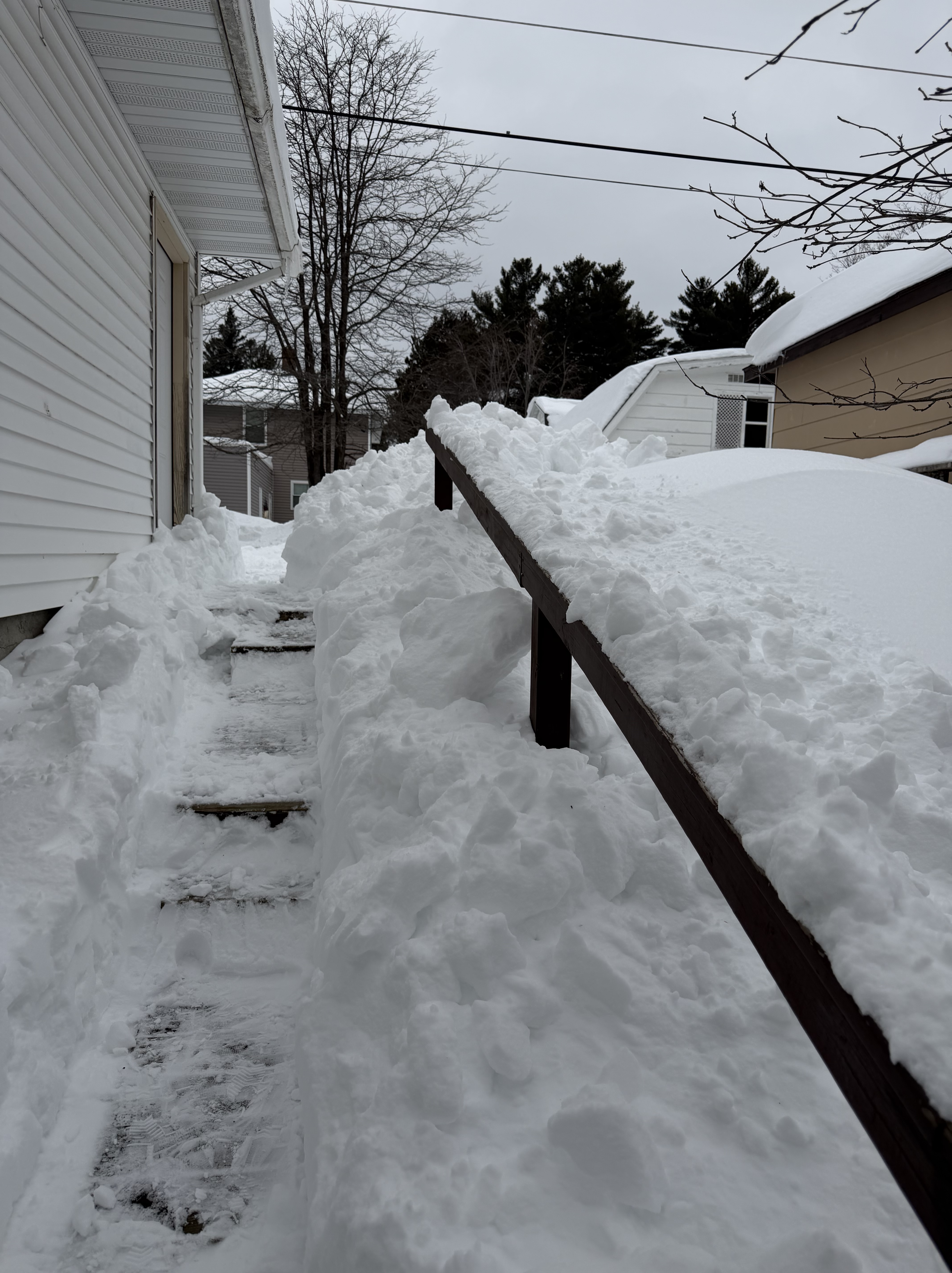
The Way In

But husband and kitties will be joining me soon.

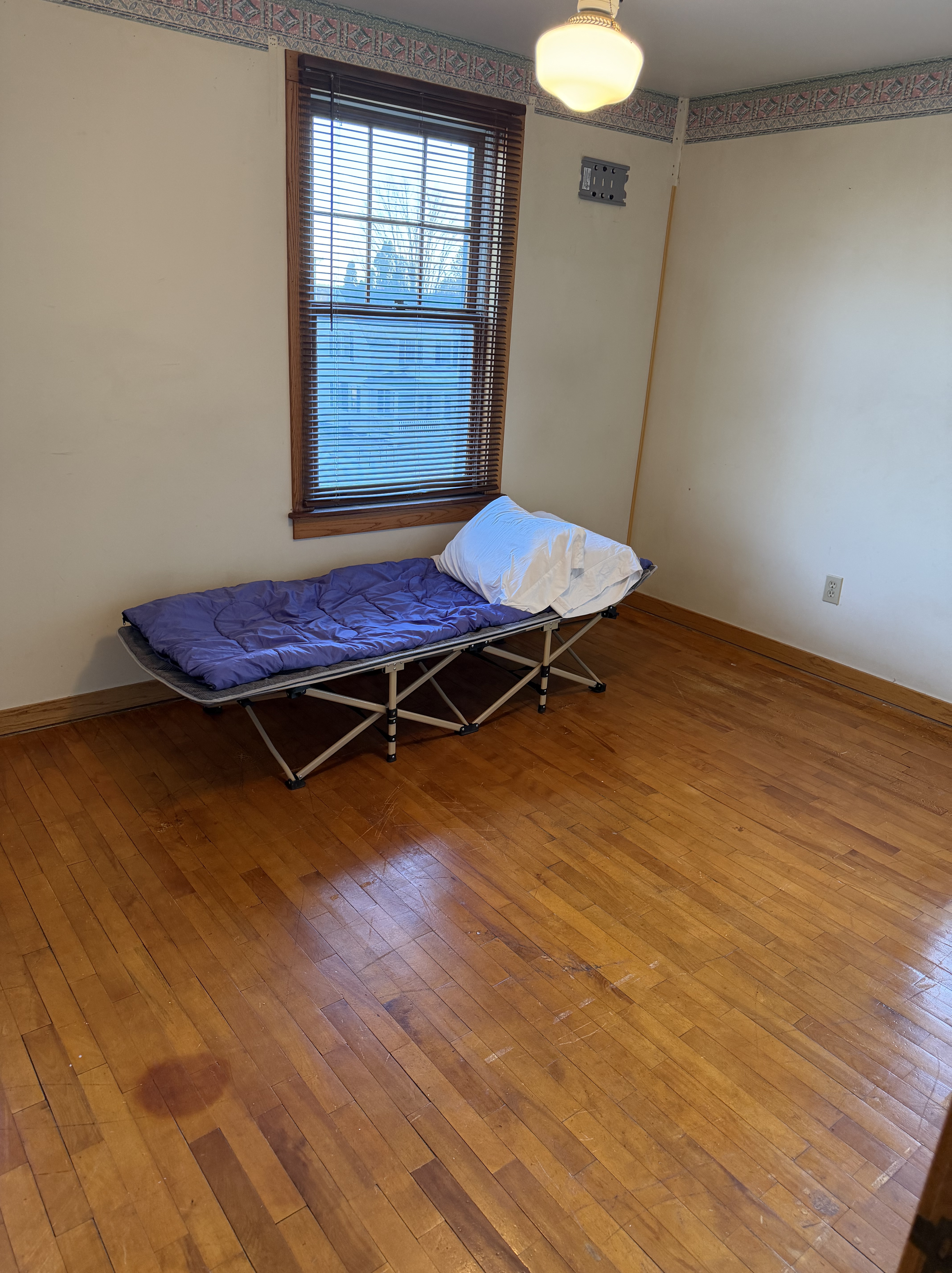
The Dreaded Cot (I do not love it)
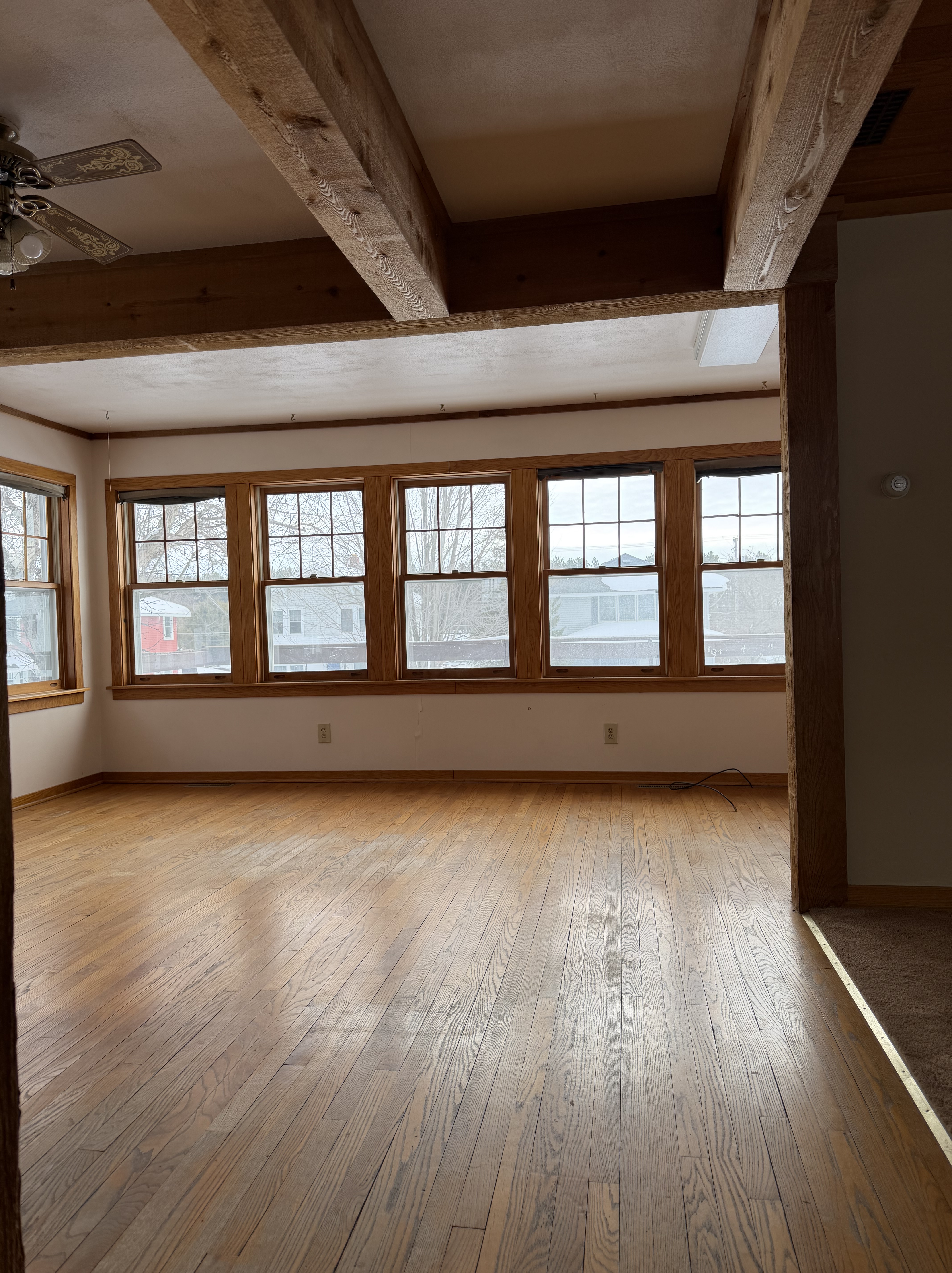
A Lonely Room (but I love it!)

As an introvert, this hasn’t been particularly tough. I love people, but I also love solitude. I just got the internet yesterday, and that’s fun because now I can write and publish my writing more easily. No TV here yet. No furniture to speak of. I have one little lamp table that fit in my car, a folding camp chair, and a cot. That’s it. Everything else will come in the moving van next week. So, what do I do all day?

I clean and I read. Often, at the same time, by listening to audiobooks using the Libby library App. One of the books I’ve enjoyed so far during this extended period of solitude is aptly The Great Alone by Kristin Hannah. It’s a tough book about a tough time and a tough place, but I liked it. Alaska in the 1970s, mental illness, abuse . . . it’s got it all, but it isn’t only that, of course. It’s also a book filled with nostalgia, love, and the awesomeness of nature.

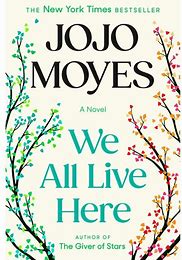
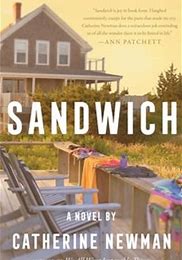
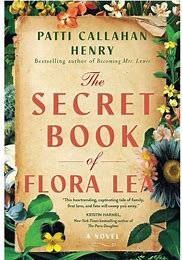
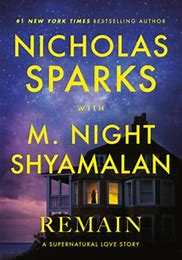
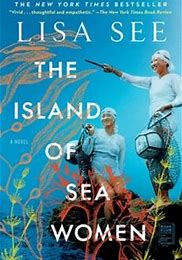
Other books I read either just prior to moving, during the drive, or since my arrival are: We All Live Here, Moyes; Sandwich, Newman; The Secret Book of Flora Lea, Henry; Remain, Spark and Shyamalan; The Missing Half, Flowers and Kiester; and currently, The Island of Sea Women, See. Each book has its merits.

I found both We All Live Here and Sandwich charming and humorous. Both are light, contemporary novels with women protagonists wrestling with life changing events and the love of family.

The Secret Book of Flora Lea took me to one of my favorite historical settings, World War II England, in the countryside and also to London in the 1960s. It’s a delightful book about sisters, families, love, and the importance of stories.

Remain and The Missing Half are mysteries, with Remain being the more entertaining of the two for me. The Missing Half helped pass the time, but Remain’s ghostly love story captivated me at times, including during several memorable scenes that made me shiver.

And now I’m listening to The Island of Sea Women. It’s taken me to a part of the world I know very little about, which I love, because I am learning so much. It’s set in Korea from the story’s beginning in the 1930s and will move through the war years and take me to the present day. It’s about women sea divers (an amazing group of female divers who earn the money for their families while their husbands care for the children), and it’s the story of two friends Mi-ja and Young-sook.   

As you can see, I’ve not been alone, not really, for I’ve been traveling through time and place along with the characters created by the authors of these varied and appealing novels, carried away by their stories. It’s a kind of magic really, the way a reader lives both inside and outside of a book—simultaneously in the room, and also somewhere else far away.

I love this line about reading from Stephen Chbosky from his young adult novel, The Perks of Being a Wallflower:

“Sometimes, I read a book, and I think I am the people in the book.”

Exactly.

63 Comments

Filed under Authors, Books, Commentary, Fiction, HIstorical Fiction, Home, Identity, Literary Fiction, Nature, Personal History, Reading, Uncategorized, Winter, World War II

Best Offer Wins?

“In his witty and thought-provoking manner, Mark Twain once famously said, ‘It’s no wonder that truth is stranger than fiction. Fiction has to make sense.’” https://www.socratic-method.com

Sometimes, though, truth is not stranger than fiction. And thankfully, sometimes truth is kinder than fiction, too. Recently a friend and I had both just finished books that bothered us in various ways, which isn’t to say books shouldn’t bother us—it’s quite often important that they do—it was just that in the case of these books, the way we’d been bothered had less to do with subject matter and more to do with the marketing expectation that readers would respond positively to the various dastardly deeds of the protagonists, and that, indeed, there did seem to be plenty of readers out there who backed up that claim—readers who “loved” these books (and so maybe by extension that means they loved the protagonists? Maybe?).

I don’t remember the title of the book my friend was referring to; she said it was something about killers who were in love and only killed bad people—sounded like a Dexter type theme, and I know that was a highly watched television series, so I guess there’s an audience for that. I can’t claim to be someone who is above consuming questionable content. I’ve read hundreds of books in most genres and not all of them have been particularly elevating. That said, I have seldom read a novel with a less likable protagonist than the one Marisa Kashino gives us in Best Offer Wins (With the possible exception of Humbert Humbert, the protagonist/narrator of Vladimir Nabokov’s Lolita).

Best Offer Wins is a Good Morning America Book Club Pick and was published by Celadon Books in 2025. From the book jacket: “…Margo will prove again and again that there’s no boundary she won’t cross to seize the dream life she’s been chasing. The most unsettling part? You’ll root for her, even as you gasp in disbelief.”

Uh. No. But let me take you back to the reason I read that blurb and took the bait. Coincidentally, on the same day my husband and I were submitting a bid on a house we wanted, Marisa Kashino’s thriller about a woman who will stop at nothing to get her dream house came across my desk at the library. It was a new purchase, and my job was to catalog it and get it ready for patron check-outs. I joked with my realtor that I hoped I wouldn’t become as obsessed with home buying as the teaser on the book jacket hinted the book’s protagonist, Margo, did.

Truth being, in this case anyway, less strange than fiction, I didn’t. Thank goodness. But I did check the book out and take it home to read over the weekend. I’m not normally inspired to write reviews about books I don’t like, but there’s something about this one that pushes me. What that tells me is that I did find it engaging, at least enough to finish it, but that, also, it troubled me. I think I kept reading to see if it would be possible to “root for her even as [I] gasped in disbelief.”

That stage never arrived. The backstory on Margo did indicate she’d had very tough breaks, enough of them, too, and that would normally soften a reader’s judgement and bring her to life in a way that would help the reader to care about her, but Margo’s behavior was so egregious that she remained not only unlikable, but monstrous. And I don’t mean monstrous in the sad way that Frankenstein was a monster because he was a victim and you felt sorry for him. Margo’s kind of monstrous is the carefully calculated kind that lacks any hint of personal responsibility or remorse.

I’m not sure what it says about me that I read the whole book anyway, and that gives me pause. I think perhaps my weird fascination with the book represents a part of contemporary America to me that I don’t understand and cannot accept, but that I still keep trying to fathom. I want people to have homes. I want people to care for each other. I want to love my neighbors as myself.

Each turn of the page offered hope, however slight, that Margo would learn some kind of moral lesson or would offer her a kernal of insight, forgiveness, or redemption, but in the end, there was none. No tenderness. No justice. Just a sad expose of a society where dreams can become as dangerous as despair, and the only thing that matters is the win.

In that way, the book is a success, I guess. A pretty good satire. Excellent social criticism, and social criticism is very much in order these days in my opinion. With Best Offer Wins out of the way, I’m happy to announce that Mr. P and I purchased a delightful home in the beautiful UP—the upper peninsula—in the lovely U.S. state of Michigan. We will be off to a new chapter there soon and leaving the awe-inspiring West and central Nevada behind with love for all we’ve learned and the friendships we treasure. By the way, we accomplished the purchase of the Michigan house without any nefarious activities nor bidding war mayhem.  Sometimes, you see, truth is not stranger than fiction, and sometimes it is kinder.

Wishing you all happy days and cozy nights as we move through February and into March. Be Well!

The Upper Peninsula, Michigan, U.S.

80 Comments

Filed under Books, Commentary, Fiction, Home

Lessons in Chemistry / Lessons in Flexibility

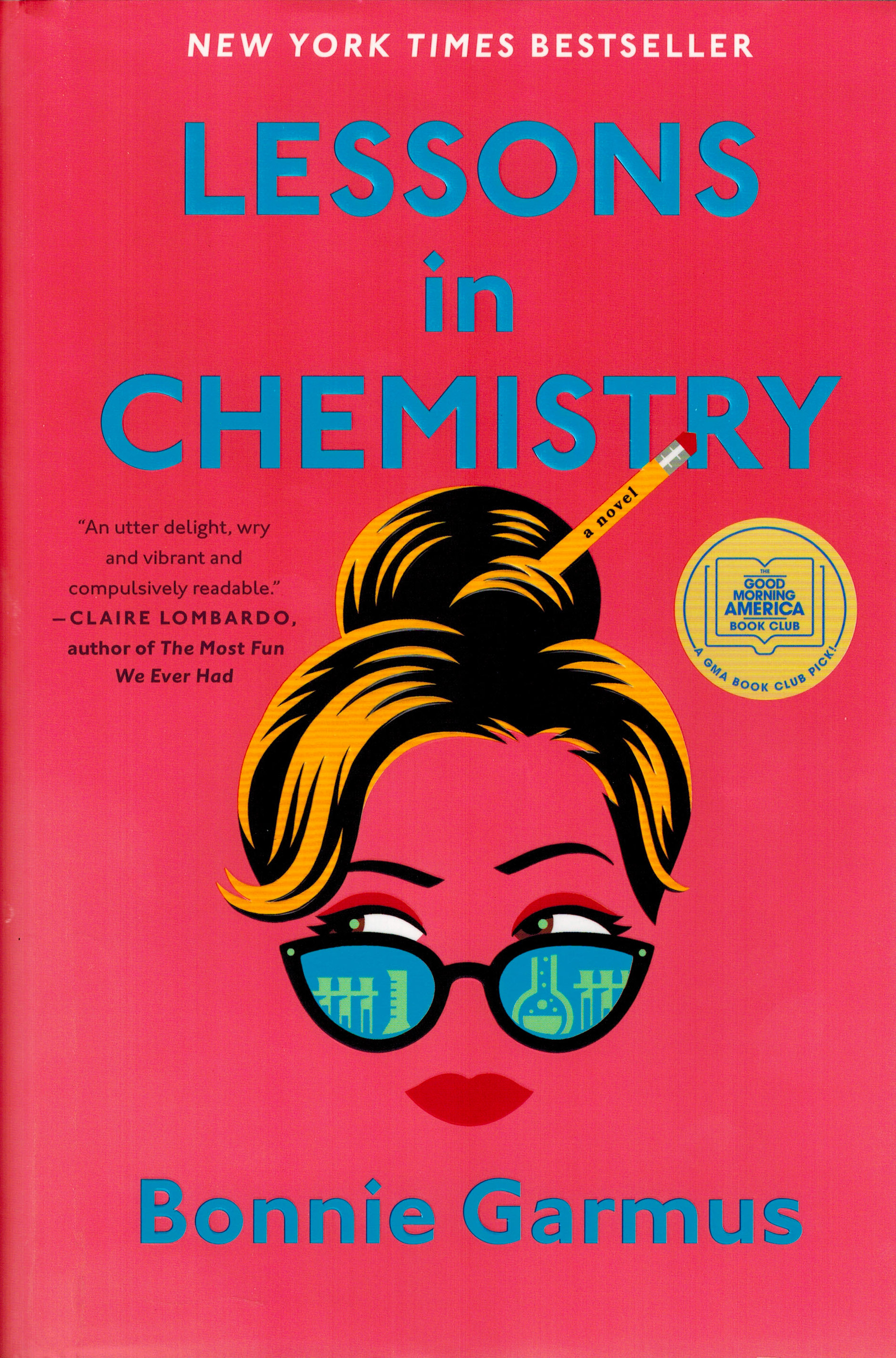
How I missed out on reading Lessons in Chemistry by Bonnie Garmus in the several years since its publication is a classic lesson in the old adage, Don’t judge a book by its cover, and also, a lesson in personal flexibility—that being that there are no doubt a plethora of other excellent books out there that I would love if I had bothered to read them, and sometimes that deprives me of valuable experiences. I heard Lessons in Chemistry was very good, but, eh . . . I thought. Not for me. I’m not into chemistry. The 1950s and early 60s don’t interest me as much as earlier times. It looks somehow . . . I don’t know . . . frivolous?

Hardcover Edition

I’m happy to report that I was wrong on all counts. Well, maybe not the I’m not into chemistry part, but as it turns out, that doesn’t matter. I didn’t need to be into chemistry to appreciate chemist Elizabeth Zott’s deep love of it. I just needed to appreciate Elizabeth Zott, the wonderful protagonist of this deeply funny, tragic, and ultimately affirming story. And that was easy. As for my not being interested in the 1950s-60s, I think I took that period for granted because I am a product of it. I have few memories of my earliest childhood, and of those, most are sad. Those years have not been a time I willingly wish to revisit. It appears I prefer visiting earlier and more dramatic times—times that occurred before I was able to suffer through them in person.

As for the idea that the book was probably frivolous, I definitely derived that from the cover. And I wasn’t the only one. Three years ago, a reader named Lisa Wright posted a question on Goodreads, “Am I the only one who was furious about the pink chick-lit, rom-com cover on this book? It belittles the book in exactly the same way Elizabeth Zott is belittled!”

Bonnie Garmus, the author, answered: “I have to agree–and I’m the author! All I can say is, the publisher did let me have input and I told them I thought it looked like chick-lit (nothing against chick-lit but this book isn’t that). Still, publishers have a lot of experience knowing what an audience will respond to and they thought this was the best way. They’ve been great to work with; we just didn’t see eye-to-eye on this. You can google other covers from the other nations and see you if you think anyone else got a little closer–I think Germany and the UK both did a nice job. I have hopes that this cover will change for the paperback.”

Paperback Cover

The way I fell into reading this book

I went on a trip and forgot to bring my library book. The airport gift shop’s book selection was pretty slim. I didn’t see anything from my TBR list. The cover on the paperback version was slightly less frivolous in my very unscientific opinion than the hardcover I had entered in our public library collection. At least it featured something that looked like the periodic table in the background. I picked it up, sighed, and purchased it.

The book delighted me from the first page. When I read these lines: “Fuel for learning, Elizabeth Zott wrote on a small slip of paper before tucking it into her daughter’s lunch box. Then she paused, her pencil in midair, as if reconsidering. Play sports at recess but do not automatically let the boys win, she wrote on another slip. Then she paused again, tapping her pencil against the table. It is not your imagination, she wrote on a third. Most people are awful. She placed the last two on top.”

Bonnie Garmus had my attention on page one, and she had me laughing and crying and feeling every range of emotion throughout the delicious ride through the air from Reno, Nevada to Minneapolis, Minnesota and back again. I loved this book! Highly recommended.

Have you had this experience? Purposely avoiding something, whether a book or a movie or a sport or an activity, that you later found to be good or valuable? I’m sure I’ve done it a lot!

Luckily for me, this time I was given the gift of proving myself wrong.

Happy Fall, Y’all!

26 Comments

Filed under Authors, Books, Commentary, Uncategorized

King Copper Book Review

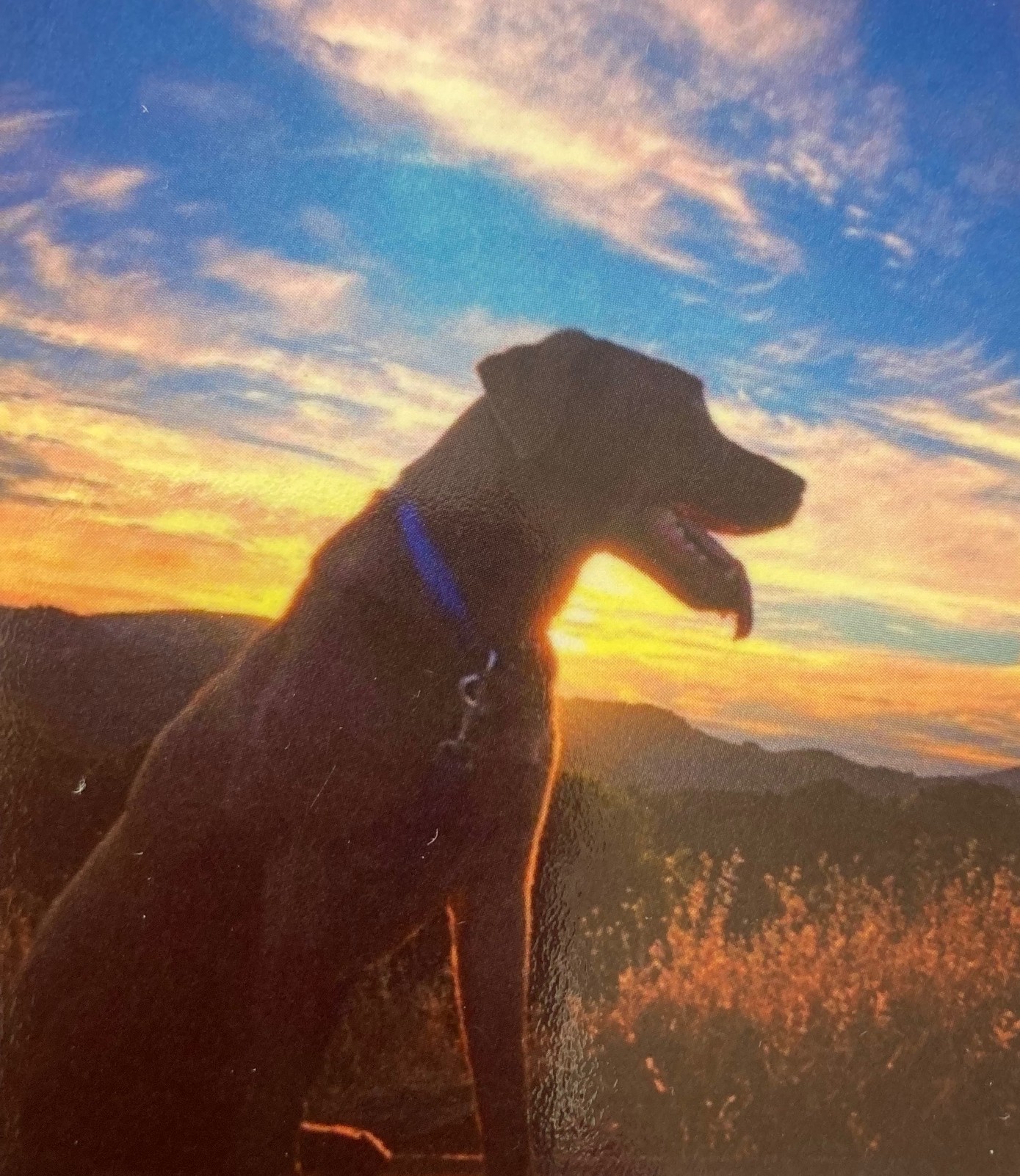
Lauren Scott, King Copper: Our Dog’s Life in Poetry

Lauren Scott’s love of her family’s beautiful chocolate lab, Copper, shines in this sweet little volume of photographs and poems that follow their lives together from adoption day on. In her words, King Copper is “a poetic account of the joy that arises when a lovable chocolate lab walks into your life and changes it forever. And the eventual heartache you feel when he crosses over the rainbow bridge thirteen years later and still too soon.”

What a touching account, and what a testament to the glorious impact our beloved pets have on our lives. If only all dogs—all pets—were as well loved and appreciated as the delightful lab Lauren writes so poetically about, the world would truly be a better place. Brava to Lauren for giving her beloved Copper a tribute worthy of his beauty and goodness! Did it make me cry a bit? Absolutely. But tears shed over the loss of a dear dog are never wrong. There is nothing purer than a dog’s affection and devotion. Copper wasn’t my dog, but I, too, have loved wonderful dogs. Like Lauren and her family, I know our animal companions deserve our deepest affection in return for the many gifts they give us. Part of the price for that gift is the same as it is for anything we open up our hearts to fully—the possibility, even the probability that one day there will be pain and loss.

But as Lauren so aptly says, “We celebrate his life- those soul-searching eyes that connected to us- we were links in a golden chain and now one link is missing, our golden boy- each day tears follow like a shadow- the shadow he was, but smiles gently find their place because he is in our hearts, because joy needs room to simmer.”

You can visit Lauren’s blog at baydreamerwrites.com.

http://lscotthoughts.wordpress.com

46 Comments

Filed under Authors, Books, Commentary, Loss, poetry, Reading

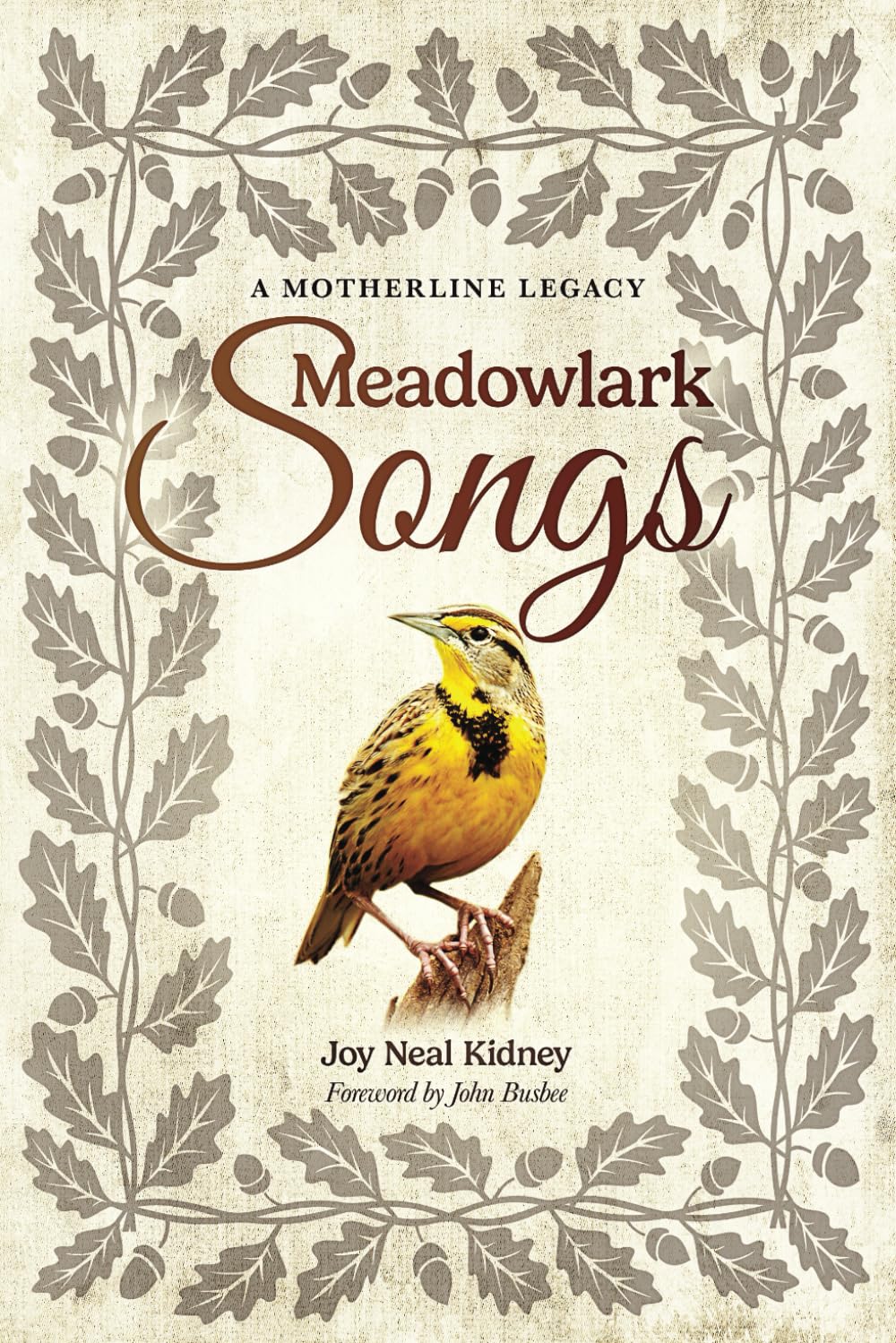
Book Review. Joy Neal Kidney, Meadowlark Songs: A Motherline Legacy

Version 1.0.0

Joy Neal Kidney’s treasury of family stories traces the lives of seven generations of her ancestors– their joys, their hardships, and their enduring faith.

The short, lyrical portraits of the lives of these women along with their husbands, sons, and daughters begin with Jane (Watson) Branson who was born in 1782 and end with Joy, herself, the memory keeper who researched, gathered photographs, recorded and wrote the lovely tributes, poetry, and historical details, and brought it all together for her family—and for her readers.

This charming volume gives all of us a delightful and heartfelt glimpse into the way our ancestors give us life, tradition, strength, and love, while reminding us of the many reasons we should honor them and remember them.

It’s a beautiful little gem of a book. Highly recommended!

Visit Joy on her blog at https://joynealkidney.com.

30 Comments

Filed under Books, Family, Personal History, Reading, Uncategorized

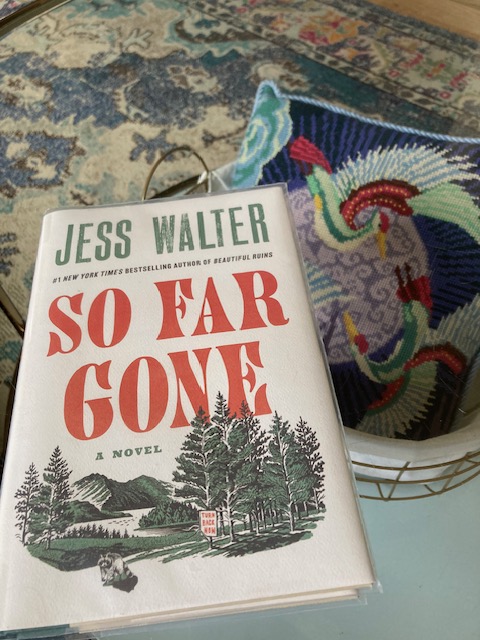
We are So Far Gone

Book Review

Jess Walter’s latest novel tells the story of Rhys Kinnick, a sad-hearted journalist who punches his son-in-law in the face at Thanksgiving, throws his cell phone out his car window, drops out of society, and goes off to live in the forest. The experience of reading So Far Gone reminded me of the not dissimilar experience of watching a Coen brothers movie such as The Big Lebowski or Fargo—odd ball characters, extreme situations, violence, and humor—often jumbled up together in the same scenes—in an overall story that somehow also manages to convey intelligence and love.

Walters is a master at building complicated characters in vivid, precise strokes. The characters in So Far Gone range from the struggling grandfather protagonist, to his charming grandchildren, his confused daughter, a group of religious zealot gun-toting conspiracy theorists, a bipolar retired cop, an old girlfriend with major attitude, his loyal friends Joanie and Brian, and other colorful characters Rhys meets along the way.

It’s a story about a crumbling America, about people lost and found, a world under siege, and ultimately about small miracles of healing magic fashioned by family and friendship. I found it refreshing, and touching, funny, sometimes outrageous, disturbing . . . and also an interesting look at the way some of us old dreamers and staunch believers in the ideals of fairness, justice, and a better future for all are feeling about and reacting to the twisted reality we now see laid out before us. So Far Gone is the perfect title for a book that describes us, now, today.

18 Comments

Filed under Authors, Books, Commentary, Reading