
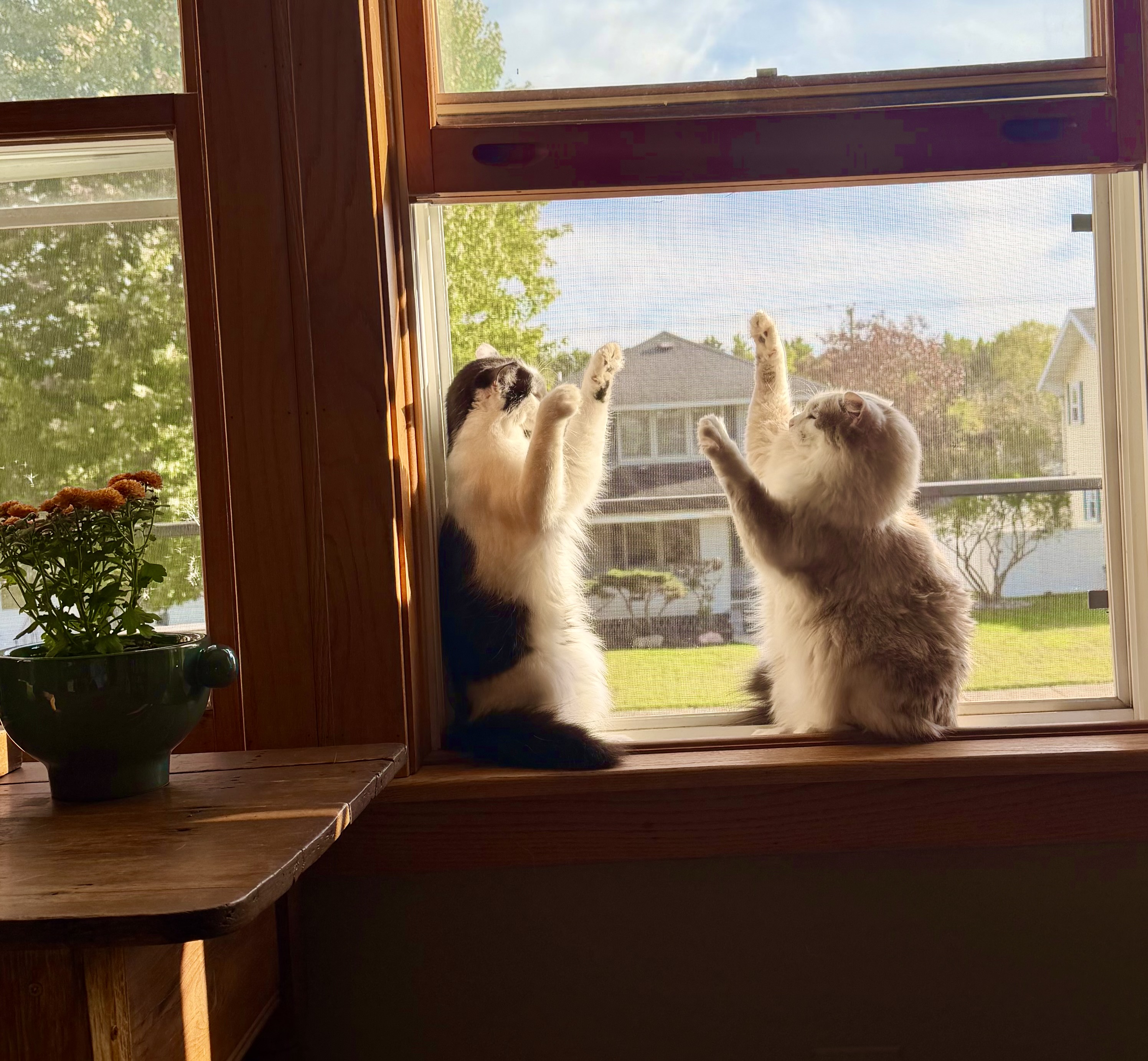
Last Sunday, in honor of St. Francis of Assisi and because it was Holy Trinity Episcopal Church’s and the Almost Home Animal Shelter’s annual Blessing of the Animals Day, we sang a song in church, “All Things Bright and Beautiful.” The song “is an Anglican hymn, also sung in many other Christian denominations. The words are by Cecil Frances Alexander and were first published in her Hymns for Little Children of 1848.” All Things Bright and Beautiful – Wikipedia.
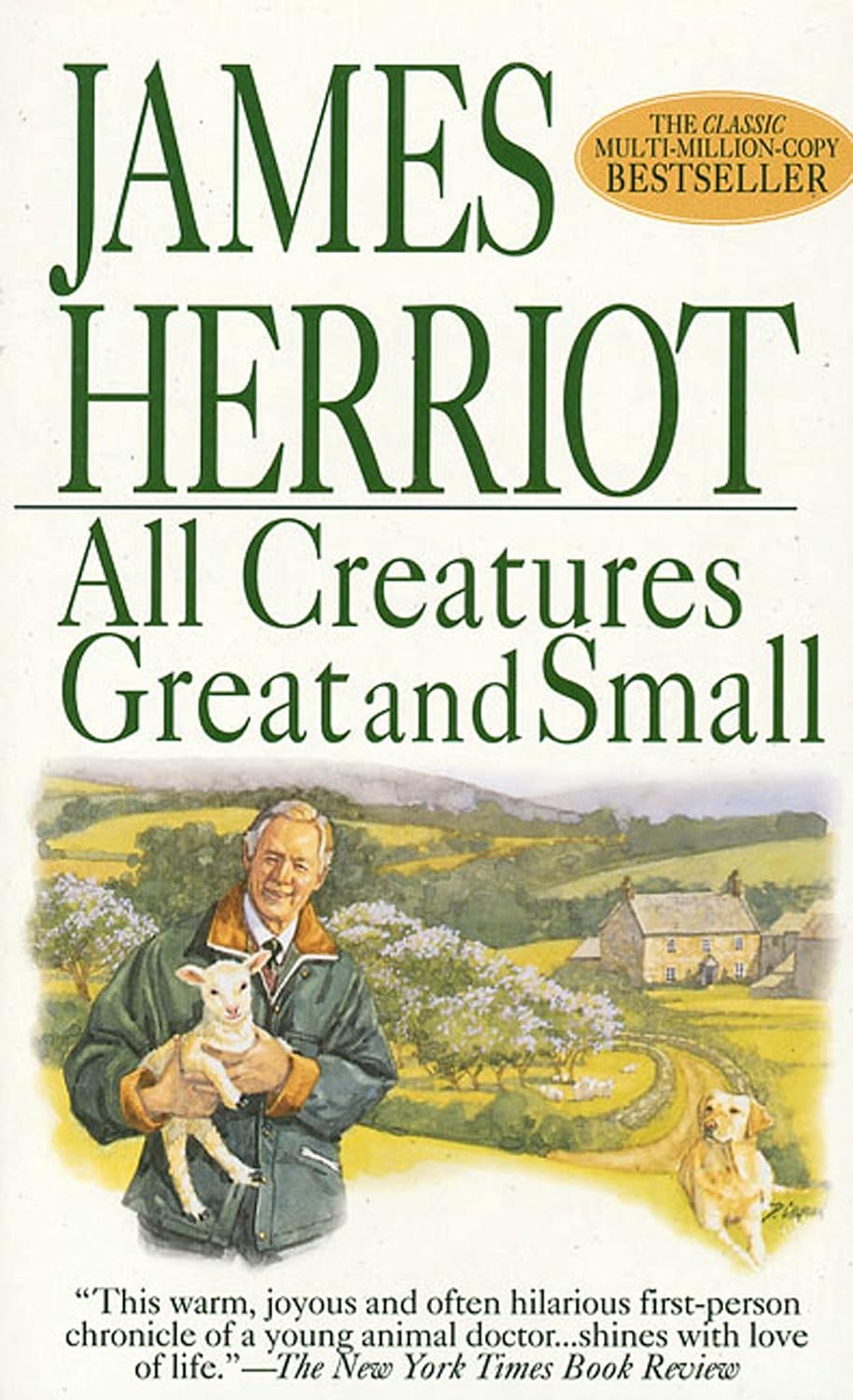
Not having been reared by churchgoers, my first reference to these words came from the wonderful James Herriot books I read as a teen, beginning with All Creatures Great and Small. Later, I learned there was a song. Yes, I was woefully undereducated! Anyway, after church I couldn’t stop thinking about the song, and about all the beautiful things in the world, and I went online to listen to various versions.
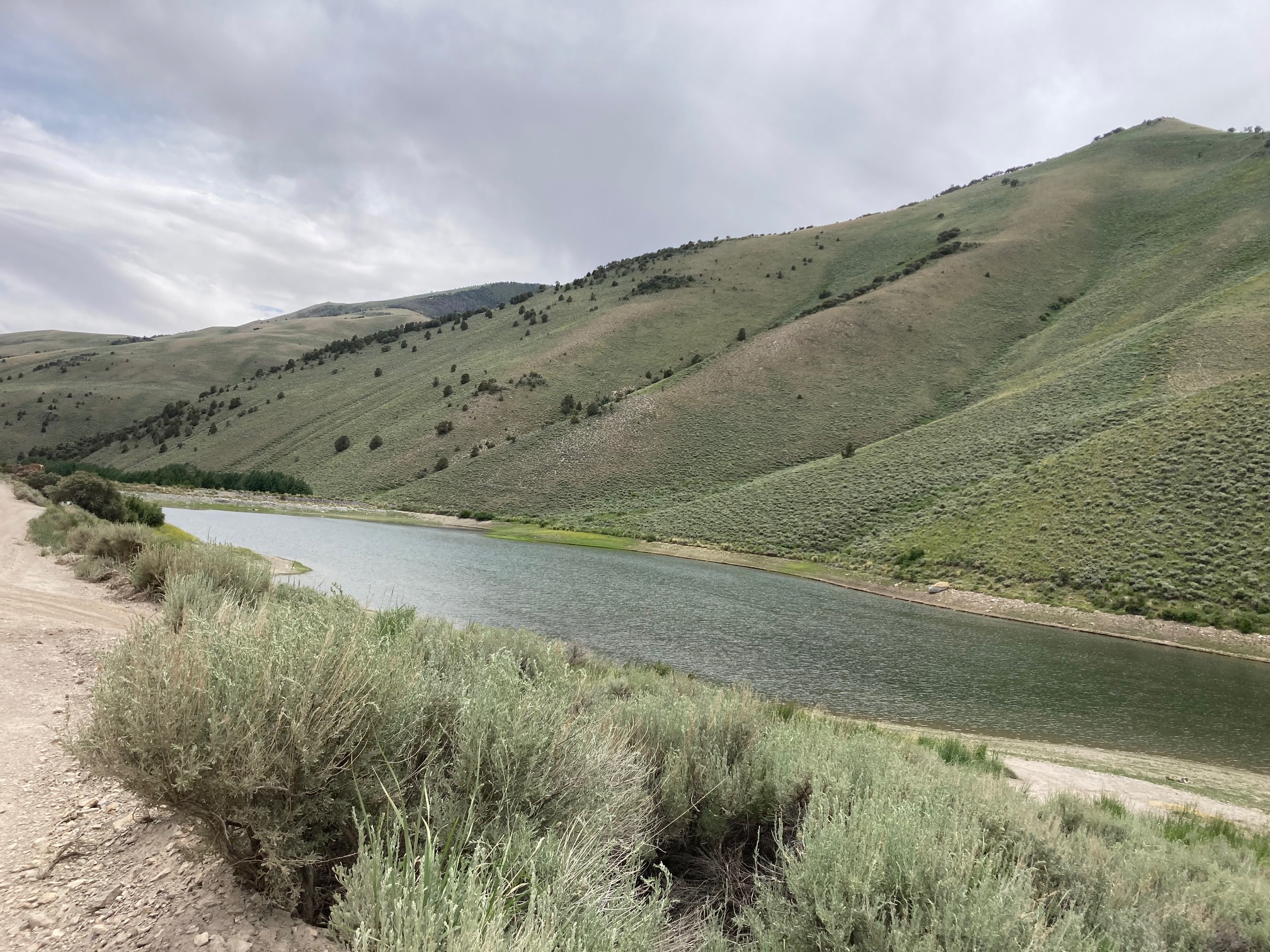
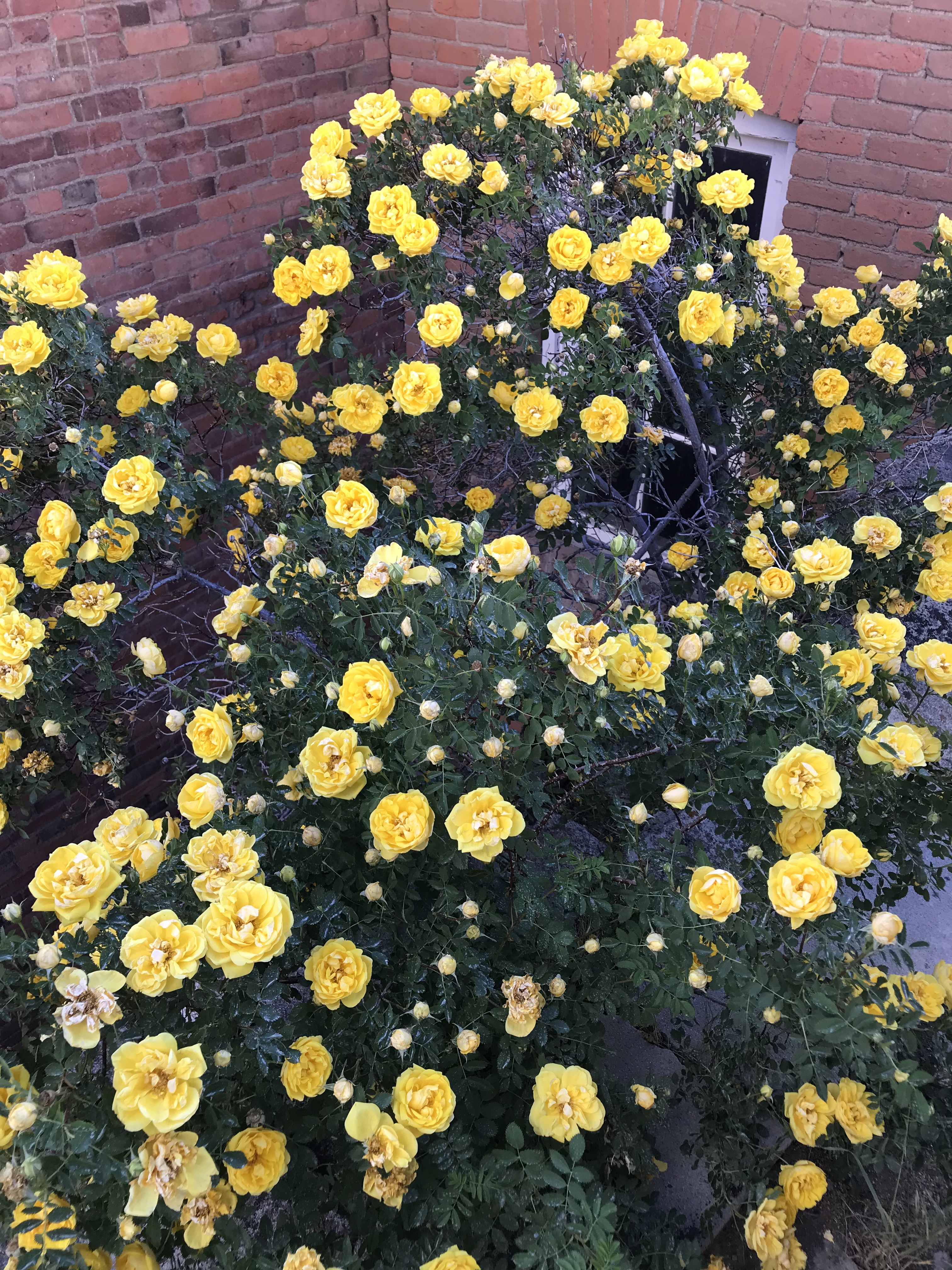
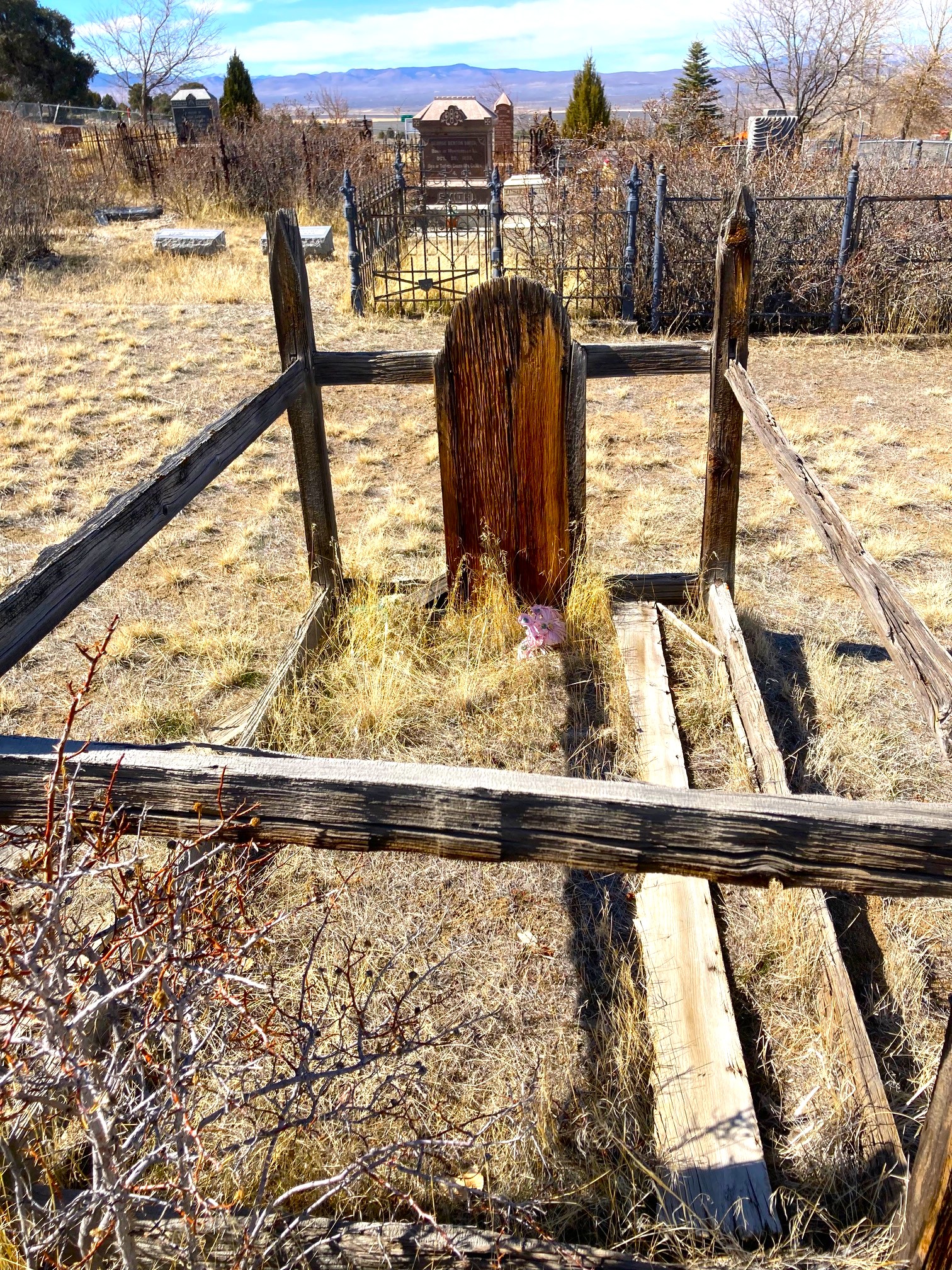
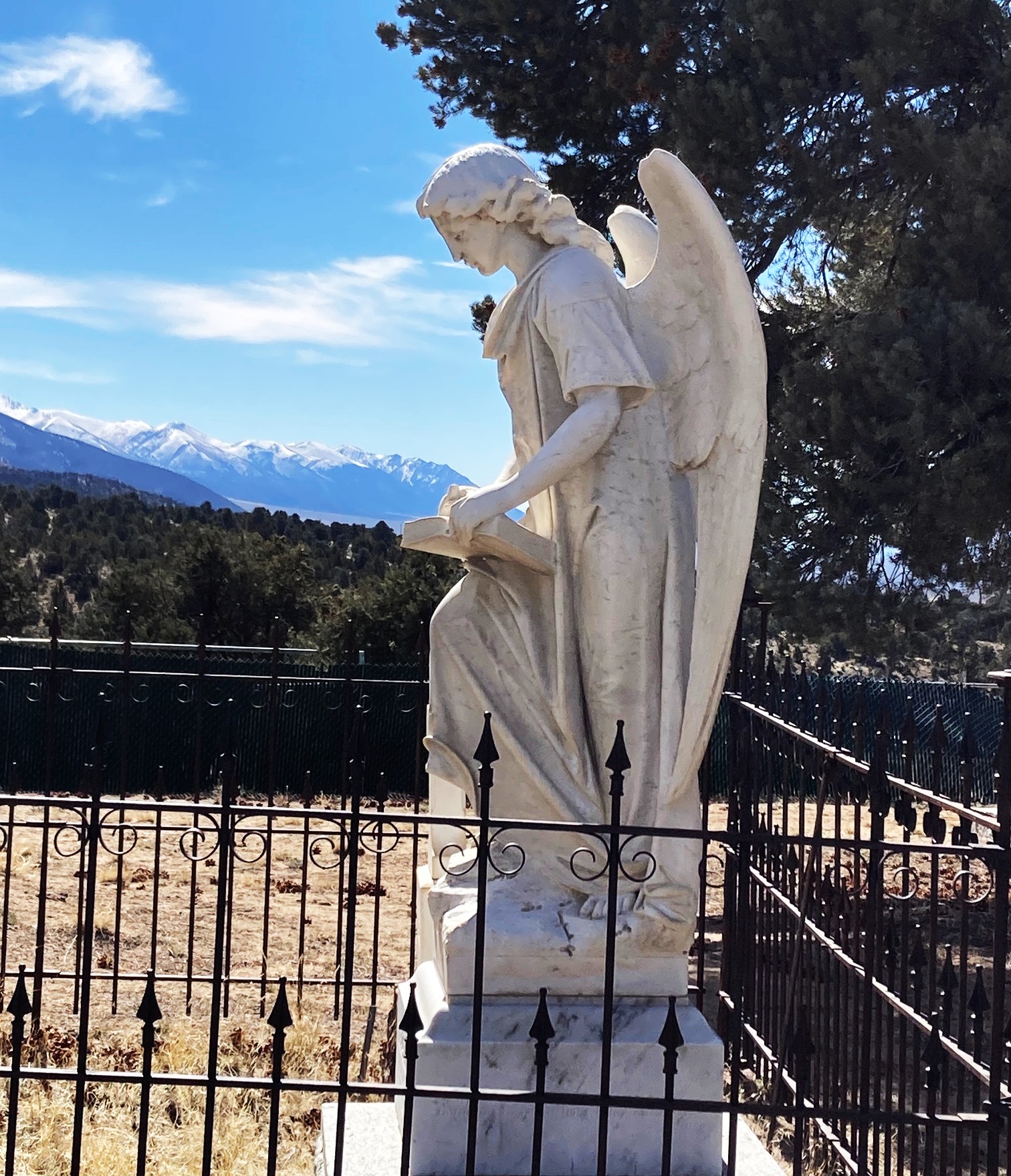
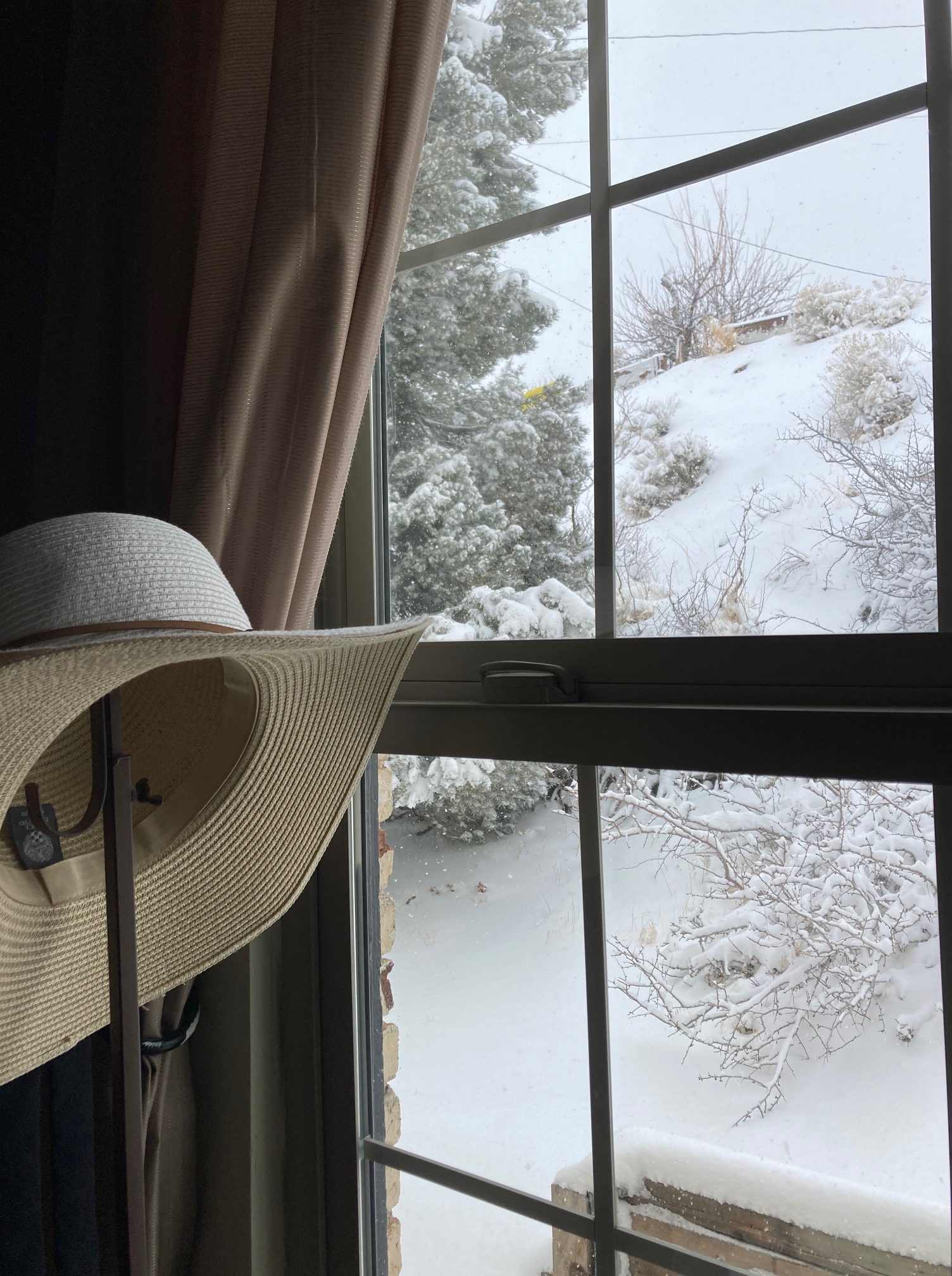
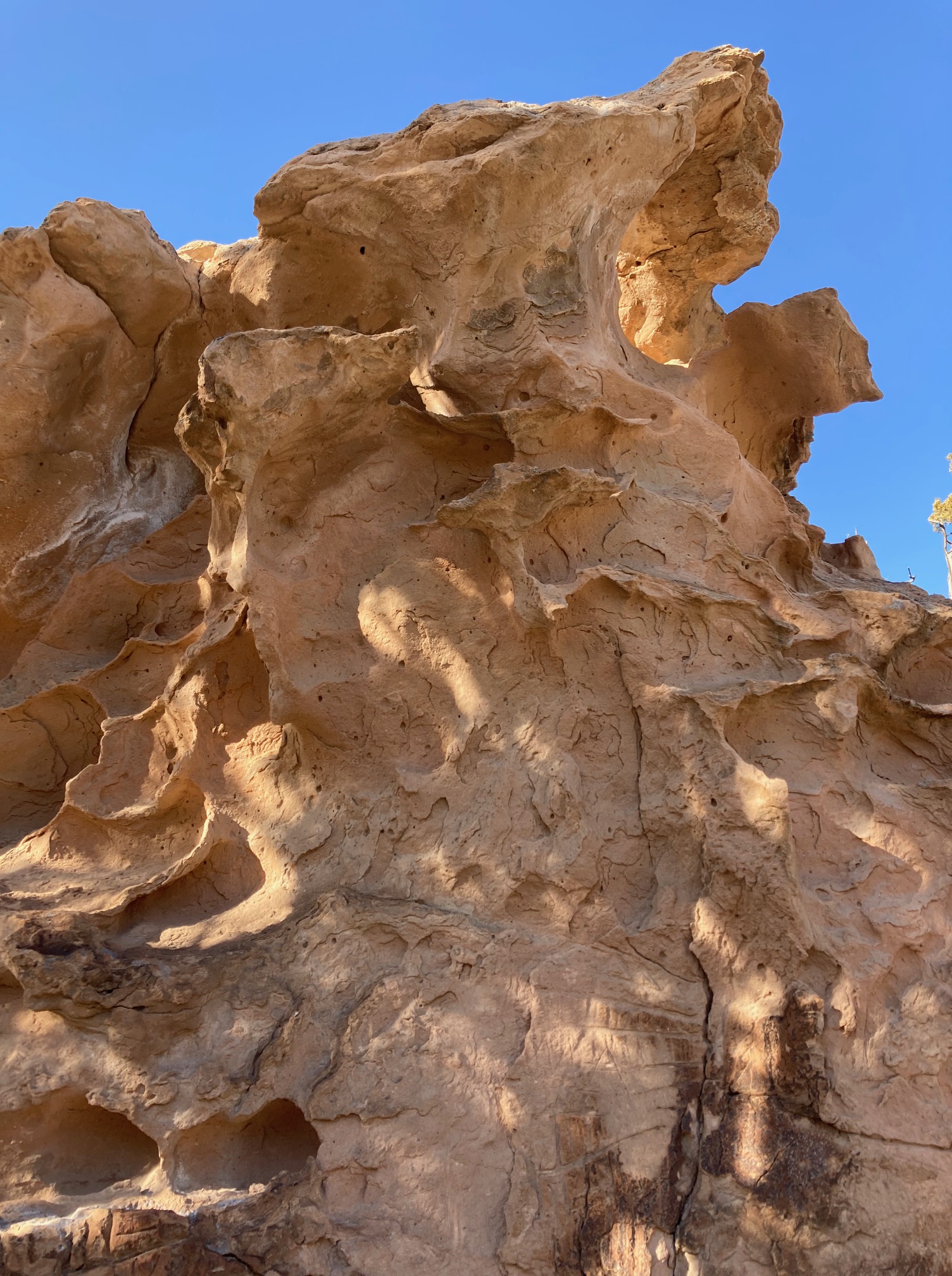
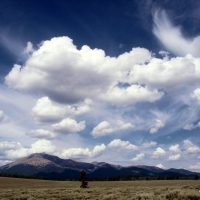
And then my mind and heart and writer’s brain led me back to Nevada, a state where I lived briefly as a child and then again from the autumn of 2020 until the spring of 2026, a state filled with many things bright and beautiful.
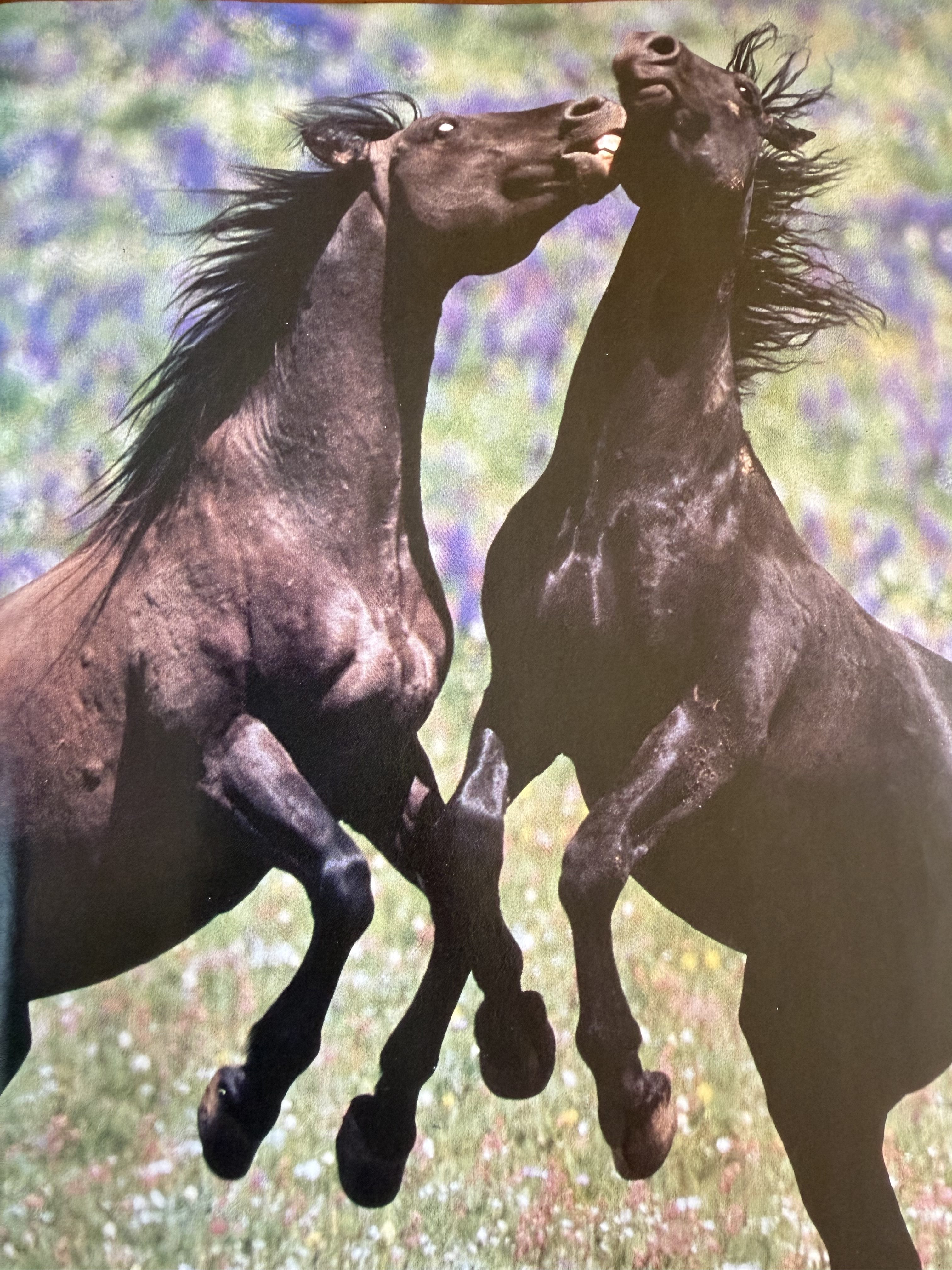
Living in Nevada, I often saw wild horses. I will never forget my first sight of them, a band of maybe nine or ten, their glossy dark flanks shining in the sun, tails and manes flying as they raced along the edge of the Truckee River down in the canyon below the freeway. I was on my way to my new home, still a part of the crowd of humans in the vehicles speeding away from Reno, going on to our disparate destinations, while just below, past a short guardrail and down a steep embankment, water sparkled, aspens glowed golden in the autumn sun, and the mustangs ran, as if in another world, a parallel universe. I was awestruck.
I moved to a remote area, far away from any freeway, and spotting wild horses became more familiar, though I would never call it common. The sight of them always caught me, tugged at me, seemed sacred. Yet, I soon learned that these horses are not entirely free. A number of them are rounded up by the Bureau of Land Management each year in an effort, according to the BLM, “to protect the health of the animals and health of our nation’s public rangelands. In some locations, the BLM also uses birth control to slow the growth of wild horse herds. Absent management and natural predators, wild horse herds can double in just 4-5 years and quickly outgrow the ability of the land to support them” Nevada – Gathers & Removals | Bureau of Land Management.
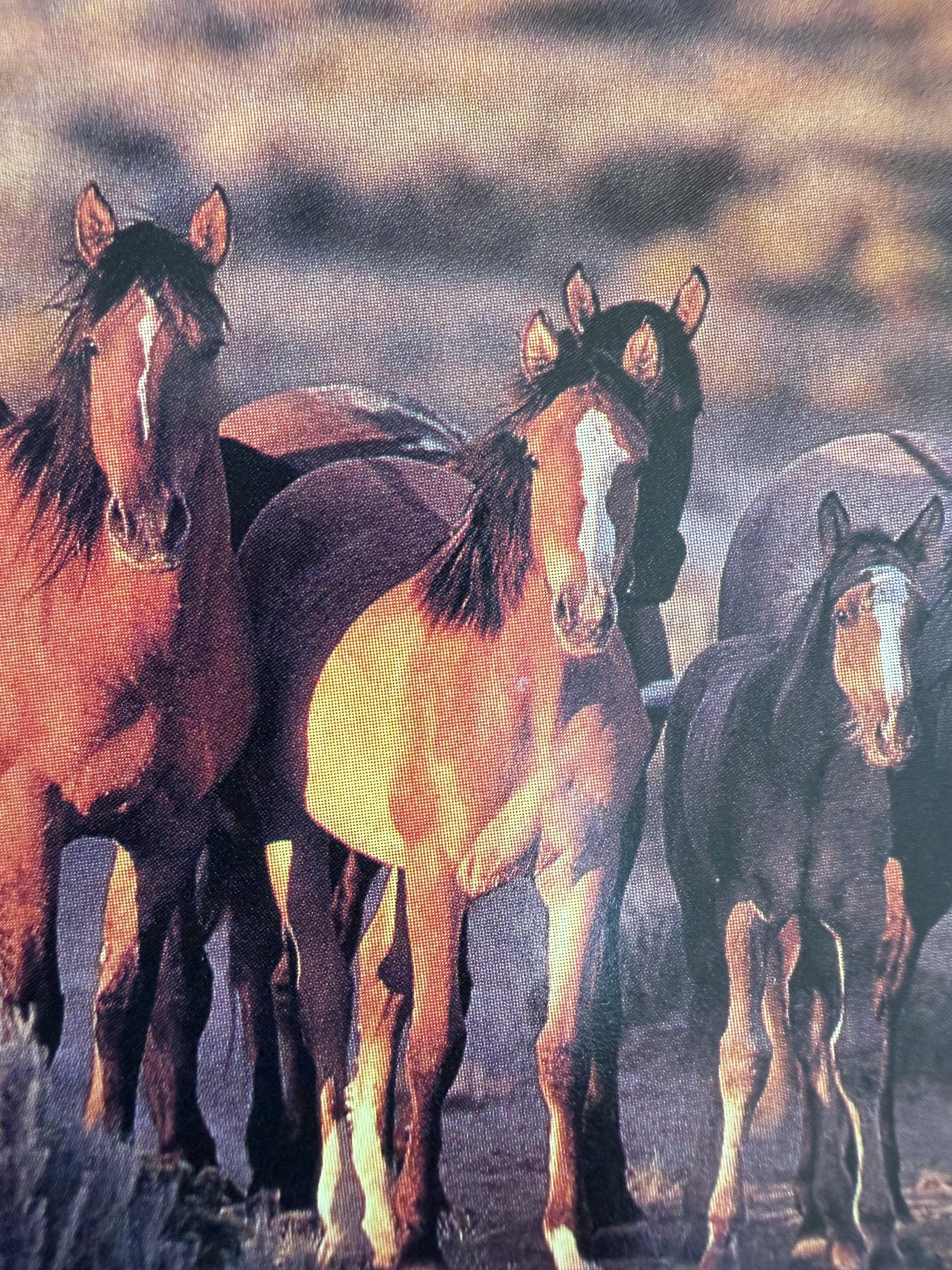
According to The Cloud Foundation, a Colorado non-profit that aims to protect wild herds, The BLM’s 2026 roundup plan targeted 14,830 wild horses and burros for removal, The Cloud Foundation. What happens during and after these roundups is beyond my ability to describe. There are many good sources of information on this topic online and through libraries. What I at first saw as a kindness to the animals I eventually came to see as something much more complex, and even, in its execution and outcome, cruel. I do not claim expertise.
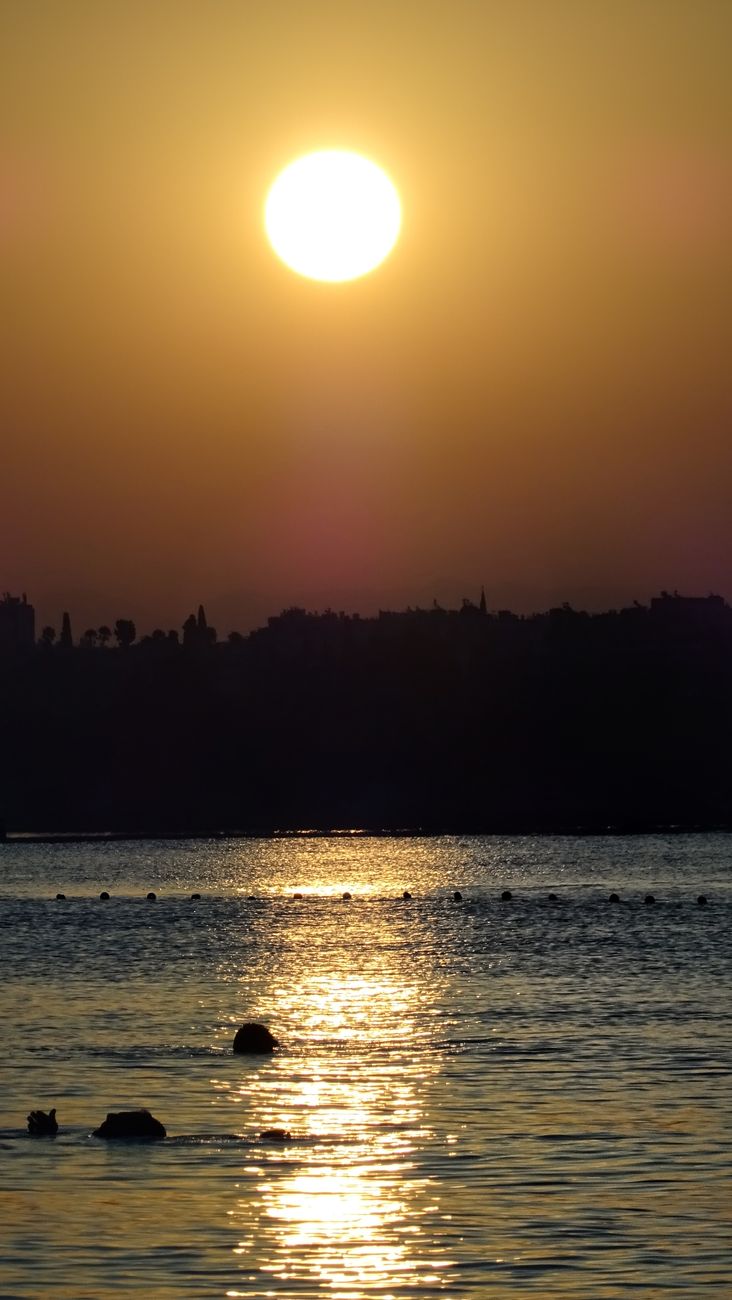
Additionally, I learned that wild horses were not universally revered. Because I regarded them with awe, I expected everyone else would, too. Sort of like when a group of people are gathered together on a beach at sunset, you just assume everyone there appreciates the beautiful display in some similar fashion to the way you do. That’s why they are all taking pictures, right? It seems universal.
I suppose I should have known better, but I am often taken by surprise. I was absolutely stunned to learn that some people, people who loved the wild and lightly populated land of central Nevada—probably more than I as a newcomer ever could–did not see the breathtaking beauty of the wild horses, but instead saw “trash” animals, “no good for anything.” Or so I was told by an old cowboy not long after I arrived. I don’t know if his was a widely held opinion in the area. Frankly, that conversation so saddened me that I didn’t want to know.
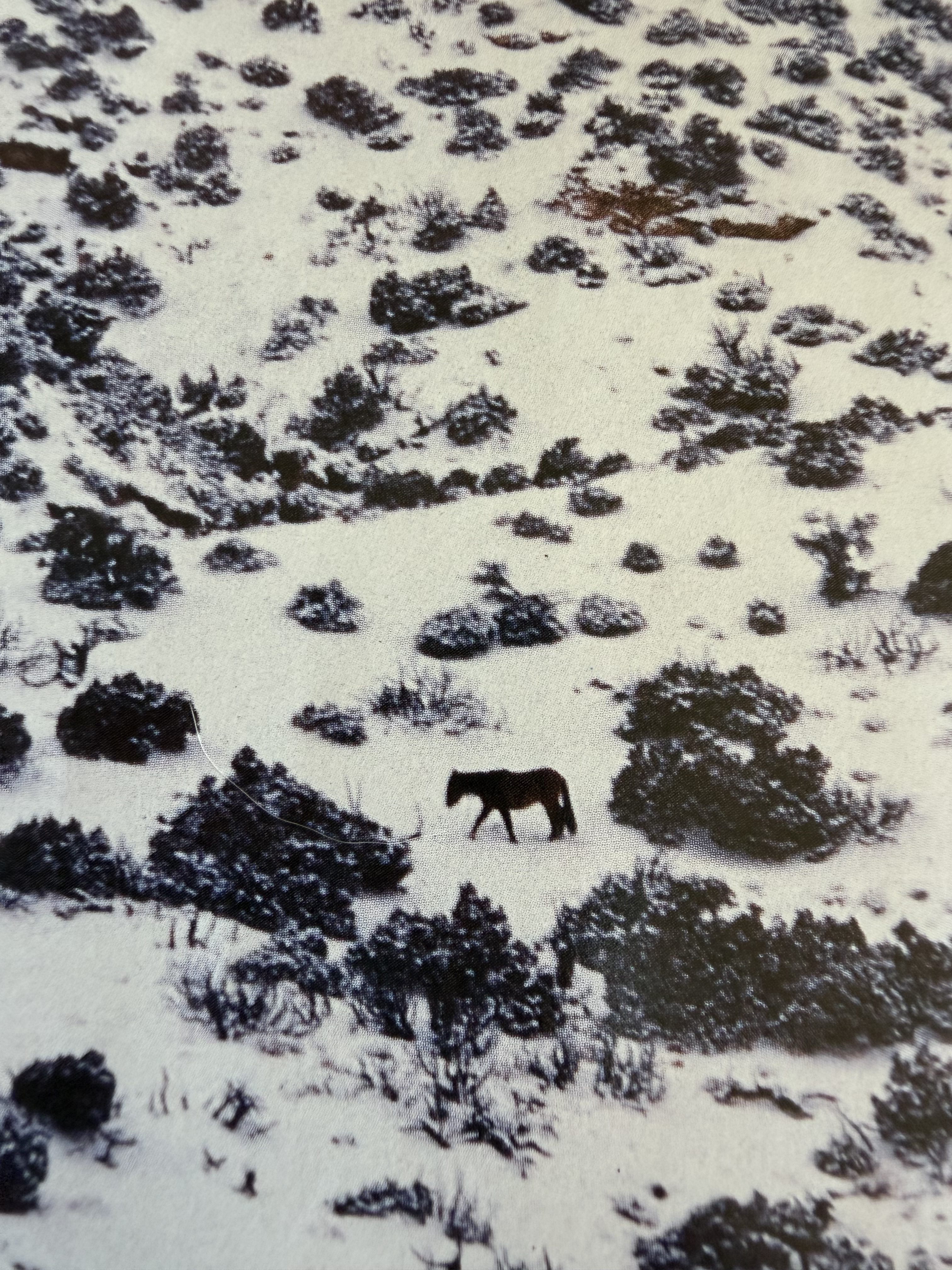
I did some reading and came to the conclusion that, in this, as in so many other aspects, humanity is capable of great love, and also of perfect disdain. While some people care deeply about wildlife, others either take it for granted, see it as a hindrance, want to own it, dominate it, tame it, eat it, turn it into a trophy—or even downright despise it. I don’t understand it, don’t have the perspective needed to grasp it, because, some might say, I’ve never had to compete with another creature for land or food or water. Maybe that’s it. I don’t know.
When it comes to wild horses, I still wonder how anyone could not care about such gorgeous creatures, creatures whose only wish is to live? What other value do they need? What value does any creature need? The horse, the bear, the deer, the eagle, the salmon? And what value do flowers need? Or trees?
Sometimes life hurts. You may see the beauty around you with clear eyes, and that sustains you. I hope you do. Usually, these days, for me, that means noticing the splendor of nature. It is in nature that I seek solace, and also renewal. You may appreciate the beauty you find in nature, or in your child’s eyes, or in a piece of music, or a work of art, and revere it—yet still, you weep as I have. And sometimes, it is beauty itself that sparks the weeping. For me, today as I write this, the beauty I weep for is the beauty of the horses.
Here is a link to one of the Tabernacle Choir’s performances of “All Things Bright and Beautiful.” I hope you enjoy it.
And the lyrics:
All things bright and beautiful,
All creatures great and small,
All things wise and wonderful,
The Lord God made them all.
Each little flower that opens,
Each little bird that sings,
He made their glowing colours,
He made their tiny wings.
The rich man in his castle,
The poor man at his gate,
God made them, high or lowly,
And ordered their estate.
The purple-headed mountain,
The river running by,
The sunset and the morning,
That brightens up the sky.
The cold wind in the winter,
The pleasant summer sun,
The ripe fruits in the garden,−
He made them every one:
The tall trees in the greenwood,
The meadows where we play,
The rushes by the water,
We gather every day;−
He gave us eyes to see them,
And lips that we might tell,
How great is God Almighty,
Who has made all things well.
All things bright …
(Amen)
The United Church of Canada includes a fourth verse:[14]
The rocky mountain splendour,
The lone wolf’s haunting call,
The Great Lakes and the prairies,
The forest in the fall.
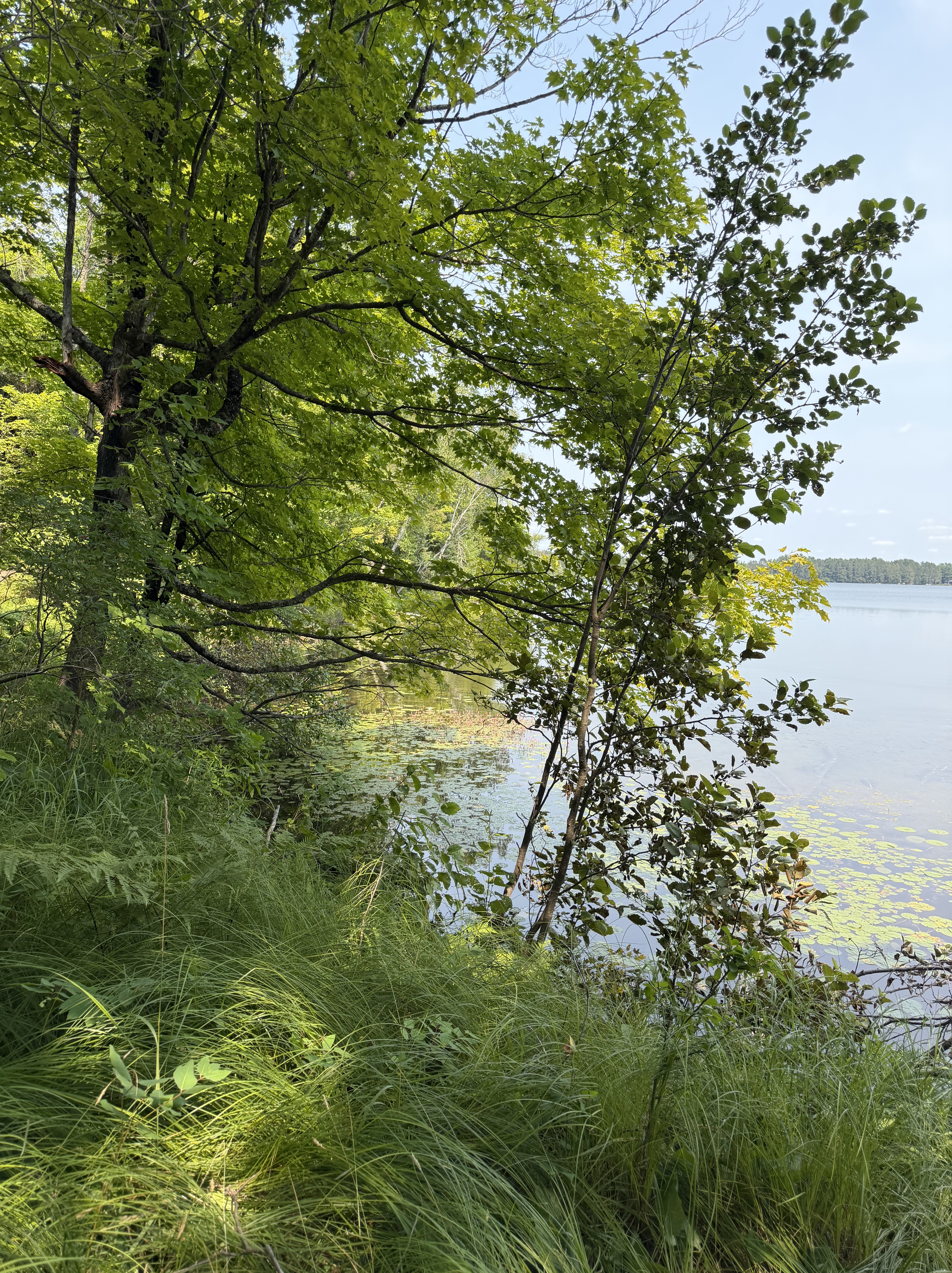
And here I am back in The Great Lakes, in the forest, in the fall.
Thank you, Lord God, for them all.




































Live. Love. Lake. And Read!
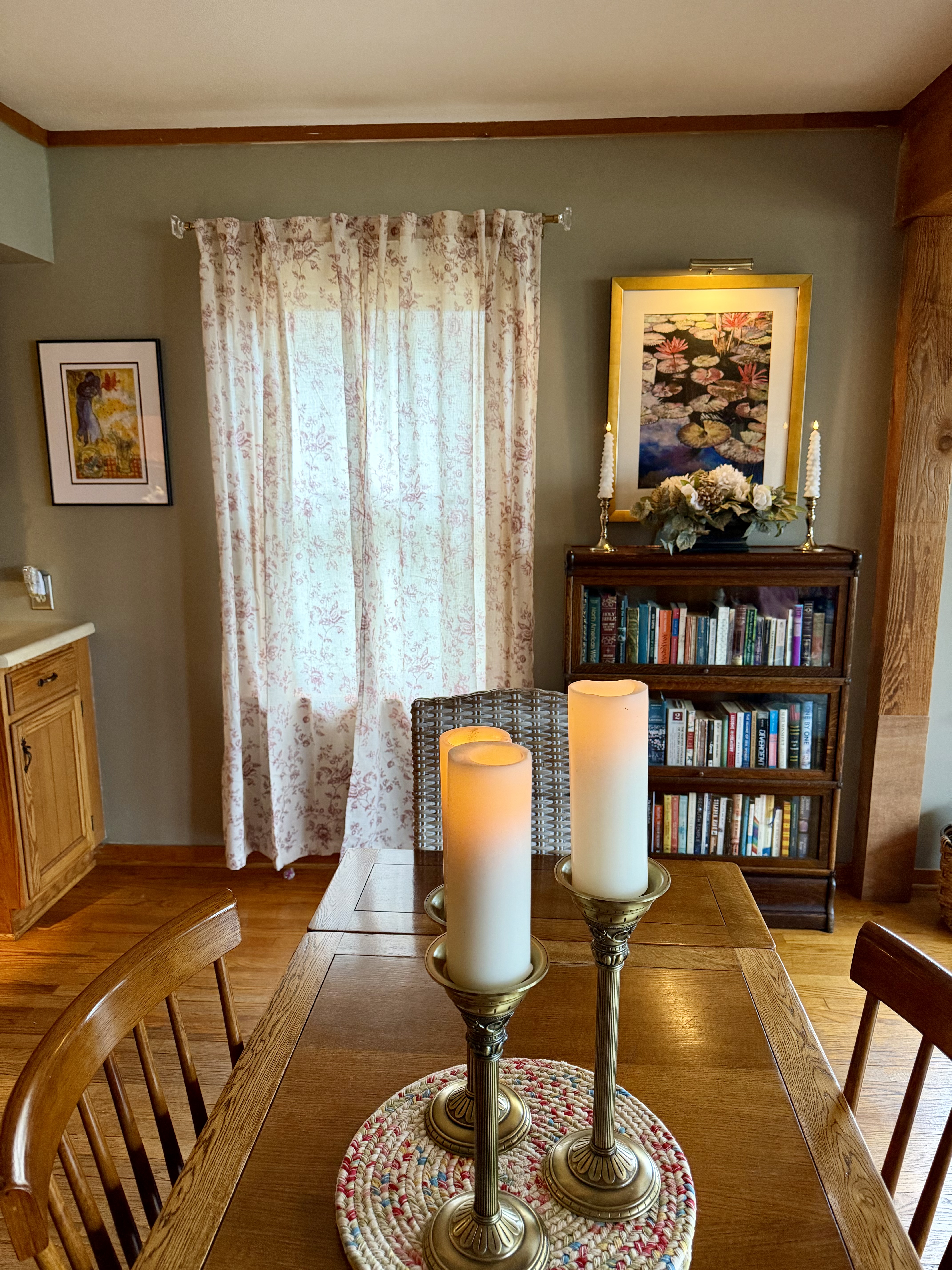
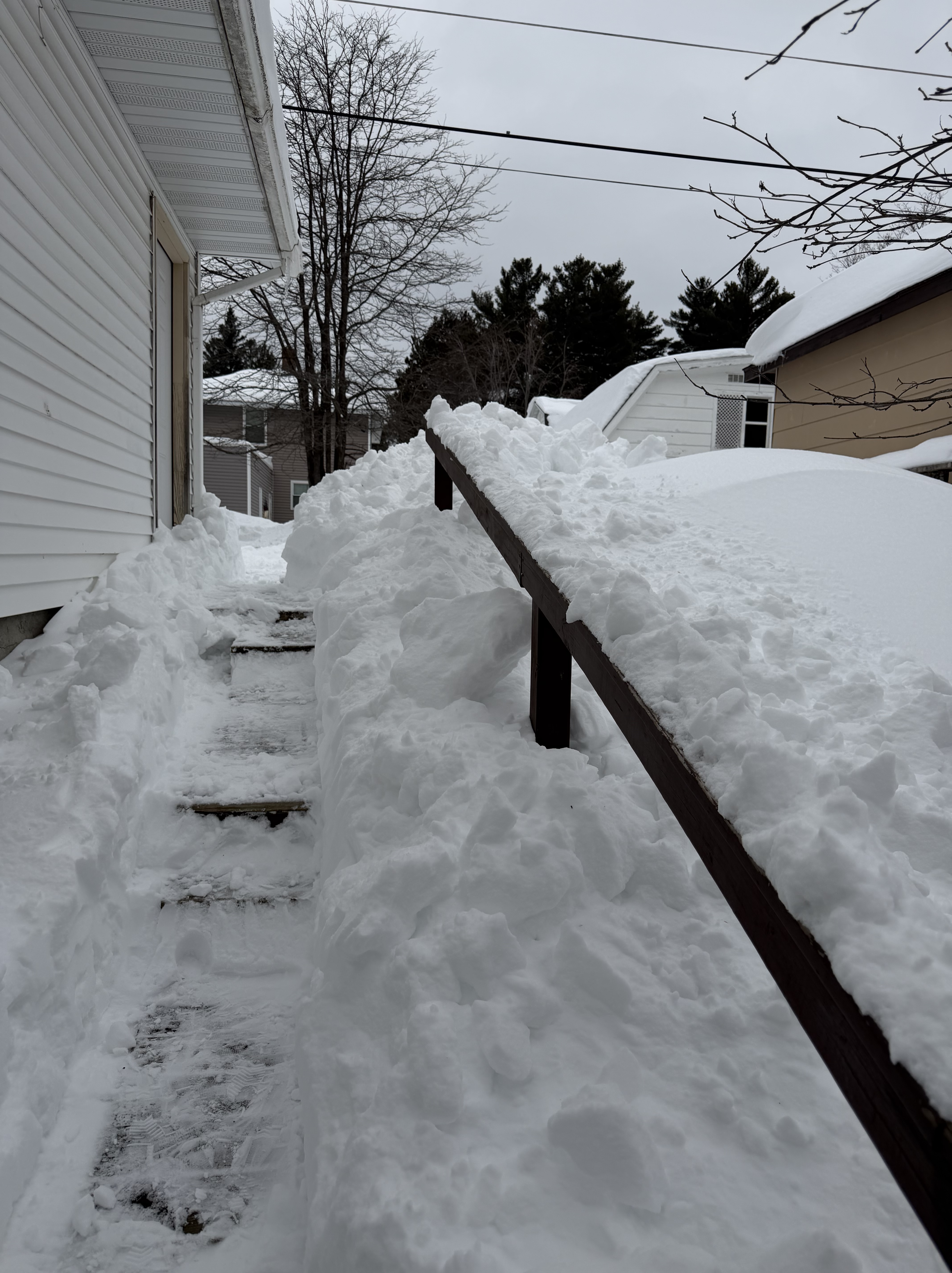
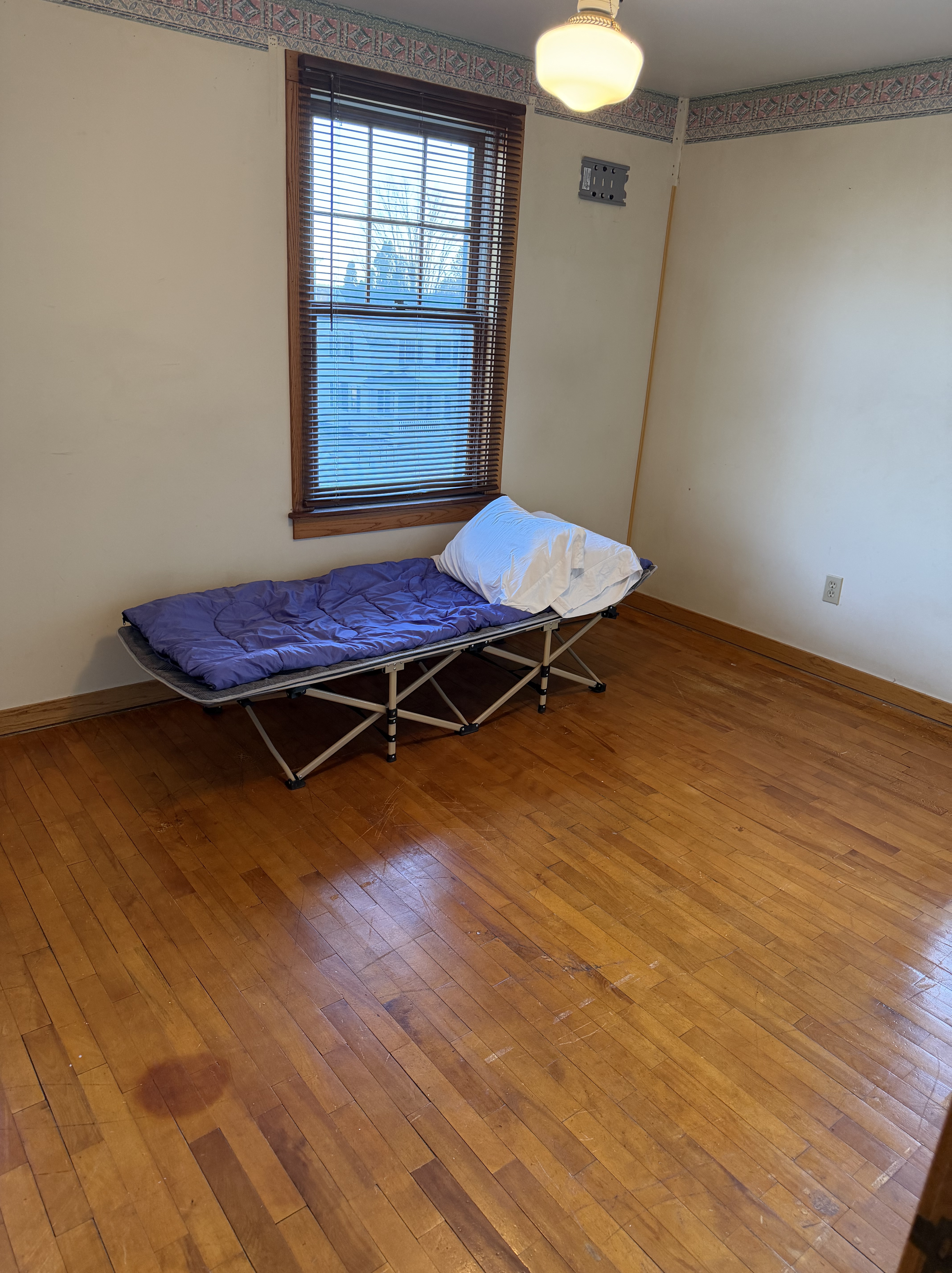
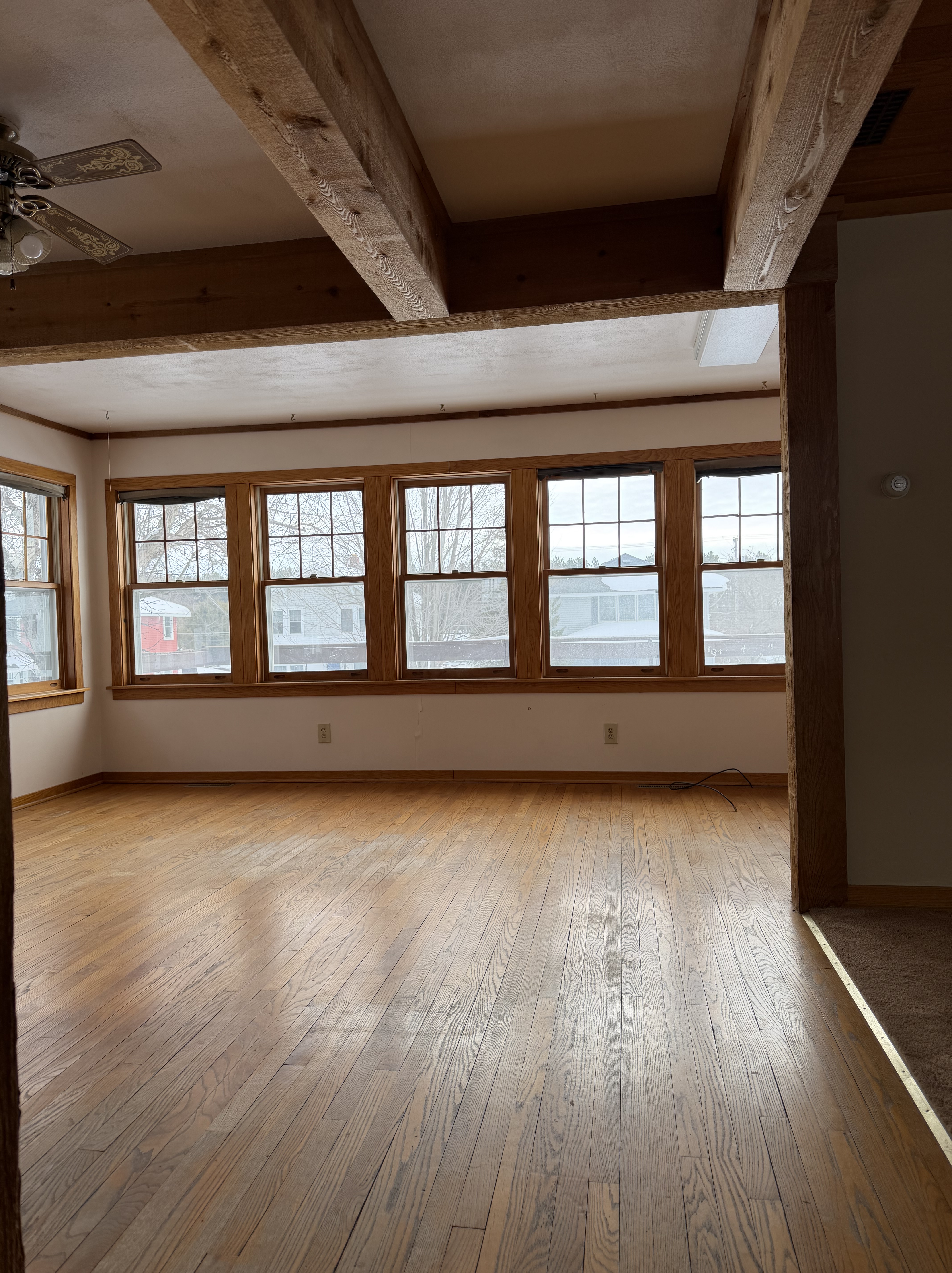
Hello, Friends! In between a busy schedule of painting and repairs on our new/old house, Mr. P and I have been enjoying the warmer weather, and particularly the explosion of leaves and flowers on the deciduous trees and in the gardens and on the porches of many of our neighbors. We had one day that was much too hot for me, but so far, only one, so I have nothing to complain about. I am loving the mostly cool and humid spring climate here in the upper peninsula of Michigan. I told my husband it’s sort of like a cool Hawaii—lots of interesting weather changes within a day along with a lush and verdant landscape. It can go from sunny to cloudy and back again in no time.
Our neighborhood consists of a sweet few blocks of century old two-story homes built for employees of the Ford plant that was here at the time, along with a park and a three-story home, called “the clubhouse” used by Ford and other important individuals.
“…Construction on the houses […] in the upper Ford Addition began in mid-May, 1924. Placed 24 to a block and kept in good repair by a crew of men employed by the Ford Motor Company for that purpose, the homes had electric lights, indoor bathrooms and were wired for a telephone. Most had three rooms downstairs, three rooms upstairs and a large cement basement. Some had five rooms, three on the ground floor and two upstairs. The smaller bungalows had five small rooms. Prices ranged from $3,500 to $5,500. A block-and-a-half square situated between Woodward Avenue and Hamilton Avenue was left for a park in the 600 block. In 1928 the park was equipped with tables, benches and garbage cans. A bandstand was erected in 1929, and a concert was held every Wednesday evening during the summer months. A cinder path was added in 1930 and tennis courts were also added [Menominee Range Historical Museum].” https://history.dickinsoncountylibrary.org.
I’m told we have our own little neighborhood parade, that the high school band marches down our street, and that we have a very big Halloween turnout here. The middle school, high school, a little lake, a park, medical clinic, a brew pub, tavern, and restaurant are all within easy walking distance. Nearby there are bigger lakes, the Menominee River, ski hills . . . . just all kinds of wonderful natural beauty. Walking and kayaking are our favorite activities here so far.
It’s fun to watch the rhythms of the place unfold as we begin to find our place here, bit by bit.
Reading News:
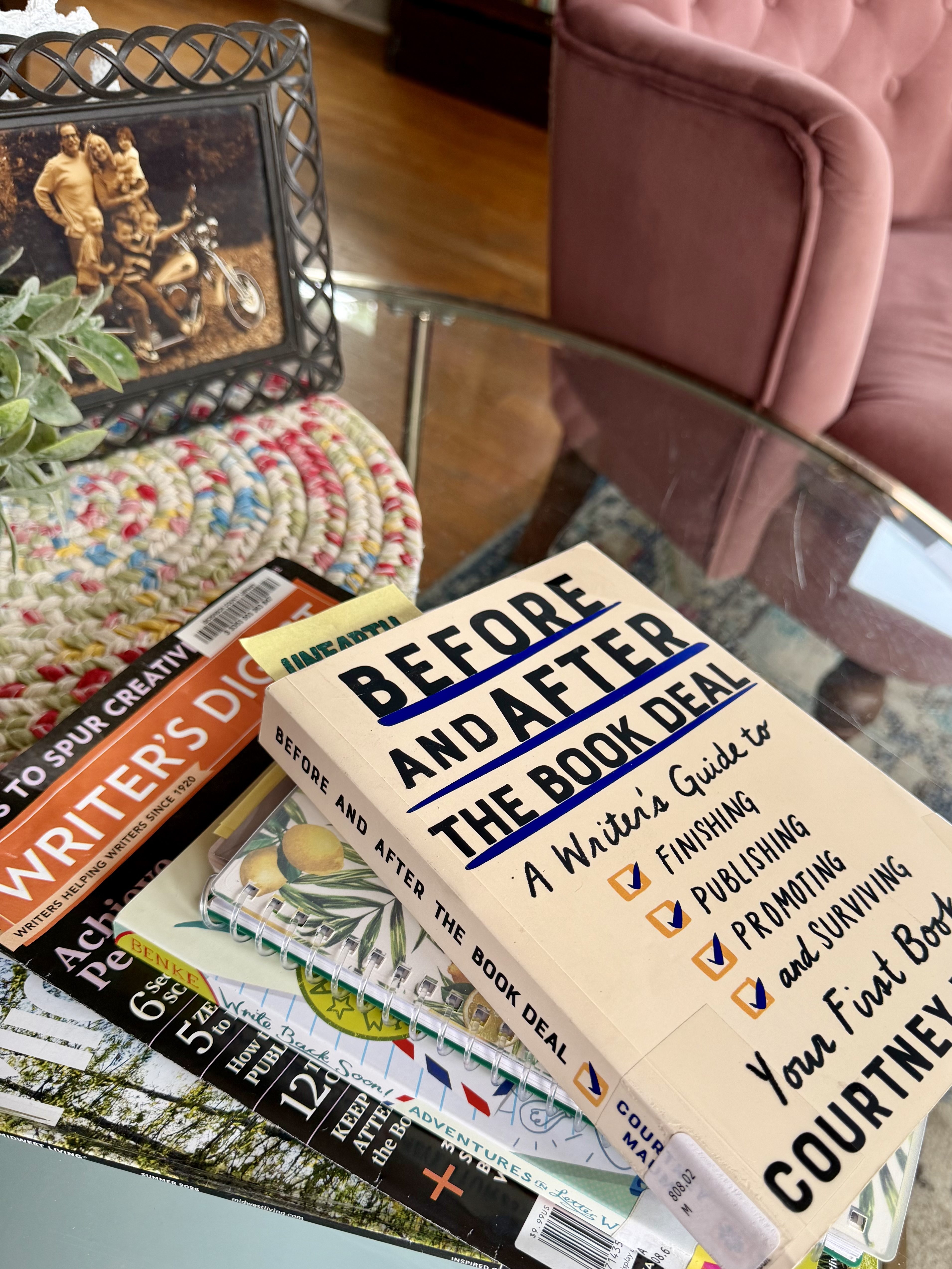
My latest reads include
Blonde Dust, Tatiana de Rosnay—loved it!
My Husband’s Wife, Alice Feeney—entertaining
Judge Stone, James Patterson and Viola Davis—entertaining
Broken Country, Clare Leslie Hall—loved it
The Widow, John Grisham—entertaining
The Missing Pages, Alyson Richman–entertaining
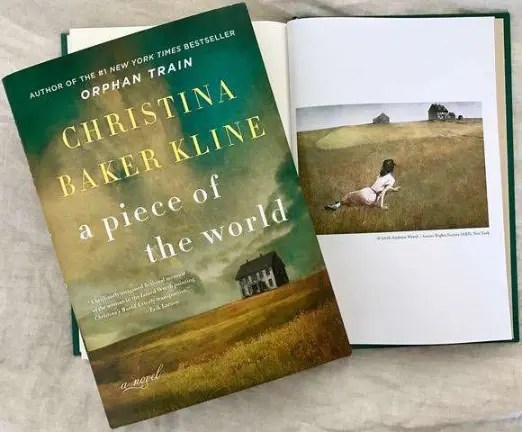
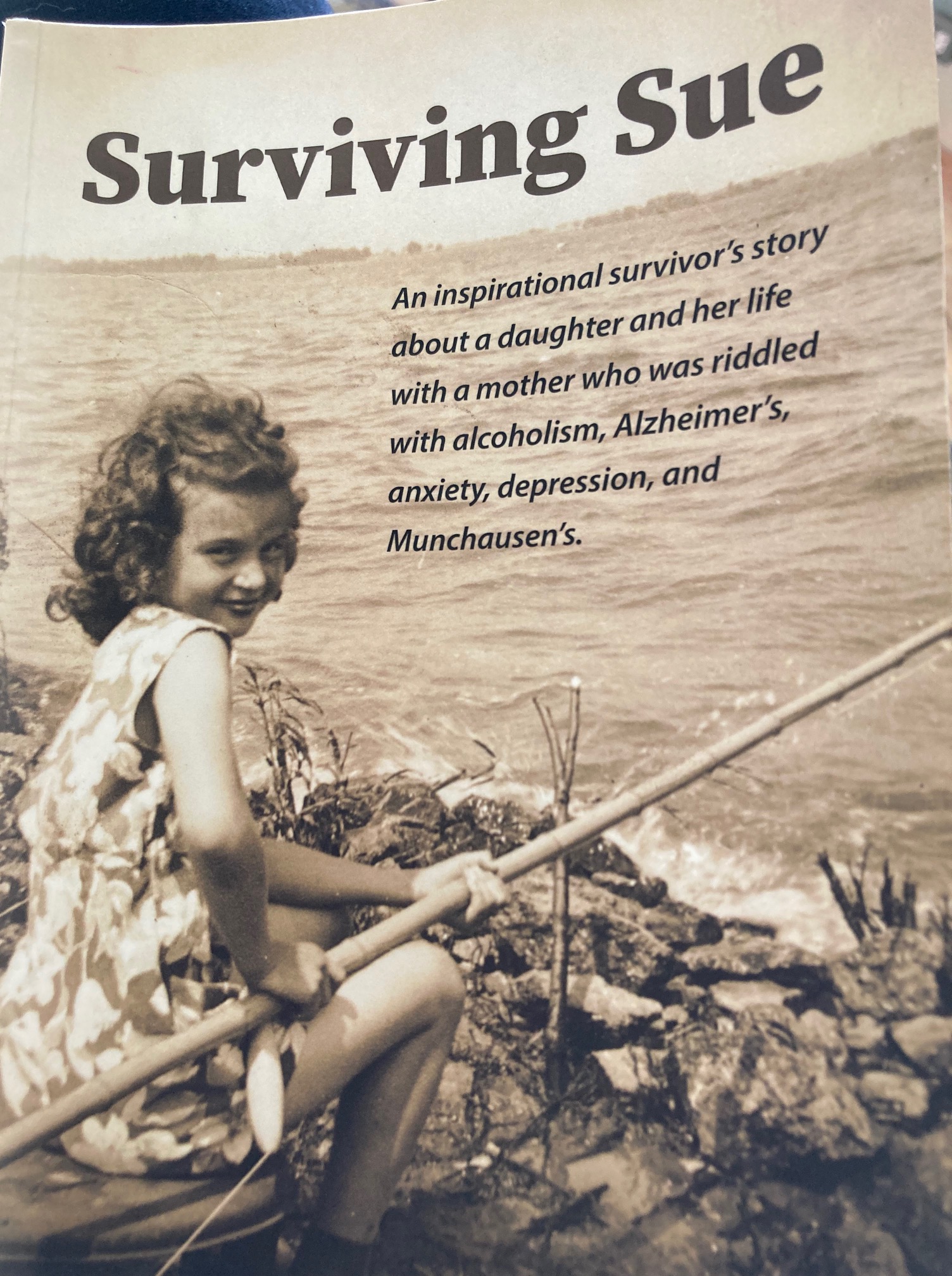
My current read is Slivers, by Vicki Atkinson. Vicki is a fellow WordPress blogger and author of the wonderful memoir, Surviving Sue, which I loved. She is a licensed professional counselor with a doctorate in Adult Education and degrees in Psychology. I’m delighted to read her debut novel, Slivers, and will be writing a review soon!
Happy Reading! Happy Summering! XXXOOO -Lori
Share this:
51 Comments
Filed under Authors, Books, Commentary, Fiction, HIstorical Fiction, Home, Nature, Personal History, Reading, Seasons
Tagged as Book Review, Fiction, Michigan, Moving, Writing