
Warm Summer Sun
by
Mark Twain
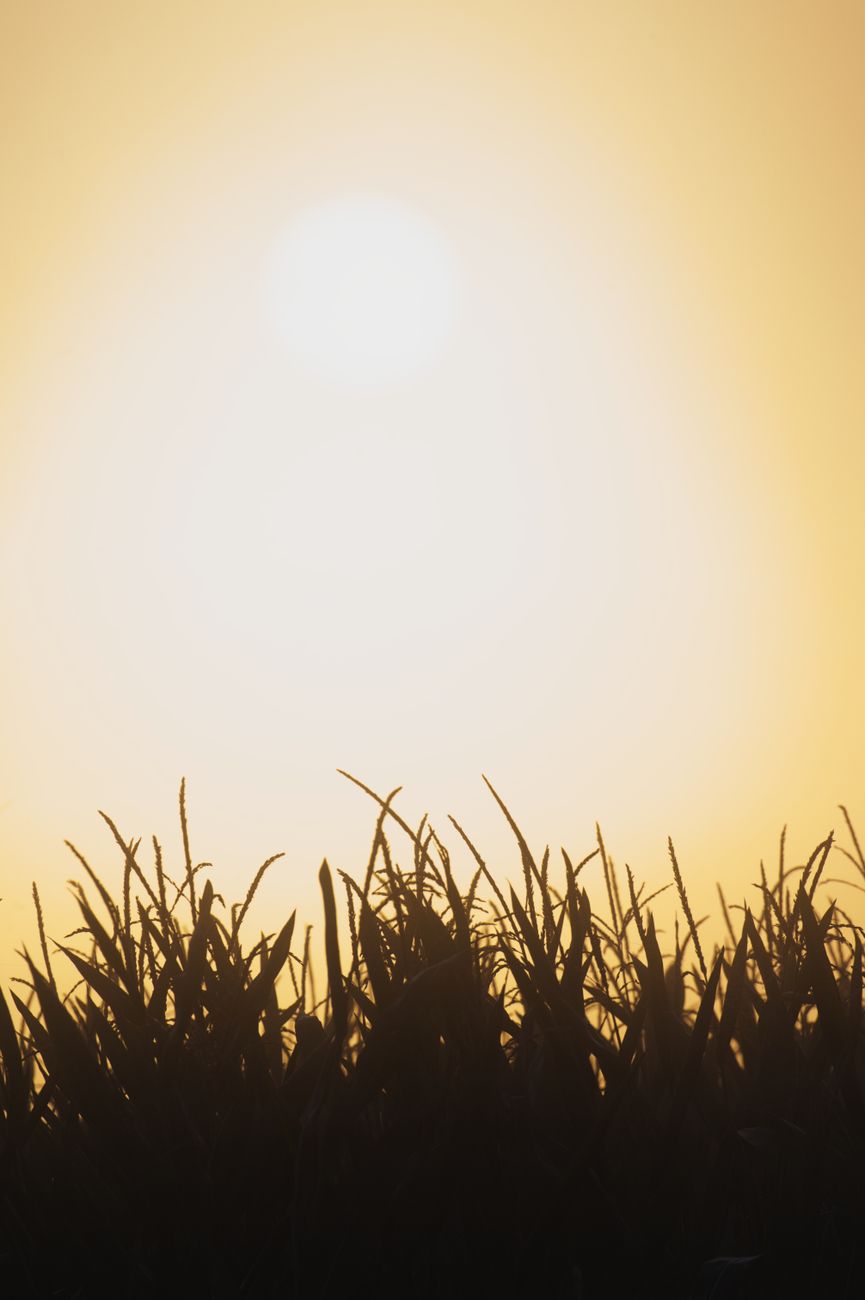
Warm summer sun,
Shine kindly here,
Warm summer wind,
Blow softly here.
Green sod above,
Lie light, lie light.
Good night, dear heart,
Good night, Good night.
August 2026. Because no one ever promised me a rose garden, I am not surprised that I do not have one. I am incredibly lucky, I know, to have a house. A roof over my head. A husband who loves me. It’s involved a lot of work and a lot of moving and some really tough choices, but we have a century old home and we own it outright. It’s what’s called a fixer-upper, but it’s in a charming neighborhood in a nice town in a beautiful part of the country.
This home doesn’t have a rose garden, but it does have a small yard with five trees: a pine, a crabapple, a maple, a walnut and an ash, and for those I am very grateful. This matters because life without an abundance of trees makes me sad.
I think I was born knowing this, that I needed trees, but I haven’t always been able to live in a forest. Sometimes, though, I have. I’ve lived among the branches, crowns, needles, and leaves of thousands of trees, as in the San Bernardino Mountains of Southern California where the trees literally grew through the deck of the house and rubbed against its sides during storms. I lived amid towering pine and oak forests, watching the squirrels argue with the Stellar Jays. Chattering, flying balls of fur and haughty blue-winged overseers fighting it out for the choicest acorns. In Southern Wisconsin, I lived in boggy woods nestled around the Fox River, heaping piles of autumn leaves burning in all the yards in November, ears tuned to the haunting calls of owls at night and eyes searching for the bright scarlet wings of the cardinals, ears hearing their sweet duets—cheer, cheer, cheer!
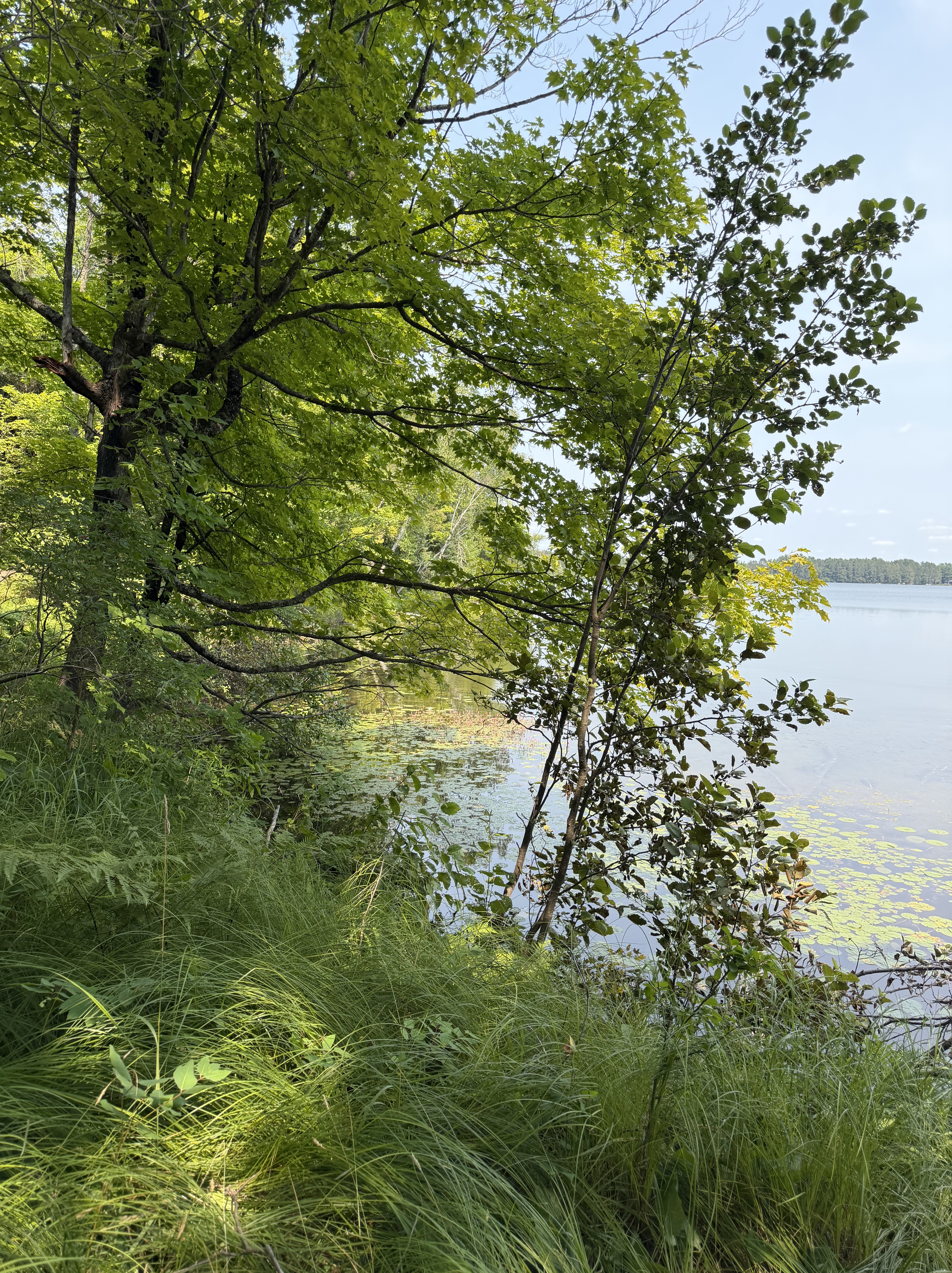
I’ve lived in other places that I loved, but found that the number of trees in proximity needed to be at a fairly high ratio compared to the number of dwellings for me to . . . what? Breathe properly? Yes, to breathe. Something close to that anyway.
Here in our new/old home in Michigan, in the glorious Upper Peninsula, we originally had three more trees than currently. Sadly, this was only for the first couple of weeks we owned the house. They were beautiful old pines, but we had to have them removed when we moved in and discovered that all the plumbing needed to be replaced inside the house, along with the sewer line that leads down to the street. This necessitated having those trees removed, half of the yard dug out, and then once everything was redone, a truckload of dirt brought back in and that half of the yard reseeded.
This also necessitated the emptying of our savings account (please don’t ask about why we had no other recourse…). Also, some extremely dear friends helped us with the final expense for all of that. There is no adequate or even semi-adequate way of expressing our gratitude for our friends. You know who you are and I hope you know how much you are loved. And—anyway! Anyway!
When we purchased our house, both the structure itself and the yard had been neglected for quite some time—years—decades even. The house will no doubt be given more of a starring role in an upcoming post, but for now, since I am finally writing again and I seem to want to write about trees and plants, I will briefly describe the yard.
The garden consists of a couple of small areas near the house where my husband and I managed to put in a few plants when we moved here this spring: two small Japanese willows, a lavender and a sumac. Money was very tight (think sewer), so we didn’t even try for an annual garden nor any vegetables. Frankly, it was a money issue and a “first the house has to livable” issue. Next spring, we’re hoping to plant more.
Deer are not lavender lovers, and since sumac grows wildly all over the Midwest as far as I know, I didn’t think it would attract them either. I wanted something that would be colorful in the autumn. I was pretty sure the delicate looking willows would look tasty to wildlife, but I chose them anyway. They were small and inexpensive.
Sure, we knew deer might be a problem, but we adopted the “wait and see” approach. Some neighbors had shrubs and flowers, not as many as could easily have been grown in such lush soil and usually ample rainfall, but still, there were baskets of flowers and ferns hanging on most of the porches and a few manicured beds. On closer inspection, we noticed various deer deterrent devices throughout the area.
We caged the willows and sumac after the first night when they were nearly totally consumed by a few of our local white-tailed deer. The required wire fencing and stakes cost more than the plants, and naturally, they are not as attractive now that they are nubs shrouded by fencing.
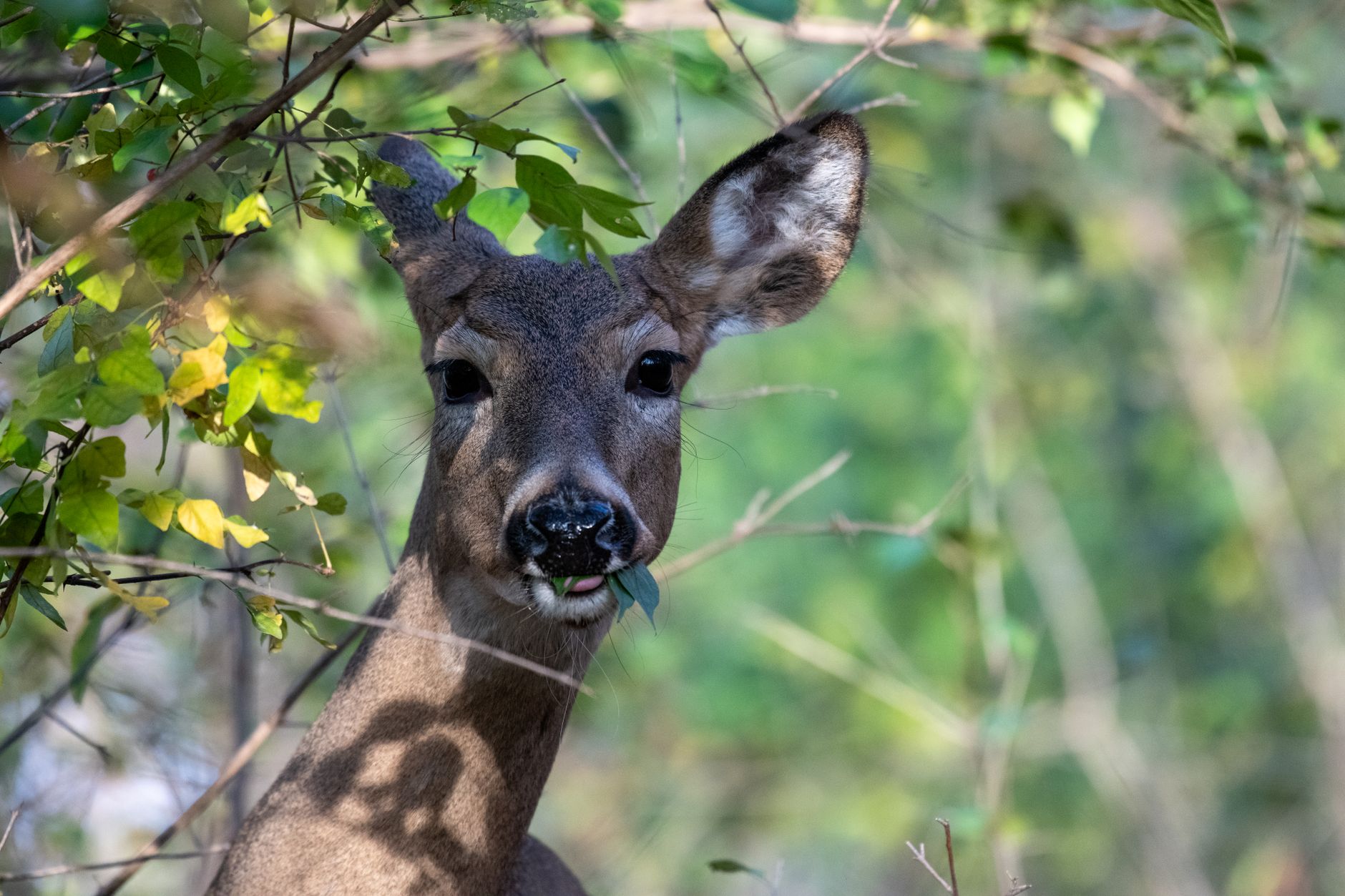
The deer are worth it though. They are so beautiful. Life goes on, and we do our best.
Sometimes, when the days feel heavy and colorless, bleak and hot, I cannot summon the courage to write. That doesn’t mean I lose the longing for beauty and comfort during the long hot days of summer, it just means I have to dig down a little farther into the cooler depths where the roots still rest and strive, into a quieter place than the garden above. This has been that kind of a summer. A quiet time of long walks, house painting, reading, and waiting to hear from my publisher. A time of burrowing in, fortifying, growing roots. Hoping that the time spent walking in the woods, the time spent immersed in the compelling work of other writers, the time spent repairing this old house is time spent on growing a new kind of garden. The right garden for us to live in now, here in Michigan, at this time in our lives.
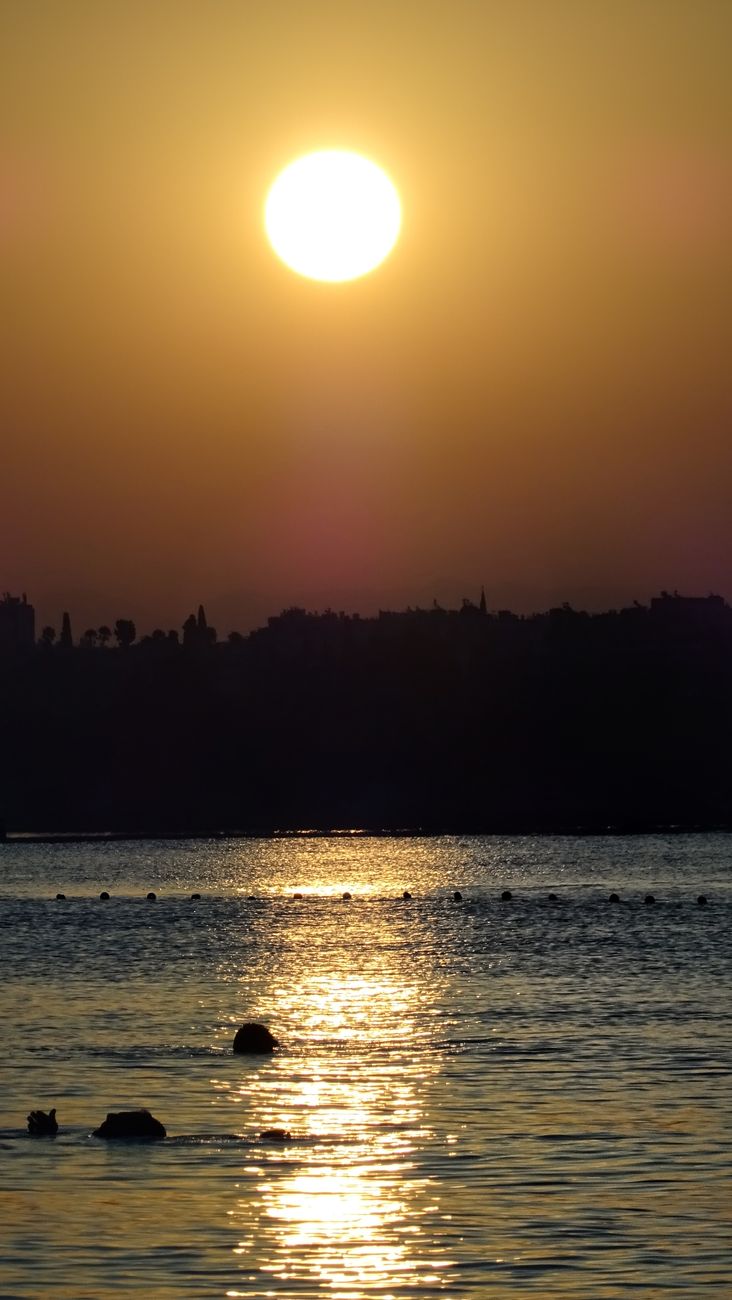
These are the wonderful books that have been filling my head and heart lately:
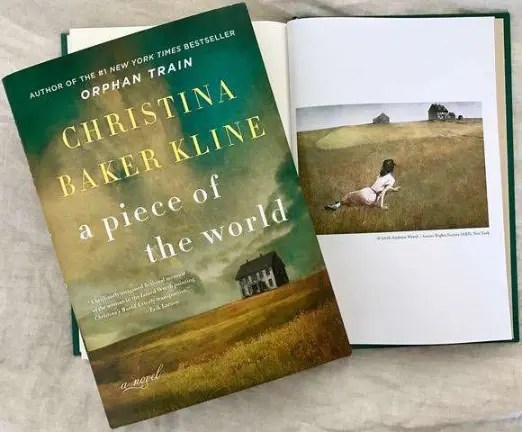
A Piece of the World by Christina Baker Kline. I loved this book! I am still thinking about it for a week after finishing it.
When the Cranes Fly South by Lisa Ridzen.
The Diamond Eye by Kate Quinn
Tom Lake by Ann Patchett
I See you’ve Called in Dead by John Kenney
The Missing Pages by Alyson Richman
The Mad Wife by Meagan Church
Just for fun: The Villa by Rachel Hawkins
Just started: The Briar Club by Kate Quinn
And now, Welcome, Welcome to September!
A Month of Change and New Possibilities!
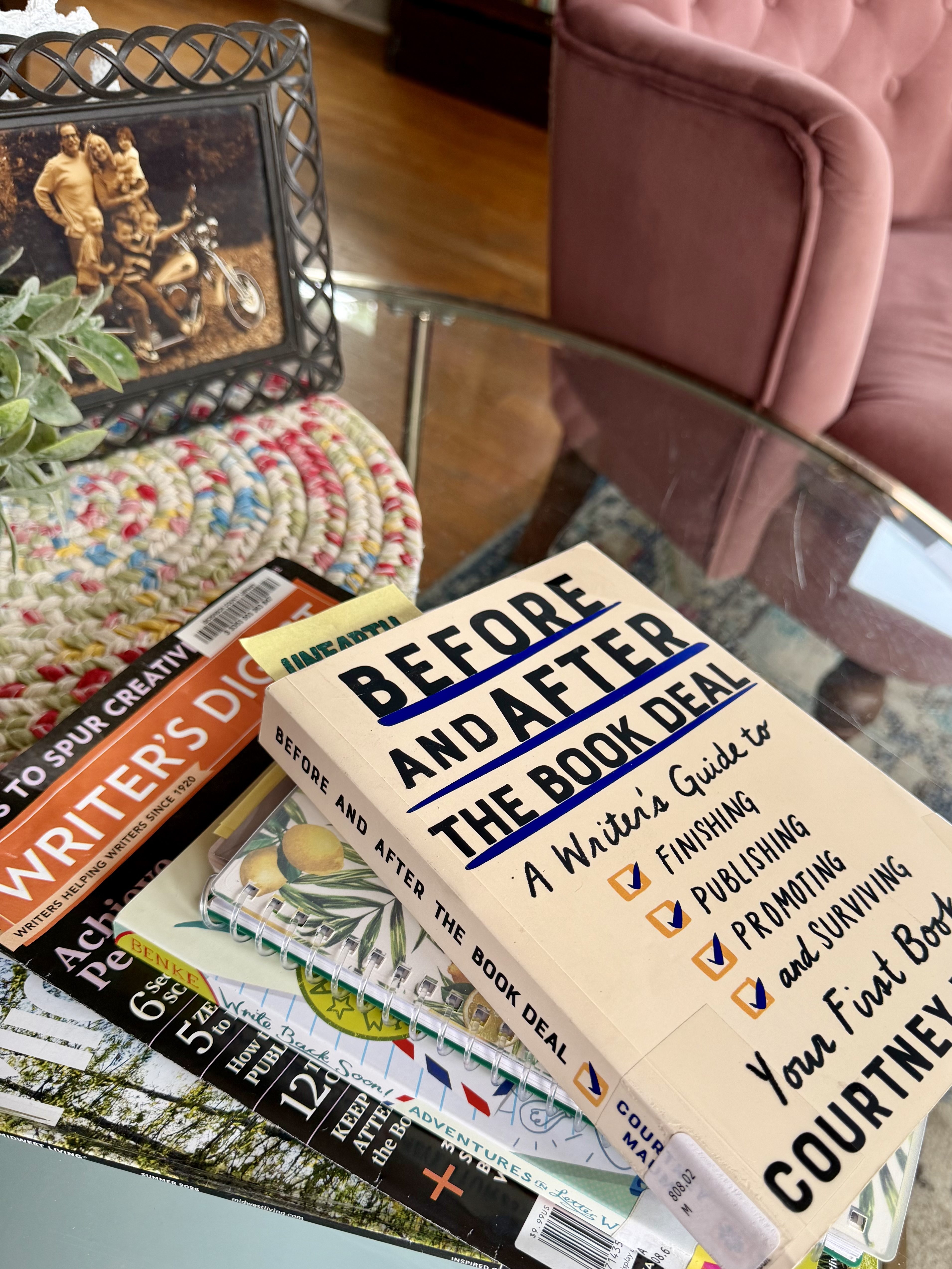
Wishing you all wonderful days
and
plenty of the things that matter most to you!
Lucy Maud Montgomery, ‘September’.
Lo! a ripe sheaf of many golden days
Gleaned by the year in autumn’s harvest ways,
With here and there, blood-tinted as an ember,
Some crimson poppy of a late delight
Atoning in its splendor for the flight
Of summer blooms and joys
This is September.



 GO DEEPER
















Books Get Me Through The Great Alone
It’s been two weeks since I left Nevada and one week since I arrived at my new Michigan home. All of these days have been solo; I drove alone, I arrived alone to an empty house, I spend my days here alone. There’s a theme building . . . For now!
But husband and kitties will be joining me soon.
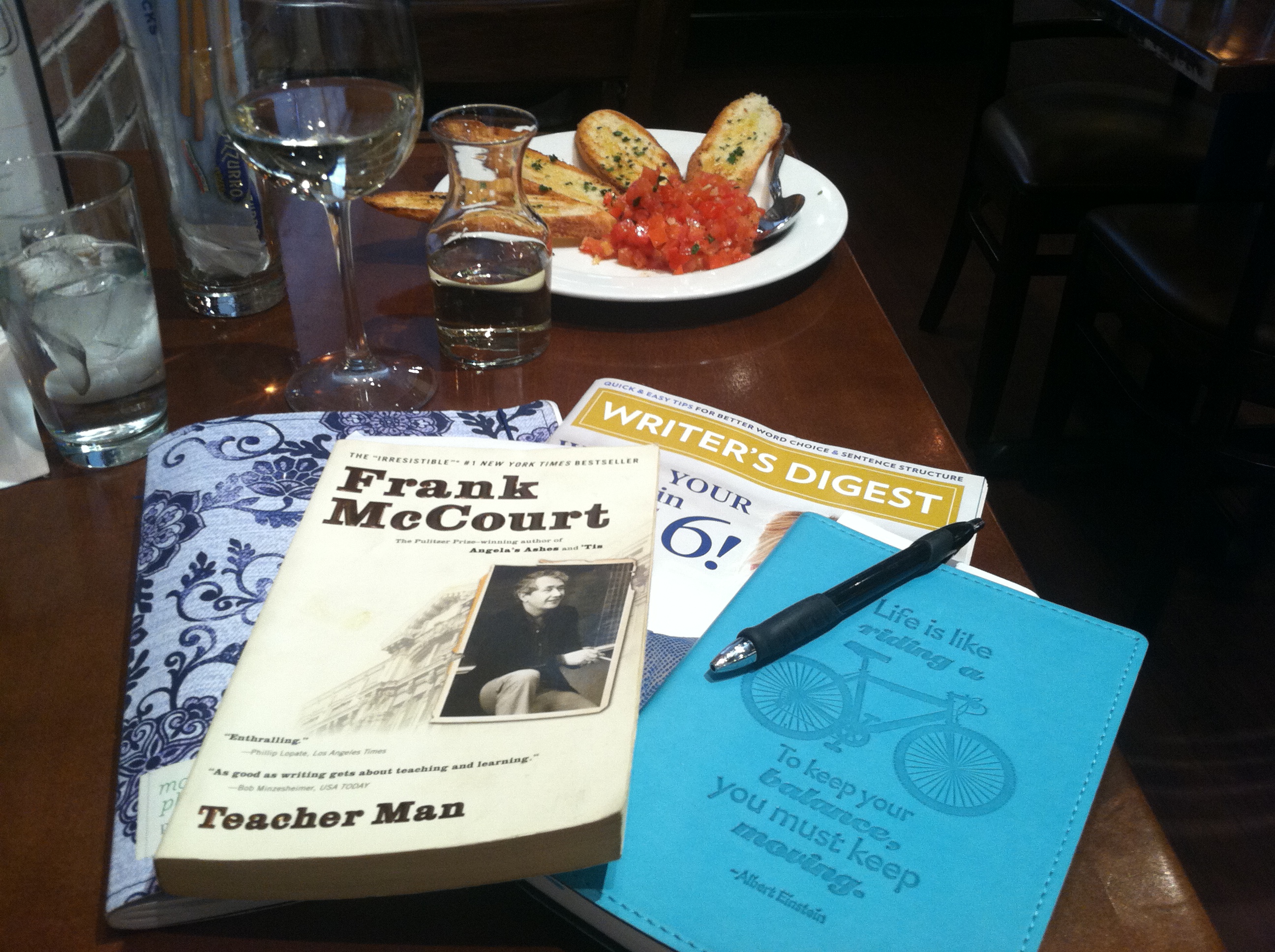
As an introvert, this hasn’t been particularly tough. I love people, but I also love solitude. I just got the internet yesterday, and that’s fun because now I can write and publish my writing more easily. No TV here yet. No furniture to speak of. I have one little lamp table that fit in my car, a folding camp chair, and a cot. That’s it. Everything else will come in the moving van next week. So, what do I do all day?
I clean and I read. Often, at the same time, by listening to audiobooks using the Libby library App. One of the books I’ve enjoyed so far during this extended period of solitude is aptly The Great Alone by Kristin Hannah. It’s a tough book about a tough time and a tough place, but I liked it. Alaska in the 1970s, mental illness, abuse . . . it’s got it all, but it isn’t only that, of course. It’s also a book filled with nostalgia, love, and the awesomeness of nature.
Other books I read either just prior to moving, during the drive, or since my arrival are: We All Live Here, Moyes; Sandwich, Newman; The Secret Book of Flora Lea, Henry; Remain, Spark and Shyamalan; The Missing Half, Flowers and Kiester; and currently, The Island of Sea Women, See. Each book has its merits.
I found both We All Live Here and Sandwich charming and humorous. Both are light, contemporary novels with women protagonists wrestling with life changing events and the love of family.
The Secret Book of Flora Lea took me to one of my favorite historical settings, World War II England, in the countryside and also to London in the 1960s. It’s a delightful book about sisters, families, love, and the importance of stories.
Remain and The Missing Half are mysteries, with Remain being the more entertaining of the two for me. The Missing Half helped pass the time, but Remain’s ghostly love story captivated me at times, including during several memorable scenes that made me shiver.
And now I’m listening to The Island of Sea Women. It’s taken me to a part of the world I know very little about, which I love, because I am learning so much. It’s set in Korea from the story’s beginning in the 1930s and will move through the war years and take me to the present day. It’s about women sea divers (an amazing group of female divers who earn the money for their families while their husbands care for the children), and it’s the story of two friends Mi-ja and Young-sook.
As you can see, I’ve not been alone, not really, for I’ve been traveling through time and place along with the characters created by the authors of these varied and appealing novels, carried away by their stories. It’s a kind of magic really, the way a reader lives both inside and outside of a book—simultaneously in the room, and also somewhere else far away.
I love this line about reading from Stephen Chbosky from his young adult novel, The Perks of Being a Wallflower:
“Sometimes, I read a book, and I think I am the people in the book.”
Exactly.
Share this:
63 Comments
Filed under Authors, Books, Commentary, Fiction, HIstorical Fiction, Home, Identity, Literary Fiction, Nature, Personal History, Reading, Uncategorized, Winter, World War II
Tagged as Book Review, Books, Fiction, Introvert, Michigan, Moving, Nevada, Reading, Writing