One of my oldest friends called me last week. I’d been having a rough time and had withdrawn in a way that only a very close friend would recognize. I’d still been “in touch” with her, but I was withholding, and she could tell. She called, and I don’t remember exactly what she said, but her voice was soft and patient and expectant. She made it possible for me to reveal my heartache and gave me time to say the things out loud that I hadn’t been able to say.

Dr. Gerald Stein in his post, “Why the Clock is Essential in Therapy (and Relationships)” (https://drgeraldstein.wordpress.com), discusses that making time for “tender issues… can be like a dance, the partners move together as if choreographed…”, and that is what my friend did for me. She didn’t try to stop my tears or give me advice. It was like a dance in a way, or maybe like a prayer. Total acceptance and love.

After a while my breathing settled and we continued our conversation. She told me about “Dayenu,” the prayer and Passover seder song that tells the story of Exodus. The melody of the song is joyous and upbeat, a list of fifteen things God did for the Jews, anyone of which, they say, would have been enough for them. Sefaria Library’s reading of the text begins “How much good, layer upon layer, the omnipresent has done for us. Had He brought us out of Egypt without bringing judgment upon [our oppressors], that would have been enough for us.”
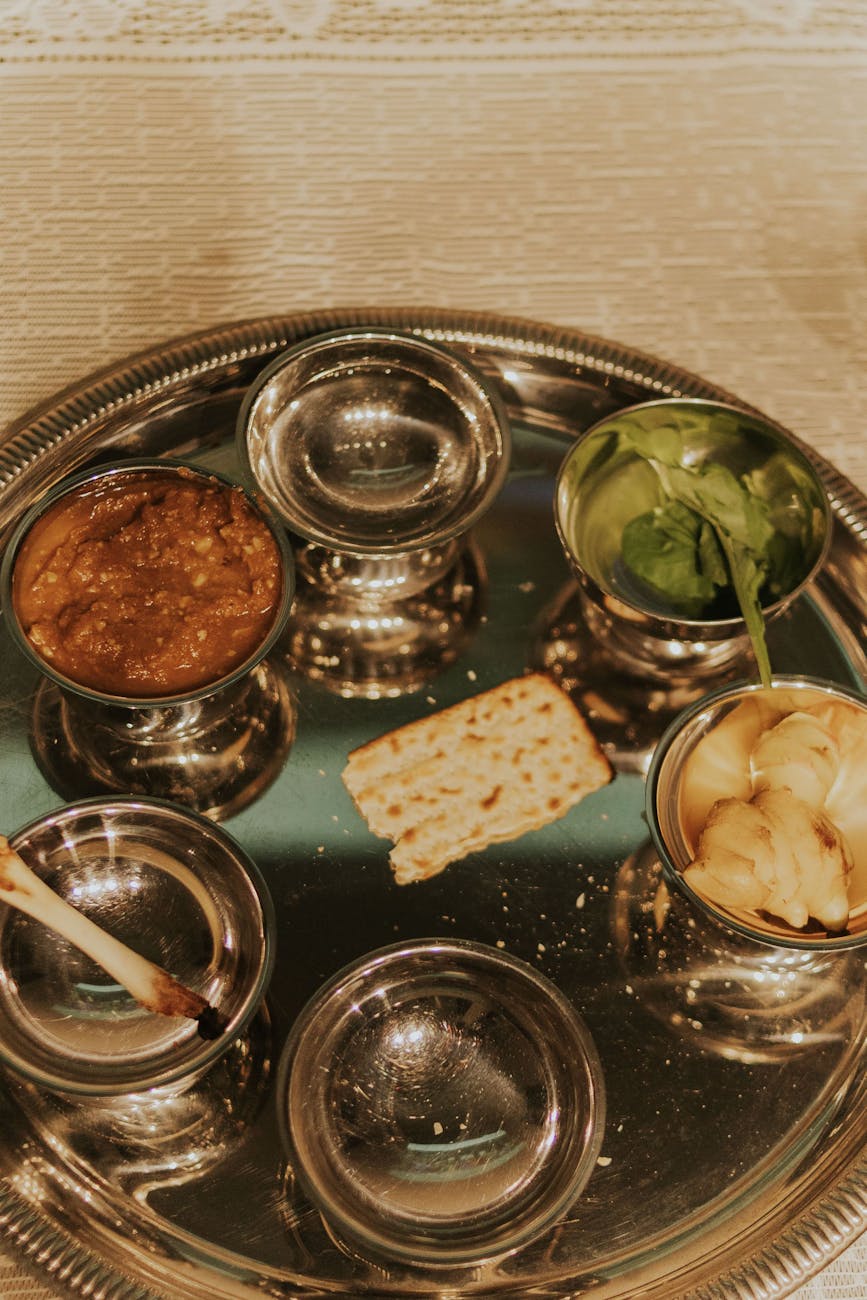
It would have been enough. Dayenu is a prayer of gratitude, but, she intimated (or perhaps I misunderstood and twisted it to suit my own situation), that sometimes the word Dayenu can also be used as a cleansing release. I don’t want to be disrespectful. But when I think of her saying “Dayenu! Enough!” I feel a little better.
Unlike my friend, I wasn’t raised in any specific faith. Though I believe my divorced parents were given religious instruction, I think my dad more than my mom, they did not, evidently, feel the need to share it with their progeny.
Why not? I’ve wondered. Parsing that is loose. My grandfathers died long before I was born, and one of my grandmothers died when I was a baby. The only grandparent I knew was my mom’s mom who died when I was nineteen. Sadly, I didn’t see her enough, nor know what to ask her about when I did. And for some reason, religion wasn’t much spoken of in my childhood, unless you took the Lord’s name in vain. That was frowned upon, unless Mom was really angry, in which case, she couldn’t be held to account. Dad never lost his temper and never cursed, so there wasn’t a lot of reason, I guess, for him to even bring up sin or religion or God. Anyway, Mom and Dad didn’t live together after I was four-years-old, so I would never be a member of a traditional united family like the ones I fantasized about.
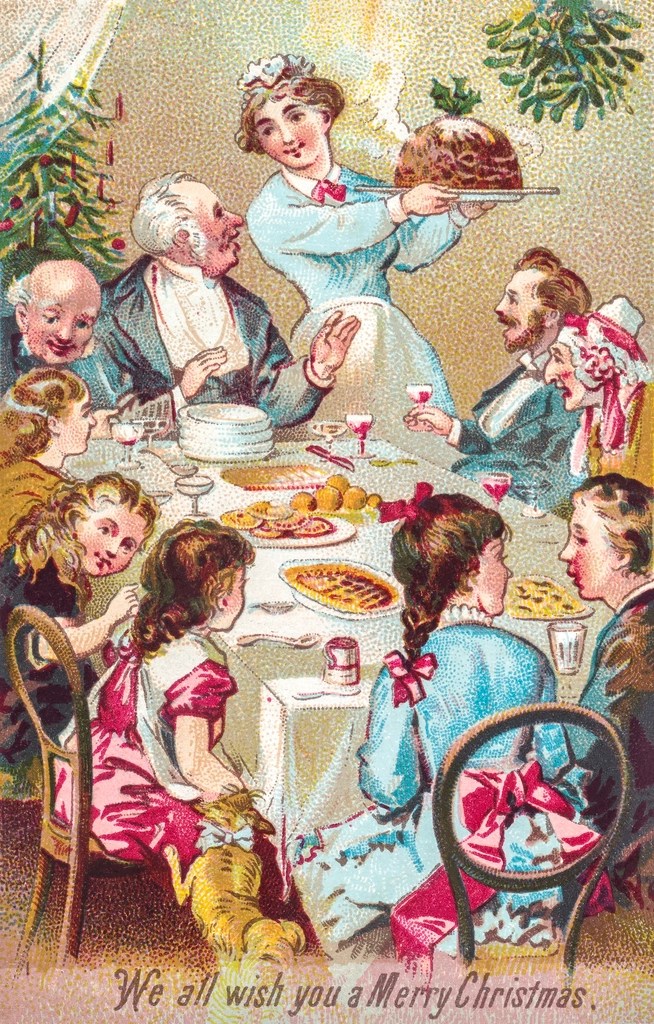
I know Dad attended a Methodist church growing up in Chicago, and that his widowed librarian mother was a model of decorum, and that, in the 1920’s and ‘30s meant adherence to social norms such as church attendance. I’m not sure whether Mom was taken to church as a child, but given the times, I imagine she was at least exposed. Her upbringing was less city, less refined than Dad’s. Mom grew up in Faribault, Minnesota with a terminally ill father she adored, a Swedish immigrant who was bedridden by the time she was of school age, and her mother worked many hours a week to support the family. There were eight children, but by the time Mom came along several of them had left home. It wasn’t a farm, so it wasn’t as if the siblings had a reason to stay once they reached maturity, though I believe several of her older brothers helped contribute to the family income.
Both of my grandmothers worked outside the home, which I used to think was somewhat unusual, but now I know women have always worked in all kinds of ways other than homemaking. It just didn’t get reported. Women’s contributions have always been underrepresented in American society. For me, born in the 1950s and growing up in the 1960s and early 70s, it was normal to think that women had always been home. I grew up watching The Donna Reid Show, I Love Lucy and Leave it to Beaver. Sitcoms regularly featured women as married and caring for husbands and children, even if the woman happened to be a witch, as in Samantha of Bewitched. It was the ideal. Only a rare few Katherine Hepburn types, charming enough, but come on, not really practical, lived independent lives or made money of their own. That’s what we were told. I mean neither of my grandmothers was even allowed to vote when they were young, but they were allowed to work to support their families.
Dad’s father, a Scottish immigrant, died when Dad was four. Dad’s only sibling died at age twelve, and his spinster aunt, a seamstress, lived with them, bringing in an extra bit of income and caring for my dad (now an only child) while his mother worked, so even though it was the Great Depression and the family had experienced horrible loss, between his mother and his aunt, things stayed afloat. Dad was well looked after, educated, participated in church and school activities, and was enrolled in a pre-med program at college before WWII changed everything. Mom, on the other hand, didn’t, couldn’t, get the same amount of attention and help. When would her mother who cooked and cleaned and cared for other people and other people’s children probably for most of the day and most of the night, day after day without reprieve have had the time to take my mom to church?
Mom didn’t talk about it. Both of my parents claimed to believe in God and considered themselves Christian, and I believed them, but it was sort of incidental. God was why you didn’t lie or cheat or hurt others. Jesus was why we had Christmas and Easter. Despite their professed faith, both of them shunned churches and had little good to say about people who attended them. Organized religion, Dad said, had caused most of the world’s problems. Mom was less philosophical. She just didn’t care for their “holier than thou” ways. I was left to find my own path if I so desired, but was never given any formal, or indeed informal, religious education.
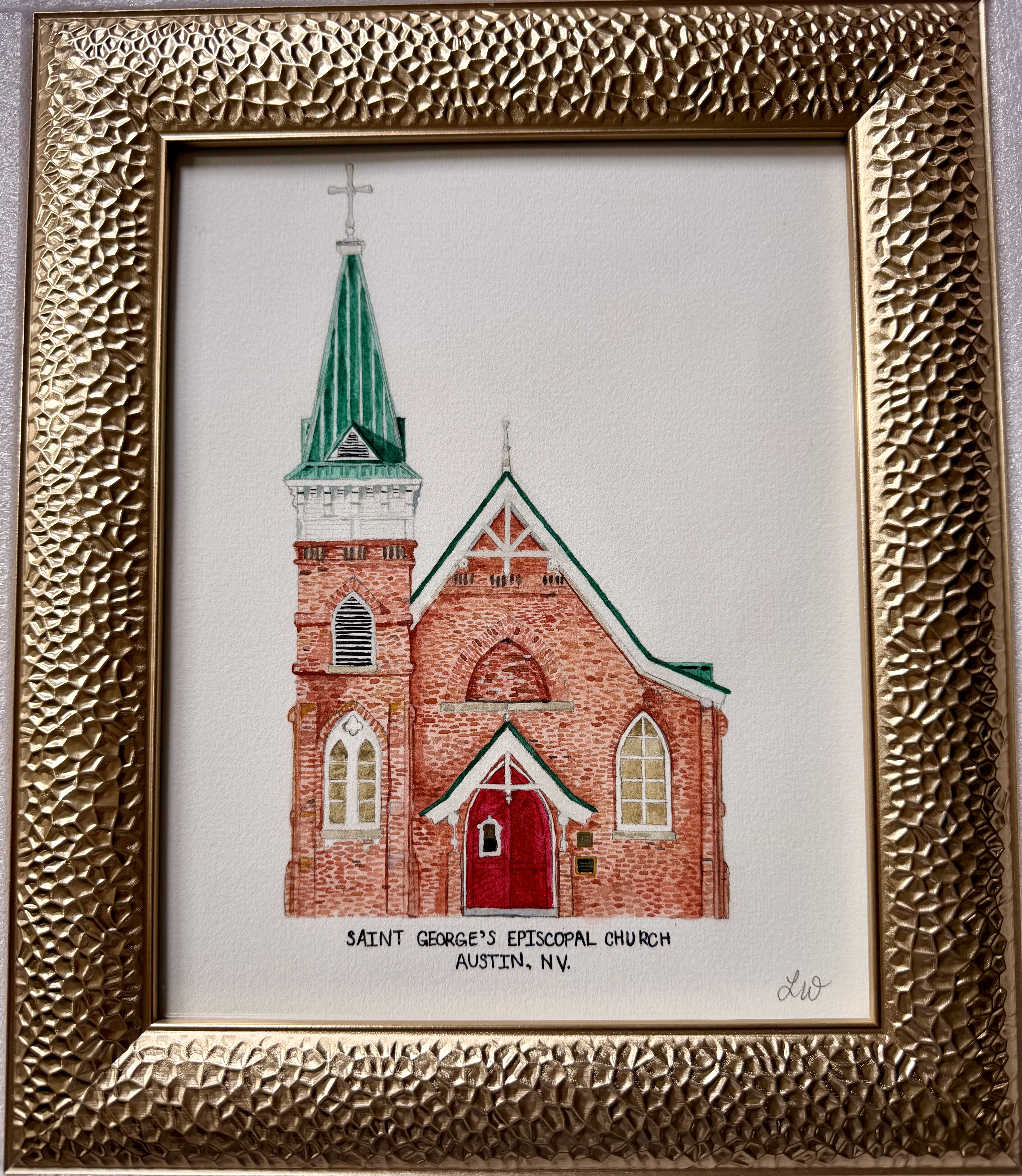
It took me a long time, with a lot of detours, to begin to travel my own spiritual path, and I haven’t been exactly good at it, but in my own halting way I’ve touched—not held, but touched, fragments of comfort, peace, and wonder over the years. The ways grace arrived for me are varied. A Lutheran friend. A Jewish friend. A Latter-Day Saints friend. A longing to give something lasting to my children. A church bell, and then another, and another. Calls to worship. Two Presbyterian congregations, one large and one small. One Episcopal congregation, tiny. A community where different faiths worked together. Health scares. Reading. Love. All of these. And Prayer. Something I always did, instinctively. Prayer.
I was surprised to find handwritten prayers in Dad’s bedside table drawer when he died. A nightly prayer list, it appeared. All beautifully written, eloquently phrased personal prayers for me and my brother and our families.
So Dad prayed, too, more than I knew.
Perhaps that was enough.
Thank you for reading, and my hopes for you today are these—may you have enough friendship, enough time, and the opportunity to grow in love and joy in all the ways that fill you.
Here is a link to a performance of “Dayenu” from Park Avenue Synagogue: Cantors Trio: Dayenu (Passover Song)
And here are the lyrics in Hebrew and English from from Sefaria Library at http://www.sefaria.org:
אִלּוּ הוֹצִיאָנוּ מִמִצְרַיִם וְלֹא עָשָׂה בָהֶם שְׁפָטִים, דַּיֵּנוּ
Magid, Dayenu
כַּמָה מַעֲלוֹת טוֹבוֹת לַמָּקוֹם עָלֵינוּ!
כַּמָּה מַעֲלוֹת טוֹבוֹת HOW MUCH GOOD,
LAYER UPON LAYER,
THE OMNIPRESENT HAS DONE FOR US:
אִלּוּ הוֹצִיאָנוּ מִמִּצְרַיִם וְלֹא עָשָׂה בָהֶם שְׁפָטִים, דַּיֵּנוּ.
Had He brought us out of Egypt
without bringing judgment upon
[our oppressors],
that would have been enough for us.
אִלּוּ עָשָׂה בָהֶם שְׁפָטִים, וְלֹא עָשָׂה בֵאלֹהֵיהֶם, דַּיֵּנוּ.
Had He brought judgment upon them
but not upon their gods,
that would have been enough for us.
אִלּוּ עָשָׂה בֵאלֹהֵיהֶם, וְלֹא הָרַג אֶת־בְּכוֹרֵיהֶם, דַּיֵּנוּ.
Had He brought judgment upon their gods
without killing their firstborn sons,
that would have been enough for us.
אִלּוּ הָרַג אֶת־בְּכוֹרֵיהֶם וְלֹא נָתַן לָנוּ אֶת־מָמוֹנָם, דַּיֵּנוּ.
Had He killed their firstborn sons
without giving us their wealth,
that would have been enough for us.
אִלּוּ נָתַן לָנוּ אֶת־מָמוֹנָם וְלֹא קָרַע לָנוּ אֶת־הַיָּם, דַּיֵּנוּ.
Had He given us their wealth
without splitting the sea for us,
that would have been enough for us.
אִלּוּ קָרַע לָנוּ אֶת־הַיָּם וְלֹא הֶעֱבִירָנוּ בְתוֹכוֹ בֶּחָרָבָה, דַּיֵּנוּ.
Had He split the sea for us
but not brought us through it dry,
that would have been enough for us.
אִלּוּ הֶעֱבִירָנוּ בְתוֹכוֹ בֶּחָרָבָה וְלֹא שִׁקַּע צָרֵנוּ בְתוֹכוֹ דַּיֵּנוּ.
Had He brought us through [the sea] dry
without drowning our enemies in it,
that would have been enough for us.
אִלּוּ שִׁקַּע צָרֵנוּ בְתוֹכוֹ וְלֹא סִפֵּק צָרְכֵּנוּ בַּמִדְבָּר אַרְבָּעִים שָׁנָה דַּיֵּנוּ.
Had He drowned our enemies in it
without providing for our needs
for forty years in the desert,
that would have been enough for us.
אִלּוּ סִפֵּק צָרְכֵּנוּ בַּמִּדְבָּר אַרְבָּעִים שָׁנָה וְלֹא הֶאֱכִילָנוּ אֶת־הַמָּן דַּיֵּנוּ.
Had He provided for our needs
for forty years in the desert,
without feeding us with manna,
that would have been enough for us.
אִלּוּ הֶאֱכִילָנוּ אֶת־הַמָּן וְלֹא נָתַן לָנוּ אֶת־הַשַּׁבָּת, דַּיֵּנוּ.
Had He fed us with manna
without giving us Shabbat,
that would have been enough for us.
אִלּוּ נָתַן לָנוּ אֶת־הַשַּׁבָּת, וְלֹא קֵרְבָנוּ לִפְנֵי הַר סִינַי, דַּיֵּנוּ.
Had He given us Shabbat
without drawing us close
around Mount Sinai,
that would have been enough for us.
אִלּוּ קֵרְבָנוּ לִפְנֵי הַר סִינַי, וְלא נָתַן לָנוּ אֶת־הַתּוֹרָה. דַּיֵּנוּ.
Had He drawn us close around Mount Sinai
without giving us the Torah,
that would have been enough for us.
אִלּוּ נָתַן לָנוּ אֶת־הַתּוֹרָה וְלֹא הִכְנִיסָנוּ לְאֶרֶץ יִשְׂרָאֵל, דַּיֵּנוּ.
Had He given us the Torah
without bringing us to the land of Israel,
that would have been enough for us.
אִלּוּ הִכְנִיסָנוּ לְאֶרֶץ יִשְׂרָאֵל וְלֹא בָנָה לָּנוּ אֶת־בֵּית הַבְּחִירָה דַּיֵּנוּ.
Had He brought us to the land of Israel
without building for us
the House He chose
that would have been enough for us.
עַל אַחַת, כַּמָה וְכַמָה, טוֹבָה כְפוּלָה וּמְכֻפֶּלֶת לַמָּקוֹם עָלֵינוּ: שֶׁהוֹצִיאָנוּ מִמִּצְרַיִם, וְעָשָׂה בָהֶם שְׁפָטִים, וְעָשָׂה בֵאלֹהֵיהֶם, וְהָרַג אֶת־בְּכוֹרֵיהֶם, וְנָתַן לָנוּ אֶת־מָמוֹנָם, וְקָרַע לָנוּ אֶת־הַיָּם, וְהֶעֱבִירָנוּ בְתוֹכוֹ בֶּחָרָבָה, וְשִׁקַּע צָרֵנוּ בְתוֹכוֹ, וְסִפֵּק צָרְכֵּנוּ בַּמִדְבָּר אַרְבָּעִים שָׁנָה, וְהֶאֱכִילָנוּ אֶת־הַמָּן, וְנָתַן לָנוּ אֶת־הַשַּׁבָּת, וְקֵרְבָנוּ לִפְנֵי הַר סִינַי, וְנָתַן לָנוּ אֶת־הַתּוֹרָה, וְהִכְנִיסָנוּ לְאֶרֶץ יִשְׂרָאֵל, וּבָנָה לָּנוּ אֶת־בֵּית הַבְּחִירָה לְכַפֵּר עַל־כָּל־עֲוֹנוֹתֵינוּ.



 I look for articles about anything and everything connected with this sense of disconnectedness, wondering if anyone else feels this way, too. And then, today, my friend Stephanie posted an extraordinary article from The Washington Post about a rare illness that makes people think they’re dead. Timing is everything. I mean, it does seem that you attract what you think. Last night I’m thinking about being dead and today I’m reading this article. You can read it, too. It’s quite fascinating: