Category Archives: Uncategorized

Dayenu

One of my oldest friends called me last week. I’d been having a rough time and had withdrawn in a way that only a very close friend would recognize. I’d still been “in touch” with her, but I was withholding, and she could tell. She called, and I don’t remember exactly what she said, but her voice was soft and patient and expectant. She made it possible for me to reveal my heartache and gave me time to say the things out loud that I hadn’t been able to say.

Photo by Anna Shvets on Pexels.com

Dr. Gerald Stein in his post, “Why the Clock is Essential in Therapy (and Relationships)”  (https://drgeraldstein.wordpress.com), discusses that making time for “tender issues…  can be like a dance, the partners move together as if choreographed…”, and that is what my friend did for me. She didn’t try to stop my tears or give me advice. It was like a dance in a way, or maybe like a prayer. Total acceptance and love.

Photo by Alexas Fotos on Pexels.com

After a while my breathing settled and we continued our conversation. She told me about “Dayenu,” the prayer and Passover seder song that tells the story of Exodus. The melody of the song is joyous and upbeat, a list of fifteen things God did for the Jews, anyone of which, they say, would have been enough for them. Sefaria Library’s reading of the text begins “How much good, layer upon layer, the omnipresent has done for us. Had He brought us out of Egypt without bringing judgment upon [our oppressors], that would have been enough for us.”

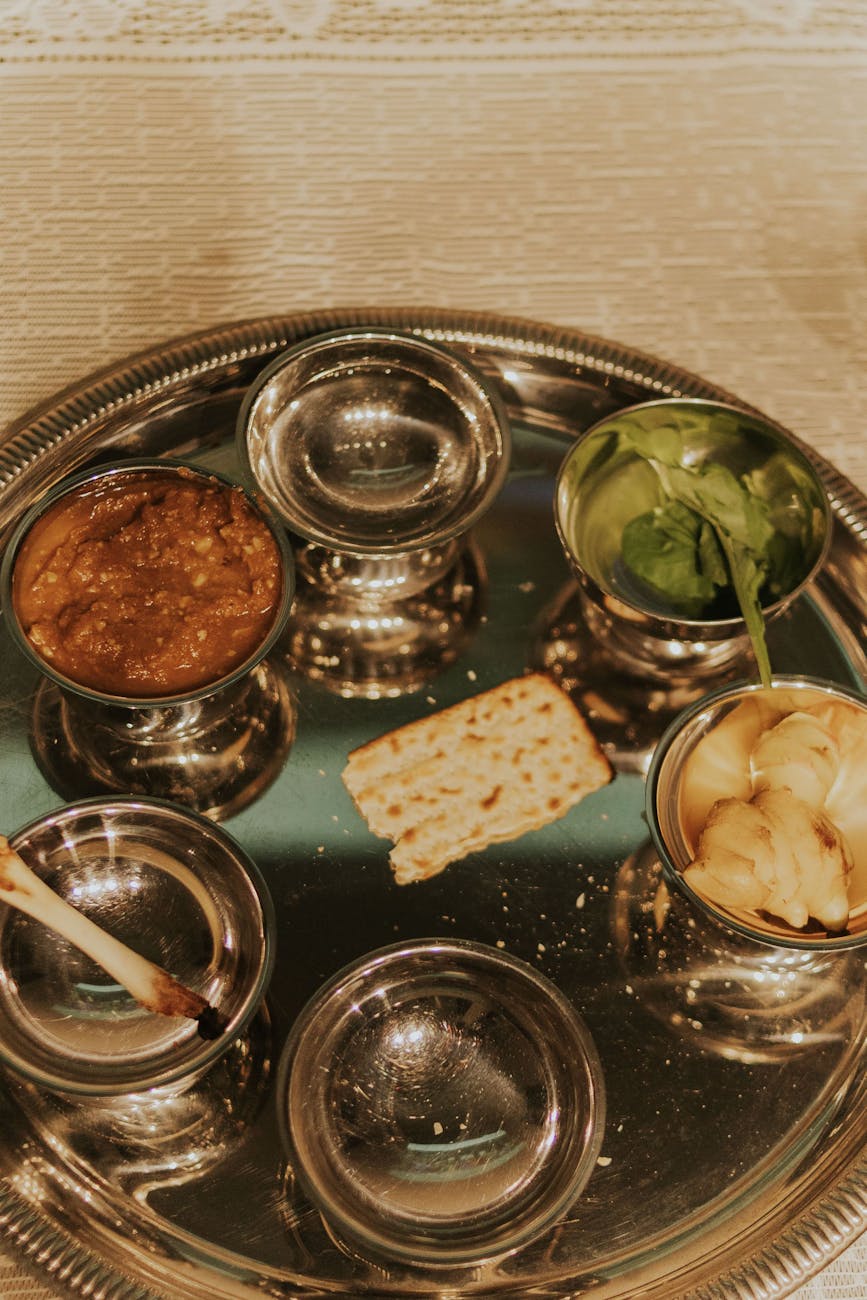
Traditional Seder Plate with Symbolic Foods for Passover- Pexels Free Photos

It would have been enough. Dayenu is a prayer of gratitude, but, she intimated (or perhaps I misunderstood and twisted it to suit my own situation), that sometimes the word Dayenu can also be used as a cleansing release. I don’t want to be disrespectful. But when I think of her saying “Dayenu! Enough!” I feel a little better.

Unlike my friend, I wasn’t raised in any specific faith. Though I believe my divorced parents were given religious instruction, I think my dad more than my mom, they did not, evidently, feel the need to share it with their progeny.

Why not? I’ve wondered. Parsing that is loose. My grandfathers died long before I was born, and one of my grandmothers died when I was a baby. The only grandparent I knew was my mom’s mom who died when I was nineteen. Sadly, I didn’t see her enough, nor know what to ask her about when I did. And for some reason, religion wasn’t much spoken of in my childhood, unless you took the Lord’s name in vain. That was frowned upon, unless Mom was really angry, in which case, she couldn’t be held to account. Dad never lost his temper and never cursed, so there wasn’t a lot of reason, I guess, for him to even bring up sin or religion or God. Anyway, Mom and Dad didn’t live together after I was four-years-old, so I would never be a member of a traditional united family like the ones I fantasized about.

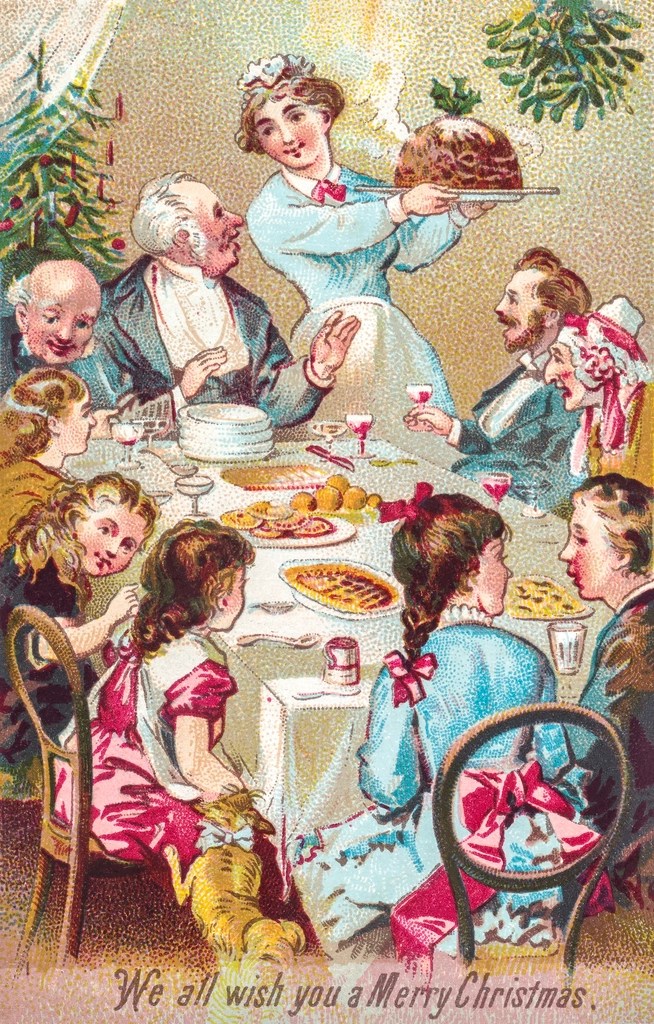
Openverse, New York Public Library (Obviously I had very grand and old-fashioned fantasies about family life–I read a lot!)

I know Dad attended a Methodist church growing up in Chicago, and that his widowed librarian mother was a model of decorum, and that, in the 1920’s and ‘30s meant adherence to social norms such as church attendance. I’m not sure whether Mom was taken to church as a child, but given the times, I imagine she was at least exposed. Her upbringing was less city, less refined than Dad’s. Mom grew up in Faribault, Minnesota with a terminally ill father she adored, a Swedish immigrant who was bedridden by the time she was of school age, and her mother worked many hours a week to support the family. There were eight children, but by the time Mom came along several of them had left home. It wasn’t a farm, so it wasn’t as if the siblings had a reason to stay once they reached maturity, though I believe several of her older brothers helped contribute to the family income.

Both of my grandmothers worked outside the home, which I used to think was somewhat unusual, but now I know women have always worked in all kinds of ways other than homemaking. It just didn’t get reported. Women’s contributions have always been underrepresented in American society. For me, born in the 1950s and growing up in the 1960s and early 70s, it was normal to think that women had always been home. I grew up watching The Donna Reid Show, I Love Lucy and Leave it to Beaver. Sitcoms regularly featured women as married and caring for husbands and children, even if the woman happened to be a witch, as in Samantha of Bewitched. It was the ideal. Only a rare few Katherine Hepburn types, charming enough, but come on, not really practical, lived independent lives or made money of their own. That’s what we were told. I mean neither of my grandmothers was even allowed to vote when they were young, but they were allowed to work to support their families.

Dad’s father, a Scottish immigrant, died when Dad was four. Dad’s only sibling died at age twelve, and his spinster aunt, a seamstress, lived with them, bringing in an extra bit of income and caring for my dad (now an only child) while his mother worked, so even though it was the Great Depression and the family had experienced horrible loss, between his mother and his aunt, things stayed afloat. Dad was well looked after, educated, participated in church and school activities, and was enrolled in a pre-med program at college before WWII changed everything. Mom, on the other hand, didn’t, couldn’t, get the same amount of attention and help. When would her mother who cooked and cleaned and cared for other people and other people’s children probably for most of the day and most of the night, day after day without reprieve have had the time to take my mom to church?

Mom didn’t talk about it. Both of my parents claimed to believe in God and considered themselves Christian, and I believed them, but it was sort of incidental. God was why you didn’t lie or cheat or hurt others. Jesus was why we had Christmas and Easter. Despite their professed faith, both of them shunned churches and had little good to say about people who attended them. Organized religion, Dad said, had caused most of the world’s problems. Mom was less philosophical. She just didn’t care for their “holier than thou” ways. I was left to find my own path if I so desired, but was never given any formal, or indeed informal, religious education.

It took me a long time, with a lot of detours, to begin to travel my own spiritual path, and I haven’t been exactly good at it, but in my own halting way I’ve touched—not held, but touched, fragments of comfort, peace, and wonder over the years. The ways grace arrived for me are varied. A Lutheran friend. A Jewish friend. A Latter-Day Saints friend. A longing to give something lasting to my children. A church bell, and then another, and another. Calls to worship. Two Presbyterian congregations, one large and one small. One Episcopal congregation, tiny. A community where different faiths worked together. Health scares. Reading. Love. All of these. And Prayer. Something I always did, instinctively. Prayer.
I was surprised to find handwritten prayers in Dad’s bedside table drawer when he died. A nightly prayer list, it appeared. All beautifully written, eloquently phrased personal prayers for me and my brother and our families.

So Dad prayed, too, more than I knew.

Perhaps that was enough.

Thank you for reading, and my hopes for you today are these—may you have enough friendship, enough time, and the opportunity to grow in love and joy in all the ways that fill you.

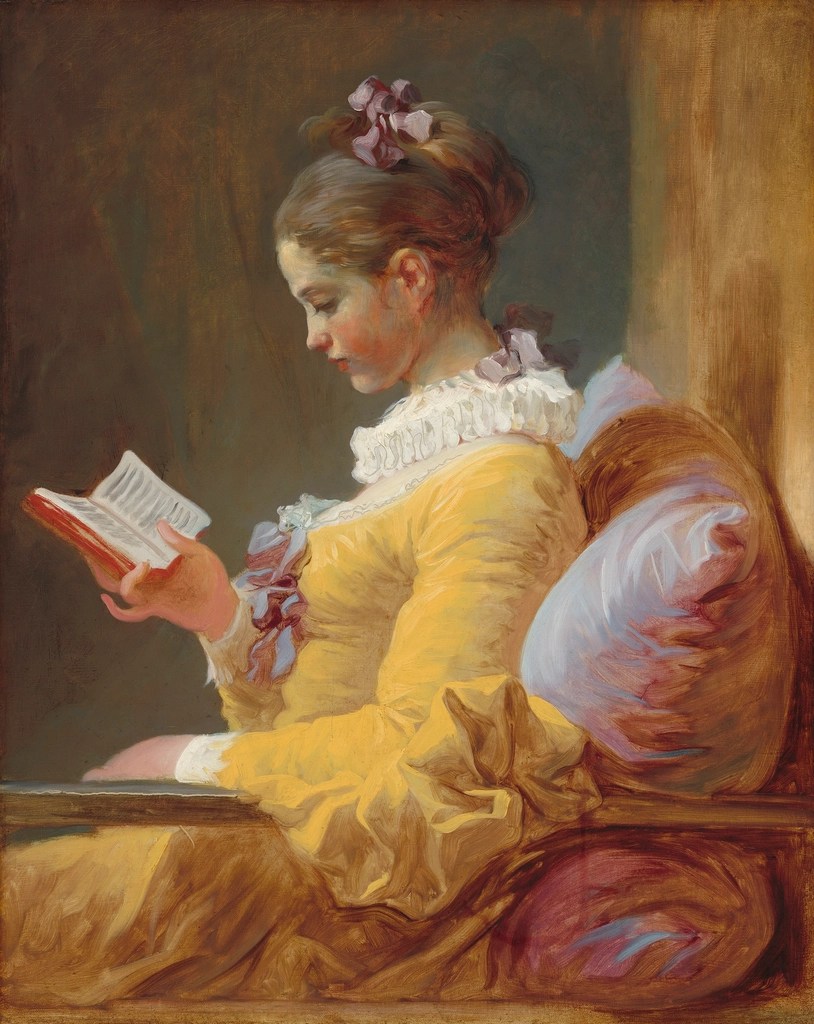
Fragonard, Reader Jean-Honoré Fragonard“/ CC0 1.0

Here is a link to a performance of “Dayenu” from Park Avenue Synagogue: Cantors Trio: Dayenu (Passover Song)

And here are the lyrics in Hebrew and English from from Sefaria Library at http://www.sefaria.org:

אִלּוּ הוֹצִיאָנוּ מִמִצְרַיִם וְלֹא עָשָׂה בָהֶם שְׁפָטִים, דַּיֵּנוּ

Magid, Dayenu

כַּמָה מַעֲלוֹת טוֹבוֹת לַמָּקוֹם עָלֵינוּ!

כַּמָּה מַעֲלוֹת טוֹבוֹת HOW MUCH GOOD,
LAYER UPON LAYER,
THE OMNIPRESENT HAS DONE FOR US:

אִלּוּ הוֹצִיאָנוּ מִמִּצְרַיִם וְלֹא עָשָׂה בָהֶם שְׁפָטִים, דַּיֵּנוּ.

Had He brought us out of Egypt
without bringing judgment upon
[our oppressors],
that would have been enough for us.

אִלּוּ עָשָׂה בָהֶם שְׁפָטִים, וְלֹא עָשָׂה בֵאלֹהֵיהֶם, דַּיֵּנוּ.

Had He brought judgment upon them
but not upon their gods,
that would have been enough for us.

אִלּוּ עָשָׂה בֵאלֹהֵיהֶם, וְלֹא הָרַג אֶת־בְּכוֹרֵיהֶם, דַּיֵּנוּ.

Had He brought judgment upon their gods
without killing their firstborn sons,
that would have been enough for us.

אִלּוּ הָרַג אֶת־בְּכוֹרֵיהֶם וְלֹא נָתַן לָנוּ אֶת־מָמוֹנָם, דַּיֵּנוּ.

Had He killed their firstborn sons
without giving us their wealth,
that would have been enough for us.

אִלּוּ נָתַן לָנוּ אֶת־מָמוֹנָם וְלֹא קָרַע לָנוּ אֶת־הַיָּם, דַּיֵּנוּ.

Had He given us their wealth
without splitting the sea for us,
that would have been enough for us.

אִלּוּ קָרַע לָנוּ אֶת־הַיָּם וְלֹא הֶעֱבִירָנוּ בְתוֹכוֹ בֶּחָרָבָה, דַּיֵּנוּ.

Had He split the sea for us
but not brought us through it dry,
that would have been enough for us.

אִלּוּ הֶעֱבִירָנוּ בְתוֹכוֹ בֶּחָרָבָה וְלֹא שִׁקַּע צָרֵנוּ בְתוֹכוֹ דַּיֵּנוּ.

Had He brought us through [the sea] dry
without drowning our enemies in it,
that would have been enough for us.

אִלּוּ שִׁקַּע צָרֵנוּ בְתוֹכוֹ וְלֹא סִפֵּק צָרְכֵּנוּ בַּמִדְבָּר אַרְבָּעִים שָׁנָה דַּיֵּנוּ.

Had He drowned our enemies in it
without providing for our needs
for forty years in the desert,
that would have been enough for us.

אִלּוּ סִפֵּק צָרְכֵּנוּ בַּמִּדְבָּר אַרְבָּעִים שָׁנָה וְלֹא הֶאֱכִילָנוּ אֶת־הַמָּן דַּיֵּנוּ.

Had He provided for our needs
for forty years in the desert,
without feeding us with manna,
that would have been enough for us.

אִלּוּ הֶאֱכִילָנוּ אֶת־הַמָּן וְלֹא נָתַן לָנוּ אֶת־הַשַּׁבָּת, דַּיֵּנוּ.

Had He fed us with manna
without giving us Shabbat,
that would have been enough for us.

אִלּוּ נָתַן לָנוּ אֶת־הַשַּׁבָּת, וְלֹא קֵרְבָנוּ לִפְנֵי הַר סִינַי, דַּיֵּנוּ.

Had He given us Shabbat
without drawing us close
around Mount Sinai,
that would have been enough for us.

אִלּוּ קֵרְבָנוּ לִפְנֵי הַר סִינַי, וְלא נָתַן לָנוּ אֶת־הַתּוֹרָה. דַּיֵּנוּ.

Had He drawn us close around Mount Sinai
without giving us the Torah,
that would have been enough for us.

אִלּוּ נָתַן לָנוּ אֶת־הַתּוֹרָה וְלֹא הִכְנִיסָנוּ לְאֶרֶץ יִשְׂרָאֵל, דַּיֵּנוּ.

Had He given us the Torah
without bringing us to the land of Israel,
that would have been enough for us.

אִלּוּ הִכְנִיסָנוּ לְאֶרֶץ יִשְׂרָאֵל וְלֹא בָנָה לָּנוּ אֶת־בֵּית הַבְּחִירָה דַּיֵּנוּ.

Had He brought us to the land of Israel
without building for us
the House He chose
that would have been enough for us.

עַל אַחַת, כַּמָה וְכַמָה, טוֹבָה כְפוּלָה וּמְכֻפֶּלֶת לַמָּקוֹם עָלֵינוּ: שֶׁהוֹצִיאָנוּ מִמִּצְרַיִם, וְעָשָׂה בָהֶם שְׁפָטִים, וְעָשָׂה בֵאלֹהֵיהֶם, וְהָרַג אֶת־בְּכוֹרֵיהֶם, וְנָתַן לָנוּ אֶת־מָמוֹנָם, וְקָרַע לָנוּ אֶת־הַיָּם, וְהֶעֱבִירָנוּ בְתוֹכוֹ בֶּחָרָבָה, וְשִׁקַּע צָרֵנוּ בְתוֹכוֹ, וְסִפֵּק צָרְכֵּנוּ בַּמִדְבָּר אַרְבָּעִים שָׁנָה, וְהֶאֱכִילָנוּ אֶת־הַמָּן, וְנָתַן לָנוּ אֶת־הַשַּׁבָּת, וְקֵרְבָנוּ לִפְנֵי הַר סִינַי, וְנָתַן לָנוּ אֶת־הַתּוֹרָה, וְהִכְנִיסָנוּ לְאֶרֶץ יִשְׂרָאֵל, וּבָנָה לָּנוּ אֶת־בֵּית הַבְּחִירָה לְכַפֵּר עַל־כָּל־עֲוֹנוֹתֵינוּ.

52 Comments

Filed under Family, Personal History, Reading, Relationship, Uncategorized, Work

Books Get Me Through The Great Alone

It’s been two weeks since I left Nevada and one week since I arrived at my new Michigan home. All of these days have been solo; I drove alone, I arrived alone to an empty house, I spend my days here alone. There’s a theme building . . . For now!

The Way In

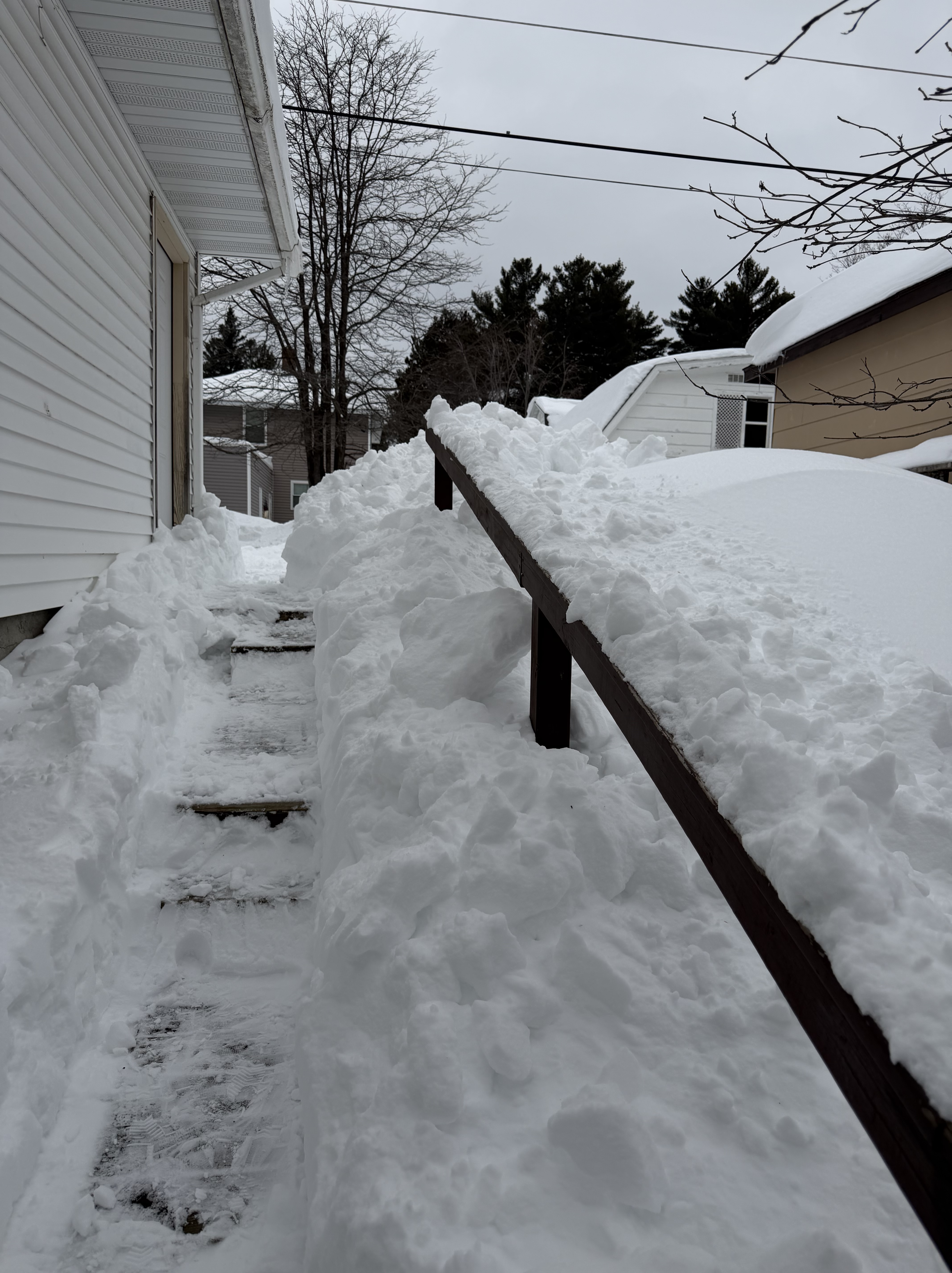
But husband and kitties will be joining me soon.

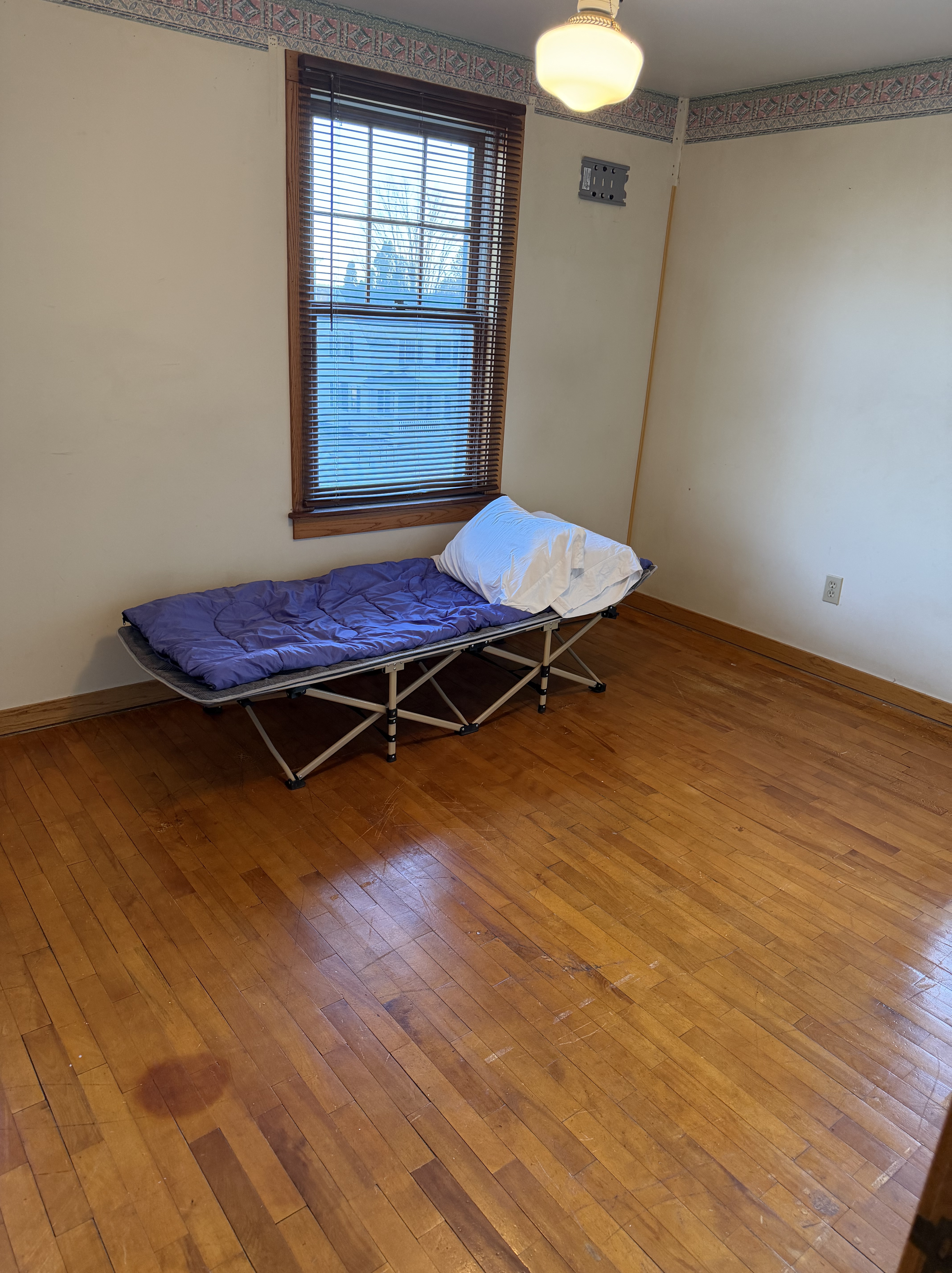
The Dreaded Cot (I do not love it)
A Lonely Room (but I love it!)

As an introvert, this hasn’t been particularly tough. I love people, but I also love solitude. I just got the internet yesterday, and that’s fun because now I can write and publish my writing more easily. No TV here yet. No furniture to speak of. I have one little lamp table that fit in my car, a folding camp chair, and a cot. That’s it. Everything else will come in the moving van next week. So, what do I do all day?

I clean and I read. Often, at the same time, by listening to audiobooks using the Libby library App. One of the books I’ve enjoyed so far during this extended period of solitude is aptly The Great Alone by Kristin Hannah. It’s a tough book about a tough time and a tough place, but I liked it. Alaska in the 1970s, mental illness, abuse . . . it’s got it all, but it isn’t only that, of course. It’s also a book filled with nostalgia, love, and the awesomeness of nature.

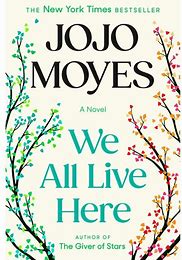
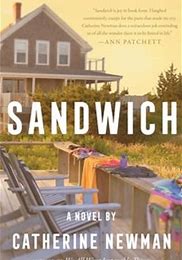
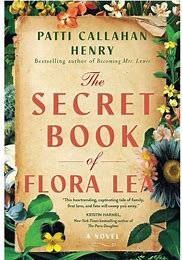
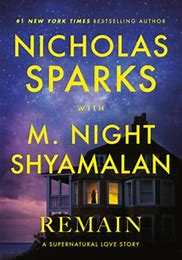
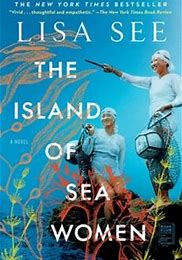
Other books I read either just prior to moving, during the drive, or since my arrival are: We All Live Here, Moyes; Sandwich, Newman; The Secret Book of Flora Lea, Henry; Remain, Spark and Shyamalan; The Missing Half, Flowers and Kiester; and currently, The Island of Sea Women, See. Each book has its merits.

I found both We All Live Here and Sandwich charming and humorous. Both are light, contemporary novels with women protagonists wrestling with life changing events and the love of family.

The Secret Book of Flora Lea took me to one of my favorite historical settings, World War II England, in the countryside and also to London in the 1960s. It’s a delightful book about sisters, families, love, and the importance of stories.

Remain and The Missing Half are mysteries, with Remain being the more entertaining of the two for me. The Missing Half helped pass the time, but Remain’s ghostly love story captivated me at times, including during several memorable scenes that made me shiver.

And now I’m listening to The Island of Sea Women. It’s taken me to a part of the world I know very little about, which I love, because I am learning so much. It’s set in Korea from the story’s beginning in the 1930s and will move through the war years and take me to the present day. It’s about women sea divers (an amazing group of female divers who earn the money for their families while their husbands care for the children), and it’s the story of two friends Mi-ja and Young-sook.   

As you can see, I’ve not been alone, not really, for I’ve been traveling through time and place along with the characters created by the authors of these varied and appealing novels, carried away by their stories. It’s a kind of magic really, the way a reader lives both inside and outside of a book—simultaneously in the room, and also somewhere else far away.

I love this line about reading from Stephen Chbosky from his young adult novel, The Perks of Being a Wallflower:

“Sometimes, I read a book, and I think I am the people in the book.”

Exactly.

61 Comments

Filed under Authors, Books, Commentary, Fiction, HIstorical Fiction, Home, Identity, Literary Fiction, Nature, Personal History, Reading, Uncategorized, Winter, World War II

Dreamy Forest Music and Afternoon Spritzers

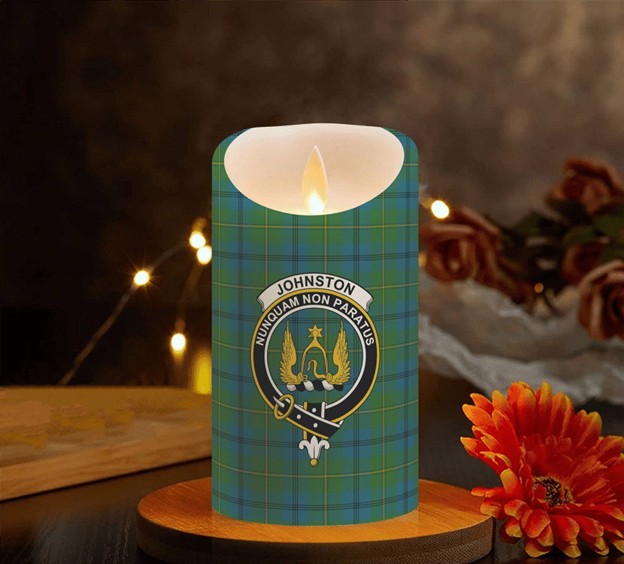
My Family Spelling of the Name Has an “E” at the End: Johnstone. (candle/ image courtesy of scotstee.com)

Welcome to Billings, Montana, where I have hunkered down to avoid driving on the Interstate during one of the many reported snowstorms traveling around the US of late. If I had planned better, I would have chosen a cozier hotel to get stuck in, and I would have paid attention to where my husband stored the ice scraper in my fully packed Jeep, and I would have brought socks. And I should have planned better because Nunquam Non Paratus—Never Not Prepared—is the ancient motto of my family. I was raised under the plaid and the crest and the motto, yet here I am, sockless in Billings, Montana (not exactly sockless, but the pair I had on when I left Austin, Nevada several days ago needs a good washing, which I will give it, in the sink with my tiny bottle of shampoo. That might mean I’m a little bit prepared).

I haven’t driven much since moving to Austin over five years ago, as it is a compact town and I could walk to my part-time library job and to my beautiful historic church. Also, my guy always drives when we go “to town” to get groceries and supplies in Fallon, a mere 112 miles away. Ah, the open road!

As I mentioned in an earlier post though, Mr. P and I have sold our home in Austin and we’re moving to Michigan. Hence my solo interstate journey. Mr. P and his heroic childhood friend will be coming soon with the moving van, but they will be driving tandem (?), I guess, taking turns sleeping and driving and only stopping for gas and food. I left earlier because I am the world’s slowest driver, and I refuse to drive after dark when everything goes all fuzzy and weird, and also, I am not a morning person. So, I don’t get too far within the slow-motion window of light between say, 11 AM and 6 PM (this time of year).

The Kitties Will Be Coming to Michigan Soon!

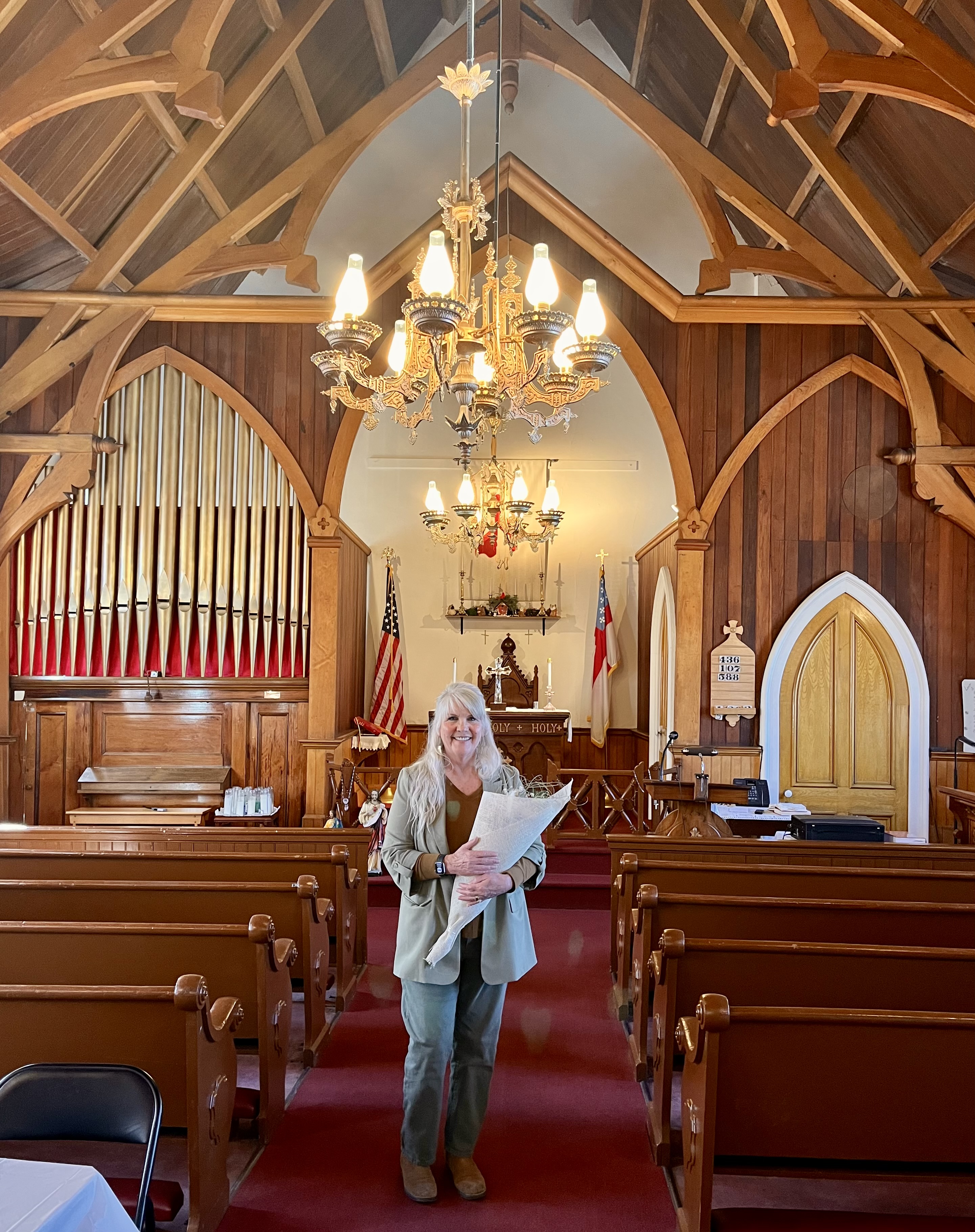
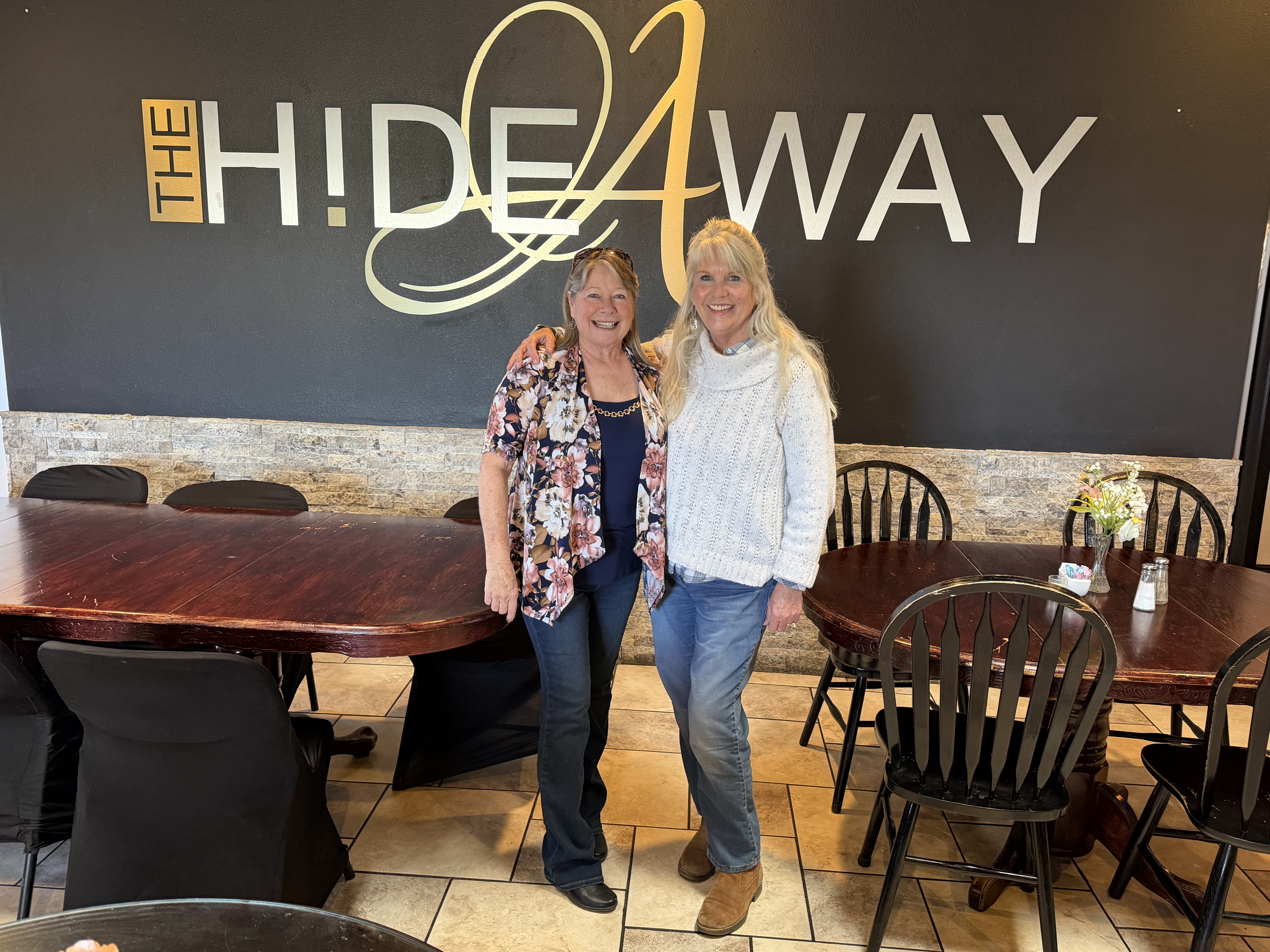
It was a deeply emotional parting, my leaving Austin. There were library patron visits, homemade cards and cookies, a sumptuous church luncheon, and these amazing gifts (I’m keeping names private as I haven’t asked permission to share):

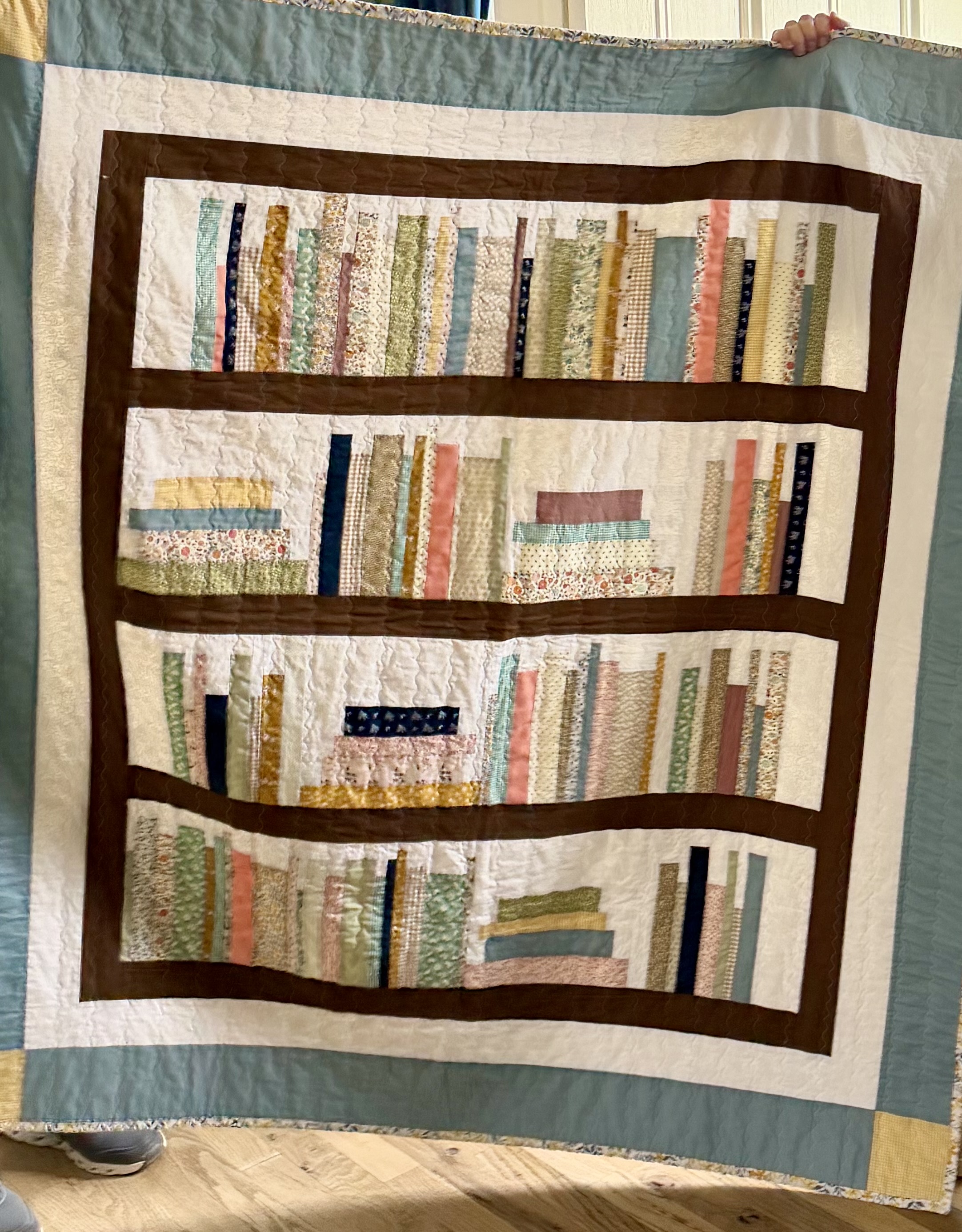
Book Quilt Made by Dear Friends, My photo

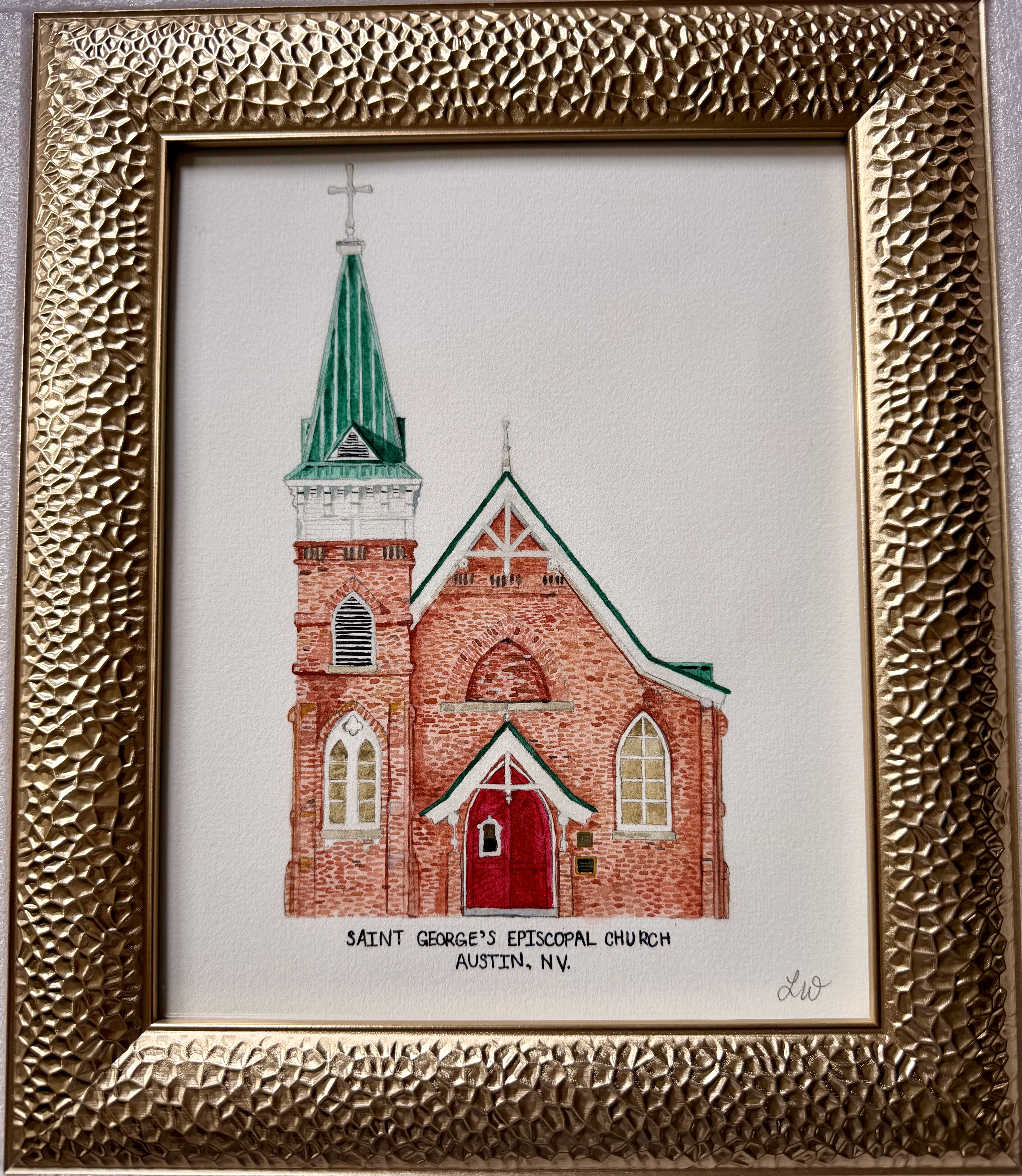
Saint George’s Episcopal Church Original Painting by Dear Friend
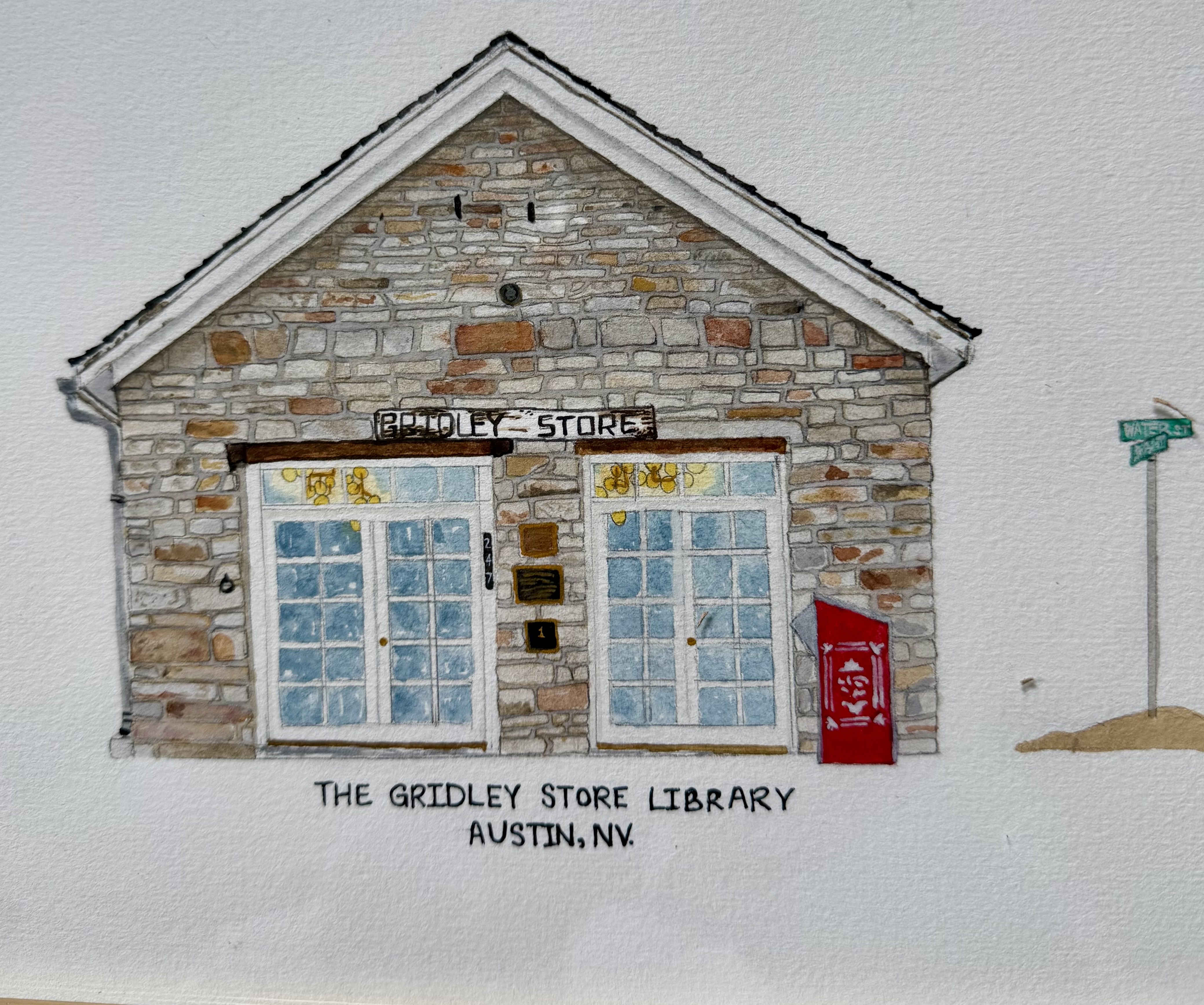
Austin Library Original Painting by Dear Friend
Flowers!
A Special Friend Luncheon in Fallon, NV

And now we’ve arrived at the Dreamy Forest Music and Afternoon Spritzers portion of the post, which is a radio station and a white wine spritzer in a plastic glass, but it is lovely, and I feel loved, and safe, and scared and excited all at the same time, because I have left a wondrous place, and I’m off to a new unknown. Wish me luck?

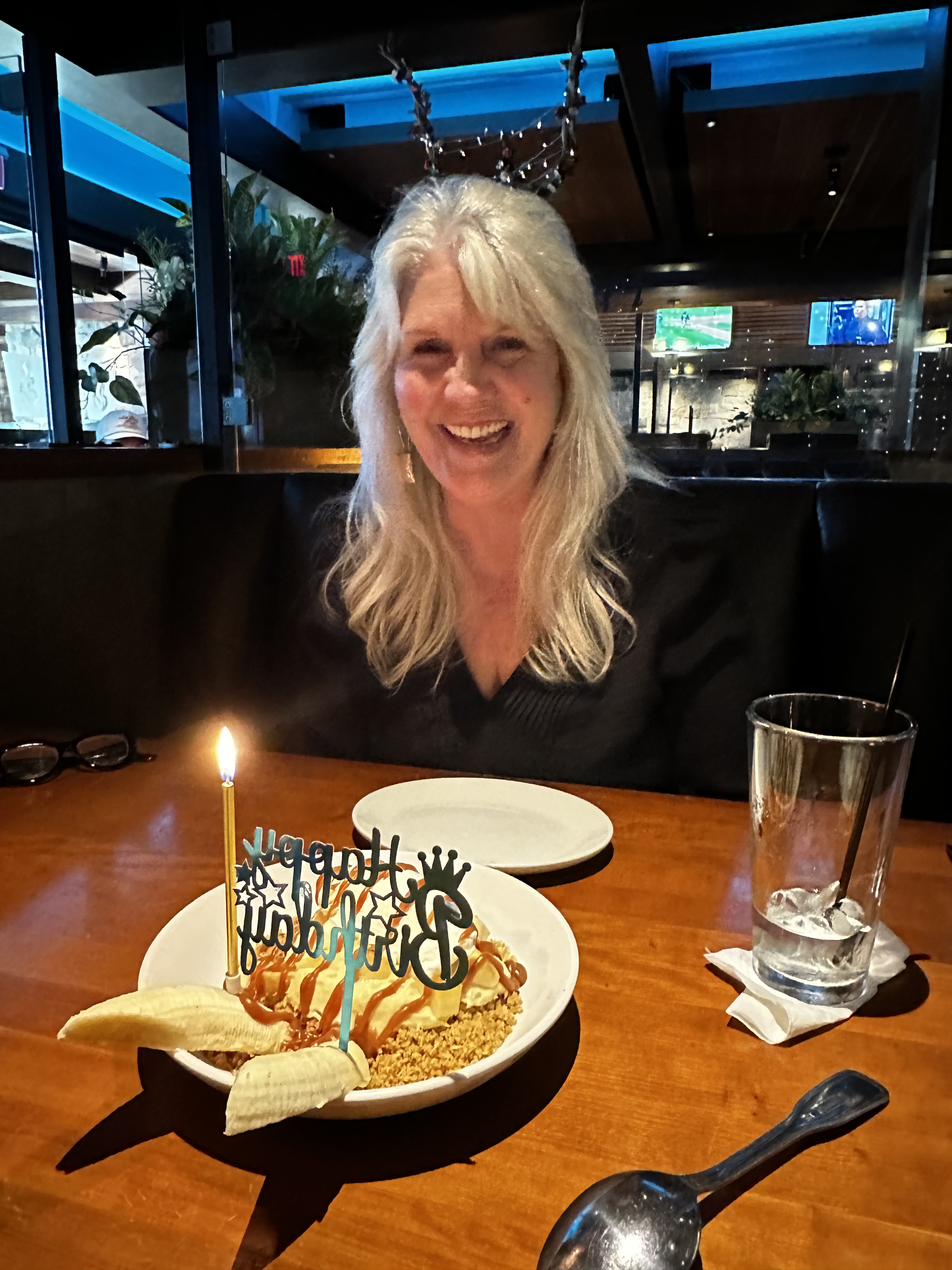
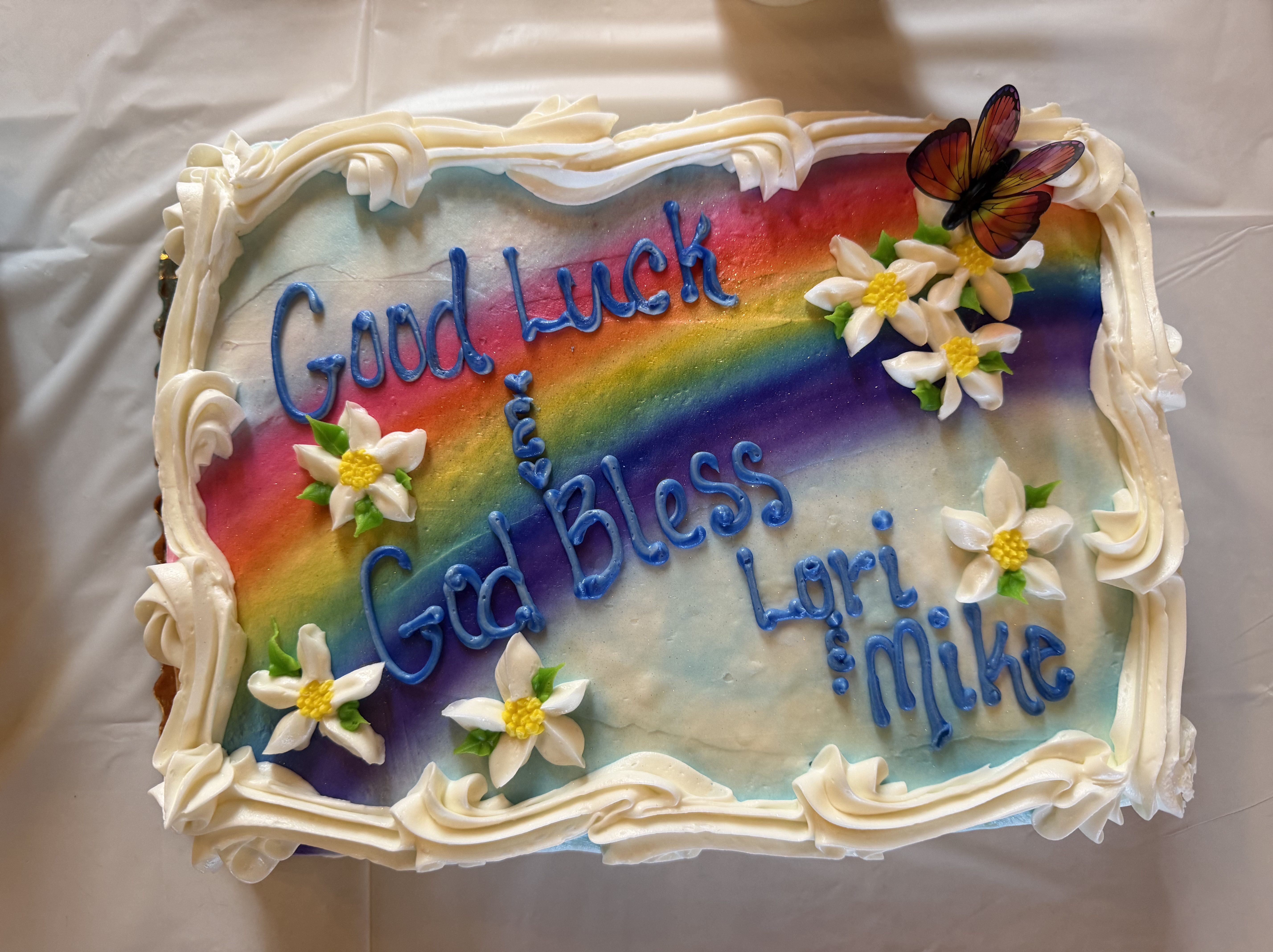
Cake!

Thanks for the Memories! Remember Bob Hope singing that? It always moistens the eyes. We are all so lucky, you know, to have each other and love each other for as long and as well as we can.

Be well everyone, and safe! I am so grateful for your visit. Where are you, in this wild, wild, harsh and beautiful, sweet and mixed-up world? I’d love to hear about it!

Beloved Friends and Priests

61 Comments

Filed under Travel, Uncategorized

Repost from Jill Badonsky on Substack – Lovely!

open.substack.com/pub/jillbadonsky/p/birds-flowers-clouds

2 Comments

Filed under Uncategorized

This Writing Life and Query Tracker

Why We Write

“You should write because you love the shape of stories and sentences and the creation of different words on a page. Writing comes from reading, and reading is the finest teacher of how to write.” ― Annie Proulx

Photo by Suzy Hazelwood on Pexels.com

“Fill your paper with the breathings of your heart.” ― William Wordsworth

Photo by Pixabay on Pexels.com

“One of the few things I know about writing is this: spend it all, shoot it, play it, lose it, all, right away, every time. Do not hoard what seems good for a later place in the book, or for another book; give it, give it all, give it now. The impulse to save something good for a better place later is the signal to send it now. Something more will arise for later, something better. These things fill from behind, from beneath, like well water. Similarly, the impulse to keep to yourself what you have learned is not only shameful, it is destructive. Anything you do not give freely and abundantly becomes lost to you. You open your safe and find ashes.” -Annie Dillard

Photo by Pixabay on Pexels.com

How We Manage Our Writing

One way I manage my writing is with the free online Query Tracker (QT) service, which makes it easy for writers to search for literary agents. I love that I can narrow my search to suit my particular manuscript—by genre and length—and also by providing links to the agents’ respective agencies, where I can read extensively about the agency itself, what authors it represents, and much more. Locating an updated list of literary agents currently accepting queries and providing an organized space to keep track of who I submit to and when is immediately helpful.

Have you used Query Tracker?  I’ve been using it for several years now, and I find it very useful. In the beginning I used it to research agents, looking for professionals who represented my genre of fiction. Gradually, I felt ready to send out queries and began the laborious process. I also keep a paper file where I jot down notes about the various agents’ manuscript wish lists and guidelines, as well as the dates I submitted to them. That is my messy but personalized backup, and I intend to continue the practice, but it’s also extremely helpful to use the free online Query Tracker.

Over time, I’ve found that I also greatly appreciate the features for recording the date I get a response (if ever), and the type of response. Agents request different content. Some accept only a query letter. Some want a certain number of sample pages along with the query (the number of pages varies). Some request a synopsis. Most of them have a loosely specified timeline given for responding to queries, with many of them stating that if you don’t hear from them within that time frame, it counts as a pass on your manuscript. If you get a response asking for more pages, or the full manuscript (Hallelujah!), there’s a place on QT for you to record that information as well. You can organize the submission chart alphabetically by agent or agency or by date submitted. This is just a quick overview.
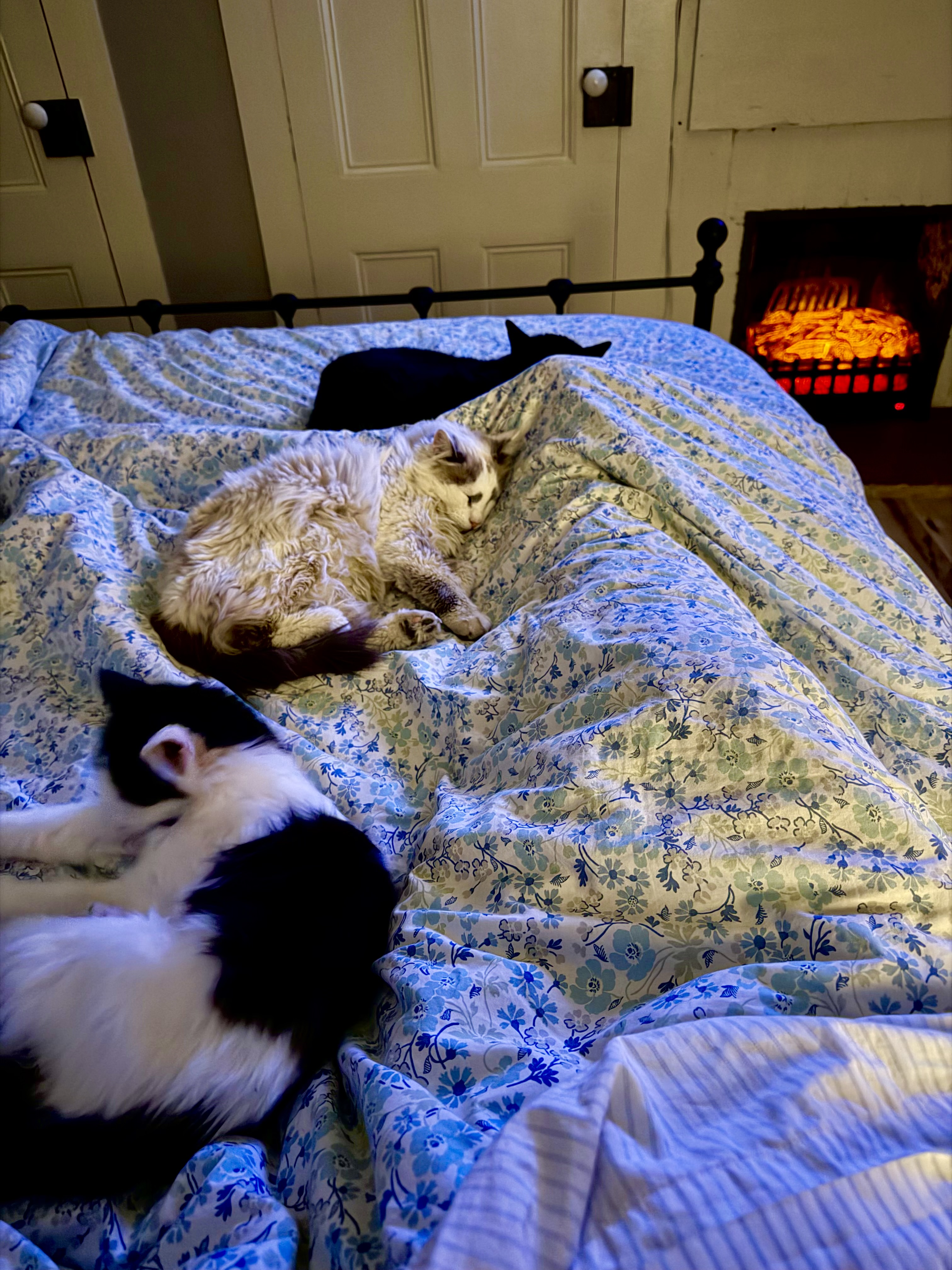
Photo by Lori Pohlman

In my case, after sending out over 80 deeply researched and personally tailored queries to agents, with a couple of requests for more material that sadly didn’t bring an offer of representation, I went back to the drawing board. I revised the manuscript again on my own and then had the whole thing professionally edited. That accomplished, I felt ready to start submitting again, but this time I decided to submit the manuscript to small publishers that accept submissions without agent representation. I’ve read there is a better chance of getting traditionally published going this route.

Query Tracker has a search engine for publishers as well, so it was easy for me to search for publishers, again by genre and length, to research those who published my genre, and to begin submitting again. Currently I have 7 submissions out with these small presses, one of which contacted me within a few days. It’s currently under review there, but it could be some time before I hear anything, so I’m keeping the other submissions out there, and will continue sending out more.

It’s still early days in this process, but with the new year just hours away, I’m energized about new possibilities! I’d love to hear about your writing life journey—not only the path to publishing, but about all aspects of this beautifully messy creative life we share. With Love!

Photo by Lori Pohlman

26 Comments

Filed under Authors, Books, Calendars, Fiction, Literary Agents, New Year's, Publishing, Reading, Research, Uncategorized, Voice, Writing, Writing Advice

Thank You!

Dear Readers, Writers, Friends, Family and Artists of All Kinds,

Thank you for being here, and for all the wonder, thought, goodness, and genuine love you bring to the world. Wishing you rest, refreshment, and everything you need, today, and in the new year. You are, to me, all beloved members of the pack.

The strength of the wolf is the pack, and the strength of the pack is the wolf.
Rudyard Kipling

With Love,

Lori

27 Comments

Filed under Calendars, Gratitude, Publishing, Uncategorized, Winter

The Light Shifts, The Wind Blows

Photo by Pixabay on Pexels.com

“The strongest oak of the forest is not the one that is protected from the storm and hidden from the sun. It’s the one that stands in the open where it is compelled to struggle for its existence against the winds and rains and the scorching sun.” – Napoleon Hill

Hello, Reader and Writer Friends! I hope this post finds you well and blessed with the energy, time, and resources you need and deserve. I am grateful to you and wish you joy. The past few weeks have brought both expected and unexpected news, tasks, challenges, joys, and sorrows to my little corner of the planet, and I suspect they may have to yours also.

Changes of season, the holidays, national and world events, community and family celebrations, work, play, plans, and the shadow of illness and even death for some have been on the hearts and minds of many.

This week in my little town we’ve lost a young woman to suicide. The tragic and violent event has left many of us in shock, and the pain is palpable. And yet, standing right beside that horror, we also have grace in the shape of a group of dear people who planned and cooked and decorated our community center, and fed everyone in town who wished to come. And we had the Christmas tree lighting in the park, followed by fireworks. And we have a live nativity on Main Street coming in a few days. And I’m going to Disneyland with my grandkids next week. And yet, a friend’s cat died and one of our own adopted cats disappeared (you see how the sadness creeps back in). And yet, I got a surprisingly good medical report from my doctor. And in the netherworld of being a writer, I began another round of manuscript submissions today, sending out queries to six publishers.

The light shifts, the wind blows.

We manage as best we can, remembering that the strongest oak

is the one that stands in the open.

Photo by Pixabay on Pexels.com

40 Comments

Filed under Christmas, Depression, Gratitude, Health, Holiday, Loss, Nature, Publishing, Relationship, Seasons, Uncategorized, Winter, Writing

The Intersection of Hope and Longing

Today is the first day of Advent,

the beginning of a new year for my Episcopal and many other Christian churches.

The weeks leading up to Christmas have always been my most anticipated, though I’ve probably never come close to understanding the depth of the reasons my heart finds them so.

In the beginning, it was certainly the way Mom made everything magic for my brother and I, and it was the tree and the lights and the music, Santa and the reindeer—my dad’s sweet smile. As the years went by, I learned more and went through different periods of faithfulness and failure, but I was always striving, trying to understand the magic and make it real.
According to Father Luke Gregory, OFM, “As the world enters the sacred season of Advent, a period of preparation and reflection for many Christians, we find ourselves standing at the intersection of hope and longing. This time invites us to consider not just the anticipation of Christ’s coming but also the deep desire for reconciliation and peace within our fractured world” (www.vaticannews.va).
The intersection of hope and longing—yes!

Wishing all of you, whether you subscribe to the faith of Christianity, Islam, Hinduism, Buddhism, Judaism, or you’re Atheist or Agnostic—wishing you an unlimited experience of hope for a meaningful, hopeful, peaceful future, whatever you call this time of year.

Thank you for being a part of everything. Your presence makes everything bright and beautiful!

Bless You!

41 Comments

Filed under Gratitude, Holiday, Identity, Seasons, Uncategorized, Winter

Lessons in Chemistry / Lessons in Flexibility

How I missed out on reading Lessons in Chemistry by Bonnie Garmus in the several years since its publication is a classic lesson in the old adage, Don’t judge a book by its cover, and also, a lesson in personal flexibility—that being that there are no doubt a plethora of other excellent books out there that I would love if I had bothered to read them, and sometimes that deprives me of valuable experiences. I heard Lessons in Chemistry was very good, but, eh . . . I thought. Not for me. I’m not into chemistry. The 1950s and early 60s don’t interest me as much as earlier times. It looks somehow . . . I don’t know . . . frivolous?

Hardcover Edition

I’m happy to report that I was wrong on all counts. Well, maybe not the I’m not into chemistry part, but as it turns out, that doesn’t matter. I didn’t need to be into chemistry to appreciate chemist Elizabeth Zott’s deep love of it. I just needed to appreciate Elizabeth Zott, the wonderful protagonist of this deeply funny, tragic, and ultimately affirming story. And that was easy. As for my not being interested in the 1950s-60s, I think I took that period for granted because I am a product of it. I have few memories of my earliest childhood, and of those, most are sad. Those years have not been a time I willingly wish to revisit. It appears I prefer visiting earlier and more dramatic times—times that occurred before I was able to suffer through them in person.

As for the idea that the book was probably frivolous, I definitely derived that from the cover. And I wasn’t the only one. Three years ago, a reader named Lisa Wright posted a question on Goodreads, “Am I the only one who was furious about the pink chick-lit, rom-com cover on this book? It belittles the book in exactly the same way Elizabeth Zott is belittled!”

Bonnie Garmus, the author, answered: “I have to agree–and I’m the author! All I can say is, the publisher did let me have input and I told them I thought it looked like chick-lit (nothing against chick-lit but this book isn’t that). Still, publishers have a lot of experience knowing what an audience will respond to and they thought this was the best way. They’ve been great to work with; we just didn’t see eye-to-eye on this. You can google other covers from the other nations and see you if you think anyone else got a little closer–I think Germany and the UK both did a nice job. I have hopes that this cover will change for the paperback.”

Paperback Cover

The way I fell into reading this book

I went on a trip and forgot to bring my library book. The airport gift shop’s book selection was pretty slim. I didn’t see anything from my TBR list. The cover on the paperback version was slightly less frivolous in my very unscientific opinion than the hardcover I had entered in our public library collection. At least it featured something that looked like the periodic table in the background. I picked it up, sighed, and purchased it.

The book delighted me from the first page. When I read these lines: “Fuel for learning, Elizabeth Zott wrote on a small slip of paper before tucking it into her daughter’s lunch box. Then she paused, her pencil in midair, as if reconsidering. Play sports at recess but do not automatically let the boys win, she wrote on another slip. Then she paused again, tapping her pencil against the table. It is not your imagination, she wrote on a third. Most people are awful. She placed the last two on top.”

Bonnie Garmus had my attention on page one, and she had me laughing and crying and feeling every range of emotion throughout the delicious ride through the air from Reno, Nevada to Minneapolis, Minnesota and back again. I loved this book! Highly recommended.

Have you had this experience? Purposely avoiding something, whether a book or a movie or a sport or an activity, that you later found to be good or valuable? I’m sure I’ve done it a lot!

Luckily for me, this time I was given the gift of proving myself wrong.

Happy Fall, Y’all!

26 Comments

Filed under Authors, Books, Commentary, Uncategorized

Writing is Thinking

One of my old journals
“The demise of writing matters, because writing is not a second thing that happens after thinking. The act of writing is an act of thinking. This is as true for professionals as it is for students. In “Writing Is Thinking,” an editorial in Nature, the authors argued that “outsourcing the entire writing process to [large language models]” deprives scientists of the important work of understanding what they’ve discovered and why it matters. Students, scientists, and anyone else who lets AI do the writing for them will find their screens full of words and their minds emptied of thought.”
– Derek Thompson, via Substack

From: “The Daily Writer” by London Writers’ Salon.

https://londonwriterssalon.com/

I read the “Daily Words of Wisdom” —well, daily— from the London’s Writers’ Salon. They are always good, and today’s topic is something I’ve been thinking a lot about lately. I’ve always felt that I, personally, discover what I think, what I know, and what I want to know best through writing. I’m also better able to tap into memory and creativity through writing. I seem to retain more information and integrate knowledge into my soul better through writing. For example, if I read a brilliant fiction or nonfiction book and write an essay about it, I amplify the many benefits gleaned from the reading–these benefits range from an awareness and appreciation of literary technique all the way across the spectrum to a synthesis of understanding on any variety of topics.

Because of my love of writing, and my deeply held belief in its power and many benefits, I wanted to share this and ask you for your thoughts. Do you agree with Derek Thompson’s view that “Students , scientists, and anyone else who lets AI do the writing for them will find their screens full of words and their minds emptied of thought”?

34 Comments

Filed under Uncategorized, Writing