
“In his witty and thought-provoking manner, Mark Twain once famously said, ‘It’s no wonder that truth is stranger than fiction. Fiction has to make sense.’” https://www.socratic-method.com
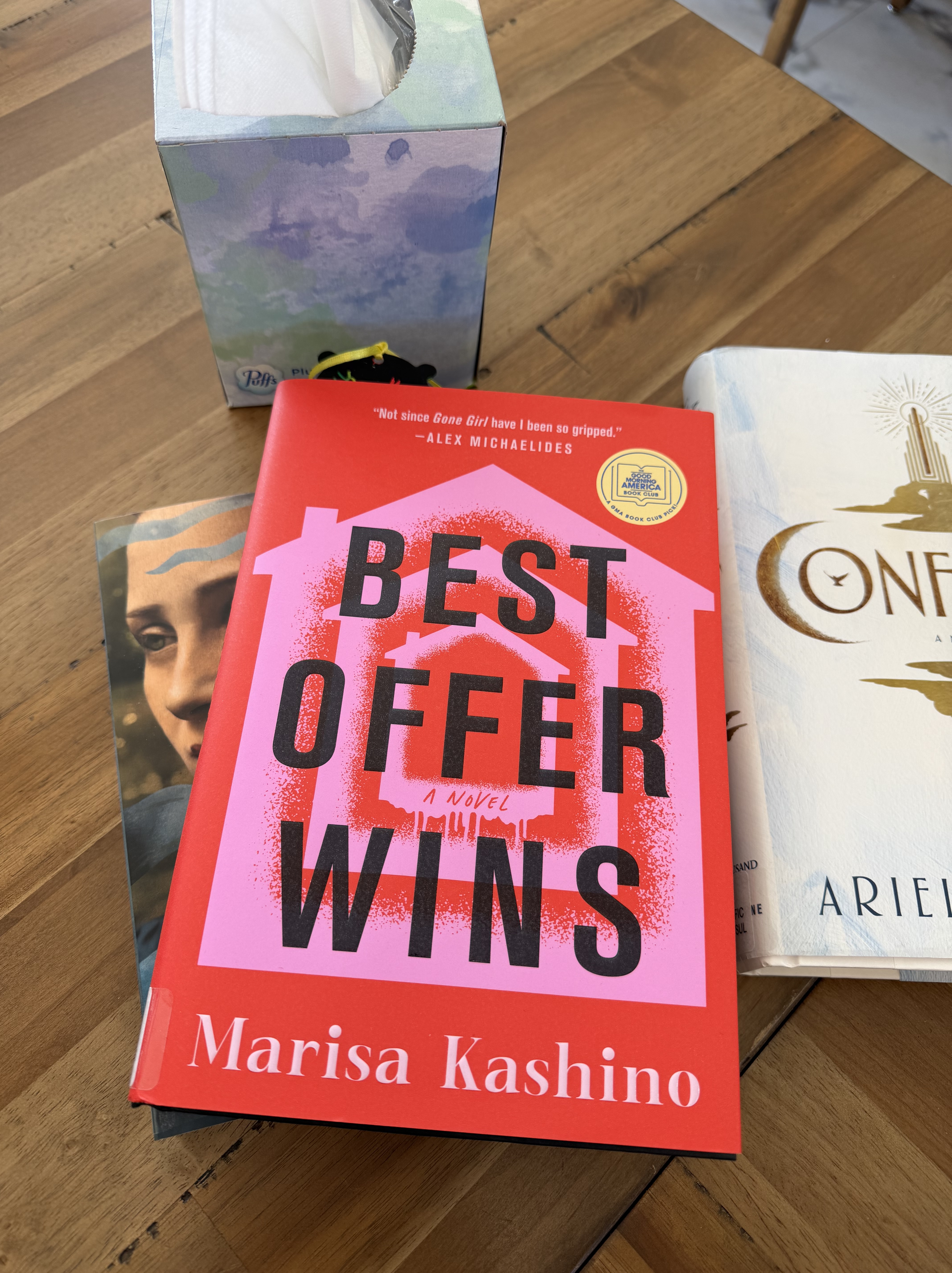
Sometimes, though, truth is not stranger than fiction. And thankfully, sometimes truth is kinder than fiction, too. Recently a friend and I had both just finished books that bothered us in various ways, which isn’t to say books shouldn’t bother us—it’s quite often important that they do—it was just that in the case of these books, the way we’d been bothered had less to do with subject matter and more to do with the marketing expectation that readers would respond positively to the various dastardly deeds of the protagonists, and that, indeed, there did seem to be plenty of readers out there who backed up that claim—readers who “loved” these books (and so maybe by extension that means they loved the protagonists? Maybe?).
I don’t remember the title of the book my friend was referring to; she said it was something about killers who were in love and only killed bad people—sounded like a Dexter type theme, and I know that was a highly watched television series, so I guess there’s an audience for that. I can’t claim to be someone who is above consuming questionable content. I’ve read hundreds of books in most genres and not all of them have been particularly elevating. That said, I have seldom read a novel with a less likable protagonist than the one Marisa Kashino gives us in Best Offer Wins (With the possible exception of Humbert Humbert, the protagonist/narrator of Vladimir Nabokov’s Lolita).
Best Offer Wins is a Good Morning America Book Club Pick and was published by Celadon Books in 2025. From the book jacket: “…Margo will prove again and again that there’s no boundary she won’t cross to seize the dream life she’s been chasing. The most unsettling part? You’ll root for her, even as you gasp in disbelief.”
Uh. No. But let me take you back to the reason I read that blurb and took the bait. Coincidentally, on the same day my husband and I were submitting a bid on a house we wanted, Marisa Kashino’s thriller about a woman who will stop at nothing to get her dream house came across my desk at the library. It was a new purchase, and my job was to catalog it and get it ready for patron check-outs. I joked with my realtor that I hoped I wouldn’t become as obsessed with home buying as the teaser on the book jacket hinted the book’s protagonist, Margo, did.
Truth being, in this case anyway, less strange than fiction, I didn’t. Thank goodness. But I did check the book out and take it home to read over the weekend. I’m not normally inspired to write reviews about books I don’t like, but there’s something about this one that pushes me. What that tells me is that I did find it engaging, at least enough to finish it, but that, also, it troubled me. I think I kept reading to see if it would be possible to “root for her even as [I] gasped in disbelief.”
That stage never arrived. The backstory on Margo did indicate she’d had very tough breaks, enough of them, too, and that would normally soften a reader’s judgement and bring her to life in a way that would help the reader to care about her, but Margo’s behavior was so egregious that she remained not only unlikable, but monstrous. And I don’t mean monstrous in the sad way that Frankenstein was a monster because he was a victim and you felt sorry for him. Margo’s kind of monstrous is the carefully calculated kind that lacks any hint of personal responsibility or remorse.
I’m not sure what it says about me that I read the whole book anyway, and that gives me pause. I think perhaps my weird fascination with the book represents a part of contemporary America to me that I don’t understand and cannot accept, but that I still keep trying to fathom. I want people to have homes. I want people to care for each other. I want to love my neighbors as myself.
Each turn of the page offered hope, however slight, that Margo would learn some kind of moral lesson or would offer her a kernal of insight, forgiveness, or redemption, but in the end, there was none. No tenderness. No justice. Just a sad expose of a society where dreams can become as dangerous as despair, and the only thing that matters is the win.
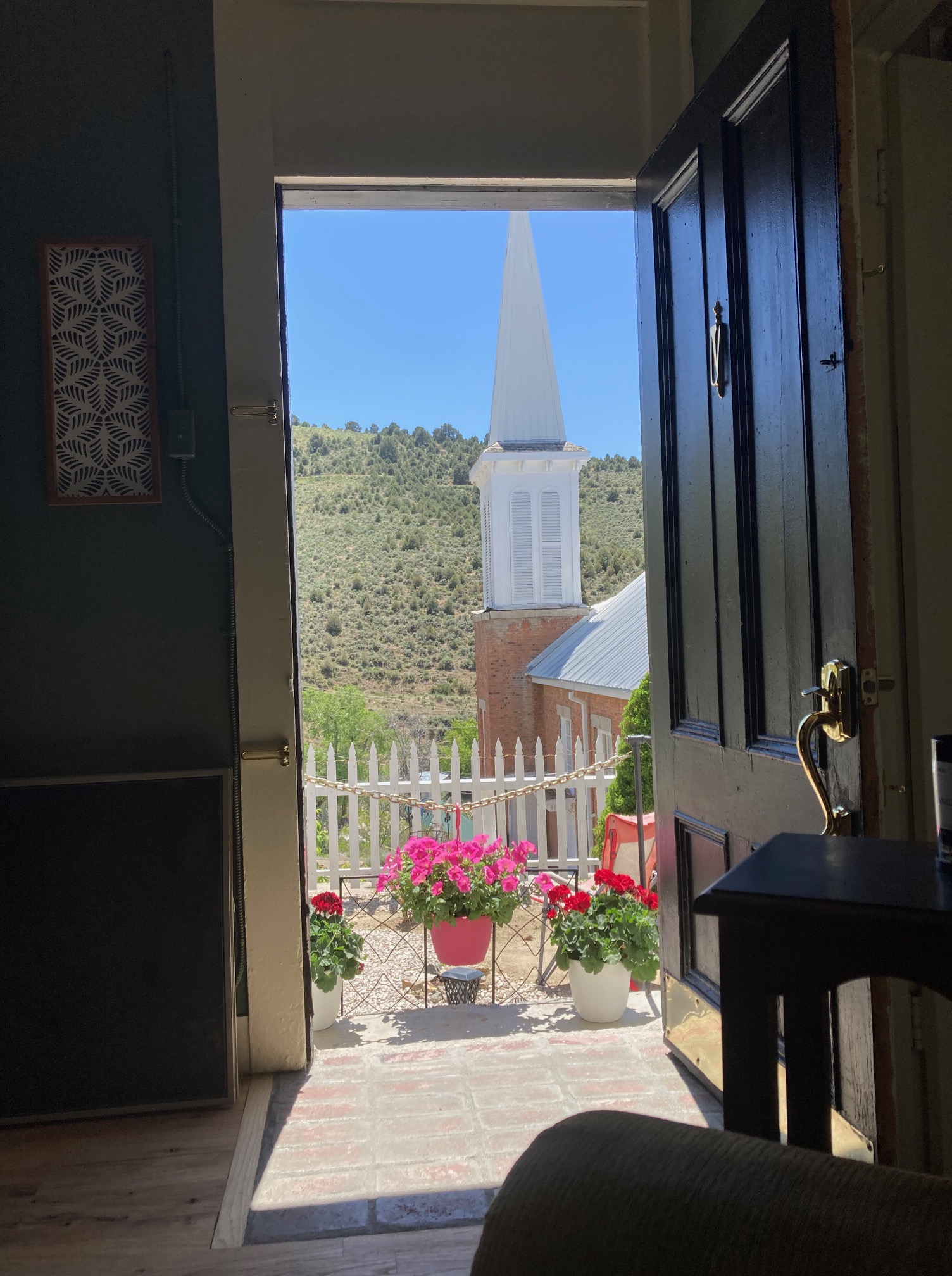
In that way, the book is a success, I guess. A pretty good satire. Excellent social criticism, and social criticism is very much in order these days in my opinion. With Best Offer Wins out of the way, I’m happy to announce that Mr. P and I purchased a delightful home in the beautiful UP—the upper peninsula—in the lovely U.S. state of Michigan. We will be off to a new chapter there soon and leaving the awe-inspiring West and central Nevada behind with love for all we’ve learned and the friendships we treasure. By the way, we accomplished the purchase of the Michigan house without any nefarious activities nor bidding war mayhem. Sometimes, you see, truth is not stranger than fiction, and sometimes it is kinder.
Wishing you all happy days and cozy nights as we move through February and into March. Be Well!







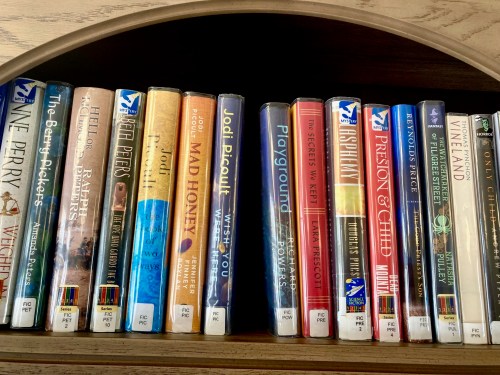


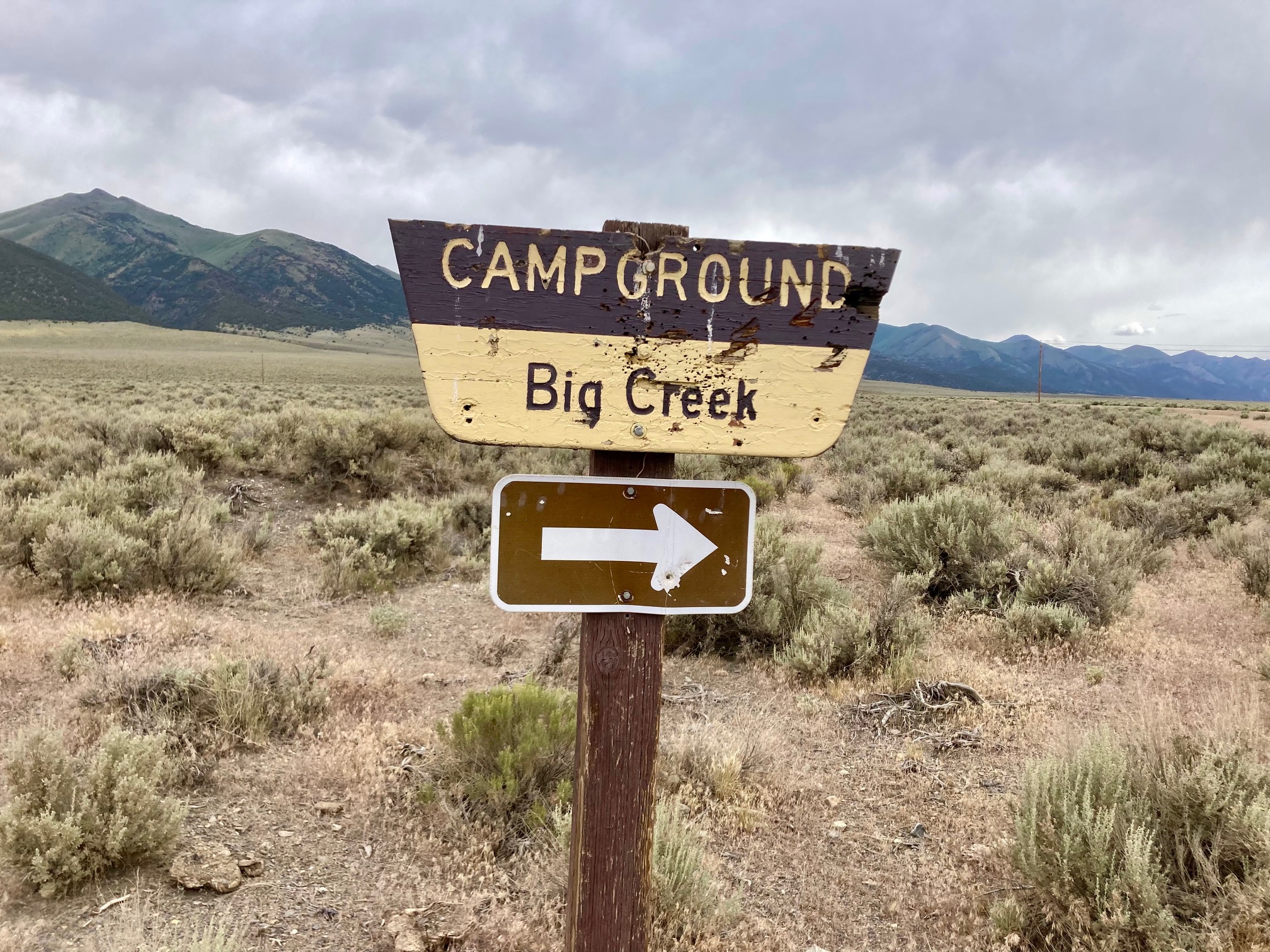


























 LakeArrowheadLadyWriter
Books Get Me Through The Great Alone
It’s been two weeks since I left Nevada and one week since I arrived at my new Michigan home. All of these days have been solo; I drove alone, I arrived alone to an empty house, I spend my days here alone. There’s a theme building . . . For now!
But husband and kitties will be joining me soon.
As an introvert, this hasn’t been particularly tough. I love people, but I also love solitude. I just got the internet yesterday, and that’s fun because now I can write and publish my writing more easily. No TV here yet. No furniture to speak of. I have one little lamp table that fit in my car, a folding camp chair, and a cot. That’s it. Everything else will come in the moving van next week. So, what do I do all day?
I clean and I read. Often, at the same time, by listening to audiobooks using the Libby library App. One of the books I’ve enjoyed so far during this extended period of solitude is aptly The Great Alone by Kristin Hannah. It’s a tough book about a tough time and a tough place, but I liked it. Alaska in the 1970s, mental illness, abuse . . . it’s got it all, but it isn’t only that, of course. It’s also a book filled with nostalgia, love, and the awesomeness of nature.
Other books I read either just prior to moving, during the drive, or since my arrival are: We All Live Here, Moyes; Sandwich, Newman; The Secret Book of Flora Lea, Henry; Remain, Spark and Shyamalan; The Missing Half, Flowers and Kiester; and currently, The Island of Sea Women, See. Each book has its merits.
I found both We All Live Here and Sandwich charming and humorous. Both are light, contemporary novels with women protagonists wrestling with life changing events and the love of family.
The Secret Book of Flora Lea took me to one of my favorite historical settings, World War II England, in the countryside and also to London in the 1960s. It’s a delightful book about sisters, families, love, and the importance of stories.
Remain and The Missing Half are mysteries, with Remain being the more entertaining of the two for me. The Missing Half helped pass the time, but Remain’s ghostly love story captivated me at times, including during several memorable scenes that made me shiver.
And now I’m listening to The Island of Sea Women. It’s taken me to a part of the world I know very little about, which I love, because I am learning so much. It’s set in Korea from the story’s beginning in the 1930s and will move through the war years and take me to the present day. It’s about women sea divers (an amazing group of female divers who earn the money for their families while their husbands care for the children), and it’s the story of two friends Mi-ja and Young-sook.
As you can see, I’ve not been alone, not really, for I’ve been traveling through time and place along with the characters created by the authors of these varied and appealing novels, carried away by their stories. It’s a kind of magic really, the way a reader lives both inside and outside of a book—simultaneously in the room, and also somewhere else far away.
I love this line about reading from Stephen Chbosky from his young adult novel, The Perks of Being a Wallflower:
“Sometimes, I read a book, and I think I am the people in the book.”
Exactly.
Share this:
33 Comments
Filed under Authors, Books, Commentary, Fiction, HIstorical Fiction, Home, Identity, Literary Fiction, Nature, Personal History, Reading, Uncategorized, Winter, World War II
Tagged as Book Review, Books, Fiction, Introvert, Michigan, Moving, Nevada, Reading, Writing