
Why We Write
“You should write because you love the shape of stories and sentences and the creation of different words on a page. Writing comes from reading, and reading is the finest teacher of how to write.” ― Annie Proulx

“Fill your paper with the breathings of your heart.” ― William Wordsworth

“One of the few things I know about writing is this: spend it all, shoot it, play it, lose it, all, right away, every time. Do not hoard what seems good for a later place in the book, or for another book; give it, give it all, give it now. The impulse to save something good for a better place later is the signal to send it now. Something more will arise for later, something better. These things fill from behind, from beneath, like well water. Similarly, the impulse to keep to yourself what you have learned is not only shameful, it is destructive. Anything you do not give freely and abundantly becomes lost to you. You open your safe and find ashes.” -Annie Dillard

How We Manage Our Writing
One way I manage my writing is with the free online Query Tracker (QT) service, which makes it easy for writers to search for literary agents. I love that I can narrow my search to suit my particular manuscript—by genre and length—and also by providing links to the agents’ respective agencies, where I can read extensively about the agency itself, what authors it represents, and much more. Locating an updated list of literary agents currently accepting queries and providing an organized space to keep track of who I submit to and when is immediately helpful.
Have you used Query Tracker? I’ve been using it for several years now, and I find it very useful. In the beginning I used it to research agents, looking for professionals who represented my genre of fiction. Gradually, I felt ready to send out queries and began the laborious process. I also keep a paper file where I jot down notes about the various agents’ manuscript wish lists and guidelines, as well as the dates I submitted to them. That is my messy but personalized backup, and I intend to continue the practice, but it’s also extremely helpful to use the free online Query Tracker.
Over time, I’ve found that I also greatly appreciate the features for recording the date I get a response (if ever), and the type of response. Agents request different content. Some accept only a query letter. Some want a certain number of sample pages along with the query (the number of pages varies). Some request a synopsis. Most of them have a loosely specified timeline given for responding to queries, with many of them stating that if you don’t hear from them within that time frame, it counts as a pass on your manuscript. If you get a response asking for more pages, or the full manuscript (Hallelujah!), there’s a place on QT for you to record that information as well. You can organize the submission chart alphabetically by agent or agency or by date submitted. This is just a quick overview.

In my case, after sending out over 80 deeply researched and personally tailored queries to agents, with a couple of requests for more material that sadly didn’t bring an offer of representation, I went back to the drawing board. I revised the manuscript again on my own and then had the whole thing professionally edited. That accomplished, I felt ready to start submitting again, but this time I decided to submit the manuscript to small publishers that accept submissions without agent representation. I’ve read there is a better chance of getting traditionally published going this route.
Query Tracker has a search engine for publishers as well, so it was easy for me to search for publishers, again by genre and length, to research those who published my genre, and to begin submitting again. Currently I have 7 submissions out with these small presses, one of which contacted me within a few days. It’s currently under review there, but it could be some time before I hear anything, so I’m keeping the other submissions out there, and will continue sending out more.
It’s still early days in this process, but with the new year just hours away, I’m energized about new possibilities! I’d love to hear about your writing life journey—not only the path to publishing, but about all aspects of this beautifully messy creative life we share. With Love!

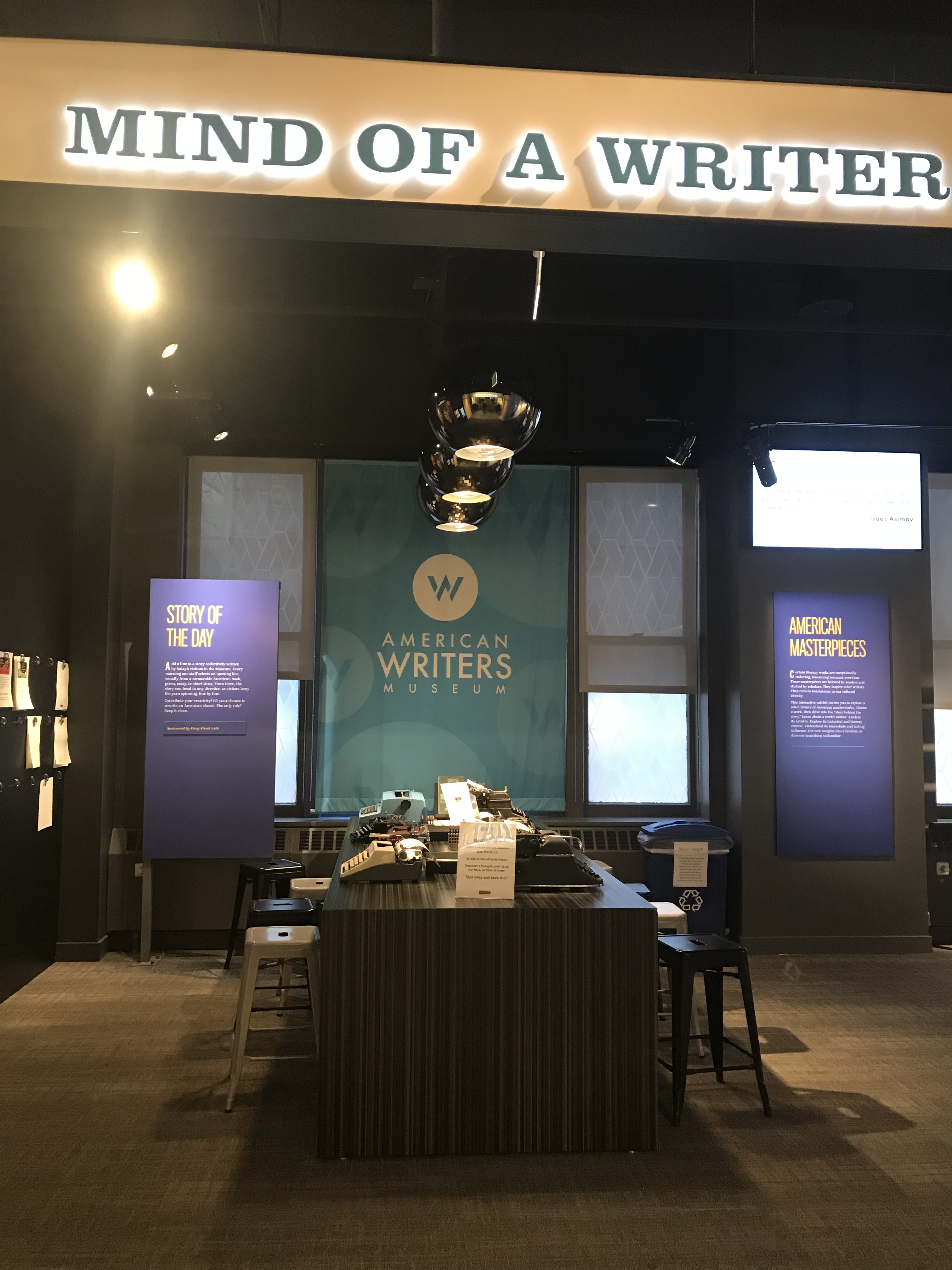
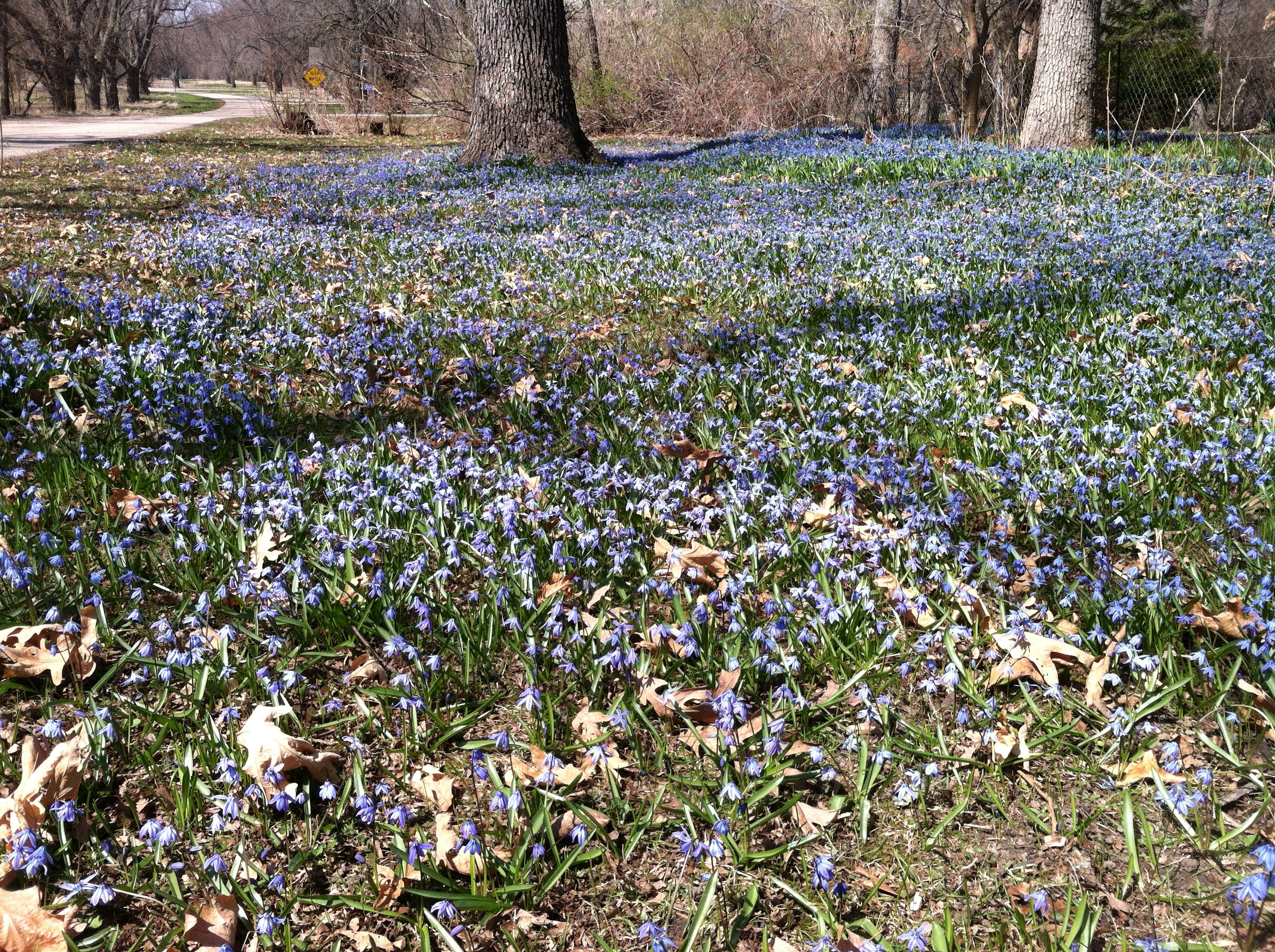
Photo by Lori Pohlman




































 LakeArrowheadLadyWriter
“Reading with Ghosts” Some thoughts on a post by Jenny Lawson, The Bloggess: “Sometimes tattered and worn = loved” August 9, 2016
Like Jenny, I love used books, books that have a history of relationship with other readers that I can see and hold in my hands. The cover doesn’t need to be in great shape. There should be a name written in long hand somewhere within the first pages. Notes written in the margins. Words, phrases, paragraphs underlined. Exclamation marks, hearts, question marks in the margins. Old shopping lists stuck between the pages. Dedications to lovers, children, grandchildren, friends on the title page. This book reminds me of how very much I love being your mom.
Despite my librarian grandmother, my own library training and teacher training, and my years working in libraries and public schools, I’ve always been much more of a book sharer than a book protector. This doesn’t mean I condone random doodling, especially not of the tasteless variety, or nasty vulgarisms of any sort in any book (and I’ve seen plenty of those, believe me). And I am not advocating writing in any book that you do not own—please, respect all library books, and school texts! But I do appreciate a pithy comment that pertains to the content. I love knowing that I am sharing the experience of reading a particular piece with someone who found something striking enough to comment on right then and there, in the moment.
Jenny Lawson says, “…reading those found books is like reading with ghosts, ones who eagerly point out their favorite passages or share their thoughts or questions in the margins.”
Books that I can remember writing in that are sitting around my house right now include:
Jane Eyre, A Prayer for Owen Meany, The Catcher in the Rye (probably my first!), The Diary of Anne Frank, Man’s Search for Meaning, Teacher Man, Rebecca, Atonement, Prodigal Summer, The Glass Castle, Learning to Walk in the Dark, and lots of poems—“The Raven” comes to mind along with some of Shakespeare’s sonnets. And memorably, the teacher edition of a literature anthology I used in my classroom for many years (not sure if this qualifies as defacing a public school text, but it did raise a few eyebrows during department meetings).
Funny story there. I was told, “That’s not your book! You can’t write in that!” back in 1998 by a wonderful teacher I respected and admired. Even so, I continued to write in the book. I planned on outlasting the book adoption cycle, and I wanted to remember what worked, what went flat, what insights, funny or touching, or what “light bulb” moments were expressed by my kids. When I retired in 2014 a young English teacher retrieved the same teacher anthology from the school library that I had written notes in for years. There hadn’t been a new book adoption in all of those years because the budget was just too tight for the district to purchase a new anthology. This new teacher wrote me a letter. “What a treasure!” she said. “Thank you for writing all of that down.”
A reader after my own heart. A teacher after my own heart. I hope she never forgets to write in the margins.
Share this:
Leave a comment
Filed under Books, Commentary, HIstorical Fiction, Humor, Jenny Lawson's Blog, Literary Fiction, Teacher, Used Books, Writing, Writing Advice
Tagged as Annotating, Humor, Jenny Lawson, Library Books, Reading, School Books, Teacher Anthology, Used Books, Writing