“Go for broke. Always try and do too much. Dispense with safety nets. Take a deep breath before you begin talking. Aim for the stars. Keep grinning. Be bloody-minded. Argue with the world. And never forget that writing is as close as we get to keeping a hold on the thousand and one things–childhood, certainties, cities, doubts, dreams, instants, phrases, parents, loves–that go on slipping, like sand, through our fingers.” – Salman Rushdie,Imaginary Homelands: Essays and Criticism 1981-1991
So well expressed. I realize that is a large part of my writing- “keeping a hold on the thousand and one things.”
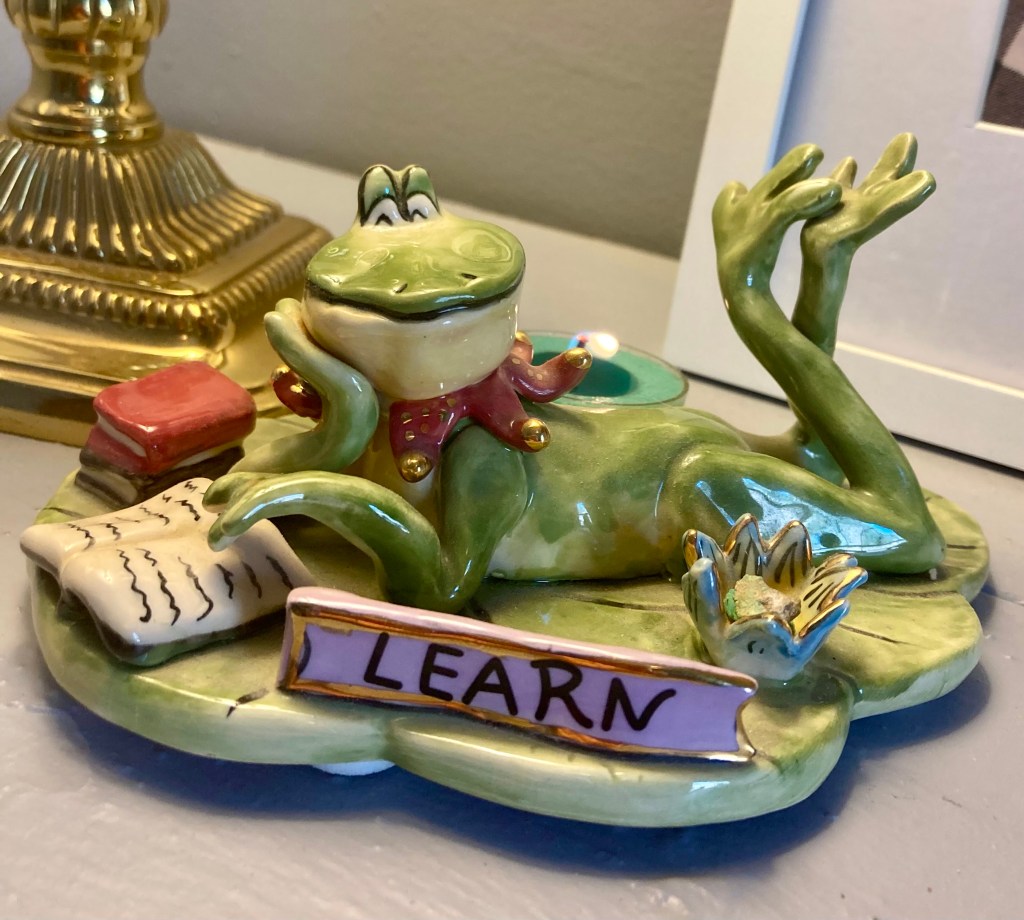
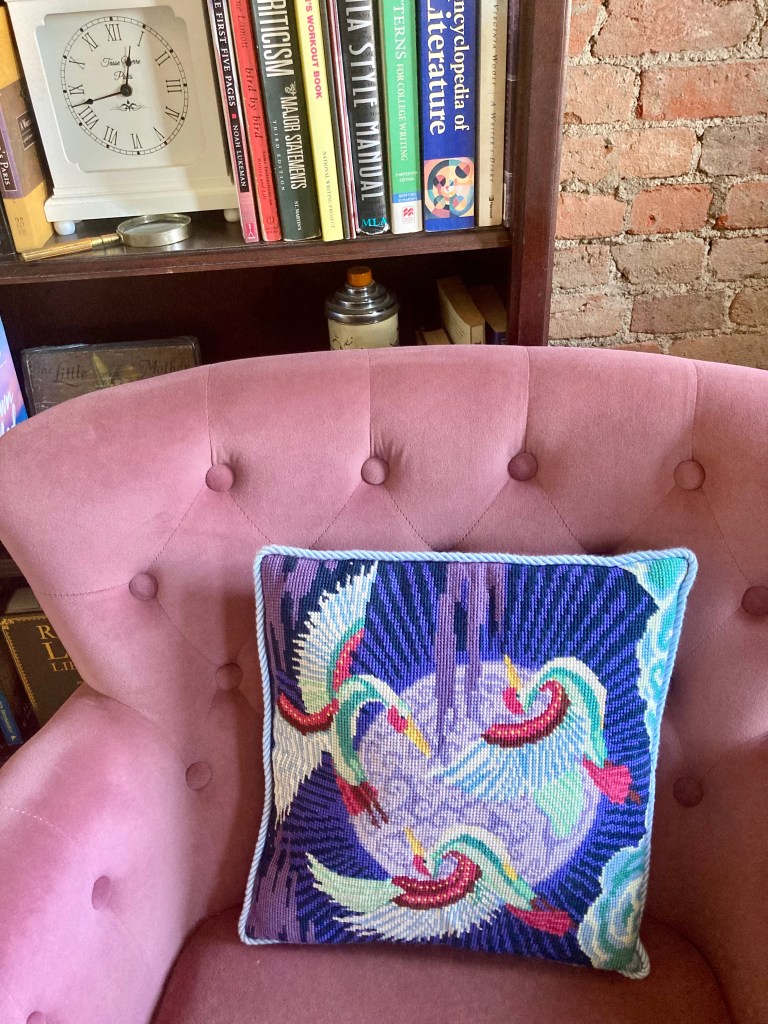
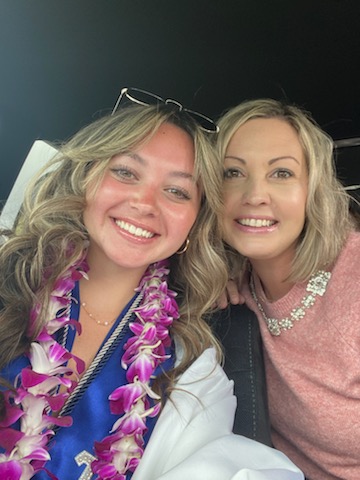
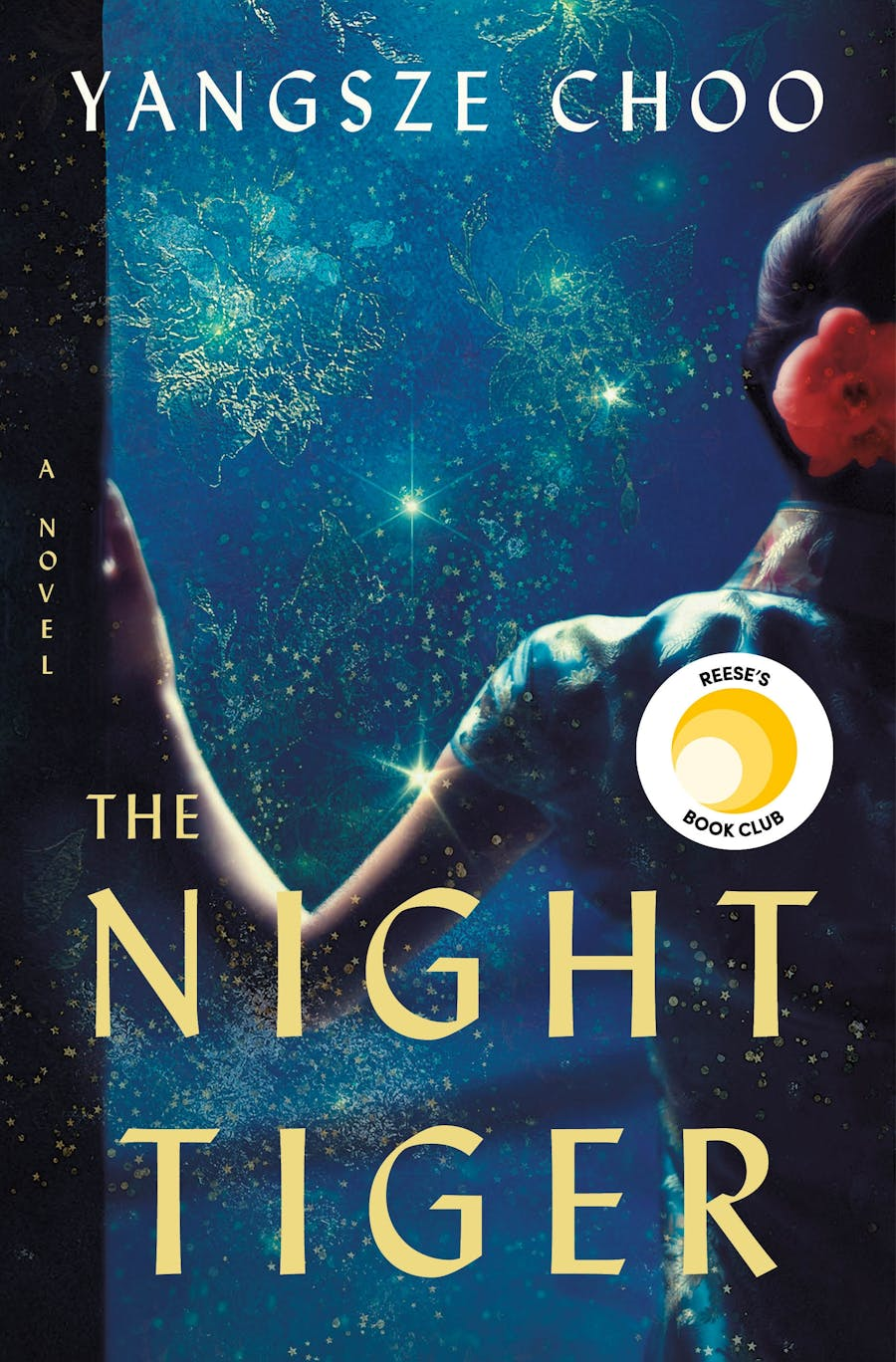
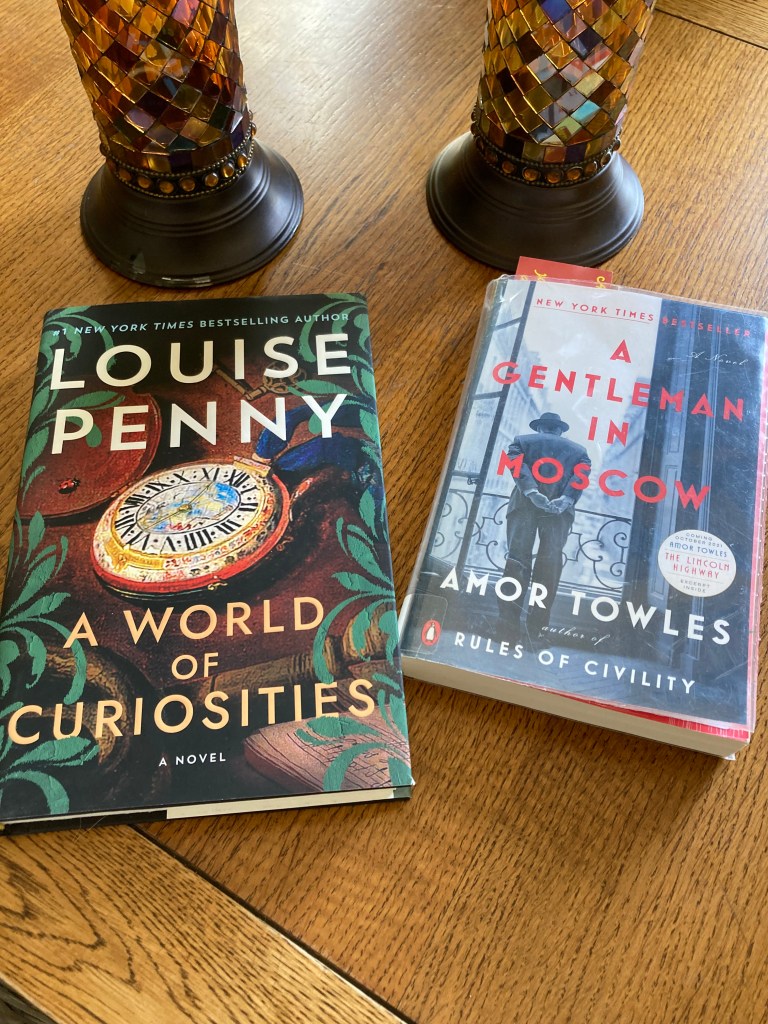
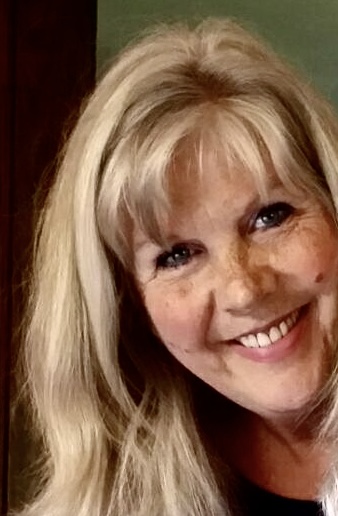
So few photos here. So many more in my heart. More beloved children, friends, family, and all the rest than there is space. But writing provides an opportunity to keep them all.
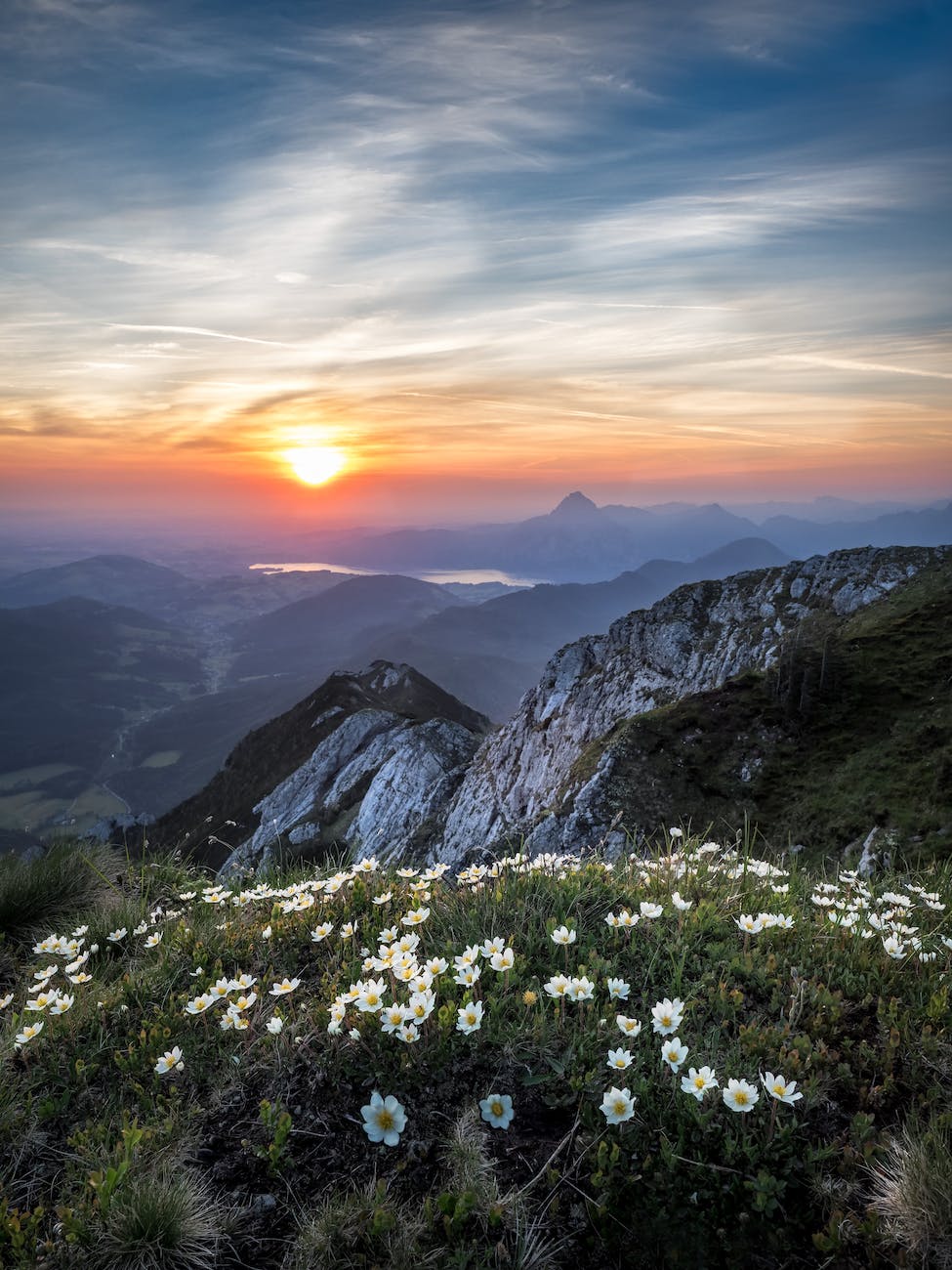
So grateful to have the opportunity to venture out today, to a place where we encountered only two other vehicles, no power lines, billboards, buildings or pavement. So grateful. Yet my heart worries for the creatures there. Their tenuous freedom. Their beauty. Nature breaks my heart.
Having dedicated a great deal of time, energy, effort, and money–but mostly dreams and heart–to writing throughout my life, I’ve always longed for close relationships with other writers. People who would “get me” in a way that I didn’t feel “got.”
So it was with great pleasure when I learned that my dear friend Jan married a man who wrote. This was many years ago, and, like mine, John Halter’s career was varied and interesting. In my own case, I would add soul affirming, which is probably the case for John as well, but I have never asked him. Anyway, we both did something other than write to earn our livings, but we both always wrote. I worked in flower shops, and libraries, and taught school, while John was a professional sailor, riverboat pilot, and marine mechanic.
Driving Dad Home is John’s first published book, a memoir. It is published by Nodin Press, LLC out of Minneapolis, MN and is available on Amazon. Bravo, John!
John Halter’s Driving Dad Home is in part the story of John and his father, Russ, and their road trip from Arizona to Wisconsin where Russ’s family has procured a place for him in a memory care facility. That, in itself, provides more than enough to immerse the reader. A 96-year-old father who doesn’t want to leave the home where he chose to live out the remainder of his long life “hoodwinked” by his family, the dying alcoholic second wife they wish to save him from, the terror, anger, and anguish of Russ’s dementia—all told in the author’s particularly engaging style—would be plenty. But Halter gives us more.
In his attempts to placate his agitated father and make it to their destination safely, he learns that getting his dad to talk is the best remedy. As the miles unfurl, so too do Russ’s recollections about everything from his childhood on a South Dakota farm, to his years serving in the Navy in WWII, to his years as a husband and father living in Minneapolis, and to the years that followed, when John and his siblings were all grown, when their mother died, and the life their father made for himself afterward—all of which is as important to the author as it is to his dad. I don’t want to give anything away, but it was an excellent read, and I was left with a renewed appreciation and understanding of the generations before us. And I also came away believing that love is often a silent force swirling around us that we do not know and cannot recognize.
For some of us, thankfully, there comes another chance. This is a story about one of those chances.
Thoughts on Writing After a Year of Sending out Queries for my WWII-Era Homefront Historical Fiction Novel Set in Lake Arrowhead, CA… and A Whole Lots of Maybes
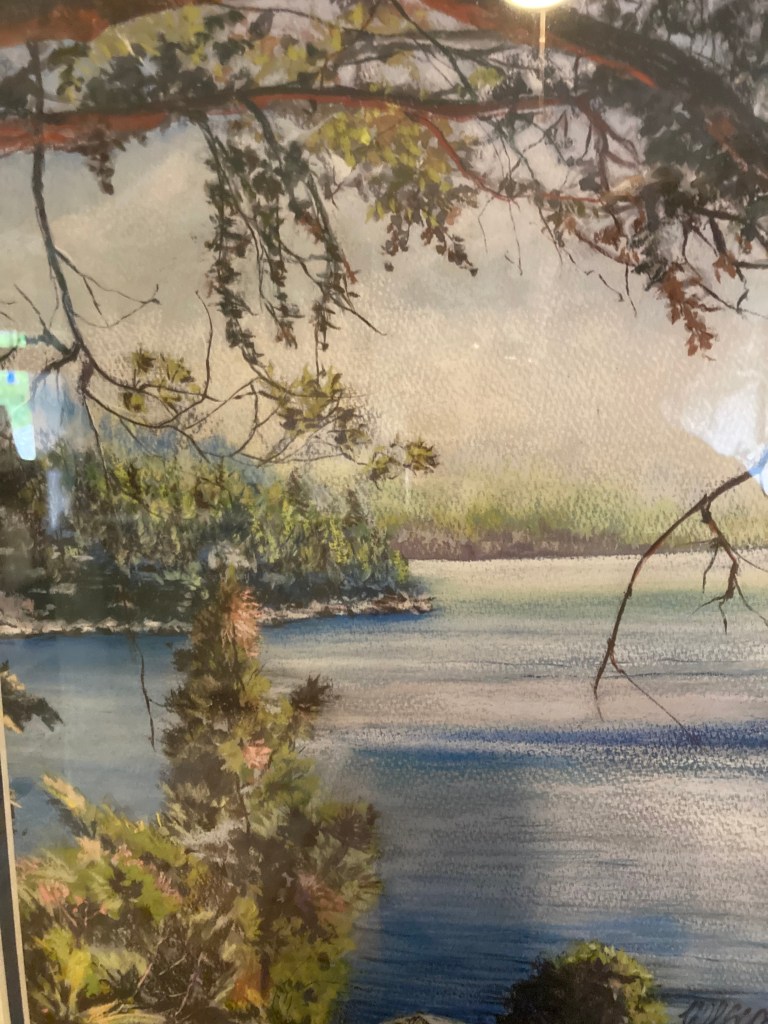
Photo from my collection of prints of paintings by Lake Arrowhead artist and friend, Dave Wescott.
I am discouraged. It’s been a long haul, and I’m tired. I wonder if it’s too late—if I’m even a capable writer. Maybe I am a past-prime-nothing-special-mainstream kind of a writer with nothing new to offer in a world crowded with bright-fresh-creatives churning out compelling new stories that I am not equipped to write.
Maybe, more accurately, I wouldn’t write those compelling new stories even if I could, because I truly don’t want to. But that doesn’t mean I never will. Maybe I’m going to want to! With creating, one never knows. Meanwhile, what I write these days is what I feel the magical desire to create. If I were being paid to write, or I were writing an assignment for a course I was taking, it would be different. At least a little bit different, but still really fulfilling. And I have done that successfully.
So I think that means that stubbornness is not the problem. But who among us knows well their own foibles? A self-examined life is not worth living perhaps, but I am not always sure my self-examinations are thorough or astute enough. That is one of the many reasons I need you, my friends!
Writing from my heart for no other reason than I want to create something of my own is a very different task than an assignment or a job, and that is what I’ve been at with A Fine Suddenness, and with many earlier projects. This self-appointed task has been with me for most of my life, with innumerable hours invested outside of my “real” life, most of them happily. Those hours have stretched into a lifetime of practice.
Another beautiful painting of Lake Arrowhead by my dear friend, Dave Wescott.
Pretty great setting for a novel, don’t you think?
I’ve invested a good amount of my limited income into writing as well. There have been many journals, computers, printers, reams and reams of paper, hundreds of pens (and oh how I love those pink, yellow, green, and blue highlighters!) and yes, the multitude of books I’ve purchased on writing, and the subscriptions to writing magazines. Then there’s the cost of attending various writing events—retreats, conferences, special courses, all of them fabulous and expensive.
The MFA in Creative Writing I earned in 2009 was a big investment that took me years to pay off. I do not regret it. Graduate school was an amazing experience. I loved every moment of being part of a group of writers immersed completely in our projects, all of us in over our heads, happily drowning in words, study, reflection, discussion, research, and ideas, all filled with the satisfying knowledge that no one among us questioned the importance of what we were doing. It often feels as though the rest of the world could care less about poets, screenwriters, non-fiction writers, and novelists, but it didn’t feel that way when we were in school together.
Cheers to all of my creative friends–and all creatives everywhere!
Few parents would encourage their children to enter into any of these fields. I’ve had friends who must have temporarily forgotten what my degrees are in, because they openly laugh at their children’s desires to study any of the humanities while in conversation with me. “Imagine,” they say. “What a waste of tuition.” It’s clear what they mean. Those fields don’t make any money.
I understand that money is necessary, and my life would have been easier if I had more, but I also know my soul would have shriveled had I worked in any field that didn’t allow me to at least exist in close proximity to the world of literature and learning and language that teaching and library work gave me.
It was never about money.
Writing has been my passion for a very long time. And I believe it has been worthwhile, even at this moment, seeing how things stand. I have never developed a writing platform. I don’t have much of a following on my blog (which is admittedly not something I have any technical skill in setting up or growing). Despite regularly studying the publishing field, sending out personalized queries to agents who work with my genre, and working, working, working on improving the queries, the summaries, the comp list, my bio… all the while making my manuscript the best it can possibly be, I haven’t secured an agent.
Maybe I should stop trying. Maybe I should write, but just stop trying to find an agent, or a small publishing house that might consider publishing my work. After all, it’s not about the money. I’ve never expected that.
What is money?
Photo courtesy of Pexels Free Images
Holding a beautifully bound copy of my own work, that’s definitely at least part of what I want, since I so value books, but I understand the process of writing and the joy of finding readers who might enjoy reading what I’ve written are what would move me most.
Maybe I should seriously consider self-publishing, even though I do not want to. Maybe it’s the only way, and maybe it wouldn’t humiliate me in a Willy Loman Death of a Salesman kind of way.
Have you ever stood on the edge of a precipice, and feared it, but also looked about, spinning in all directions like Maria in The Sound of Music, dizzy, joyous, and completely awestruck? The view! The accomplishment!
I believe this is Long’s Peak, Rocky Mountain National Park, Colorado. Sometimes I forget to label my photos, but I never forget the wonderment.
Or, maybe you were so tired that all you wanted was to do was teleport through time and space, and find yourself, your old self,
whole and hopeful, somewhere and sometime else. I certainly have. And sometimes we can do that for a time. Close our eyes and
dream it. But we always wake up.
So you stand on the top of this particular mountain, and you don’t know whether to fall, or to fly, or to trudge back down the
same way you came up, erasing the missteps, retreating to safety—but you know you must do something.
Or perhaps, arriving there was the only point. The destination and not the journey. A place to reflect, and perhaps take a
photograph. Plant a flag.
It’s funny that no one ever really knows if what they experience is natural or common to others, but still, some of us wish to
find out. For many of us, it’s reassuring to think that we aren’t alone in our displacement, or instability, or lack of perspective. For
others, it’s the individual experience that matters, the thing that only that person can learn in exactly that way. It’s their chance at
epiphany.
I believe writers seek their epiphanies through their craft, and cherish the selfishness of the pursuit, but also need to believe in
the possibility of finding connections, heart, mind, and soul, whether that be with themselves, their readers, or something much
more ephemeral. For me, there is also an urge to understand the natural world.
So here I am today, in the bright hours between storms, standing on the precipice of an unknown future. Knowing that nothing
is certain, and big changes are ahead. I think I’ll call it Today.
Six fateful weeks ago, a little calico Manx cat showed up in our house. The “in” is not a typo. She was in the kitchen, and she was demanding food. Loudly. And with gusto!
Jack and London, heretofore our only cats, were horrified. Who was this intruder? What happened to her tail? What was with all the haphazard markings and the oddball colors? Who did she think she was?
This is our house!
Make her go away!
We did not, of course. I mean, could you really expect that a person incapable of stepping on a bug or eating a hamburger would be able to throw a little Manx kitty out into the cold? Not gonna happen. And it wasn’t only me. Mike quickly came to believe that she was heaven sent, filled, in fact, with special pain relieving and angst reducing powers. She cozied up to him, doing that warm, fuzzy, purring thing against his neck that only cats can do, and he felt immediate relief, as if he had been “touched by an angel.”
His words, not mine.
I posted her picture online, but no one has claimed her. I guess if she is from heaven, no one would.
So, she stayed, and we are all adjusting to her being around, though Jack and London are still a little miffed. There has been a tiny bit of hissing, but no open warfare.
Annabelle is a good kitty with legs shorter in the front, rabbit-like in the back. She is very bouncy. Her tail is about an inch long, which I think makes her a Stubby Manx. There are apparently many different types of Manx cats, dependent on the length, or lack thereof, of their tails. Due to their unmatched leg lengths, front to back, Manx cats have an unusual gait. Annabelle Lee walks like she just got off a horse, a little bit stalky and bow-legged, which makes her a good fit for our little Western town.
She never would have gotten in, of course, if Mike hadn’t put in a kitty door. At least not as easily. But he had good reason to install it (too much to go into here). By install it, I mean only that he cut a hole through the kitchen door and tacked leather flaps over it on each side. (Kind of makes you wonder what the rest of the house looks like I bet.) We live in an unusual town, one with fewer people than cats, fewer dogs than deer, and fewer cars than crickets, so it was only a matter of time before something came in through that hole.
So, I have a new writing companion. And oh yes, also a walking companion!
Here she is following us a couple of hours ago. We tried to sneak out, not wanting her to think it was okay to walk along the road, or worse, to cross the highway, which is not too far away, but there was no evading her. We had to cut our walk short and devise another escape route.
Austin is currently crawling with crickets. And they are not named Jiminy. They don’t quite have Jiminy’s charm, his staunch set of personal ethics, nor his spiffy wardrobe. Also, thank goodness, so far none of them have stood on top of my shoulder or given me a good lecture. No, these crickets are definitely not Disney material.
Jiminy Cricket created by Ward Kimball. Photograph from Walt Disney’s Pinocchio (1940)
The crickets I speak of swarm the West in various regions all the way from the Rocky Mountains to the High Sierras. They are called Mormon Crickets, though obviously, they are not Mormon. Just to be contrary, these little imposters aren’t even crickets! They are actually shield-backed katydids. And they aren’t little either…sometimes they’re 3 inches long.
I’m not purposely making this confusing. Really!
The story of their naming goes something like this: Way back when, swarms of these critters were eating crops planted by early Mormon settlers in what is now named Utah. It was a tragedy. What would the settlers eat when winter set in? Then, suddenly, like a miracle, a flock of seagulls descended from above. It must have been a very large flock, because the seagulls ate all the insects, thereby saving the crops.
Intermountain Forest Service, USDA Region 4 Photography / copied from goodfreephotos.com
Yay, seagulls!
Mormon crickets travel in large groups, marching along relentlessly, eating everything in their path (including their fallen comrades; this is why I question their ethics). When they cross a busy highway and get run over, their fellow insects stop to eat them. And then they get run over…
In some places the roads become dangerously slick… I know. Ugh. A local man, now retired from the road department, told me yesterday that some years ago his crew had to use a snowplow to clear away the detritus and then many, many gallons of detergent to wash Main Street.
This is our second summer here in Austin, and my husband and I are trying to take the current invasion in stride, but I admit it’s a bit of a challenge what with our yard and the outside walls of our house being covered in an ever-moving mass of large insects. Still, I can not blame the Mormon Crickets for being Mormon Crickets. Their life is no trip to Disneyland.
During moments of quiet contemplation, I fondly remember the seagulls of Kenosha gathered on the shores of Lake Michigan. Always so many. So lovely on the sand, on the waves, and in flight.
And like Elizabeth Warren, I persist.
Photograph: Kenosha, Lake Michigan, and Seagulls by Lori Pohlman
Leave a Reply