
I have thought a lot lately about the discomfort of being in a perpetual state of waiting for something to happen, of worrying about what the results will be when something finally does happen, and then, wondering if I will navigate any of it well. The word “limbo” is often in my thoughts.
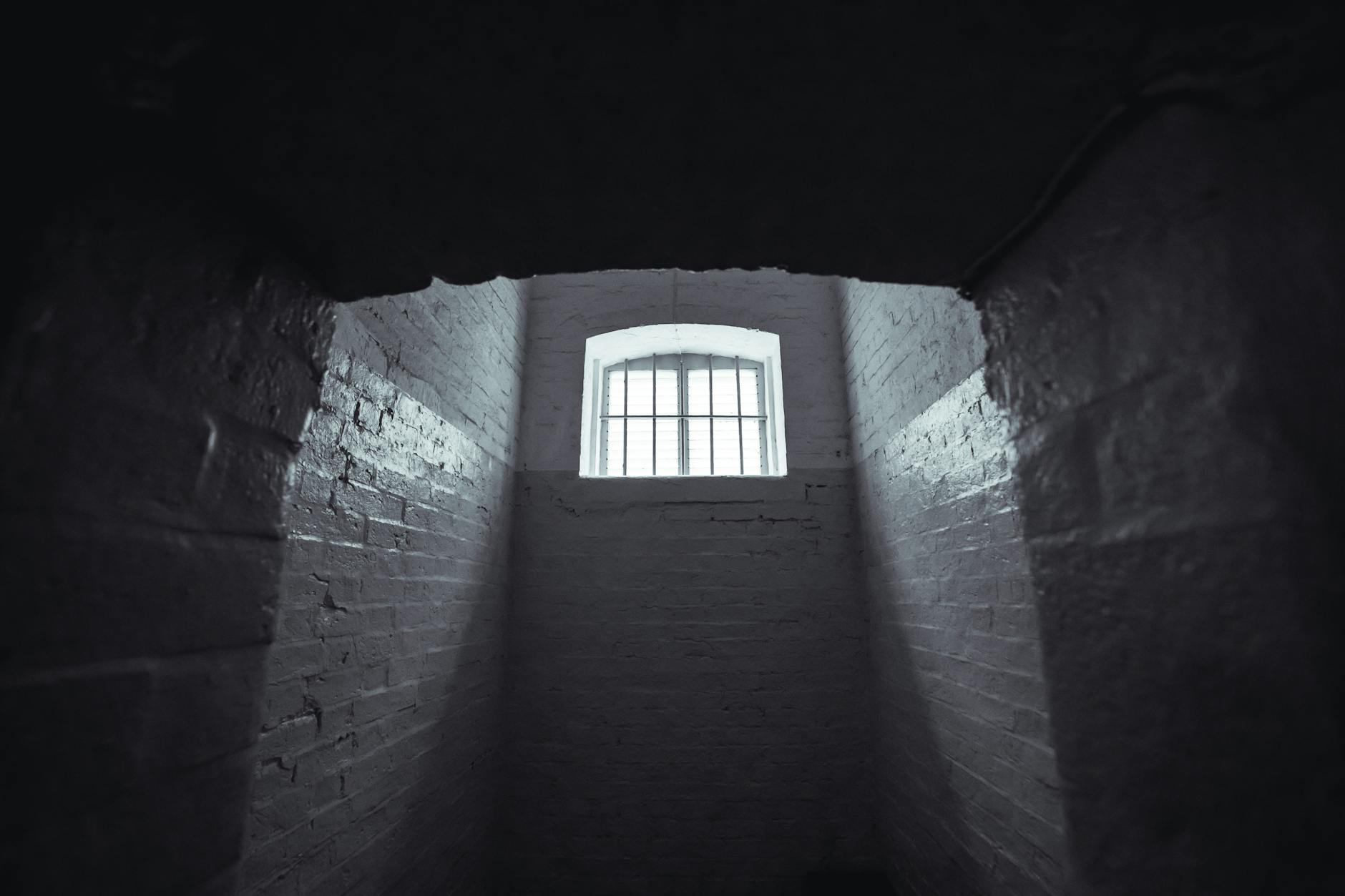
2024 brought new health concerns for my husband, and with that a reconsideration of where we should live, since we are currently in a very remote location, three and a half hours by car from the nearest medical center with cardiac care. We responded decisively by putting our house on the market. That decisiveness did not break us out of Limbo, however, as we do not know when or if our home will sell, and we do not know what it will sell for if it does sell. We cannot make plans on where to move until we sell the house. Still, we’re thinking about returning to the Midwest where real estate prices are more reasonable than here in the West and where we can reasonably expect to afford to live in a town with a hospital. But, until we sell, we are in Limbo.
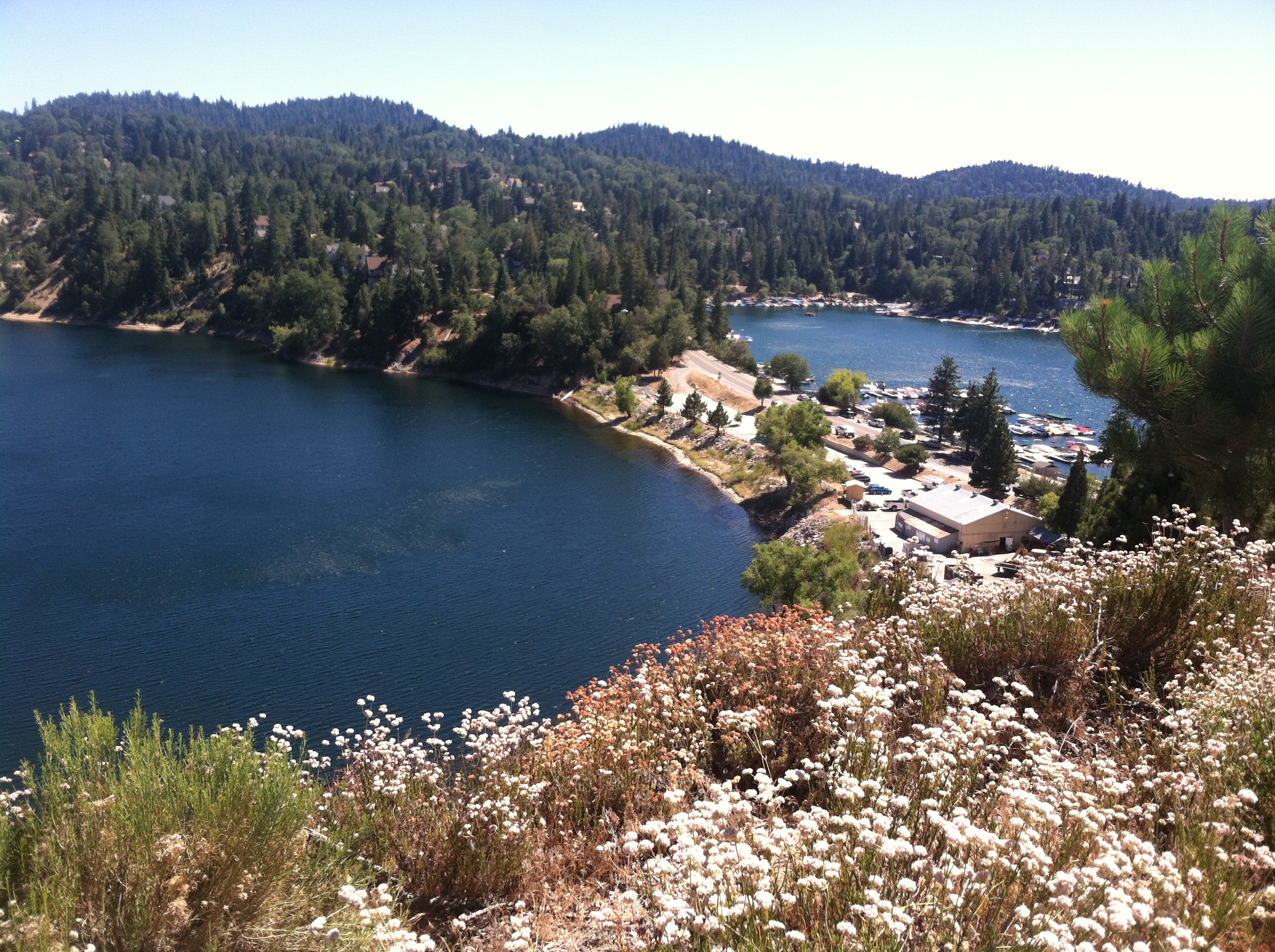
Also, in 2024, I was thrilled to receive an invitation from my dream literary agent to send her my full manuscript, A Fine Suddenness, a World War II historical fiction novel based in Lake Arrowhead, CA. I’ve no idea if she has read it yet. It has been out of my hands for six months now, this after having worked on it pretty consistently for years. Many years. I miss it terribly (it’s an odd thing, really, the attachment I’ve made), and I have no interest in beginning a new novel yet, though at least I am continuing to write. Even so, journaling or posting online, as important and healthy as they are, do not give me the same sense of mission as novel writing does. I wait to hear from the agent, and I do not move forward on a sequel to the book I sent her, nor on some new unrelated novel, because I desperately want her opinion on A Fine Suddenness first. More Limbo.
And 2024, oh my goodness, has been a year of intense worry and anticipation for our nation and the world. We are no longer in the first stage of that particular limbo state, but we are certainly still in a place of transition and uncertainty. So many possible scenarios there, and so little I have control over. More Limbo.
Earliest historical references to Limbo describe a place in-between—not heaven, not hell—a place for deceased unbaptized humans born before the birth of Christ, or who died as infants before baptism, to reside until the second coming of Christ by the Roman Catholic Church, and these begin in the 14th Century. From there, the word limbo (more and more with a lower case “l”) entered usage in less theological contexts: as a place or state of restraint, confinement, neglect, oblivion, uncertainty, or an intermediate or transitional place or state.
Etymology also traces limbo from the English of Trinidad and Barbados limbo “a dance that involves bending backwards under a pole,” related to Jamaican English limba “to bend,” from English limber “flexible” (merriam-webster.com).

Which leads us to the dance, or funeral game, which dates back to the mid to late 1800s on the island of Tobago. In the beginning, the game started with the bar at the lowest possible height and the bar was gradually raised, signifying an emergence from death into life (Wikipedia.org). It is possible that the roots of this practice come from the slave experience of being transported across the seas in ships, where the slaves were separated and tried to squeeze through narrow spaces in order to see or touch one another. In some African beliefs, the game reflects the whole cycle of life . . . the players move under a pole that is gradually lowered from the chest level and they emerge on the other side as their heads clear the pole as in the triumph of life over death (Stanley-Niaah, Sonjah “Mapping of Black Atlantic Performance Geographies: From Slave Ship to Ghetto.” Quoted on Wikipedia.org).
The secularization of the dance began in the 1940s where “it became a popular entertainment in Trinidad and was adopted as a physical fitness exercise by American troops,” . . . and is now “considered the unofficial national game of Trinidad and Tobago” (Wikipedia.org). It has become a fun and happy pastime.
Historically, Limbo to limbo, has moved on. Broken free, so to speak. I wonder if my own limbo could progress that way, too. As for human history, perhaps also for me? If I am stuck in the place between heaven and hell right now, will it be possible for me to become limber enough to squeeze myself through the narrow places that block me from reaching the open, even joyful places that still may exist beyond my current ability to see them or experience them?
In order to do that, I would need to understand the constructs of the narrow places. What are they exactly? What are they made of? Are they hard and impervious, like granite? Splintered like rough wood? Flexible and sometimes deadly like serpents? Or are they only real because I make them real in my own paralyzed mind? Maybe I could wish them away, disintegrate them, with new knowledge or some kind of personal epiphany.
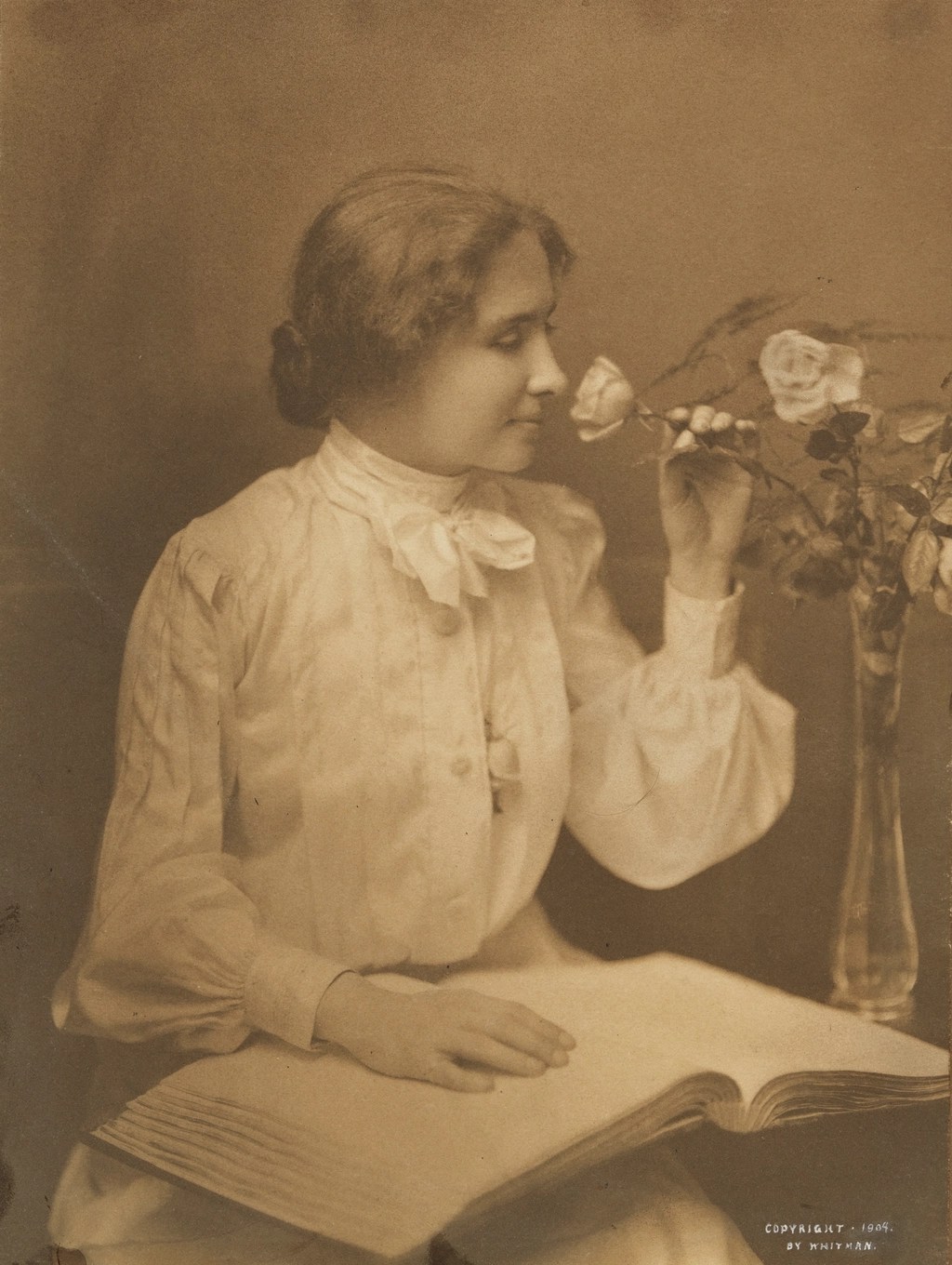
Perhaps there is a way. Perhaps not. But I must strive, at least, to remember Helen Keller’s words, these taken from her open letter in response to Nazi book burnings in Germany on May 9, 1933: “History has taught you nothing if you think you can kill ideas. Tyrants have tried to do that often before, and the ideas have risen up in their might and destroyed them. . .You can burn my books and the books of the best minds in Europe, but the ideas in them have seeped through a million channels and will continue to quicken other minds.”
If Helen Keller believed that ideas and hopes have always “seeped through a million channels,” who am I to deny it? Might not a few of those ideas and hopes, and more likely a multitude, have made their way to us now at the dawning of the year 2025? Might not they sustain us, quicken our minds, and help us find a way out of our narrow places and into the light?













 LakeArrowheadLadyWriter