Category Archives: Aging

“Life Meanders Like a Path Through the Woods” -Katherine May

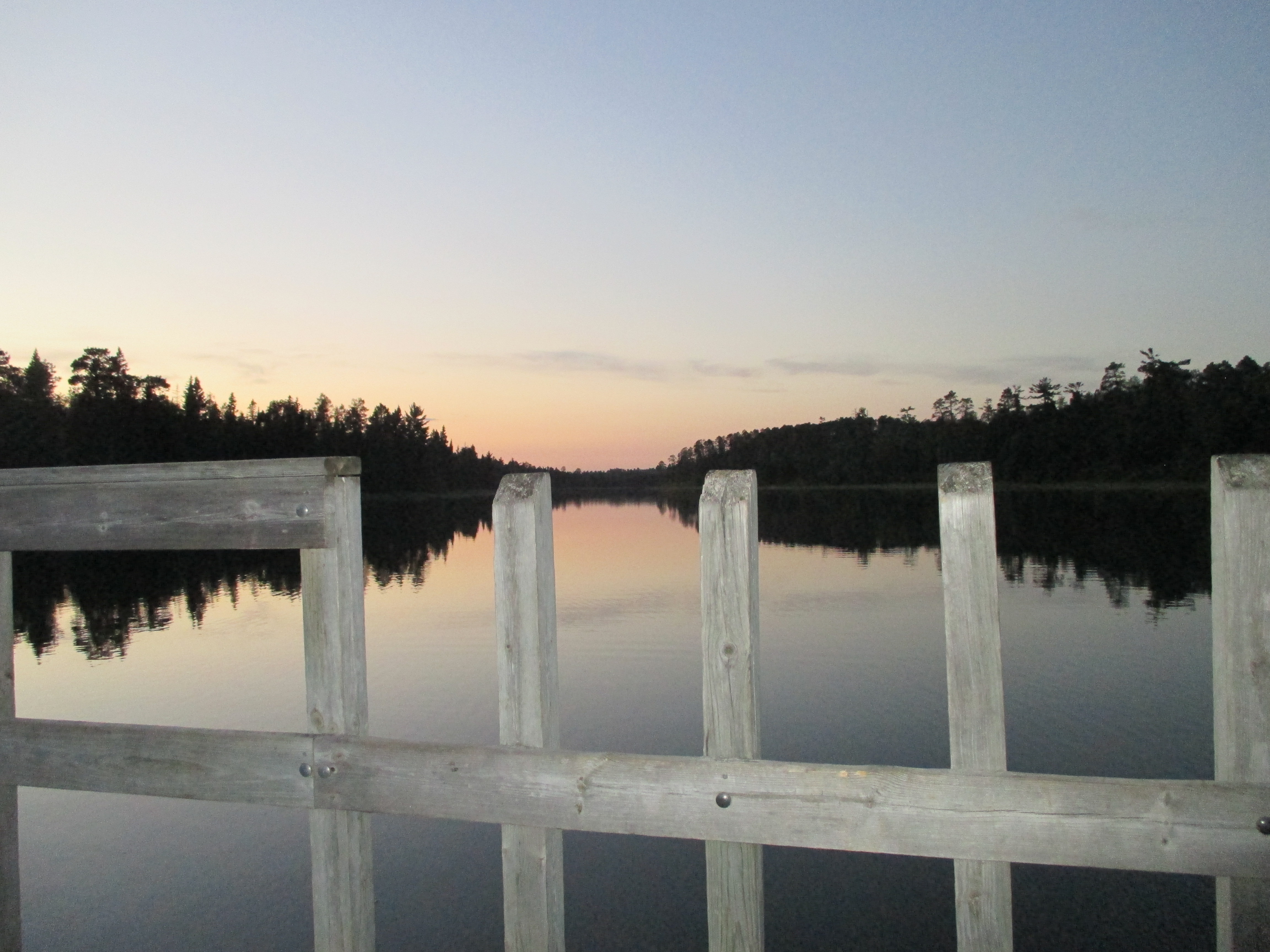
Great Basin National Park (I think!), my photo

Another goodbye. This old house, the one we have loved and labored over for the past five years, is sold and we are looking for a new place to live, spending countless hours exploring our options. We are moving primarily to get closer to health care, but it isn’t just that. There are many people who fight to remain here, in this isolated little town, even when they clearly need to get closer to a hospital and/or access to a grocery store, a home health care aide, or other support systems, but those are people with roots and years of memories and attachments to the place that I don’t have. They have always belonged here.

Sometimes I think I don’t deserve to belong, perhaps that is why I always wind up leaving. I’ve loved and left too many places. Oh, there’s always been a good reason, but still, I wonder exactly why those reasons always seem to find me so easily, almost as though I’m looking for them. Is it because my childhood was a transitory experience, one where living in different places and going to different schools and always being the new kid was a simple fact of life? I didn’t like it, but maybe I got used to it. Maybe that became my normal. Also, there was an element of adventure there, even though, honestly, the transitions were never smooth and I was perennially ill at ease.

My mom moved a lot before her marriage to my dad. My dad moved a lot after serving in the Pacific theater as a Marine during WWII. When they got together they moved a few times before I was born, and then they remained relatively stable in the town where my brother and I started school while they were together. The rented house on Sheridan Road in Kenosha, Wisconsin is the first home I remember. When they split up around the time I was in first grade, all the moving started again, first to an apartment on the other side of town and then we kids were sent to live with relatives across the country. After that we moved several times with Mom and our step dad. By the fifth grade I had lived in Wisconsin, Nevada, and Illinois and had attended five different school districts.

Then they decided to move to Minnesota. We stayed with my cousins there first. Next we moved into a little rental in North St. Paul. I think we were there less than a year, when my step dad came home and announced we were moving again, one more time—the last time—because he had found us a house to buy!
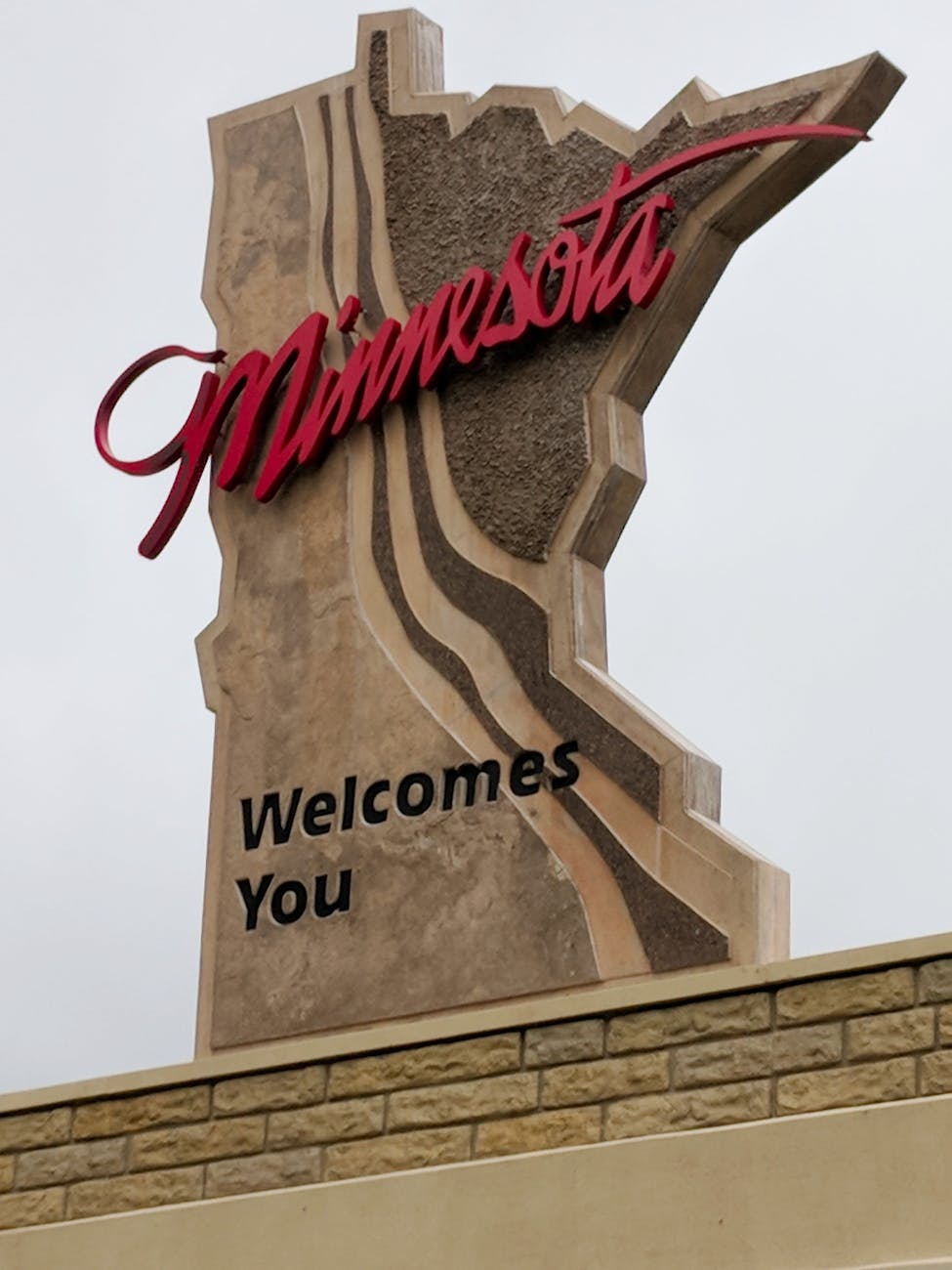
Photo by Stephen Fischer on Pexels.com

That was the smooth move, even though it meant starting over again in another new school, because it was the one that read like a story with a happy ending. It was going to be the one place we stayed  forever. And I walked into that house, so much better than any other house I could imagine living in, and I fell in love. The Winslow Avenue house wasn’t too big, but it was sturdy and freshly painted, with two stories and a fireplace in the living room. It had window boxes filled with blooming red geraniums and a brass door knocker. Elms and maples and pines lined the well-kept lawns up and down the street, and the school was just a few blocks away. I walked to Frances Grass Junior High, and I met my lifelong friend and loved it all. But I was growing up, too fast, and the time slipped away, and I was drawn back time and again to another place, the first place I remembered, and to my father who lived there and to my first lifelong friend.

Lake Michigan Shore, Kenosha, WI- my photo

Meanwhile, the dream house in Minnesota was sold and my mom and stepdad moved to an apartment in Southern California. After that I moved on my own I can’t remember how many times. Minnesota, Wisconsin, California—back and forth. My longest residence was in the beautiful San Bernardino Mountain communities of Running Springs, Lake Arrowhead and Blue Jay, California, a place that I will always love.

 And now it’s time to move again. I do love my home and friends here, and my church and library, and the mountains, the beautiful wild mountains and the endless trails. The silence that seeps into my soul. I’m sure moving to a place with nearby health care, groceries, water, trees, and more activities will be good—it’s just so hard to decide on the right place to go, and my heart aches as I can’t move toward my children and grandchildren, only farther away, again.

It’s overwhelming and frightening, and at our stage in life there won’t be much chance for a “do over” if we get it wrong. I think about where my parents ended up, my mom who began her life in Faribault, Minnesota and finished it in a little apartment in Anaheim, California, and my dad who started out in a large apartment in Chicago, Illinois and ended in a small condo in Brookings, Oregon. Were they happy with their choices? What drove them away from their original homes, friends, and loving families? Was it the war? I can only guess. And what called them to the various places they ran to? What wildness, what pain, what longing? Whatever it was, I clearly have felt it, too. Inherited it, I guess.
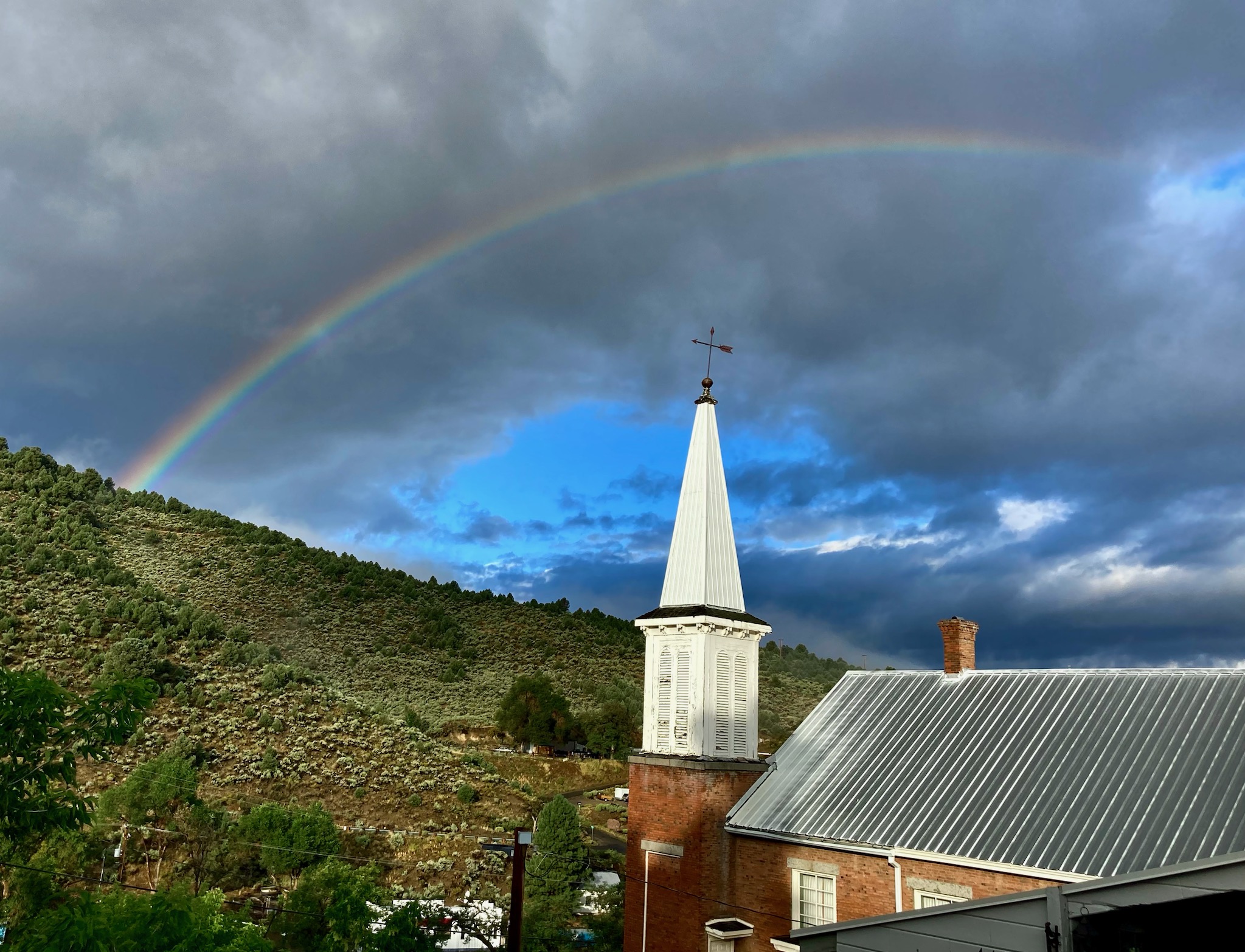
Old Methodist Church in front of our house, Austin, NV- my photo

Feeling lost and looking for solace this morning, I picked up a book—always a good idea—and I came across the following lines. I found them deeply moving. I hope you find something in them that helps you get through your day, too.

“…We are in the habit of imagining our lives to be linear, a long march from birth to death in which we mass our powers, only to surrender them again, all the while slowly losing our youthful beauty. This is a brutal untruth. Life meanders like a path through the woods. We have seasons when we flourish and seasons when the leaves fall from us, revealing our bare bones. Given time, they grow again.” Katherine May, from Wintering: The Power of Rest and Retreat in Difficult Times.

46 Comments

Filed under Aging, childhood, Family, Memories, Personal History, Seasons

The Mornings are the Worst

This is not my kitty. It’s a sweet expression though, and I love kitties.

I woke up this morning acutely aware of several things. None of them were good, considering the state of current affairs, but, for me, the first breath of consciousness each day brings the unwelcome reminder that I no longer have any teeth (on the top of my jaw anyway. This may or may not be called the “crown” of my gums . . . I have asked Mr. Googly, but I’m still not sure). Also, I only have 13 teeth left on the bottom, which, hey, I’m grateful for so that’s why I state it only as an aside and not as part of my general complaint. Anyway, this is what waking up means to me.

I am aware that this is not an appealing topic.

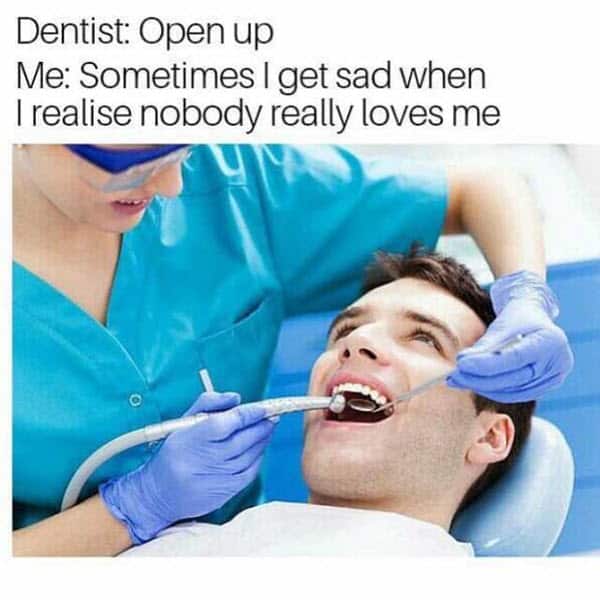
Well, some people love me. But sometimes I get sad anyway.

I am an American woman with ill-fitting dentures that I take out at night. Most nights. Some nights I just leave them in.

But you aren’t supposed to leave them in. Why? Something about giving your gums a rest and not letting bacteria build up. According to The American College of Prosthodontists (ACP), the association that represents the specialty of prosthodontics: “Yes, you can wear your dentures at night, but it is preferred that they be removed. You should remove your dentures at night, and this will give your gums and bone a chance to relax from the pressure of the denture during the day. If you need to wear your dentures for social reasons or to prevent your jaws from over closing, you should find time during the day to properly clean your mouth and your prostheses. You should never wear your dentures 24 hours a day without performing proper oral hygiene. Dentures should be cleaned at night and stored in water during the night.”

So, that’s a no, yes? My guy in Fallon said to take them out . . . (he never mentioned unless I needed to keep them in for “social reasons” or to avoid over-closing jaws) . . . more on that later.

So, I usually take them out. Then—I wake up in the morning feeling like my face is a sad stretch of the Pacific Coast Highway after a torrential downpour. Part of me is washed away.

That’s me on the left. All smiles. Brand new teeth.

By now, some readers might be thinking (in addition to oh dear lord please stop), what about implants?

When I inquired about the cost of implants, I was given the “ballpark” figure of $40,000. “It’s like buying a car,” my Fallon guy said. Indeed. And I would be the first person to say that I’d much rather have a complete set of permanent teeth than a new car. Absolutely! But that’s false equivalency; it isn’t a choice between teeth and a car. Not at all. There’s no money for either of those things. I was lucky to be able to scrape the money together for the dentures, which came to something closer to $4,000 (including the cost of the extraction of my “unsavable” natural teeth). I drive a car that I bought used 10 years ago for much less than $40,000 and have managed to pay off. So I’m not in the market for a new car, and implants were never going to happen.

This breaks my heart, and it also angers me. Why is dental care so difficult to attain? Is it because of a general American lack of concern for healthcare for its citizens overall? Is it because I am lazy and do not deserve teeth? I mean, I have a job. I’ve always had jobs, but some of them (at peak important dental crisis periods), didn’t include dental insurance. If I had been born into a wealthy family, or perhaps if I had been born in a different country, would I still have my teeth? I don’t know. Certainly, lifelong, consistent dental care could have saved me some of my dental losses. I remember having a tooth pulled when I was in my twenties that could have been saved if I’d had the money for a root canal and a crown.

I’d like to hear about the experiences of people from other places. Is this something that happens to many of my peers, but I just don’t know about it because it is humiliating, and no one dares speak of it? And what about people who lose their teeth to accidents or illness? What recourse do they have?

More big smiles. Happier days.

I know there are people suffering much more in places that are much worse. I know that many people of my parents’ generation wore dentures for much of their adult lives, and I don’t remember hearing much grumbling about it, perhaps another reason that their designation as The Greatest Generation is so apt. My parents survived The Great Depression, they fought in World War II (Dad was a Marine in the Pacific) or supplied the troops (Mom worked in an airplane factory), they ballroom danced like athletes, swinging with The Big Bands, and they never complained. Perhaps part of the saying about keeping a stiff upper lip comes from their ability to hide their discomfort about dentures? I don’t know, but I admire them for it.

Does that mean I should just embrace my toothlessness? I mean, my parents weren’t crying about it. And if I should embrace my loss, how, exactly, do I do that?

I miss my teeth. I miss my smile. Like Elf, I love to smile. Smiling is my favorite.

Also, I can’t eat numerous foods that I love. This includes crispy raw vegetables and taco shells and chewy candy—the obvious things—but also many others like pizza or sandwiches or  good crusty bread. Believe me, dentures do not allow it.

Again, I could be wrong. According to The American College of Prosthodontists, “Most patients need to learn how to use dentures properly and as a result, it takes a little time to get used to them. After a while, you should be able to eat fairly normally, but it may take more time to get comfortable with harder foods or sticky foods. Using a small amount of denture adhesive (no more than three or four pea-sized dabs on each denture) may help stabilize the dentures and help hold them in place while you learn how to get comfortable with them and may make the learning process easier.”

“Fairly” is one of the key words in that paragraph. Fairly normally seems to include scrambled eggs, overcooked vegetables, soup, cooked cereals such as cream of wheat, mashed potatoes (a high point), and pudding. Oh! and thank goodness, ice cream is still an option.

Perhaps I struggle with eating because my dentures are particularly ill-fitting compared to others. This I don’t know. What I do know is that they fall out, they move around, and they whistle occasionally (something I could never accomplish before, that, no, I am not grateful for).

I also know that the denture adhesives help a bit, but the downside of using them includes the overflow stickiness that can make it impossible to move parts of my lips at times. True, I use more than the American College of Prosthodontists’ advised “three or four pea-sized dabs.” That’s because three or four pea-sized dabs do absolutely nothing!

Also, said stickiness, which isn’t sticky enough to stop the dentures from moving around during everyday activities like talking and eating, is somehow too sticky to allow its removal at the end of the day. The only way to get most of the adhesive off I’ve found is to scrape my gums and the roof of my mouth vigorously with one dry paper towel after another until I am sore and gagging and my husband has left the room.

I would be remiss if I didn’t also mention that many dental adhesives contain zinc, and though a certain amount of zinc is recommended, and is usually sourced from a regular diet, digesting extra zinc via the adhesive breaking down and being swallowed can mean that the denture wearer using adhesives with zinc may experience health issues.  Excess “oral zinc can cause copper deficiency, and zinc contained in dental adhesives may thus cause hypocupraemia.” [Prasad R, Hawthorne B, Durai D, McDowell I. Zinc in denture adhesive: a rare cause of copper deficiency in a patient on home parenteral nutrition. BMJ Case Rep. 2015 Oct 9;2015:bcr2015211390. doi: 10.1136/bcr-2015-211390. PMID: 26452740; PMCID: PMC4600814]

The good news here is that I’ve just done a search and discovered there are many varieties of dental adhesive currently on the market that are zinc free. This was a welcome surprise! Examples include: Secure Waterproof Denture Adhesive – Zinc Free, Extra Strong 12 Hour Hold Super Poligrip, and Effergrip Zinc Free Denture and Partials Adhesive Cream Extra Strong Denture Adhesive Cream, Zinc Free.

This bit of happy news, you might hope, will conclude my treatise on the sorrows and lessons of dentures, but I would be remiss if I did not mention . . ..

Intimacy in the bedroom at night on the rare occasion my spouse and I are both awake past eight o’clock. I think this must be one of the unmentionable “social reasons” cited by the American College of Prosthodontists. Alas, my post-natural-teeth desirability rating has fallen. I was never a supermodel, but I was the woman who never went without mascara or lipstick, who shaved her legs every day, and did everything possible within my budget to remain healthy and attractive.

Perhaps I’m being punished for my “vanity.”

I lost my teeth because I tried too hard?

I don’t think so. Mostly because it was never vanity to begin with. It was insecurity. Or, it was being a woman and knowing how women were judged. It may have been many things, but whatever sad mid-century thing it was, it was certainly never vanity.

But, hey. I’ve been up for hours now. I’ve put myself back together. Therefore, the only things I have left to worry about for the rest of today are: The state of current affairs. My missed visit to my family. Medical bills. Owing the IRS. More stray kittens needing to go to the veterinarian. The car that suddenly broke down.

Never mind.

I’m going to make a nice dinner and have a glass of wine. Some nice, homemade, soft and easy-to-chew food. Maybe soup? And a chilled Chardonnay. Definitely, a chilled Chardonnay.

After all, what do I have to worry about? What do any of us?

The mornings are the worst.

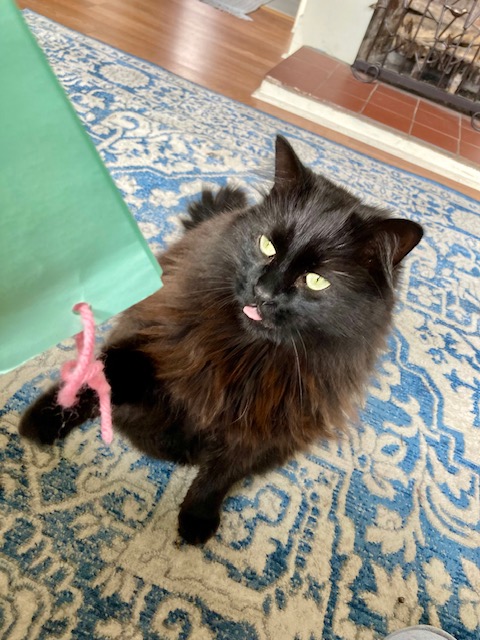
My cat, Jack. He’s not a morning guy either.

22 Comments

Filed under Advice, Aging, Dental Care, Dentures, Health, Identity, Loss, Patient Advice and Support, The Greatest Generation, Uncategorized, World War II

Change

“I have accepted fear as part of life—specifically the fear of change…I have gone ahead despite the pounding in the heart that says: turn back…” Erica Jong

Change.  Many of us struggle against it, and, at the very least, devalue it, like the pennies and nickels and dimes that collect in the bottom of our purses, weighing us down. Change, whether gentle or harsh, is uncompromising in its persistence and its accumulation.

Loose change adds up. Minor changes, some of them which occur so gradually we can’t detect them in real time, are not going to remain small forever. The tiniest of cracks hidden behind a wall may grow undetected for months or years before we discover the mushrooms growing in the attic or we step off the last stair into an inch of water pooling on the basement floor.

And also, for women, there is menopause, which I remember my mother calling The Change. Relief or regret, it makes no difference. At the average age of 51, American women stop having menstrual periods and no longer produce eggs (www.mayoclinic.org). The change comes, though at different ages and with varied symptoms. For men, it seems there’s no age-related end to sperm production (though counts do tend to go down), but the prevalent use of Viagra speaks to a change in performance (erectile dysfunction).

My granddaughter’s skin is silky perfection, my daughter’s, still smooth at thirty something. Mine is a map of a lifetime of laughter, heartache, and a wretched lack of self-care. First, a tiny crease transformed into one small wrinkle between my eyes, an exclamation mark above the bridge of my nose. Surprise!

Over the years that small furrow deepened, and numerous others presented themselves, accompanied by an overall loss of tautness and clarity. When the face one sees in the mirror belongs to someone who appears to have lived through a millennium of sleep deprivation, dehydration, and exposure to harsh elements, it’s only natural to be alarmed or saddened. Many of us fear or loath this facet of aging so much that we slather on sun blocks and night creams, either before the lines make their appearance or as soon as we spot them, hoping it’s not too late. If we can afford it, we go to salons for facials, steam baths, Botox, surgery… Some of us ignore the changes in our skin, or better, take a certain pride in them; we’ve earned them!  Regardless of what we do or do not do, the wrinkles come.

Children grow up. Careers change. Our bodies change. Our country changes. The world changes. This is all understandably unsettling.

As for me, I have always been the restless type, one of those odd sorts who has accepted and often sought change in my life, even while at the same time yearning for stability. This very probably has to do with the fact that I experienced a great deal of change as a child, living in different states in different circumstances.

 Don’t get me wrong. I had parents who loved me. They just weren’t together and they weren’t all that traditional, and our family experienced multiple dead ends, detours, and reroutes. I loved Dorothy’s “No place like home,” but as an abstract idea only. Something from a pretty story. By the time I was eight years old, I didn’t know where home was.

Wisconsin, Nevada, Illinois, Minnesota, and back again. Thirty-seven years in California (a record!), and then another move.  Always wondering where to land. And so, as Vonnegut would say, it goes. Wishing it had been different does no good. Wishing I had been different doesn’t either. And now time, the master architect of change, has brought me to my “golden years.” Not for wimps, my dad used to say. Truth there. And he wasn’t. Nor was my mother. And I won’t be either.

That said, there’s no getting out of this thing alive. All the more reason to wake up, spiritually, physically, academically, socially—in whatever way we are stuck downstream of where we want to be. That’s perhaps why I read so much, and travel. And pack up my belongings and move.

It’s not always effective. The change has often been for the worse, at least temporarily. Sometimes short-sighted. Maybe selfish, too. So, as I consider the changes I will willingly make over the next decade(s), and what painful changes may come that I will have to accept, I endeavor to do so consciously self-aware, and mindful of everything and everyone around me. These are to be among the last changes I will know in my lifetime.

Whatever changes come, I pray to accept them with grace and love, and in deep gratitude for the all the people I’ve known: my beautiful family, my dear friends, my students, colleagues, neighbors—the strangers who smile when we pass, or write a story that moves my soul, or who care for a child, an animal, or our natural world—the world entire.

But for now, it’s time to pack the car. I’m off on another road trip. Wishing you the ability to embrace the best of the changes you make or take, and the fortitude to deal with the worst of them. And may love be your unchangeable superpower.

Mahalo!

Leave a comment

Filed under Aging

My Body

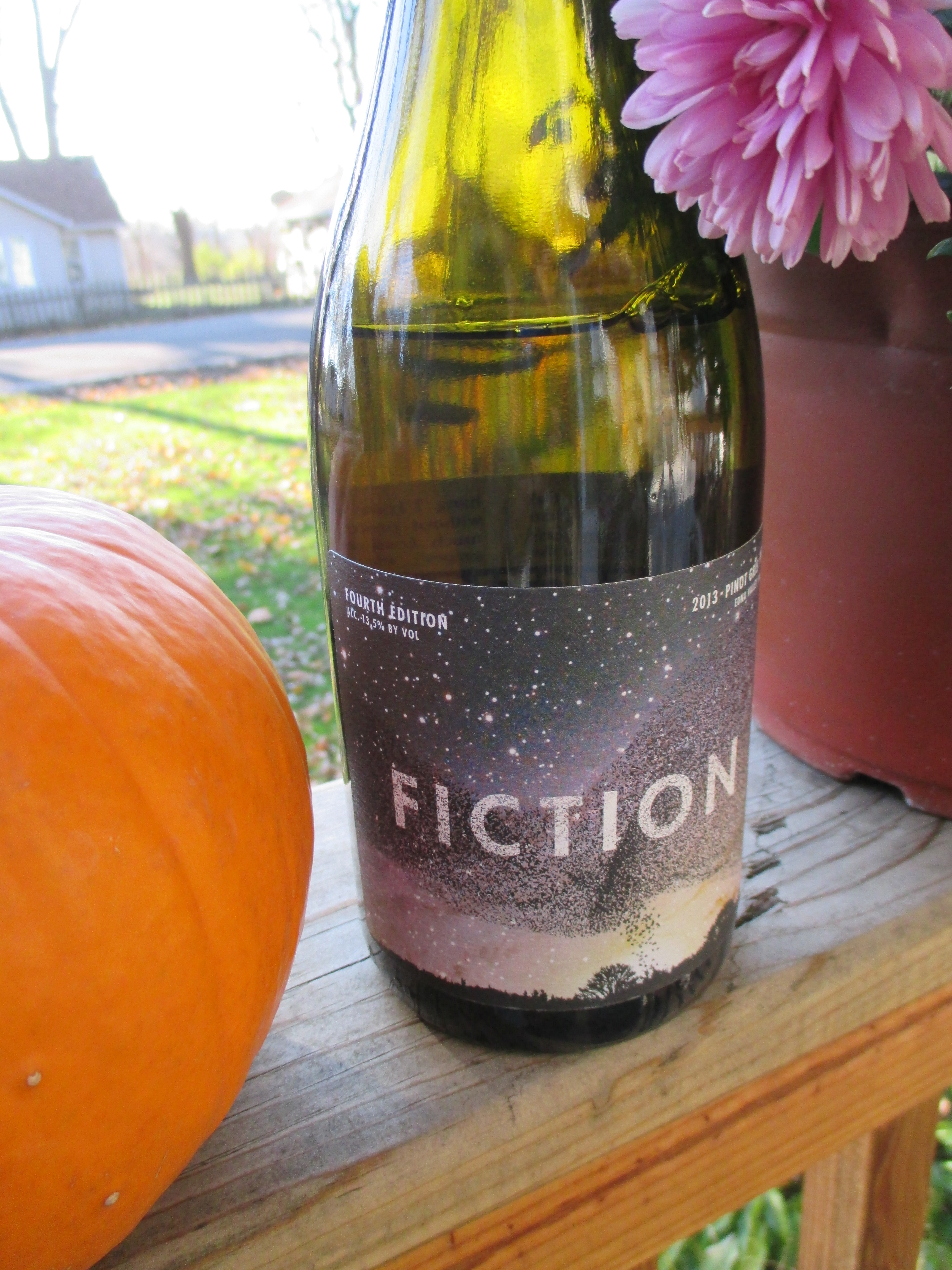
Winefiction 002Last night in bed, I started thinking about my body. About how it aches. About the way it doesn’t move anymore, not in the ways it used to. About the way it gives me very little pleasure anymore. I mean, I still get up every day and put clothes on. I even walk my dogs most days. There’s some pleasure there. My body takes me up and down the street, along the river, and if I so choose, into the woods. The dogs definitely derive pleasure from these walks and I, too, am grateful for them.

I also still very much love hugs. And kisses, especially on the back of my neck.

I love the cool touch of the wind, and the warm caress of the sun.

I love the sound of laughter. And music. And falling water. And birdsong.

I still love the taste of good food and drink, but only late in the day after my tummy settles down from its angry-cramps-in-the-morning routine. Still, I do get to eat and enjoy doing so, which is a big part of the enjoyment of having a body. Oh, and a lovely chilled glass of chardonnay served outside in a garden—that’s pretty blissful.

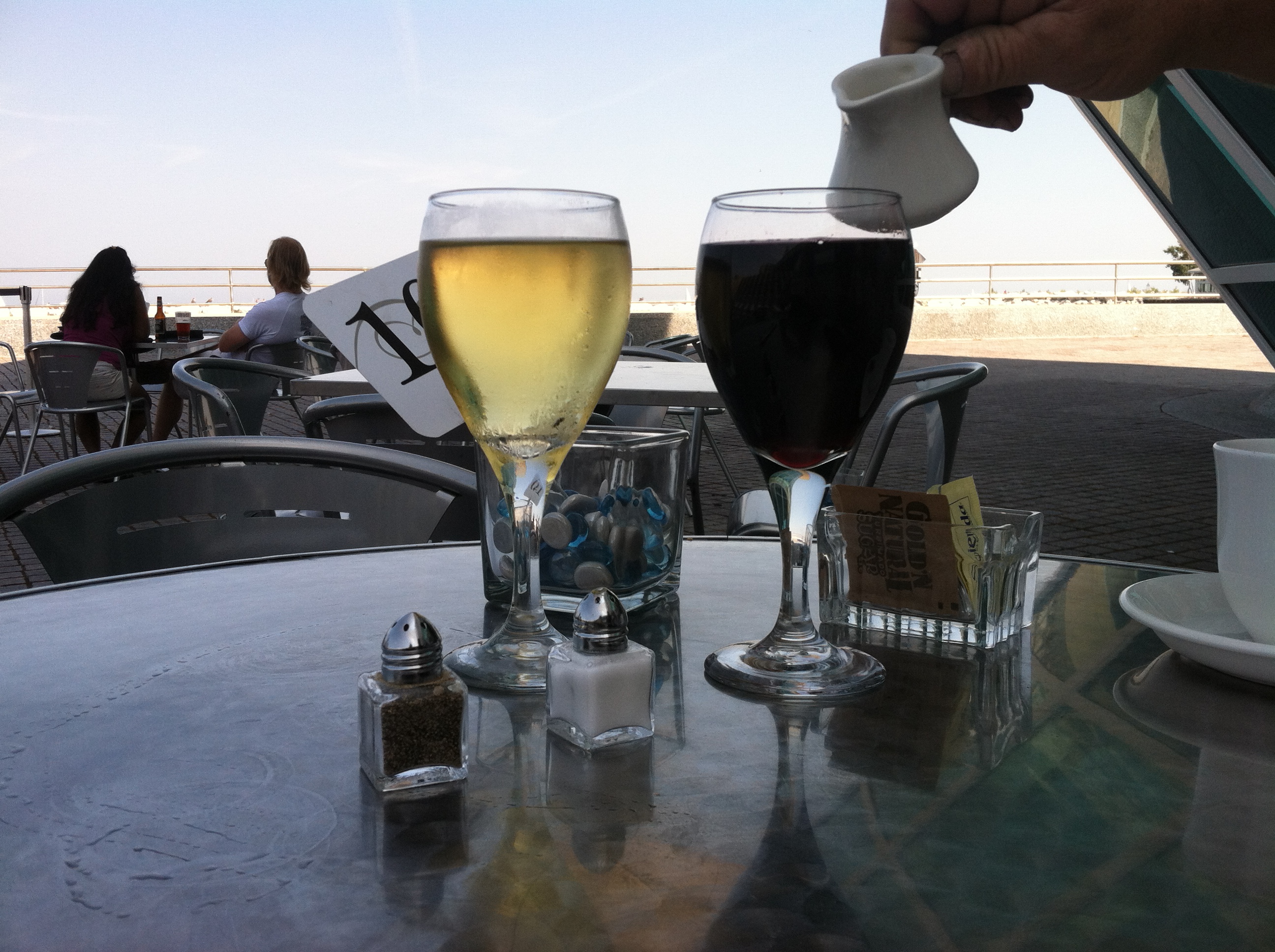
Field Recordings, Paso Robles, CA

Field Recordings, Paso Robles, CA

It’s not that I am particularly decrepit for my age. I guess it might just be that I haven’t been this age before, and I am realizing how much I took this amazing body for granted for so long.

My skin, for example. I was never much enamored of my skin—too pink, too blotchy, too many freckles—and those moles. I covered my forearms throughout my entire puberty and adolescence, thinking that if anyone knew I had two moles on my left forearm, well, I’d never be loved. But my skin was amazingly sensitive. It buzzed with life and reacted to everything that touched it. Quite spectacular, thinking back.

My joints were supple. I could wrap my legs around my ears!

I ran. I ran for fun. I ran to cleanse my mind and change my emotions.

I was a sensual being. My body, well. All bodies, really, I hope. Electric.

My womb carried two babies, my breasts fed them, and my arms held them. Those were exhausting times, I remember, but oh so incredible. There was no end to the tasks needing to be done and no end to the hugely blossoming love that encompassed every simple movement. Ah, those nights rocking my baby in the dark, singing an old lullaby, afraid to get up and tuck the baby in the crib, afraid to lose the magic

.My body took me on camping trips, road trips, plane trips, and a few trips of another sort—like when I fell down a flight of stairs. What a crash. And what a healing. My body always healed.

My body brought me to my beloved classroom and allowed me to teach for many years. I remember when I could hop up on the counter while reading the scene from The Call of the Wild where the man in the red sweater breaks Buck out of his crate and all of the men in the yard jump up on the fence to watch. I remember replaying that scene in the classroom for years, and then one year, I just couldn’t make the jump. I landed on one of my eighth-grade students.

My body survived numerous surgeries, cancer, and chemotherapy.

My toes have been numb for several years now. Neuropathy from the chemo. My joints ache, especially those on the left side of my body. My skin is wrinkled. My hair is silver. I wear bifocals. I can’t hear out of my right ear. A one-mile walk leaves me exhausted. I find myself longing to go to bed with my heating pad early in the evening, and I basically never really want to get up.

My body likes to rest, and I like to try to forget about it altogether. Meanwhile, my mind considers other things. Like, maybe this is a normal part of aging. A stage of getting ready to let go of this old body and move on. So I pray, and read, and write, hoping to figure out what it is that is happening, and even if it is in fact, a real experience, or maybe it’s just a new and interesting facet of depression.

IMG_1192I look for articles about anything and everything connected with this sense of disconnectedness, wondering if anyone else feels this way, too. And then, today, my friend Stephanie posted an extraordinary article from The Washington Post about a rare illness that makes people think they’re dead. Timing is everything. I mean, it does seem that you attract what you think. Last night I’m thinking about being dead and today I’m reading this article. You can read it, too. It’s quite fascinating:  https://www.washingtonpost.com/national/health-science/zombie-disease-makes-people-think-they-have-died/2015/10/30/ca8ab52c-532f-11e5-933e-7d06c647a395_story.html.  Though it doesn’t describe my experience, in particular, it does contain some familiar aspects of what I’m trying to describe.

I remember, for some reason, right now, something my brother told me after our mom died. He said she came to him and said, “It’s okay, Billy. It’s ok.” That’s all.

I was sort of miffed. Why didn’t she come to me? But I guess she knew Billy would tell me. And maybe that’s all I need to know.

It’s ok.

What do you think?

7 Comments

Filed under Aging, Depression, Writing